What Is Considered A Medium Weight Dumbbell: Find Your Fit
A medium weight dumbbell usually ranges from 10 to 25 pounds, depending on your strength, exercise, and training goal.
Knowing what is considered a medium weight dumbbell can make your workouts safer and more effective. There is no single weight that suits everyone. A 15-pound dumbbell may feel heavy for shoulder raises but moderate for goblet squats. This guide explains how to choose the right load, test it, progress safely, and avoid common mistakes.
What is considered a medium weight dumbbell?
What is considered a medium weight dumbbell depends on your body, training history, exercise, and target muscle. For many adults, a medium dumbbell falls between 10 and 25 pounds. Some people may consider 5 pounds medium, while experienced lifters may need 30 pounds or more.
A useful general guide looks like this:
- Beginners may use 5 to 15 pounds for many upper-body exercises.
- Recreational lifters may use 10 to 25 pounds for common movements.
- Experienced lifters may use 20 to 40 pounds for larger muscle groups.
- Lower-body exercises often require heavier dumbbells than upper-body exercises.
The key point is that “medium” is a relative term. It does not describe one official dumbbell category. It describes a load that feels challenging but still lets you use good form for your planned repetitions.
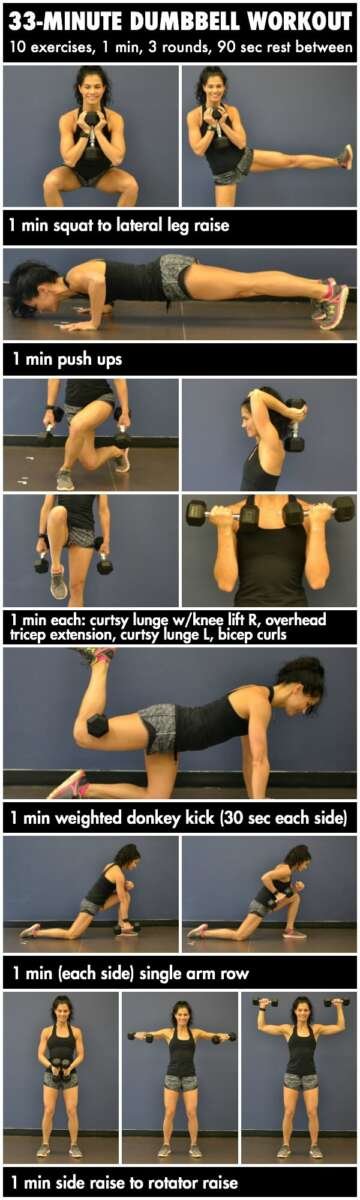
For example, a 20-pound dumbbell may be medium for a biceps curl, light for a walking lunge, and very heavy for a lateral raise. This is why the same weight can feel completely different from one exercise to another.

Medium dumbbell weight by fitness level
Fitness level gives you a useful starting point, but it should not control your choice completely. Two people with the same body weight may have very different strength levels. Your past training, joint health, technique, and exercise selection all matter.
Beginners
For a new lifter, medium weight often means 5 to 15 pounds per dumbbell. A beginner may start with 5 pounds for shoulder exercises and 10 to 15 pounds for rows, presses, or squats.
Start lighter when learning a new movement. Your first goal is control, not maximum effort. Once you can complete every repetition with steady movement, you can slowly increase the load.
Intermediate lifters
For many intermediate lifters, 10 to 25 pounds is a practical medium range. This may work well for dumbbell bench presses, one-arm rows, lunges, and Romanian deadlifts.
At this stage, the best choice depends on the muscle involved. A 15-pound dumbbell may challenge your shoulders, while a 25-pound dumbbell may be suitable for your legs.
Advanced lifters
Advanced lifters may view 20 to 40 pounds as medium for several exercises. However, they may still use lighter weights for smaller muscles or movements that require precise control.
An experienced lifter should not choose a heavier dumbbell simply because it is available. A lighter weight with a full range of motion can build more useful strength than a heavy weight moved with poor form.

How to tell if a dumbbell is medium for you
The best way to decide what is considered a medium weight dumbbell is to test how the load feels during a complete set. Weight alone cannot tell you whether a dumbbell is appropriate.
Use these signs:
- You can perform about 8 to 15 controlled repetitions.
- The final two or three repetitions feel hard but possible.
- You can keep your back, knees, wrists, and shoulders in a stable position.
- You do not need to swing, jerk, or hold your breath to finish.
- You feel the target muscle doing the work.
- You could complete one or two more repetitions with good form.
This is often called the repetitions-in-reserve method. If you finish a set and could easily do eight more repetitions, the weight is likely too light for a medium effort. If you cannot complete six clean repetitions, it may be too heavy.
A simple test works well:
- Choose a weight that feels manageable.
- Perform 8 to 12 slow repetitions.
- Check your form during the final three repetitions.
- Increase the weight if the set feels easy.
- Reduce the weight if your technique breaks down.
When asking what is considered a medium weight dumbbell, think about effort first. A medium load should create a clear challenge without turning the exercise into a struggle.
Medium dumbbell weight for common exercises
Different exercises use different amounts of muscle. Large movements usually allow more weight. Small, precise movements usually need less.
Upper-body exercises
For many beginners and casual lifters, these ranges can work as a starting point:
- Biceps curls: 5 to 20 pounds
- Triceps extensions: 5 to 20 pounds
- Shoulder presses: 5 to 20 pounds
- Lateral raises: 2.5 to 10 pounds
- Front raises: 2.5 to 12 pounds
- Chest presses: 10 to 30 pounds
- One-arm rows: 15 to 40 pounds
These numbers are broad estimates. A strong row may use twice the weight of a strict lateral raise because the back muscles are much larger than the side shoulder muscles.
Lower-body exercises
The legs and hips can often handle more resistance:
- Goblet squats: 15 to 50 pounds
- Reverse lunges: 10 to 30 pounds per hand
- Romanian deadlifts: 15 to 50 pounds per hand
- Step-ups: 10 to 30 pounds per hand
- Calf raises: 15 to 50 pounds per hand
If you are new to strength training, begin at the lower end. Learn the movement before adding resistance. Joint comfort and balance are just as important as muscle effort.
This exercise-based view explains why what is considered a medium weight dumbbell cannot be answered with one number. The movement changes the meaning of “medium.”

Medium dumbbells for muscle growth and strength
Your goal also affects the right dumbbell weight. The same 15-pound dumbbell can support endurance, muscle growth, or strength work when you change the repetitions and effort.
For general strength and muscle development, many adults use sets of 6 to 15 repetitions. A medium dumbbell should make the last few repetitions demanding while allowing smooth technique.
For muscular endurance, you may use a lighter dumbbell for 15 to 25 repetitions. For strength, you may use a heavier dumbbell for 4 to 8 repetitions. These ranges overlap, and the result depends on training volume, rest, speed, and consistency.
A practical approach is:
- Use 8 to 12 repetitions for a balanced workout.
- Rest about 60 to 120 seconds between challenging sets.
- Stop the set when your form begins to fail.
- Add weight only when you meet your repetition goal with control.
- Increase the load in small steps when possible.
Research on resistance training consistently supports progressive overload. In simple terms, your muscles need a gradually increasing challenge. You can create that challenge by adding weight, repetitions, sets, range of motion, or training control.

How to choose medium dumbbells at home
If you are buying dumbbells for home workouts, choose weights that cover several movement types. A single pair may not be enough for every exercise, especially as you become stronger.
A useful home setup may include:
- A light pair for raises, reverse flyes, and warm-ups
- A medium pair for curls, presses, and rows
- A heavier pair for squats, lunges, and deadlifts
- Adjustable dumbbells if space or budget is limited
For many beginners, pairs of 5, 10, and 15 pounds provide useful variety. A stronger beginner or intermediate lifter may prefer 10, 20, and 30 pounds.
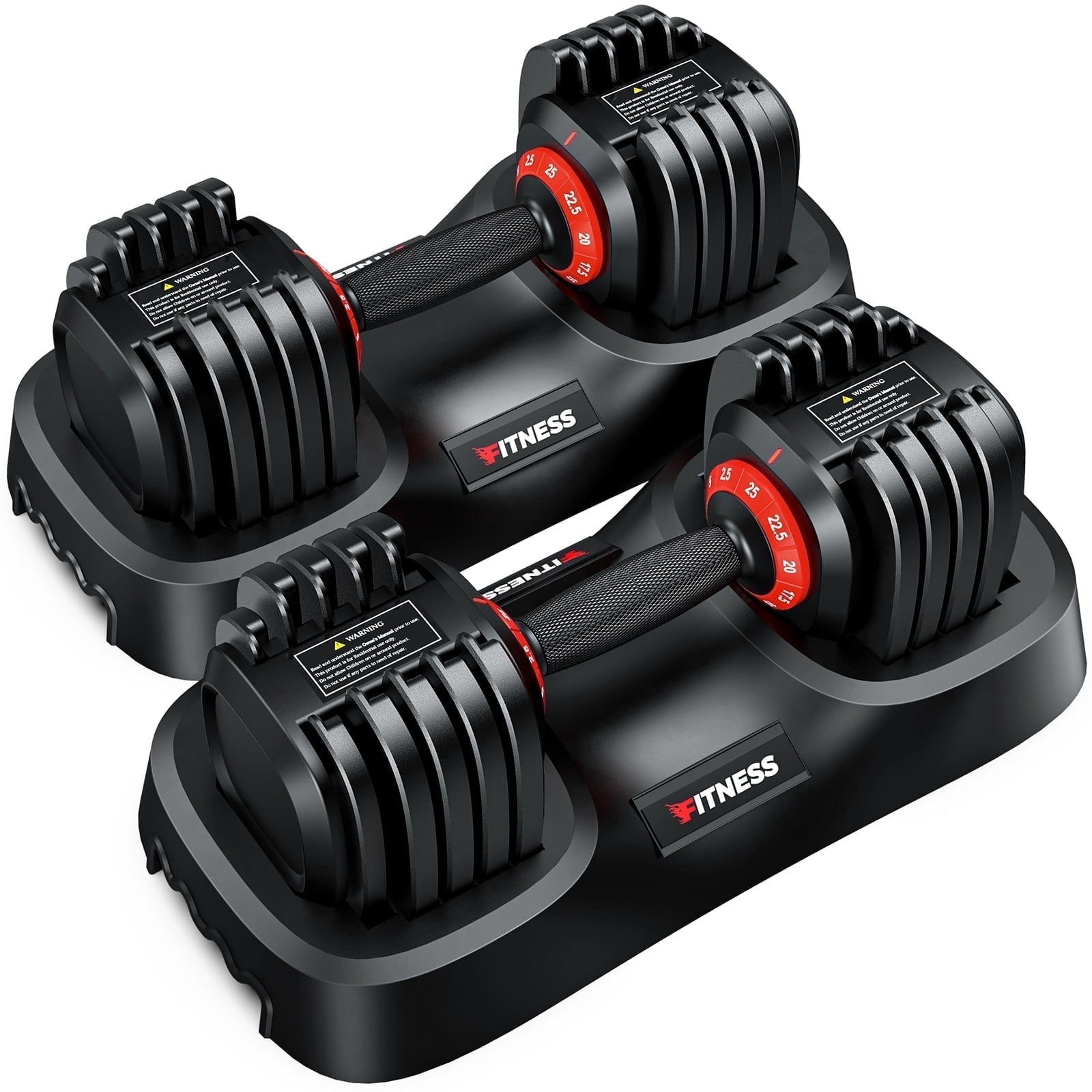
Adjustable dumbbells are practical because they let you change resistance without buying several pairs. Check the locking system before each workout. Loose plates can create safety risks and may change the balance of the dumbbell.
When deciding what is considered a medium weight dumbbell for your home gym, choose a weight that supports both your current ability and your likely progress over the next few months.
Common mistakes when choosing a medium dumbbell
Many people choose dumbbell weight based on ego, guesswork, or what another person uses. That approach often leads to poor form and slow progress.
Avoid these mistakes:
- Choosing the heaviest dumbbell you can lift once
- Using the same weight for every exercise
- Swinging the weight during curls or raises
- Ignoring pain in a joint
- Increasing weight before mastering the movement
- Comparing your dumbbell weight with someone else’s
- Forgetting that each dumbbell may be held in one hand
One mistake I often see is treating a difficult first repetition as proof that the weight is correct. The better test is the whole set. A medium dumbbell should remain under control from the first repetition to the last.
Another common issue is confusing muscle fatigue with sharp pain. Burning in the working muscle can be normal. Sudden pain, joint pain, numbness, or loss of control is a reason to stop and reassess the exercise.
Safety tips for dumbbell training
Good dumbbell training starts with preparation. Warm up for five to ten minutes with light movement, then perform a few practice repetitions with a lighter weight.
Keep your wrists neutral during presses and curls. Brace your abdomen during standing exercises. Move slowly enough to control the weight, especially during the lowering phase.
These safety habits can help:
- Use a clear space without loose rugs or clutter.
- Wear stable shoes during standing exercises.
- Keep the dumbbell close to your body when lifting it from the floor.
- Do not hold your breath for long periods.
- Stop when technique changes.
- Ask a qualified trainer for help if you are unsure about a movement.
- Seek medical advice before training if you have an injury or health concern.
Older adults and people returning from injury may need a lighter starting point. There is no benefit in forcing a standard weight range if your body is not ready for it.

How to progress with medium dumbbells
Progress does not always mean buying heavier dumbbells. You can make a medium dumbbell more challenging in several safe ways.
Try this progression:
- Start with two sets of 8 repetitions.
- Build toward three sets of 12 repetitions.
- Slow the lowering phase to two or three seconds.
- Add a short pause at the hardest point.
- Increase the weight by the smallest available amount.
- Return to a lower repetition count and build again.
This approach is useful when your dumbbells increase in large jumps. For example, moving from 15 to 20 pounds may feel too difficult. You can first add repetitions, improve control, or add a set.
The right answer to what is considered a medium weight dumbbell may change as your strength improves. A weight that feels medium today may become light after several months of consistent training.
How medium dumbbells compare with other weights
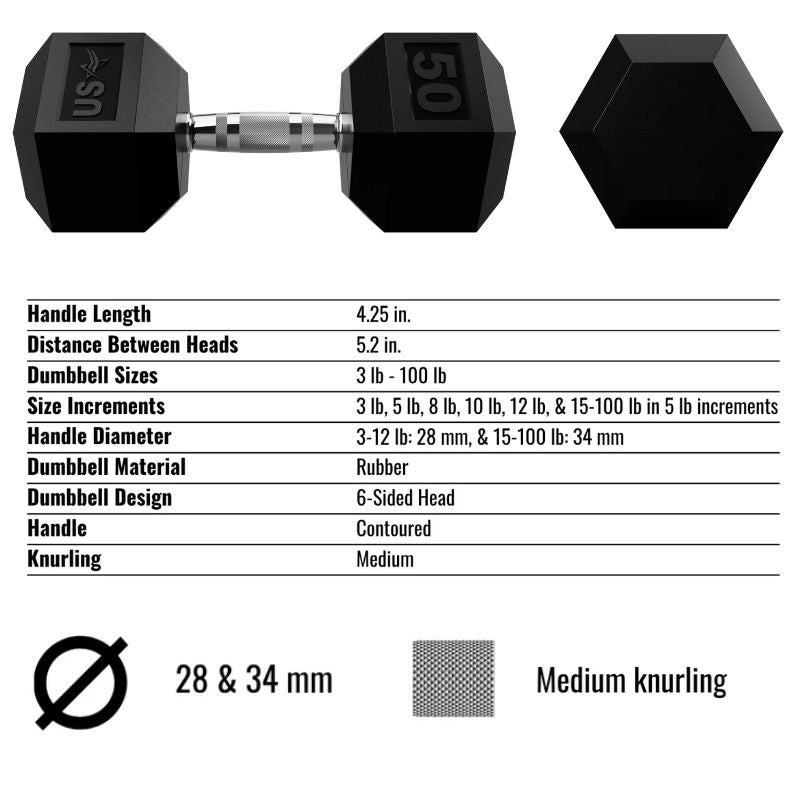
Dumbbell labels are not always consistent. One company may describe 15 pounds as medium, while another may use the word for a 20-pound model. Some product lines use light, medium, and heavy labels based on color or size rather than a tested strength standard.
The same issue appears with fixed and adjustable dumbbells. An adjustable dumbbell may feel different because its plates extend farther from your hand. This can affect balance, grip, and comfort even when the total weight is the same.
Kettlebells and resistance bands also create different demands. A 20-pound kettlebell may feel more dynamic during a swing, while a 20-pound dumbbell may feel more stable during a press.
For this reason, product labels are less useful than your performance. Focus on the movement, the number of repetitions, and the quality of your technique.
Frequently asked questions about what is considered a medium weight dumbbell
Is a 10-pound dumbbell considered medium?
A 10-pound dumbbell can be medium for many beginners and for exercises such as curls, presses, or rows. It may feel light for squats and heavy for lateral raises, so the exercise matters.
Is a 20-pound dumbbell considered medium?
A 20-pound dumbbell is often considered medium for recreational lifters. It may suit rows, chest presses, lunges, and goblet squats, but it can be too heavy for controlled shoulder exercises.
What is considered a medium weight dumbbell for women?
Many women may use 5 to 20 pounds as a medium range, depending on the exercise and training experience. These numbers are not rules, because individual strength varies widely.
What is considered a medium weight dumbbell for men?
Many men may use 10 to 30 pounds as a medium range for common exercises. A lighter weight may be more suitable for shoulders, while heavier dumbbells may work for legs and back.
Should beginners use medium-weight dumbbells?
Beginners can use medium dumbbells if they can control the movement and complete the target repetitions. Starting with a lighter weight is often wiser when learning technique or returning after a break.
How many repetitions should I do with a medium dumbbell?
A useful starting range is 8 to 15 repetitions per set. The final repetitions should feel challenging, but you should still maintain steady form and control.
Conclusion
What is considered a medium weight dumbbell depends on the person, exercise, and goal. For many adults, 10 to 25 pounds is a helpful general range, but smaller or larger weights may be more appropriate.
Choose a dumbbell that challenges your muscles without damaging your form. Start conservatively, track your repetitions, and increase the load in small steps. Try the advice in your next workout, and explore more strength-training resources to build a safe, steady routine.

Brandon Knoxley is a sport & fitness writer and training guide contributor at MySportFitHub. He focuses on practical workouts, performance-based training, and honest fitness gear insights designed for real people and real results. Brandon is passionate about helping beginners and active individuals train smarter, avoid common mistakes, and build sustainable fitness habits.