
How to Recover After Intense Sports Training: Essential Strategies
You’ve just pushed your body to its limits during intense sports training. Now, how you recover can make all the difference between getting stronger or risking injury.
Imagine feeling refreshed, energized, and ready to perform at your best every time you train. Sounds good, right? This guide will show you simple, effective ways to bounce back faster and keep your body in top shape. Keep reading to unlock the secrets to smarter recovery that every athlete needs to know.
Rest And Sleep
Rest and sleep are key parts of recovering after intense sports training. They help your body heal and get stronger. Without good rest, your muscles stay tired. Your energy drops. Your performance can suffer.
Sleep allows your body to repair muscle tissues and restore energy. It also helps your brain process what you learned during training. Quality sleep improves focus and reaction time. It lowers the risk of injury and illness.
Importance Of Quality Sleep
Not all sleep is the same. Deep, uninterrupted sleep is best for recovery. During deep sleep, your body releases growth hormones. These hormones repair muscles and tissues. Light sleep or frequent waking disrupts this process. Poor sleep can lead to slower recovery and more fatigue.
Optimal Sleep Duration
Most athletes need about 7 to 9 hours of sleep each night. Less than 7 hours can reduce your strength and focus. More than 9 hours might cause grogginess. Find the right balance for your body. Consistent sleep times help regulate your internal clock.
Creating A Sleep-friendly Environment
Make your bedroom a quiet and dark place. Use blackout curtains or an eye mask to block light. Keep the room cool, around 60 to 67 degrees Fahrenheit. Avoid screens and bright lights before bed. Relax with calming activities like reading or gentle stretching.
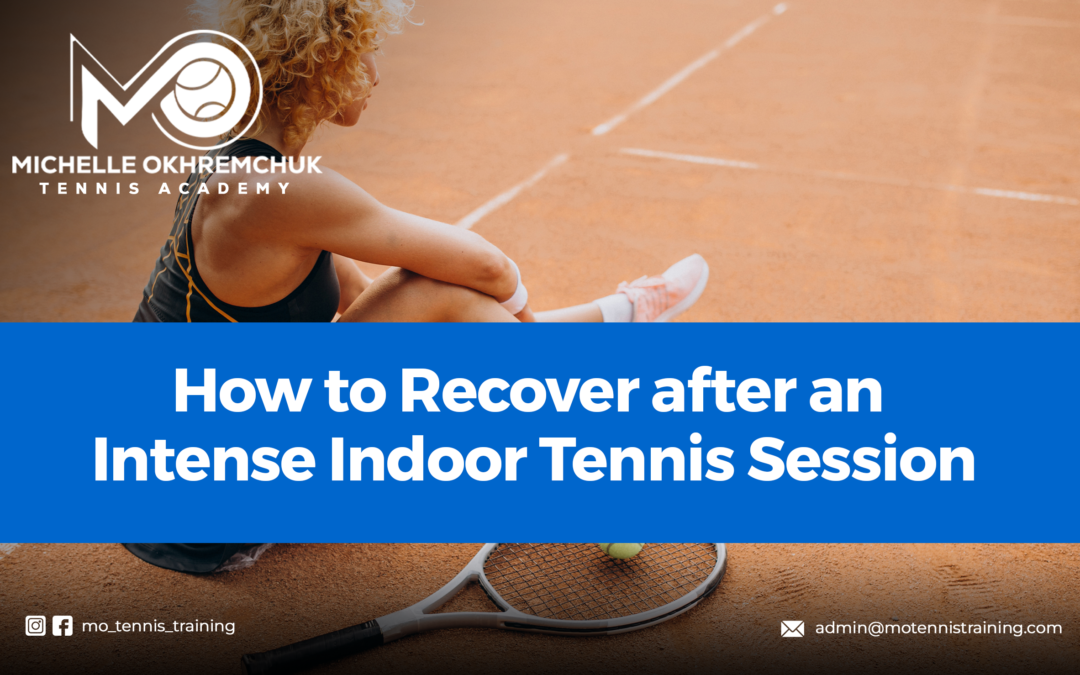
Credit: motennistraining.com
Nutrition And Hydration
Proper nutrition and hydration are key to recovering well after intense sports training. They help repair muscles and restore energy. Eating and drinking the right things speeds up recovery and prepares the body for the next session.
Post-training Meal Essentials
A good post-training meal should include proteins and carbohydrates. Protein helps rebuild muscle fibers broken during exercise. Carbohydrates refill the energy stored in muscles. Aim for lean meats, eggs, or dairy for protein. Include rice, pasta, or fruits for carbohydrates. Eating within 30 to 60 minutes after training is ideal. This timing boosts muscle recovery and energy restoration.
Hydration Strategies
Drinking water is crucial after intense training. Water replaces fluids lost through sweat. It helps the body cool down and supports muscle repair. Sports drinks can help if training lasts more than an hour. They replace electrolytes like sodium and potassium. Avoid sugary drinks that cause dehydration. Sip water regularly to maintain hydration levels.
Supplements For Recovery
Some supplements support faster recovery. Whey protein powder is a popular choice for muscle repair. Branched-chain amino acids (BCAAs) may reduce muscle soreness. Creatine helps restore energy in muscle cells. Always consult a healthcare provider before starting supplements. Natural food sources should come first in your diet.
Active Recovery Techniques
Active recovery helps your body heal after intense sports training. It keeps blood flowing and reduces muscle stiffness. This speeds up healing and lowers soreness. Active recovery includes light activities that do not tire you out. It supports muscles and joints without extra strain.
Low-intensity Exercises
Low-intensity exercises improve circulation and oxygen flow. Walking, swimming, or cycling at a slow pace work well. These activities move muscles gently and help clear toxins. They also prevent stiffness and keep your body flexible. Avoid high-impact moves that may cause more fatigue.
Stretching And Mobility
Stretching improves flexibility and reduces muscle tightness. Focus on slow, controlled stretches for major muscle groups. Mobility exercises help joints move smoothly and reduce injury risk. Stretch after low-intensity exercise to enhance muscle recovery. Hold each stretch for at least 20 seconds.
Foam Rolling Benefits
Foam rolling acts like a deep tissue massage. It breaks up muscle knots and increases blood flow. Rolling helps muscles relax and reduces soreness. Use a foam roller on tired muscles for 5 to 10 minutes. Roll slowly and focus on tight or sore areas.

Credit: sweat.com
Managing Muscle Soreness
Muscle soreness is common after intense sports training. It signals your muscles are healing and getting stronger. Managing this soreness helps you recover faster and feel better. Simple methods can ease pain and improve comfort. Here are effective ways to handle muscle soreness after tough workouts.
Cold And Heat Therapy
Cold therapy reduces swelling and numbs pain. Use ice packs on sore areas for 15-20 minutes. This helps right after training to calm inflammation. Heat therapy relaxes muscles and boosts blood flow. Apply a warm towel or heating pad for 20 minutes. Use heat a day or more after training to ease stiffness.
Massage And Myofascial Release
Massage soothes tight muscles and increases circulation. It helps break down knots and reduces tension. Myofascial release uses gentle pressure on muscle tissue. This technique loosens fascia, the tissue around muscles. Both methods improve flexibility and reduce soreness. You can do self-massage with foam rollers or see a professional.
Over-the-counter Remedies
Pain relievers like ibuprofen can reduce soreness and swelling. Follow the instructions on the label for safe use. Topical creams with menthol or capsaicin offer quick relief. These products cool or warm the skin, distracting from pain. Always check for allergies before using creams. Use medicines carefully and only when needed.
Mental Recovery Methods
Mental recovery is as important as physical rest after intense sports training. The mind needs time to relax and regain focus. Using mental recovery methods helps improve performance and prevent burnout. These methods reduce stress and increase calmness. They support faster healing and better preparation for the next session.
Mindfulness And Relaxation
Mindfulness means paying full attention to the present moment. It helps clear the mind of distracting thoughts. Simple breathing exercises calm the nervous system. Relaxation techniques like deep breathing or gentle stretching ease tension. These practices reduce anxiety and improve sleep quality. Regular mindfulness can boost mental strength and focus.
Visualization Techniques
Visualization means imagining success and smooth movements. Athletes picture themselves performing well during training or competition. This mental practice builds confidence and sharpens skills. It prepares the brain for real physical action. Visualization helps reduce fear and stress by creating positive mental images. It trains the mind to stay calm under pressure.
Stress Management
Stress affects both the body and mind after tough training. Managing stress helps maintain balance and energy. Simple steps include taking breaks, listening to music, or spending time in nature. Talking with friends or coaches can provide support. Learning to recognize stress signals prevents mental overload. Good stress management leads to quicker recovery and better focus.
Monitoring And Adjusting Training
Monitoring and adjusting training is essential for better recovery after intense sports sessions. It helps athletes avoid injuries and improve performance. Paying attention to the body’s signals guides smarter training decisions. This process keeps training effective and safe.
Tracking Recovery Progress
Track sleep quality, muscle soreness, and energy levels daily. Use a journal or app for easy recording. Note any pain or stiffness that lasts more than a day. Regular tracking shows if recovery is on track or needs change.
Recognizing Overtraining Signs
Watch for constant fatigue, mood changes, and poor sleep. A drop in performance can also signal overtraining. Frequent illness or injuries should raise concern. Early detection helps prevent long-term damage and burnout.
Modifying Workouts For Balance
Adjust workout intensity based on recovery status. Include rest days or light activities like walking or stretching. Mix strength training with cardio and flexibility exercises. Balanced training supports steady progress and reduces injury risk.

Credit: saltworld.in
Frequently Asked Questions
How Long Does Recovery Take After Intense Sports Training?
Recovery time varies by workout intensity but generally takes 24 to 72 hours. Rest, hydration, and nutrition speed up recovery. Adequate sleep is also crucial for muscle repair and energy restoration. Listening to your body helps prevent overtraining and injuries.
What Are The Best Foods For Post-training Recovery?
Consume protein-rich foods like lean meats, eggs, or plant proteins to repair muscles. Include carbohydrates such as fruits and whole grains to replenish glycogen stores. Hydrate well with water or electrolyte drinks to replace lost fluids and support overall recovery.
Should I Stretch After Intense Sports Training?
Yes, gentle stretching improves flexibility and reduces muscle stiffness. Focus on major muscle groups used during training. Avoid aggressive stretching immediately after intense workouts to prevent injury. Stretching promotes blood flow and aids in faster muscle recovery.
How Does Hydration Impact Recovery After Sports Training?
Hydration helps regulate body temperature and transports nutrients to muscles. It flushes out toxins and reduces muscle cramps. Drinking water or electrolyte-rich drinks post-training restores fluid balance. Staying hydrated enhances overall recovery and athletic performance.
Conclusion
Recovering well after hard sports training helps your body stay strong. Rest, good food, and hydration are key parts of recovery. Stretching and light movement reduce soreness and keep you flexible. Sleep gives your muscles time to heal and grow.
Listen to your body and take breaks when needed. Consistent recovery helps you perform better next time. Keep these habits to enjoy sports safely and improve steadily. Your body will thank you with better strength and less injury. Recovery is as important as training itself.

Brandon Knoxley is a sport & fitness writer and training guide contributor at MySportFitHub. He focuses on practical workouts, performance-based training, and honest fitness gear insights designed for real people and real results. Brandon is passionate about helping beginners and active individuals train smarter, avoid common mistakes, and build sustainable fitness habits.