How to Prepare Your Body for Sports Training: Expert Tips to Excel
Getting your body ready for sports training is the key to boosting your performance and avoiding injuries. Whether you’re just starting out or looking to improve, preparing your body properly can make a huge difference.
Imagine having more energy, better focus, and faster recovery after every session. This article will guide you step-by-step on how to get your muscles, mind, and nutrition on point. Keep reading to unlock simple, effective ways to train smarter and reach your goals faster.
Your best game starts here.
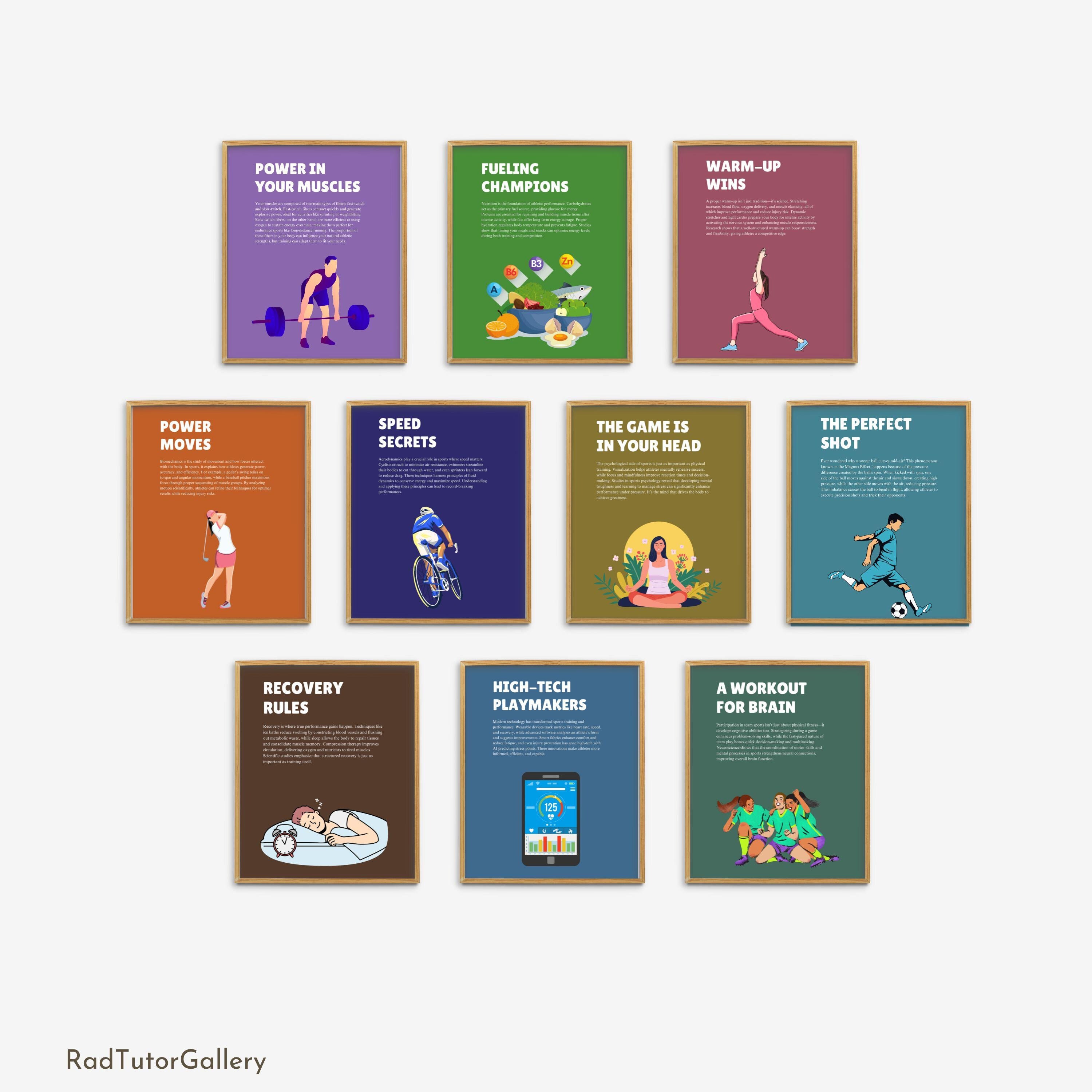
Credit: www.etsy.com
Pre-training Nutrition
Preparing your body with the right nutrition before sports training is essential. It fuels your muscles and keeps energy high. Proper nutrition helps improve focus and performance during exercise. Eating the right foods and drinking enough fluids sets a solid foundation for your workout.
Choosing The Right Foods
Pick foods that provide energy and are easy to digest. Carbohydrates like bread, rice, or fruits give quick energy. Include a small amount of protein like yogurt or nuts. Avoid heavy or greasy foods that cause discomfort. Fresh fruits and vegetables add vitamins and minerals needed for strength.
Hydration Strategies
Drink water before starting your training. Staying hydrated helps prevent cramps and fatigue. Sip water regularly, not just when thirsty. For longer sessions, consider drinks with electrolytes. Avoid sugary or caffeinated drinks that can dehydrate you.
Timing Your Meals
Eat your main pre-training meal about 2-3 hours before exercise. This allows time for digestion and energy absorption. Have a small snack 30-60 minutes before training if you feel hungry. Avoid eating large meals right before training. This prevents stomach upset and sluggishness.
Effective Warm-up Techniques
Preparing your body before sports training is important. Effective warm-up techniques help reduce injury risk and improve performance. They increase blood flow and prepare muscles for activity. Warming up also helps your mind get ready for exercise. Below are key warm-up methods to start your training right.
Dynamic Stretching
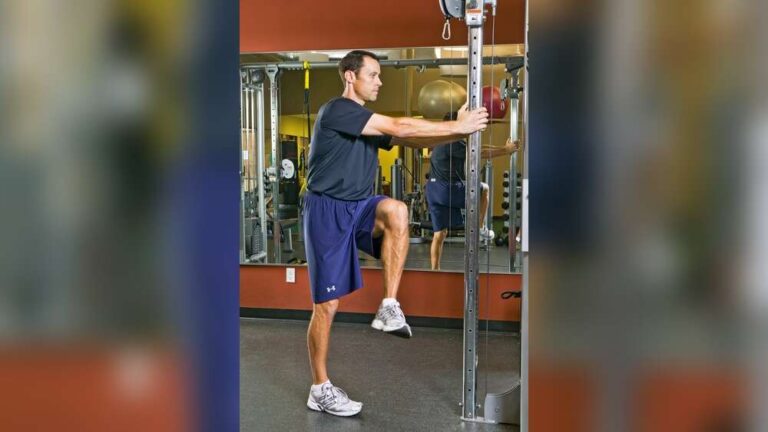
Dynamic stretching moves your muscles through a full range of motion. It warms muscles and improves flexibility. Examples include leg swings, arm circles, and walking lunges. These stretches boost blood flow and reduce stiffness. Perform each stretch smoothly without holding it too long.
Light Cardio Exercises
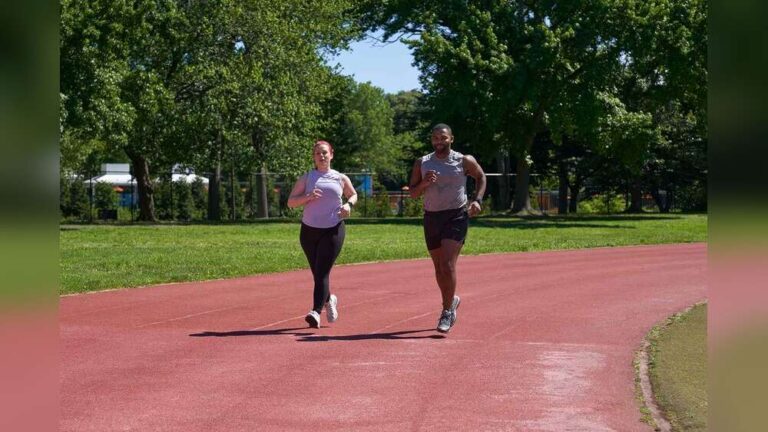
Light cardio raises your heart rate and body temperature. Jogging, jumping jacks, or cycling at a slow pace works well. This prepares your heart and lungs for more intense activity. Spend about 5 to 10 minutes on light cardio before training.
Joint Mobility Drills
Joint mobility drills focus on moving joints through their full range. They improve joint flexibility and reduce tightness. Try ankle circles, hip rotations, and shoulder rolls. These exercises help joints move smoothly and reduce injury risks.
Building Strength And Endurance
Building strength and endurance is key to excelling in sports training. Strong muscles help you perform better and avoid injuries. Endurance keeps you going longer without feeling tired. Both qualities work together to improve your overall fitness and sports skills.
Focus on exercises that develop muscle power and boost stamina. Training should challenge your body but allow time to recover. This balance helps your muscles grow and your heart get stronger. Consistent effort in these areas prepares your body for intense sports activities.
Resistance Training Tips
Use weights or resistance bands to build muscle strength. Start with light weights to avoid injury. Gradually increase weight as your muscles get stronger. Focus on major muscle groups like legs, back, and arms. Perform 2-3 sets of 8-12 reps for each exercise. Rest 30-60 seconds between sets. Maintain proper form to prevent strains. Resistance training improves power and muscle endurance.
Cardiovascular Conditioning
Cardio exercises strengthen your heart and lungs. Activities like running, cycling, or swimming work well. Start with 20 minutes of moderate effort. Increase duration or intensity over weeks. Aim for 3-5 sessions per week. Mix steady pace and interval training to build stamina. Good cardiovascular health supports longer and harder training.
Balancing Intensity And Recovery
Push yourself during workouts but avoid overtraining. Rest days let muscles repair and grow. Include light activities or stretching on recovery days. Sleep is crucial for muscle recovery and energy. Listen to your body for signs of fatigue or pain. Balance intense workouts with proper rest for best results.
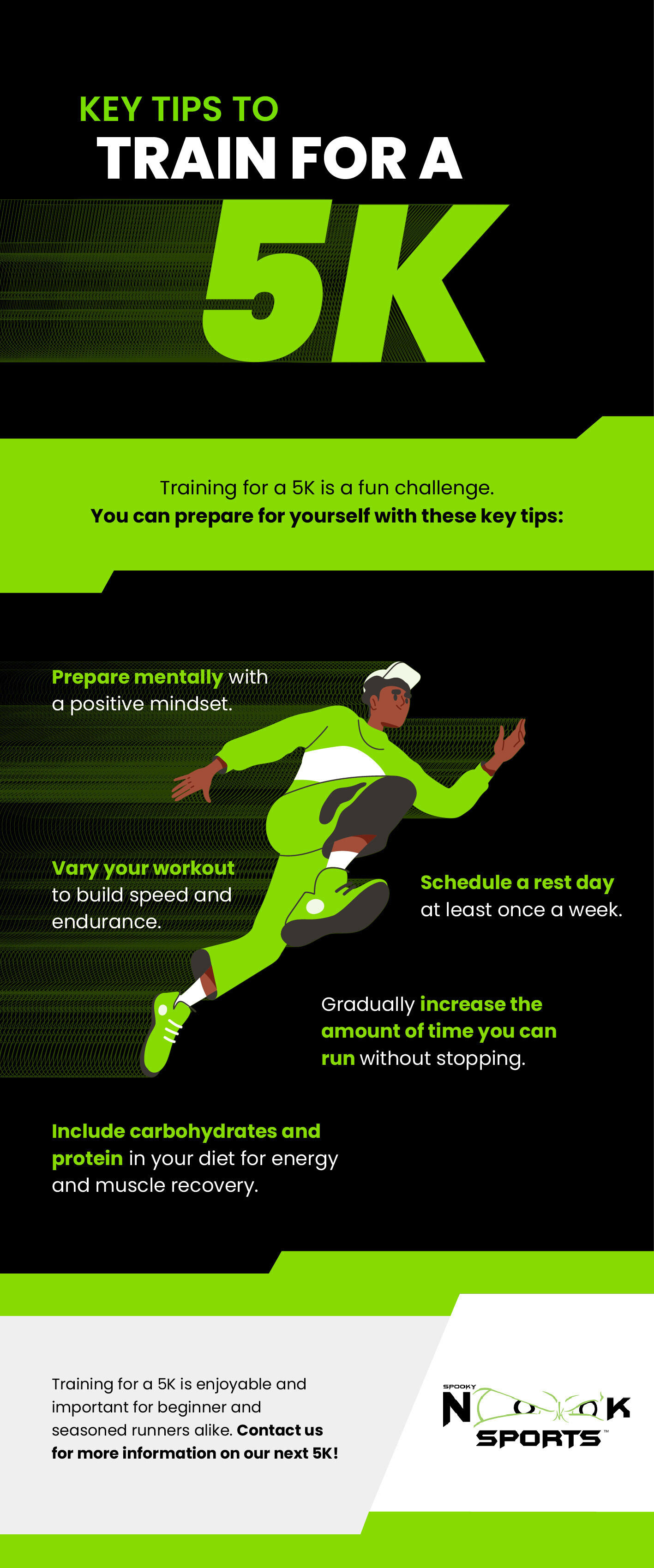
Credit: www.spookynooksports.com
Improving Flexibility
Improving flexibility plays a key role in sports training. It helps your muscles stretch and move freely. Flexible muscles reduce stiffness and improve your overall performance. Flexibility also helps your body recover faster after intense workouts. Training your body to be more flexible prepares it for the challenges of sports activities.
Stretching Routines
Stretching is the easiest way to improve flexibility. Spend five to ten minutes stretching before and after training. Focus on major muscle groups like legs, arms, and back. Use slow, steady movements. Avoid bouncing, which can cause injury. Regular stretching keeps muscles long and healthy. Try dynamic stretches before exercise to warm up. Use static stretches after training to cool down.
Incorporating Yoga
Yoga combines stretching with breathing and balance. It increases flexibility in a gentle, controlled way. Yoga also improves muscle strength and body awareness. Practice yoga two or three times a week. Choose poses that open your hips, shoulders, and spine. Yoga helps relax tight muscles and reduce stress. It supports better posture and movement during sports.
Preventing Injuries
Flexible muscles are less likely to get injured. Tight muscles can strain or tear during sudden movements. Stretching and yoga keep muscles soft and ready to move. Warm up properly before training to prepare your muscles. Cool down after exercise to prevent stiffness. Listen to your body and avoid overstretching. Proper flexibility training lowers the risk of sprains and strains.
Rest And Recovery
Rest and recovery are key to preparing your body for sports training. They help your muscles heal and grow stronger. Without rest, your body can get tired and injured. Recovery also improves your energy and focus. Taking time to rest makes training more effective and safer.
Importance Of Sleep
Sleep is the best way to recover. It helps repair muscle tissue and reduces soreness. Good sleep boosts your immune system and mood. Aim for 7 to 9 hours each night. Try to keep a regular sleep schedule. Avoid screens and caffeine before bedtime.
Active Recovery Methods
Active recovery means light exercise after hard training. It helps blood flow and removes waste from muscles. Walking, gentle cycling, or swimming work well. These activities reduce stiffness and speed healing. Keep the intensity low to avoid extra strain.
Using Massage And Foam Rolling
Massage and foam rolling relax tight muscles. They improve circulation and reduce muscle knots. Foam rolling is easy to do at home. Spend a few minutes on sore areas. Massage therapy can relieve tension and speed recovery. Both methods help you feel ready for the next session.
Mental Preparation
Mental preparation is key before starting any sports training. It helps athletes focus and stay calm. The mind controls how your body performs. Preparing mentally can boost confidence and reduce fear. This section covers simple ways to get your mind ready for sports.
Goal Setting
Setting clear goals guides your training efforts. Choose small, achievable targets first. This builds confidence and shows progress. Write your goals down and review them often. Goals keep you motivated and focused on the task. They give your practice a clear purpose.
Visualization Techniques
Visualization means imagining success in your mind. Picture yourself performing well and feeling strong. This trains your brain to expect good results. Spend a few minutes daily on this practice. It helps reduce nervousness and improves focus during training.
Stress Management
Stress can hurt your performance and cause mistakes. Learn simple breathing exercises to calm your mind. Taking deep breaths slows your heart and clears your thoughts. Practice relaxation techniques before and after training. Managing stress keeps your mind sharp and ready.
Monitoring Progress
Monitoring progress is key to preparing your body for sports training. It helps you see how well your training works. It also shows where you need to improve. Keeping track keeps you motivated and focused on your goals.
Tracking Performance
Record your workouts and results regularly. Note times, distances, weights, or reps. Use a journal or a simple app to log data. Tracking helps spot patterns and progress. It also identifies weak spots to target in training.
Adjusting Training Plans
Review your progress every few weeks. Change your exercises or intensity based on results. Add more rest if you feel tired or sore. Adjustments keep your body challenged and prevent injury. Stay flexible to improve steadily over time.
Seeking Professional Guidance
Consult a coach or trainer for expert advice. They can analyze your performance and suggest changes. Professionals help set realistic goals and proper techniques. Their guidance makes your training safer and more effective. Don’t hesitate to ask for help when needed.

Credit: ocsportsandwellness.com
Frequently Asked Questions
How Do I Warm Up Before Sports Training?
Warming up increases blood flow and loosens muscles. Perform light cardio and dynamic stretches for 5-10 minutes. This reduces injury risk and improves performance during training sessions.
What Should I Eat Before Sports Training?
Consume a balanced meal with carbs, protein, and healthy fats 1-2 hours before training. Hydrate well to maintain energy and focus throughout your workout.
How Much Water Should I Drink During Training?
Drink small amounts of water every 15-20 minutes during training. Aim for 7-10 ounces to stay hydrated and avoid cramps or fatigue.
Why Is Rest Important Before Sports Training?
Rest helps muscles recover and rebuild, preventing fatigue and injury. Ensure 7-9 hours of sleep nightly for optimal performance and mental focus.
Conclusion
Preparing your body well improves your sports training results. Warm-ups and stretching reduce injury risks. Eating healthy fuels your energy and strength. Rest and sleep help your muscles recover faster. Stay consistent and listen to your body’s signals. Small steps every day build your endurance and skill.
Remember, strong preparation leads to better performance. Keep practicing and enjoy your sports journey.

Brandon Knoxley is a sport & fitness writer and training guide contributor at MySportFitHub. He focuses on practical workouts, performance-based training, and honest fitness gear insights designed for real people and real results. Brandon is passionate about helping beginners and active individuals train smarter, avoid common mistakes, and build sustainable fitness habits.