How to Develop Speed for Sports Beginners: Proven Tips to Excel
Do you want to move faster on the field, court, or track? Speed is a game-changer in almost every sport.
Whether you’re just starting out or looking to improve, developing your speed can give you the edge you need. You’ll discover simple, effective ways to build your speed from the ground up. Ready to leave your competition behind and boost your athletic performance?
Keep reading to unlock the secrets that will help you run faster and feel stronger in your game.
Importance Of Speed In Sports
Speed is a key skill in many sports. It helps athletes move faster, react quicker, and perform better. Beginners who focus on speed can improve their overall game. Developing speed early builds a strong foundation for future progress.
Speed is not just about running fast. It includes quick changes in direction and fast muscle responses. These abilities give players an edge over opponents. Even in sports that do not seem fast-paced, speed matters a lot.
Benefits For Beginners
Beginners gain confidence by getting faster. Speed training improves coordination and balance. It also reduces the risk of injury by strengthening muscles. Faster movement helps beginners keep up with others. Learning speed skills early makes sports more fun and rewarding.
Impact On Performance
Speed affects many parts of sports performance. It helps players reach the ball or goal first. Quick reactions allow better defense and offense. Speed also increases endurance by improving efficiency. Better speed leads to better results in competitions.
Credit: www.issaonline.com
Foundational Fitness For Speed
Speed is not just about running fast. It starts with a strong body. Foundational fitness helps beginners build the base needed for quick movements. It prepares muscles and joints to work efficiently. This reduces injury risks and improves overall performance.
Developing speed requires focus on three key areas. Building strength, improving flexibility, and enhancing endurance. Each plays a vital role in making the body faster and more agile.
Building Strength
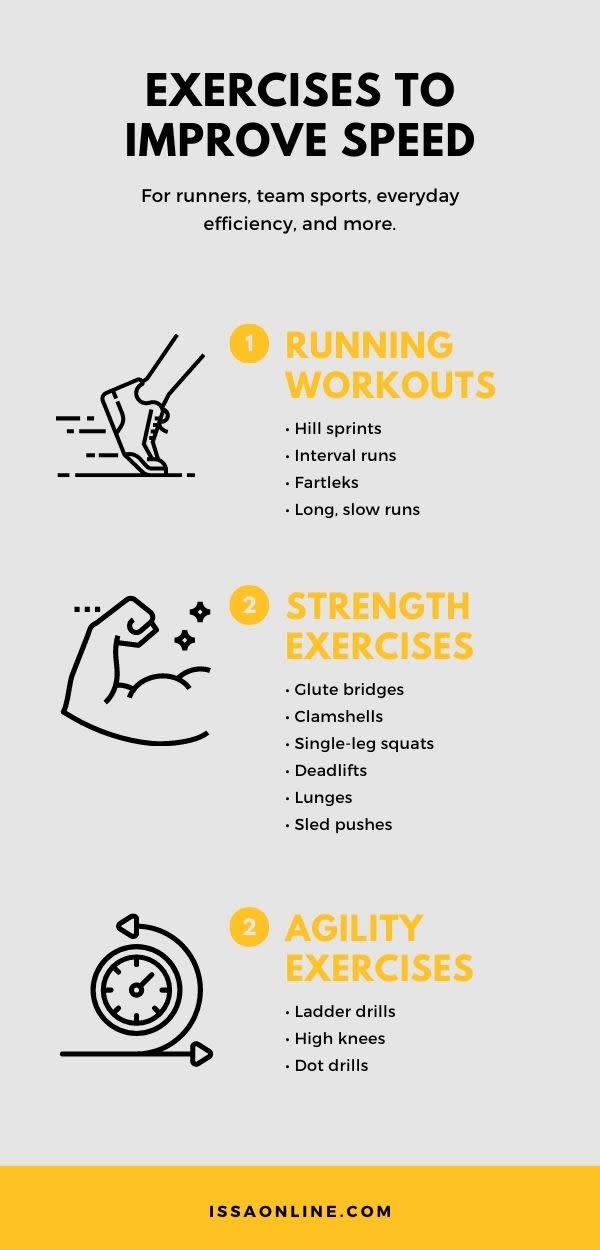
Strong muscles produce more power. This power helps push the body forward faster. Beginners should focus on exercises like squats, lunges, and calf raises. These strengthen the legs, hips, and core. A strong core stabilizes the body during fast movements. Use light weights or bodyweight to start safely. Increase intensity gradually to avoid injury.
Improving Flexibility
Flexible muscles move more freely. This freedom allows longer strides and quicker steps. Stretching daily helps increase flexibility. Focus on hamstrings, calves, and hip flexors. Dynamic stretches before workouts warm up muscles. Static stretches after workouts help muscles relax. Better flexibility reduces muscle tightness and risk of pulls.
Enhancing Endurance
Endurance keeps you moving fast longer. It trains the heart and lungs to supply oxygen efficiently. Begin with short runs or cycling sessions. Increase duration and intensity slowly. Interval training combines speed bursts with recovery periods. This method improves both speed and stamina. Good endurance means less fatigue during sports activities.
Speed Training Techniques
Speed training techniques help beginners improve quickness and power. These methods focus on building strength, agility, and endurance. Training the right way reduces injury risk and boosts performance. Start with easy exercises and increase intensity over time.
Sprint Drills
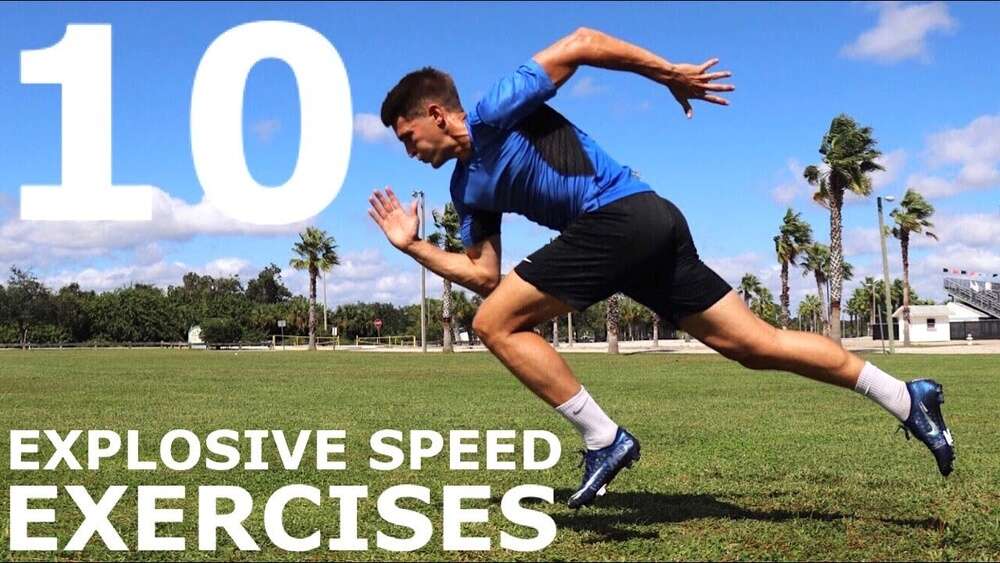
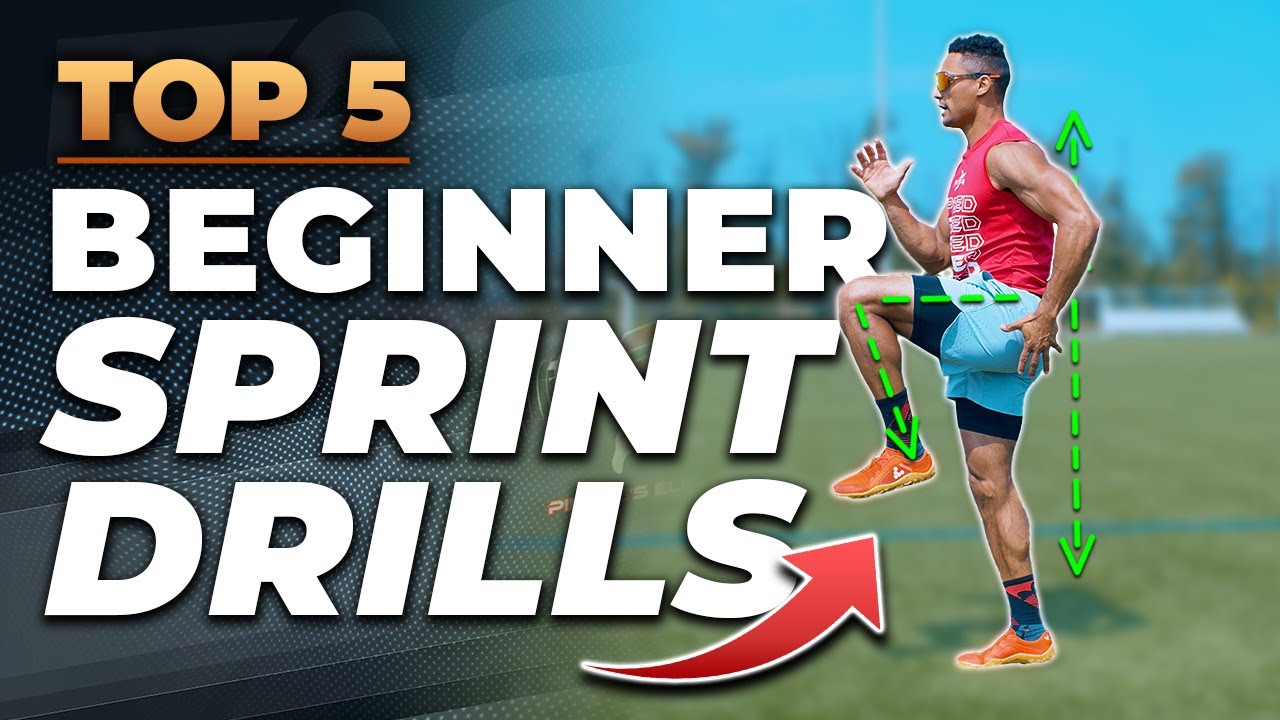
Sprint drills improve acceleration and running form. Short sprints of 10 to 30 meters work best. Practice staying low and driving your knees high. Keep your arms pumping fast and close to your body. Rest fully between sprints to keep speed strong.
Interval Training
Interval training mixes fast running with slow recovery. Run hard for 20 to 60 seconds, then walk or jog for the same time. Repeat this cycle 5 to 10 times. This method trains both speed and stamina. It also boosts your heart and lung strength.
Plyometric Exercises
Plyometric exercises build explosive power for quick movements. Try jump squats, box jumps, or bounding drills. These moves train your muscles to react fast. Perform 2 to 3 sets of 8 to 12 reps. Rest between sets to maintain high effort.
Proper Running Form
Proper running form is key to developing speed in sports. It helps your body move efficiently. Good form reduces injury risk and saves energy. Beginners should focus on posture, arm and leg movement, and breathing. These basics build a strong foundation for faster running.
Posture And Alignment
Stand tall with your head up and eyes forward. Keep your back straight, not hunched or leaning too far. Your shoulders should be relaxed and even. Avoid leaning forward from the waist. Align your hips over your feet for balance. This posture helps your body move smoothly.
Arm And Leg Movement
Move your arms naturally with a slight bend at the elbows. Swing your arms forward and backward, not across your body. Your hands should stay relaxed. Lift your knees to a comfortable height. Push off the ground with the balls of your feet. This motion creates speed and power.
Breathing Techniques
Breathe deeply through your nose and mouth. Use a steady rhythm that matches your steps. Avoid shallow breathing or holding your breath. Proper breathing delivers oxygen to your muscles. This keeps you energized and helps maintain speed.
Nutrition And Recovery
Speed is not just about training hard. Nutrition and recovery play a big role. Proper food and rest help your body move faster. Your muscles get stronger and heal better. This lets you run, jump, and sprint with more power. Beginners should focus on eating right and resting well.
Fueling For Speed
Your body needs fuel to go fast. Carbohydrates give you energy to run and train. Choose whole grains, fruits, and vegetables. Proteins help repair muscles after exercise. Include lean meats, beans, or nuts in meals. Drink plenty of water to stay hydrated. Avoid sugary snacks that cause energy crashes.
Rest And Sleep
Rest is when your body gets stronger. Sleep helps repair muscle damage and boosts energy. Aim for at least 7 to 9 hours of sleep each night. Take short breaks during training to avoid tiredness. Listen to your body and stop if you feel pain. Rest days are important for steady progress.
Injury Prevention
Speed training can cause injuries if you push too hard. Warm up before exercise with light jogging and stretching. Cool down after training to relax muscles. Use proper shoes that fit well. Avoid sudden increases in training intensity. If you feel pain, stop and rest. Preventing injuries keeps you training longer and faster.
Tracking Progress
Tracking progress is key to improving speed in sports. It helps you see how far you have come. It also shows what needs more work. Without tracking, training can feel like guessing. With clear records, you stay motivated and focused.
Setting Goals
Start by setting clear, simple goals. Goals give you a target to aim for. Choose goals that match your current level. For example, run a certain distance faster or improve your sprint time by a few seconds. Write your goals down. Check them often to stay on track.
Using Technology
Use tools like stopwatch apps or fitness trackers. These tools measure your speed and distance easily. Some apps show your progress over days or weeks. They provide numbers, charts, and feedback. This helps you understand your improvement better. No need for fancy devices; a simple timer works well too.
Adjusting Training Plans
Use your tracked data to change your training. If progress slows, try new exercises or increase intensity. If you improve quickly, set higher goals. Adjust your plan every few weeks. This keeps your workouts effective and interesting. Listening to your body is important too.
Common Mistakes To Avoid
Developing speed in sports takes time and care. Beginners often make mistakes that slow progress or cause injury. Knowing what to avoid helps keep training safe and effective. Focus on quality, not just quantity.
Overtraining
Training too much can harm your body. Muscles need rest to grow and get faster. Overtraining causes tiredness and soreness. It can lead to injury and burnout. Plan rest days and listen to your body’s signals.
Ignoring Warm-ups
Skipping warm-ups is a common error. Warm-ups prepare your muscles for fast movements. They reduce the risk of injury. A good warm-up lasts 5 to 10 minutes. Include light jogging and stretching before speed drills.
Poor Technique
Speed depends on how you move, not just how fast. Poor technique wastes energy and lowers speed. Focus on proper posture, arm movement, and foot placement. Practice drills slowly at first. Correct form builds a strong speed foundation.
Credit: www.youtube.com
Credit: skateraati.com
Frequently Asked Questions
What Are The Best Drills To Develop Speed For Beginners?
Begin with sprint drills, agility ladders, and resistance running. These improve muscle strength, coordination, and quickness essential for speed building.
How Often Should Beginners Train To Improve Speed?
Train 3-4 times weekly with rest days. Consistency and recovery are key for muscle growth and avoiding injury.
Can Flexibility Impact Speed Development In Sports?
Yes, flexibility enhances stride length and reduces injury risk. Stretch regularly before and after workouts to improve speed.
What Role Does Nutrition Play In Speed Improvement?
Proper nutrition fuels workouts and aids recovery. Eat balanced meals rich in protein, carbs, and healthy fats for optimal speed gains.
Conclusion
Developing speed takes time and consistent effort. Practice the drills daily and stay patient. Focus on good form and strong muscles. Rest and proper nutrition help your body recover. Track your progress to stay motivated. Speed improvement is possible for every beginner.
Keep pushing your limits step by step. Enjoy the process and celebrate small wins. Your speed will grow with steady work. Stay committed, and results will follow soon.

Brandon Knoxley is a sport & fitness writer and training guide contributor at MySportFitHub. He focuses on practical workouts, performance-based training, and honest fitness gear insights designed for real people and real results. Brandon is passionate about helping beginners and active individuals train smarter, avoid common mistakes, and build sustainable fitness habits.