
How to Increase Speed for Sports Beginners: Proven Training Tips
Are you ready to boost your speed and leave others behind on the field or track? Speed isn’t just for pros—any beginner can improve with the right approach.
Imagine sprinting faster, reacting quicker, and feeling more confident in your sports performance. This guide will show you simple, effective ways to increase your speed step by step. Keep reading, and you’ll discover easy tips that make a big difference in your game.
Your fastest self is closer than you think.
Basics Of Speed Training
Speed training is a key part of sports practice. It helps athletes move faster and react quickly. Beginners should start with simple exercises. These build a strong foundation for better speed. Understanding the basics helps improve performance safely and effectively.
Speed is not only about running fast. It includes quick movements, sharp turns, and fast reactions. Good speed training improves overall athletic ability. It makes players more confident and competitive on the field.
Importance Of Speed In Sports
Speed plays a crucial role in many sports. It helps players beat opponents and reach goals faster. Coaches value speed as it often decides the winner. Faster athletes can cover more ground in less time. Speed also reduces the chance of injury by improving control and balance.
Key Components Of Speed
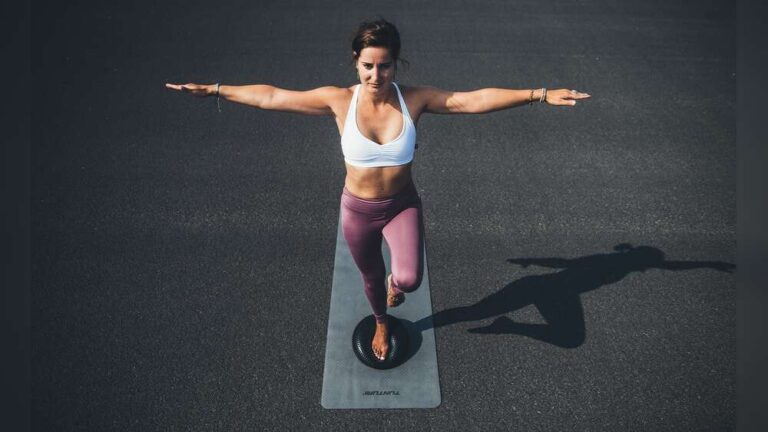
Speed depends on several important parts. Strength gives power to muscles for quick moves. Agility allows fast changes in direction. Coordination helps the body work smoothly and efficiently. Reaction time is how fast the brain sends signals to muscles. All these parts work together to create true speed.
Credit: clinicamedca.com
Warm-up Techniques
Warming up is key to increase speed for sports beginners. It prepares muscles and joints for intense activity. A good warm-up reduces injury risk and improves performance. Focus on techniques that boost blood flow and activate muscles. This makes your body ready to move fast and strong.
Dynamic Stretching Routines
Dynamic stretches involve moving parts of your body through a full range of motion. These stretches warm up muscles and improve flexibility. Examples include leg swings, arm circles, and walking lunges. Perform each stretch slowly at first, then increase speed. Do dynamic stretches for 5 to 10 minutes before training. This primes muscles for sprinting and quick movements.
Activation Exercises
Activation exercises wake up key muscle groups used in speed training. Focus on hips, glutes, and core muscles. Try exercises like glute bridges, high knees, and butt kicks. These movements improve muscle firing and coordination. Activate muscles with 2 sets of 10 to 15 reps each. This helps your body fire efficiently during fast runs.
Sprint Mechanics
Sprint mechanics are key for beginners to run faster. Proper technique helps reduce injury and improves speed. Small changes in your running style can make a big difference.
Focus on body position, arm movement, and leg action. These elements work together to create smooth and quick sprints. Practice each part slowly and with control.
Proper Running Form
Keep your head straight and eyes forward. Avoid looking down at your feet. Relax your shoulders to avoid stiffness. Your arms should bend at about 90 degrees. Swing them forward and backward, not across your body. Keep your chest up and lean slightly forward from the ankles. This position helps you push off the ground with power.
Foot Placement And Stride
Land on the balls of your feet, not your heels. This reduces impact and helps you push off faster. Keep your feet under your hips when you land. Avoid overstriding; it slows you down and risks injury. Take quick, light steps to maintain speed. Increase stride length only as your strength and control improve.
Credit: www.youtube.com
Strength Training For Speed
Strength training builds the power your body needs to move fast. It helps your muscles work harder and recover quicker. For beginners, focusing on key muscle groups improves overall speed. Strong muscles support quick, explosive movements essential in sports.
Core Exercises
The core stabilizes your body during fast movements. A strong core improves balance and coordination. Planks hold your body steady and engage many muscles at once. Sit-ups and leg raises target the front core muscles. Russian twists strengthen the sides, helping with twisting motions. These exercises build a solid foundation for speed.
Leg Strength Workouts
Leg strength is vital for fast running and quick starts. Squats work the thighs, hips, and glutes. Lunges improve balance and build muscle in each leg separately. Calf raises focus on the lower legs, which push off the ground. Step-ups mimic sprinting and improve power. Strong legs create more force to move faster.
Plyometric Exercises
Plyometric exercises help beginners increase speed and power fast. These exercises focus on quick, strong muscle movements. They improve your ability to move explosively, which is key in many sports.
Practicing plyometrics builds stronger muscles and better coordination. This helps athletes react faster and run quicker. Start slow to avoid injury and build your strength step by step.
Jump Training
Jump training is a core plyometric exercise. It involves jumping repeatedly with control and power. Squat jumps and box jumps are common types.
These jumps strengthen your legs and improve your balance. They train your muscles to push off the ground quickly. This leads to faster starts and better speed on the field.
Explosive Movements
Explosive movements focus on speed and power in short bursts. Examples include jump squats and bounding.
These moves teach your body to use energy quickly. They improve your reaction time and help you move faster.
Practice these exercises with good form. Rest between sets to keep your muscles fresh and avoid injury.
Speed Drills For Beginners
Speed drills help beginners improve quickness and build confidence. They focus on technique and muscle power. Practicing these drills regularly can boost overall speed and agility.
Start slowly. Pay attention to form. Speed will come with practice and effort.
Acceleration Drills
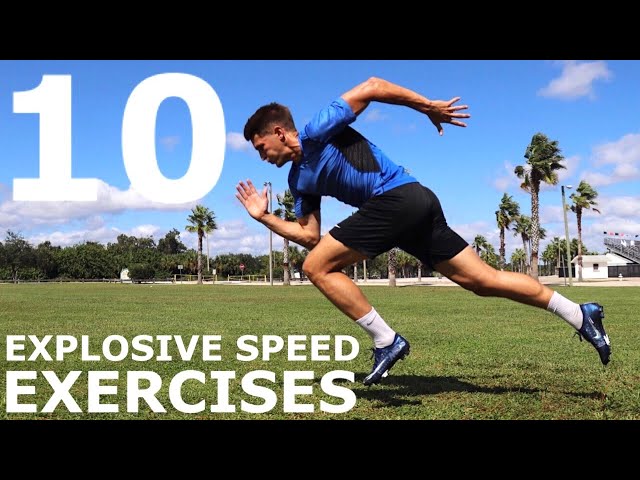
Acceleration drills train your body to start fast from a stop. Begin in a low squat position. Push hard with your legs to explode forward. Run 10 to 20 meters at full effort. Walk back to rest. Repeat five to six times. This drill helps improve your first steps and quick starts.
Interval Sprints
Interval sprints build speed and endurance. Sprint at maximum speed for 20 to 30 seconds. Then walk or jog for one to two minutes. Repeat this cycle four to six times. This method trains your body to recover quickly. It also increases your ability to sprint multiple times during a game or race.
Recovery And Injury Prevention
Recovery and injury prevention are key to improving speed safely. Without proper care, the body can get tired or hurt. This slows progress and causes setbacks. Taking time to recover helps muscles heal and grow stronger. It also lowers the chance of injury.
Good recovery habits let beginners train harder and faster over time. Preventing injuries means staying consistent with practice. The right rest and mobility routines support speed gains effectively.
Rest Strategies
Rest is not just about stopping exercise. It means giving muscles time to repair and rebuild. Beginners should plan rest days in their training schedule. Sleep is also vital. Aim for 7 to 9 hours of good sleep every night. This helps the body recover fully.
Short breaks during workouts can reduce fatigue. Use them to catch your breath and relax muscles. Avoid overtraining, as it can cause pain or injury. Listen to your body. Rest more if you feel soreness or extreme tiredness.
Stretching And Mobility
Stretching improves flexibility and blood flow. This helps muscles recover faster and stay healthy. Focus on dynamic stretches before workouts. These prepare the body for movement and speed.
After exercise, use static stretches to relax muscles. Include stretches for hips, hamstrings, calves, and quads. Mobility exercises keep joints flexible and reduce stiffness. Simple moves like leg swings or hip circles help maintain good range of motion.
Regular stretching lowers injury risk by reducing muscle tightness. It also improves running form and overall speed.

Credit: www.ebay.com
Tracking Progress
Tracking progress is key for beginners who want to increase their speed in sports. It helps you see how much you improve over time. Without tracking, it is hard to know what works and what needs change. Keeping a record also keeps you motivated and focused on your goals.
Timing Methods
Use simple timing tools like a stopwatch or phone timer. These tools help measure your speed in seconds. Record your time for each run or drill. Compare times after each session to see if you are faster. Video recordings can also help spot areas for improvement.
Setting Realistic Goals
Set small, clear goals for each week or month. For example, aim to reduce your time by a few seconds. Make sure goals are possible to reach. Realistic goals keep you encouraged and prevent frustration. Write your goals down and check them regularly.
Frequently Asked Questions
How Can Beginners Improve Their Running Speed Effectively?
Beginners can improve running speed by incorporating interval training and proper warm-ups. Focus on consistency and gradual progress. Strengthening leg muscles also enhances speed. Rest and recovery are crucial to avoid injuries and improve performance.
What Exercises Increase Speed For Sports Beginners?
Sprint drills, plyometrics, and resistance training help increase speed. These exercises build explosive power and muscle strength. Incorporate agility drills to improve coordination. Always start with a proper warm-up to prevent injuries.
How Important Is Proper Technique For Increasing Speed?
Proper technique is vital to maximize speed and efficiency. It reduces energy waste and injury risk. Focus on posture, arm movement, and stride length. Beginners should practice technique regularly to build good habits.
Can Nutrition Affect Speed Improvement In Beginners?
Yes, nutrition plays a key role in speed improvement. Eating balanced meals with protein and carbs fuels muscles. Hydration supports endurance and recovery. Avoid processed foods to maintain optimal energy levels during training.
Conclusion
Improving speed takes time and regular practice. Start with simple drills and focus on good form. Consistency helps your body get faster and stronger. Rest and proper nutrition support your training efforts. Track your progress to stay motivated and see results.
Remember, patience is key to steady improvement. Keep pushing yourself, but listen to your body too. Speed grows step by step with hard work and care. Stay active, stay focused, and enjoy the journey.

Brandon Knoxley is a sport & fitness writer and training guide contributor at MySportFitHub. He focuses on practical workouts, performance-based training, and honest fitness gear insights designed for real people and real results. Brandon is passionate about helping beginners and active individuals train smarter, avoid common mistakes, and build sustainable fitness habits.