How to Avoid Common Beginner Workout Mistakes: Ultimate Guide
Starting a new workout routine can be exciting, but it’s easy to make mistakes that slow your progress or even cause injury. If you want to get the best results and stay motivated, you need to know what to avoid from the start.
You’ll discover the most common beginner workout mistakes and simple ways to fix them. By learning these tips, you’ll save time, protect your body, and feel more confident every time you exercise. Keep reading—your future self will thank you.
Choosing The Right Exercises
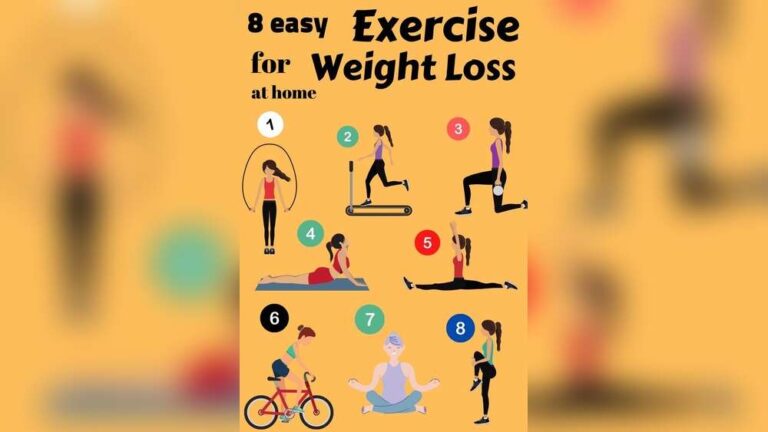
Choosing the right exercises is key for any beginner. It helps build good habits and avoids injury. Picking exercises that fit your fitness level keeps workouts fun and effective. Simple choices lead to steady progress. Focus on moves that suit your goals and body. This section explains how to balance cardio and strength exercises. It also covers why avoiding overly complex moves matters.
Balancing Cardio And Strength
Both cardio and strength workouts are important. Cardio improves heart health and burns calories. Strength training builds muscle and boosts metabolism. A mix helps your body work better overall. Beginners should aim for moderate cardio sessions. Include strength exercises two to three times a week. This balance prevents burnout and supports steady gains. Start small and increase time or weight slowly.
Avoiding Overly Complex Moves
Complex exercises can confuse beginners and cause injury. Moves with many steps are hard to do right. Focus on simple, clear exercises first. Basic squats, push-ups, and walking are great examples. Master these before trying advanced moves. Simple exercises build strength and confidence. They make workouts safer and more effective. Always prioritize form over speed or weight.
Credit: redefiningstrength.com
Setting Realistic Goals
Setting realistic goals is the first step to success in any workout plan. Goals keep you focused and motivated. They help you measure progress and stay on track. Unrealistic goals cause frustration and may lead to giving up. Realistic goals fit your current fitness level and lifestyle. They grow with you as you improve. Start small and build from there. Clear, manageable goals make the journey enjoyable and effective.
Short-term Vs Long-term Targets
Short-term targets are goals you can reach soon. They might include working out three times a week or running for 10 minutes without stopping. These goals give quick wins and boost confidence. Long-term targets take more time, like losing 20 pounds or running a 5K race. Both types matter. Short-term goals keep you moving, while long-term goals show your overall direction. Balance both for steady progress.
Tracking Progress Effectively
Tracking progress helps you see your improvements clearly. Use a notebook, app, or calendar to record workouts. Note exercises, sets, reps, and how you feel. Review your records weekly. Celebrate small wins and adjust goals if needed. Tracking stops you from losing focus. It also reveals patterns and areas to improve. Consistency in tracking builds motivation and awareness.
Proper Form And Technique
Proper form and technique are key to safe and effective workouts. They help prevent injuries and make exercises more effective. Beginners often overlook this, which can slow progress and cause pain. Learning the right way to move builds a strong foundation for fitness.
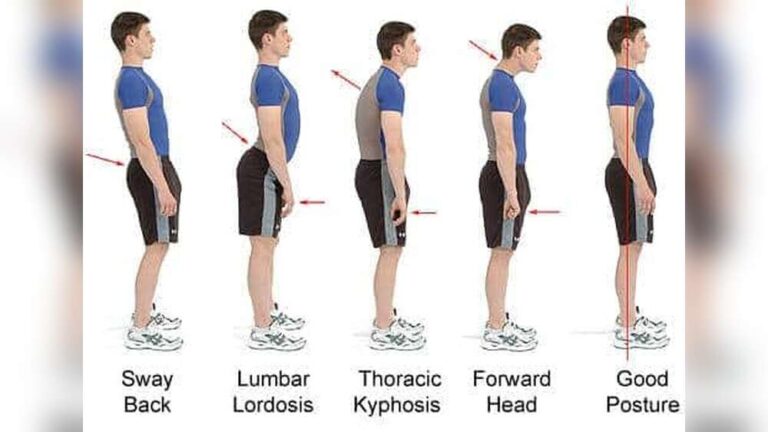
Focus on how your body moves during each exercise. Small mistakes can lead to big problems. Training with correct form improves muscle use and balance. It also helps you get the most from every workout.
Common Form Errors
Many beginners round their backs during lifts. This puts strain on the spine and can cause injury. Another mistake is locking joints, like knees or elbows, which limits movement and stresses the body. Many also use too much weight too soon, leading to poor form. Moving too fast is a common error, reducing control and increasing risk. Paying attention to these errors helps build better habits.
Using Mirrors And Feedback
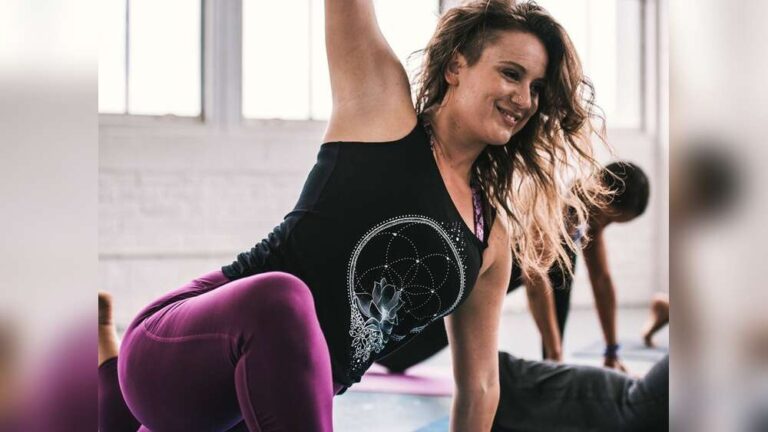
Mirrors help check your posture and alignment. Watching yourself allows quick corrections before bad habits form. They show if your body stays balanced through movements. Asking a trainer or workout partner for feedback is valuable. They notice mistakes you might miss. Video recordings also help review form after workouts. Using these tools guides steady improvement and safer exercise.

Credit: blog.myfitnesspal.com
Avoiding Overtraining
Overtraining is a common mistake beginners make during workouts. It happens when the body does not get enough time to recover. This can lead to injury, fatigue, and poor progress. Learning to avoid overtraining helps keep your workouts safe and effective. It also makes exercising more enjoyable over time.
Recognizing Signs Of Burnout
Burnout shows up in different ways. You may feel tired all the time or lose interest in exercise. Muscle soreness that lasts for days is another sign. Sometimes, sleep becomes difficult or appetite changes. Pay attention to mood swings and lack of energy. These signals mean the body needs a break.
Importance Of Rest Days
Rest days are vital for muscle repair and growth. They allow your body to heal from workout stress. Skipping rest can cause injuries and reduce strength gains. On rest days, focus on light activities like walking or stretching. Rest helps you return to exercise feeling strong and ready.
Nutrition For Beginners
Nutrition plays a key role in every beginner’s workout journey. Eating the right foods helps build strength and improve energy. Without proper nutrition, workouts can feel harder and results may come slower.
Good nutrition supports muscle recovery and keeps the body healthy. Learning how to fuel your body well can make exercise more enjoyable and effective. Even small changes in diet can lead to big improvements.
Fueling Workouts Properly
Eat balanced meals before and after exercise. Include carbs for energy and protein to repair muscles. Avoid heavy meals right before workouts to prevent discomfort. Snack on fruits or nuts if you feel hungry. Timing meals helps maintain energy and focus.
Hydration Tips
Drink water throughout the day, not just during exercise. Staying hydrated prevents tiredness and cramps. Sip water before, during, and after workouts. Avoid sugary drinks that can cause energy crashes. Keep a water bottle nearby to remind yourself to drink.
Creating A Consistent Routine
Creating a consistent workout routine helps build good habits. It makes exercise a regular part of life. Consistency improves fitness and helps avoid injuries. A steady plan keeps progress steady and motivation high.
Scheduling Workouts
Pick specific days and times for workouts. Treat these times like important appointments. Write them down or set reminders on your phone. Choose times that fit your daily life and energy levels. Consistent timing helps make exercise a habit. Avoid skipping workouts by planning them ahead.
Staying Motivated Long-term
Set clear, small goals to track progress. Celebrate each achievement to stay positive. Find exercises you enjoy doing. Mix different activities to keep workouts fun. Join a group or find a workout partner. Support helps keep motivation high. Remember, progress takes time. Keep going, even on tough days.
Using Equipment Safely
Using equipment safely is key for every beginner in the gym. It helps avoid injuries and builds confidence. Knowing how to handle gear correctly makes workouts more effective. Start with the right tools and learn how to use them well.
Choosing Appropriate Gear
Select gear that fits your body size and workout style. Shoes should provide good support and grip. Clothes must allow free movement and absorb sweat. Use gloves or wrist wraps for extra grip or protection. Avoid worn-out equipment that can cause slips or accidents.
Preventing Injuries
Always check equipment before use. Look for loose parts or damage. Follow instructions or ask for help if unsure. Start with light weights to learn form and control. Use safety clips or locks on bars to keep weights secure. Take breaks and listen to your body’s signals.

Credit: trainest.com
Seeking Professional Guidance
Starting a workout routine can be exciting but confusing. Seeking professional guidance helps beginners avoid common mistakes. Experts give advice tailored to your body and goals. This guidance improves your results and keeps you safe.
When To Hire A Trainer
Hire a trainer if you feel lost about exercises. They teach the correct form and technique. Trainers create a plan that fits your needs. They also motivate you to keep going. If you have health issues, a trainer can adjust workouts safely. Beginners benefit from expert help to start strong.
Utilizing Online Resources
Online resources offer many free or low-cost workout tips. Videos show how to perform exercises properly. Look for trusted sites with clear instructions. Follow beginner programs designed by fitness professionals. Use apps to track your progress and stay motivated. Be careful to avoid advice from unqualified sources.
Frequently Asked Questions
What Are Common Beginner Workout Mistakes To Avoid?
Common mistakes include poor form, skipping warm-ups, overtraining, and ignoring rest days. These errors can cause injuries and hinder progress. Focus on proper technique, gradual intensity increase, and balanced routines for safe workouts.
How Can Beginners Prevent Injury During Workouts?
Warm up properly, use correct form, start with light weights, and avoid sudden intensity jumps. Listen to your body and rest when needed. Proper preparation and gradual progression reduce injury risks.
Why Is Rest Important For Beginner Workouts?
Rest allows muscles to recover and grow stronger. It prevents burnout and reduces injury risks. Beginners should include rest days in their routine for optimal progress and overall health.
How Does Improper Form Affect Workout Results?
Poor form limits exercise effectiveness and increases injury risk. It can cause muscle imbalances and joint pain. Learning correct techniques ensures better results and safer workouts.
Conclusion
Avoid common beginner workout mistakes to stay safe and make progress. Start slow and listen to your body. Focus on good form, not heavy weights. Take rest days to help muscles recover. Drink water and eat healthy for energy. Keep a positive mindset and stay consistent.
Small steps lead to better fitness over time. Enjoy your workout journey and keep learning. This helps build healthy habits that last.

Brandon Knoxley is a sport & fitness writer and training guide contributor at MySportFitHub. He focuses on practical workouts, performance-based training, and honest fitness gear insights designed for real people and real results. Brandon is passionate about helping beginners and active individuals train smarter, avoid common mistakes, and build sustainable fitness habits.