How to Eat before Workouts for Beginners: Ultimate Guide to Fuel Up
Are you unsure about what to eat before your workouts? Getting your pre-workout meal right can make a huge difference in how much energy you have and how well you perform.
Eating the wrong foods or skipping a meal might leave you feeling tired or sluggish. But don’t worry—this guide will help you understand exactly what and when to eat before exercising. By the end, you’ll know how to fuel your body properly to get the most out of every workout.
Keep reading, and discover simple tips that can boost your energy and improve your results!
Importance Of Pre-workout Nutrition
Eating the right food before exercise helps your body perform well. It gives you energy and stops you from feeling tired too soon. Pre-workout nutrition also helps your muscles work better and recover faster. For beginners, knowing what and when to eat makes workouts easier and more effective.
What Does Pre-workout Nutrition Do?
Pre-workout nutrition provides fuel for your muscles. It keeps your blood sugar steady, so you feel strong during exercise. Without proper food, your body may feel weak or dizzy. Eating before workouts helps you stay focused and motivated.
Best Nutrients To Eat Before Exercise
Carbohydrates are the main energy source for your body. They break down quickly into sugar for fuel. Protein helps protect your muscles and supports repair. Small amounts of healthy fat can also be helpful but avoid heavy fats before workouts.
Eat a balanced meal one to three hours before exercise. This gives your body time to digest food. If you eat too close to your workout, you may feel uncomfortable. A small snack 30 minutes before can boost energy without causing heaviness.
Best Foods To Eat Before Exercise
Choosing the right foods before exercise can boost your workout. Eating the best foods gives your body fuel and helps your muscles work well. It also keeps your energy steady and helps you feel good during exercise.
Knowing what to eat helps beginners avoid feeling tired or weak. Simple, healthy foods can make a big difference in your performance. Let’s look at the best types of foods to eat before exercise.
Carbohydrates For Energy
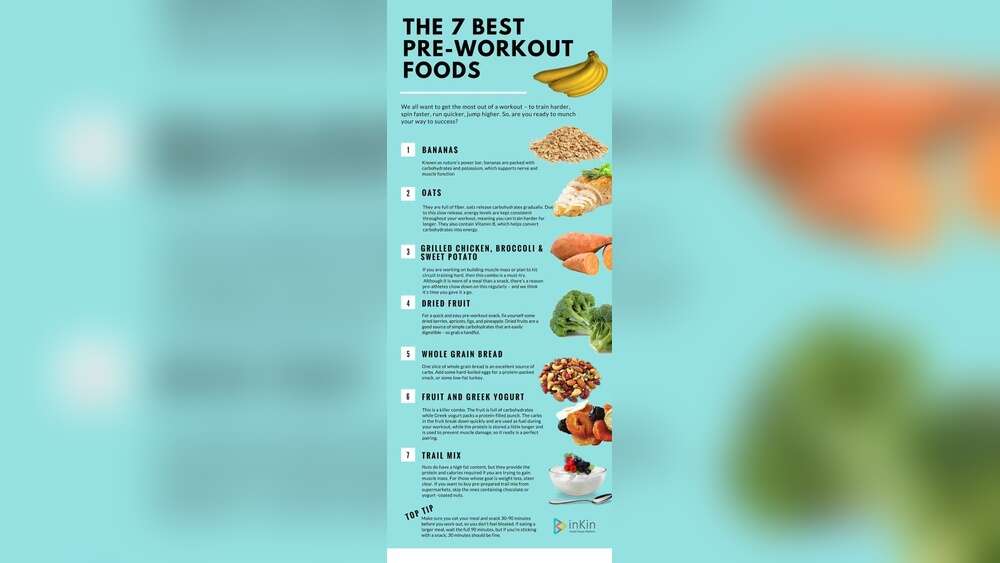
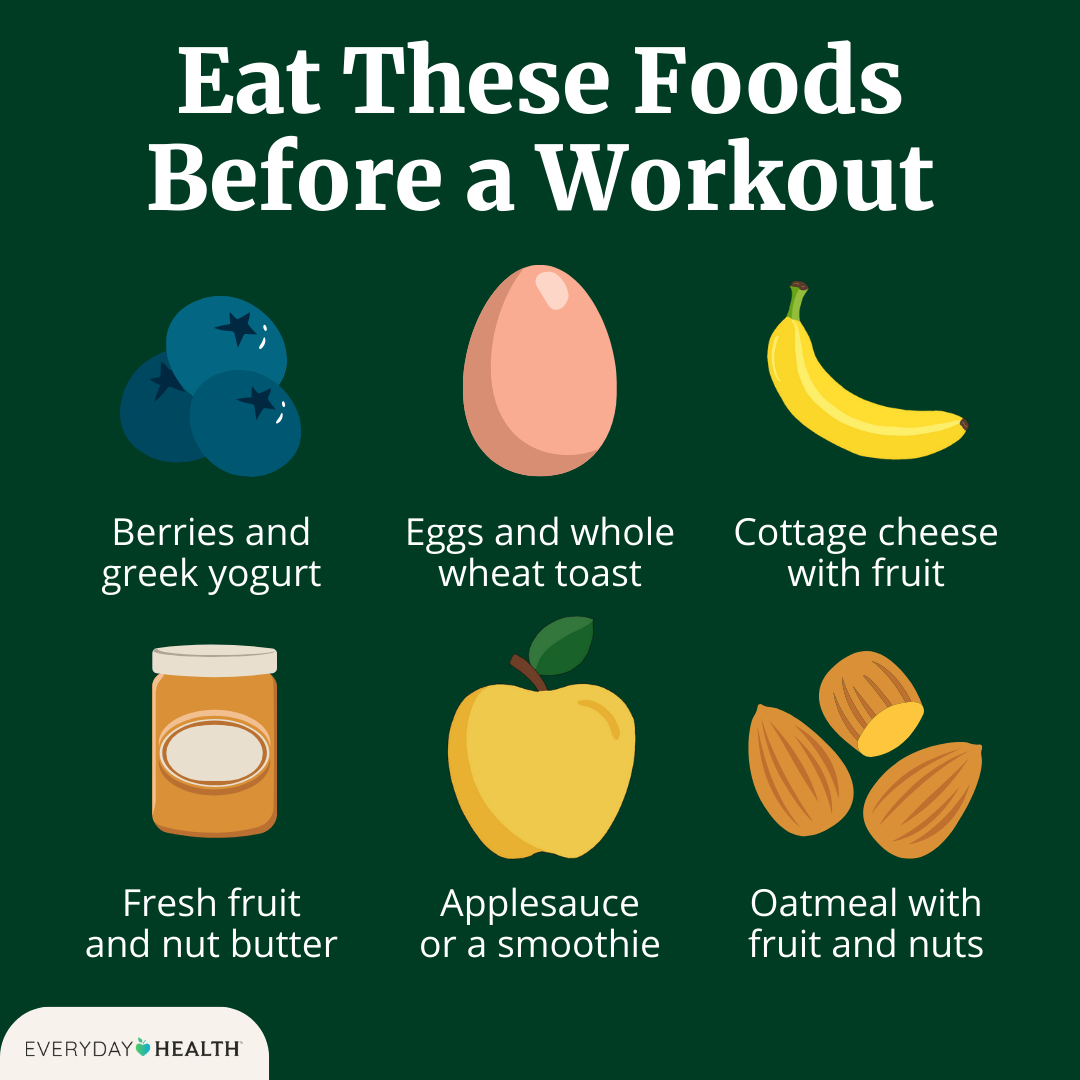
Carbohydrates are the main fuel for your body. Eating carbs before exercise gives you quick energy. Good options include bananas, oatmeal, and whole grain bread. These foods break down into sugar that your muscles use fast.
A small portion of carbs helps keep your energy steady. Avoid heavy meals with too many carbs. They may make you feel slow or tired.
Proteins For Muscle Support
Protein helps repair and build muscles. Eating some protein before exercise supports muscle strength. Try yogurt, eggs, or a small amount of nuts. These foods provide amino acids your body needs during workouts.
Protein also helps you recover faster after exercise. Avoid eating too much protein before workouts. It can make digestion slow and cause discomfort.
Healthy Fats And Hydration
Healthy fats provide long-lasting energy for your body. Include small amounts of nuts, seeds, or avocado. These fats help keep your energy steady over time. Avoid heavy, greasy fats before exercise.
Water is very important to stay hydrated. Drink water before and during your workout. Proper hydration helps your body work better and prevents cramps.
Timing Your Pre-workout Meal
Timing your pre-workout meal helps you feel energized and strong during exercise. Eating the right amount of food at the right time fuels your muscles. It also helps avoid discomfort like cramps or sluggishness. Understanding when to eat before workouts is key for beginners. This guide shows how to plan meals and snacks around your workout time.
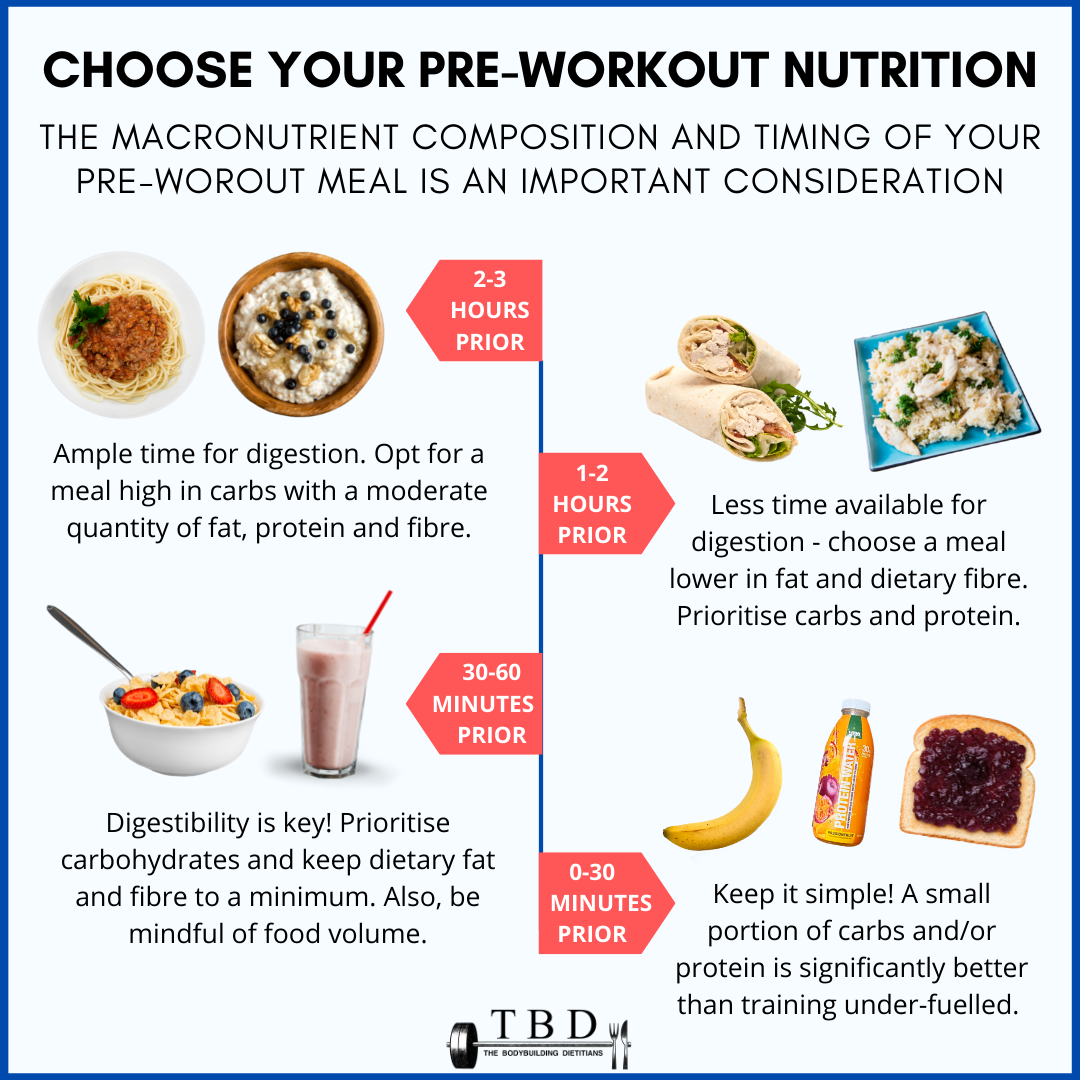
Eating 2-3 Hours Before
Eating a full meal 2 to 3 hours before exercise gives your body time to digest. Choose foods with carbohydrates, protein, and some healthy fats. This mix supplies steady energy and supports muscle repair. Good options include a chicken sandwich, oatmeal with fruit, or a rice bowl with vegetables. Avoid heavy, greasy foods to prevent stomach upset. Drink water with your meal to stay hydrated.
Snacking 30-60 Minutes Prior
A small snack 30 to 60 minutes before your workout boosts energy quickly. Pick easy-to-digest foods with mainly carbohydrates and a little protein. Examples are a banana, yogurt, or a small granola bar. Keep the snack light to avoid feeling full or bloated. Drinking water or a sports drink can help maintain hydration. This quick fuel helps you start your workout strong and focused.
:max_bytes(150000):strip_icc()/pre-workout-meals-and-snacks-4135417-ADD-Color-V2-FINAL2-b010d4314f7c4034baf22b21854e7ef3.jpg)
Credit: www.verywellfit.com
Portion Sizes And Meal Balance
Eating the right amount and balance before workouts helps you perform better. Portion sizes matter to avoid feeling too full or hungry. Meal balance fuels your body with energy and supports muscle work.
Choosing the right portions and nutrients improves stamina and focus. It also helps prevent cramps and tiredness during exercise. Beginners should pay attention to how much and what to eat before moving.
Understanding Portion Sizes For Pre-workout Meals
Portion size depends on the time before your workout. Eat smaller portions if you have less than an hour. Larger portions suit meals eaten two to three hours earlier. Keep meals light to avoid discomfort while training.
Balance the amount of carbs, protein, and fats in each portion. Carbs give quick energy. Protein supports muscle repair. Fats provide lasting fuel but digest slower. Adjust portions based on your workout intensity and duration.
Creating A Balanced Meal
A balanced pre-workout meal includes carbohydrates, protein, and some fat. Carbohydrates like rice, bread, or fruit give energy fast. Protein from eggs, yogurt, or chicken helps keep muscles strong. Include small amounts of healthy fats like nuts or avocado.
Avoid heavy, greasy foods that slow digestion. Drink water to stay hydrated but avoid too much liquid before exercise. Timing your meal and balance helps your body get ready to move.
Foods To Avoid Before Workouts
Choosing the right food before a workout is very important. Some foods can make you feel tired or sick. Avoiding certain foods helps you stay strong and energized. Here are some foods you should not eat before exercising.
High-fat Foods
Foods with a lot of fat take longer to digest. This can cause stomach pain during your workout. Fried foods and heavy sauces are examples to avoid. They slow your body down and make you feel sluggish.
Spicy Foods
Spicy foods may upset your stomach. They can cause heartburn or indigestion while you exercise. It is best to skip spicy meals before working out. Your body needs to focus on exercise, not on digestion issues.
High-fiber Foods
Foods high in fiber can cause gas and bloating. Beans, broccoli, and whole grains fall into this group. Eating these before a workout might make you uncomfortable. Choose easier-to-digest options instead.
Sugary Snacks And Drinks
Sugary foods give a quick energy spike. This spike is often followed by a crash. Energy crashes reduce your performance during exercise. Avoid candy, soda, and sweetened drinks before workouts.
Carbonated Drinks
Carbonated drinks cause gas and bloating. This can make exercise painful or uncomfortable. Stick to water or non-carbonated drinks before your workout. Staying hydrated is important, but avoid bubbles.
Credit: www.nextgen-itsolution.com
Sample Pre-workout Meals And Snacks
Eating the right food before a workout can boost your energy and improve performance. Choosing the right meal or snack helps fuel your body without causing discomfort. It is important to pick foods that digest easily and provide lasting energy. Below are some sample meals and snacks you can try before exercising.
Quick And Easy Options
Bananas are a perfect quick snack before a workout. They provide natural sugars and potassium. A small bowl of oatmeal with honey offers slow energy release. Greek yogurt with a few berries gives protein and carbs. A slice of whole-grain bread with peanut butter combines fiber and healthy fats. These options take little time to prepare and digest well.
Meals For Different Workout Types
For strength training, focus on protein and carbs. Grilled chicken with brown rice and vegetables works well. A turkey sandwich on whole-grain bread is also good. For cardio workouts, choose lighter meals with easy energy. A smoothie made with fruit and low-fat milk is ideal. For yoga or stretching, eat something light like fruit or nuts. Matching meals to your workout type helps improve your results.
Adjusting Nutrition For Workout Goals
Adjusting your nutrition based on workout goals helps you get better results. Different goals need different foods and timing. Eating the right nutrients before exercise gives your body energy and supports your efforts. Understanding how to fuel your body can improve your workout and help you reach your goals faster.
Fueling For Fat Loss
Choose foods low in calories but rich in nutrients. Focus on lean protein and vegetables. Avoid heavy, fatty meals before workouts. Eat a small snack with protein and fiber 30-60 minutes before exercise. This helps control hunger and keeps energy steady. Drink water to stay hydrated without adding calories.
Eating For Muscle Gain
Protein is key to build muscle. Eat a balanced meal with protein, carbs, and some healthy fats 1-2 hours before training. Carbs give energy for lifting weights. Protein helps repair and grow muscles. A snack with protein and carbs 30 minutes before exercise can improve performance. Stay hydrated to support muscle function.
Endurance Training Nutrition
Carbohydrates fuel long workouts and prevent fatigue. Eat a carb-rich meal 2-3 hours before endurance training. Include some protein for muscle support. If training lasts over an hour, have a small carb snack 30 minutes before. Drink plenty of water to avoid dehydration. Proper nutrition helps you keep going strong.
Credit: www.thebodybuildingdietitians.com
Hydration Tips Before Exercise
Hydration plays a key role before starting any workout. Drinking enough fluids helps your body work better during exercise. It keeps your muscles ready and prevents tiredness. Proper hydration also supports your heart and lungs to function well while you move.
Begin your hydration plan early. Water is the best choice. It is easy to absorb and keeps you fresh. Avoid sugary drinks that can cause energy drops. Sip water steadily before you start your session.
Drink Water 2 Hours Before Exercise
Drink about 16 to 20 ounces of water two hours before exercising. This timing allows your body to absorb the fluids well. It helps you avoid feeling thirsty or bloated during your workout.
Have A Small Sip 15 Minutes Before
Take a small sip of water 10 to 15 minutes before starting. This helps keep your mouth moist and prevents dry throat. Do not drink too much at once to avoid discomfort.
Avoid Caffeinated And Sugary Drinks
Caffeine and sugar can dehydrate your body. They make you lose water faster. Stick to plain water or drinks made for hydration if needed. These choices help maintain steady energy levels.
Listen To Your Body’s Thirst Signals
Drink when you feel thirsty. Thirst is a natural sign your body needs water. Do not wait too long to drink. Staying ahead of thirst keeps you energized.
Common Mistakes To Avoid
Eating before workouts can help improve energy and performance. Beginners often make simple mistakes that reduce these benefits. Avoiding these errors makes workouts more effective and comfortable. Pay attention to what and when you eat to get the best results.
Eating Too Much Right Before Exercise
Eating a large meal just before exercise can cause discomfort. It may lead to stomach cramps and sluggishness. Your body needs time to digest food. Try to eat a smaller portion at least 30 minutes before your workout.
Skipping Pre-workout Snacks
Not eating anything before exercise can lower your energy. Low energy makes workouts harder and less effective. A light snack with carbs and protein can boost stamina. Choose easy-to-digest foods to avoid stomach upset.
Choosing The Wrong Foods
Heavy, fatty, or spicy foods can cause stomach problems during workouts. Avoid fried foods, creamy sauces, and high-fiber meals before exercise. Focus on simple carbohydrates and lean proteins for better fuel.
Drinking Too Much Or Too Little Water
Drinking too much water before exercise can cause bloating. Drinking too little leads to dehydration and tiredness. Sip water steadily before and during workouts to stay hydrated.
Ignoring Personal Preferences And Reactions
Everyone’s body reacts differently to foods and timing. Some foods may cause discomfort or energy crashes. Test different meals and snack times to find what works best for you.
Frequently Asked Questions
What Should Beginners Eat Before Workouts?
Beginners should eat a balanced snack with carbs and protein. Examples include a banana with peanut butter or yogurt with fruit. This combination provides energy and supports muscle repair during exercise.
How Long Before A Workout Should I Eat?
Eat a small meal 1 to 2 hours before working out. This timing helps your body digest food and avoids discomfort during exercise. For quick snacks, 30 minutes prior is sufficient.
Can I Drink Water Before Exercising?
Yes, drinking water before workouts is essential. It keeps you hydrated and improves performance. Aim to drink 16 to 20 ounces of water about 2 hours before exercise.
What Foods Should Beginners Avoid Before Workouts?
Avoid heavy, greasy, and high-fiber foods before workouts. These can cause stomach upset and sluggishness. Stick to light, easily digestible snacks to maintain energy and comfort.
Conclusion
Eating right before workouts helps your body perform well. Choose foods with carbs and some protein. Avoid heavy or greasy meals that cause discomfort. Drink water to stay hydrated and keep energy up. Try different snacks to find what works best.
Small changes in eating can improve your exercise results. Keep it simple and listen to your body’s signals. Good fuel leads to better workouts and faster recovery. Start with these tips and enjoy your fitness journey.

Brandon Knoxley is a sport & fitness writer and training guide contributor at MySportFitHub. He focuses on practical workouts, performance-based training, and honest fitness gear insights designed for real people and real results. Brandon is passionate about helping beginners and active individuals train smarter, avoid common mistakes, and build sustainable fitness habits.