How to Stretch Properly After Exercise: Ultimate Guide for Flexibility
You’ve just finished your workout, and your body feels tired or tight. Do you know the best way to stretch properly after exercise to help your muscles recover faster and prevent injury?
Stretching the right way can make a huge difference in how you feel tomorrow and how well your body performs next time. You’ll discover simple, effective steps to stretch safely and get the most benefit from your post-exercise routine. Keep reading, and your body will thank you!
Benefits Of Post-exercise Stretching
Stretching after exercise offers many important benefits. It helps your body recover and stay healthy. Taking a few minutes to stretch can improve how your muscles feel and work. It also supports your overall fitness and reduces the chance of injury. Post-exercise stretching plays a key role in your workout routine.
Enhancing Flexibility
Stretching after exercise helps increase your flexibility. Muscles become longer and more elastic. This makes movements easier and more natural. Improved flexibility helps with daily activities and sports. Over time, regular stretching can expand your range of motion.
Reducing Muscle Soreness
Stretching lowers the chance of muscle soreness. It helps clear out waste products built up during exercise. Stretching relaxes tight muscles and reduces stiffness. This means less pain the next day. Your muscles recover faster and feel better.
Improving Blood Circulation
Stretching boosts blood flow to your muscles. More blood means more oxygen and nutrients reach the tissue. This speeds up healing and muscle repair. Better circulation also removes toxins from your muscles. It keeps your body healthy and ready for the next workout.
When To Stretch After Exercise
Stretching after exercise helps your muscles relax and recover. It can reduce stiffness and soreness. Knowing the right time to stretch makes it more effective. Stretch too early or too late, and you might miss the benefits.
Ideal Timing For Stretching
Stretch after your workout, not before. Your muscles are warm and more flexible now. This reduces the risk of injury. Aim to start stretching within five to ten minutes after exercise. Waiting too long can make muscles tight again.
Duration And Frequency
Hold each stretch for about 15 to 30 seconds. This allows muscles to lengthen safely. Repeat each stretch two to four times. Stretching for 10 to 15 minutes after exercise is enough. Regular stretching improves flexibility over time.
Types Of Stretches To Use
Stretching is important after exercise to keep muscles flexible and reduce soreness. Different types of stretches serve different purposes. Knowing which stretch to use helps your body recover better. Here are some common types of stretches to include after your workout.
Static Stretching
Static stretching means holding a stretch for a certain time. Usually, hold the stretch for 15 to 30 seconds. It helps lengthen the muscles and improve flexibility. This type is best after exercise when muscles are warm. Avoid bouncing during the stretch to prevent injury.
Dynamic Stretching
Dynamic stretching involves moving parts of your body through a full range of motion. These stretches are controlled and smooth. They help increase blood flow and prepare muscles for activity. Use dynamic stretches before exercising or as part of a cool-down.
Pnf Stretching
PNF stands for Proprioceptive Neuromuscular Facilitation. It is a technique using both stretching and contracting muscles. This method improves flexibility faster than static stretching. Usually, a partner helps by providing resistance. It is best used with guidance to avoid overstretching.

Credit: www.youtube.com
Step-by-step Post-exercise Stretching Routine
Stretching after exercise helps your muscles recover and stay flexible. A clear routine makes stretching easier and more effective. Follow these simple steps to stretch properly after your workout. This routine reduces soreness and improves your range of motion.
Preparing Your Body
Start by cooling down with light movement. Walk or jog slowly for 3 to 5 minutes. This lowers your heart rate and relaxes your muscles. Take deep breaths to calm your body. Wear comfortable clothes that allow easy movement. Find a quiet spot with enough space to stretch fully.
Key Muscle Groups To Target
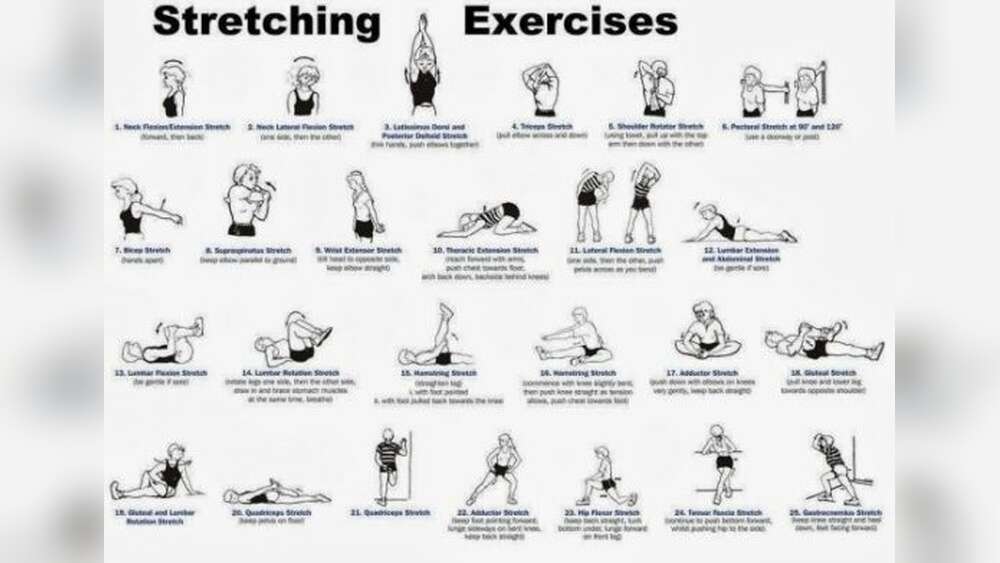
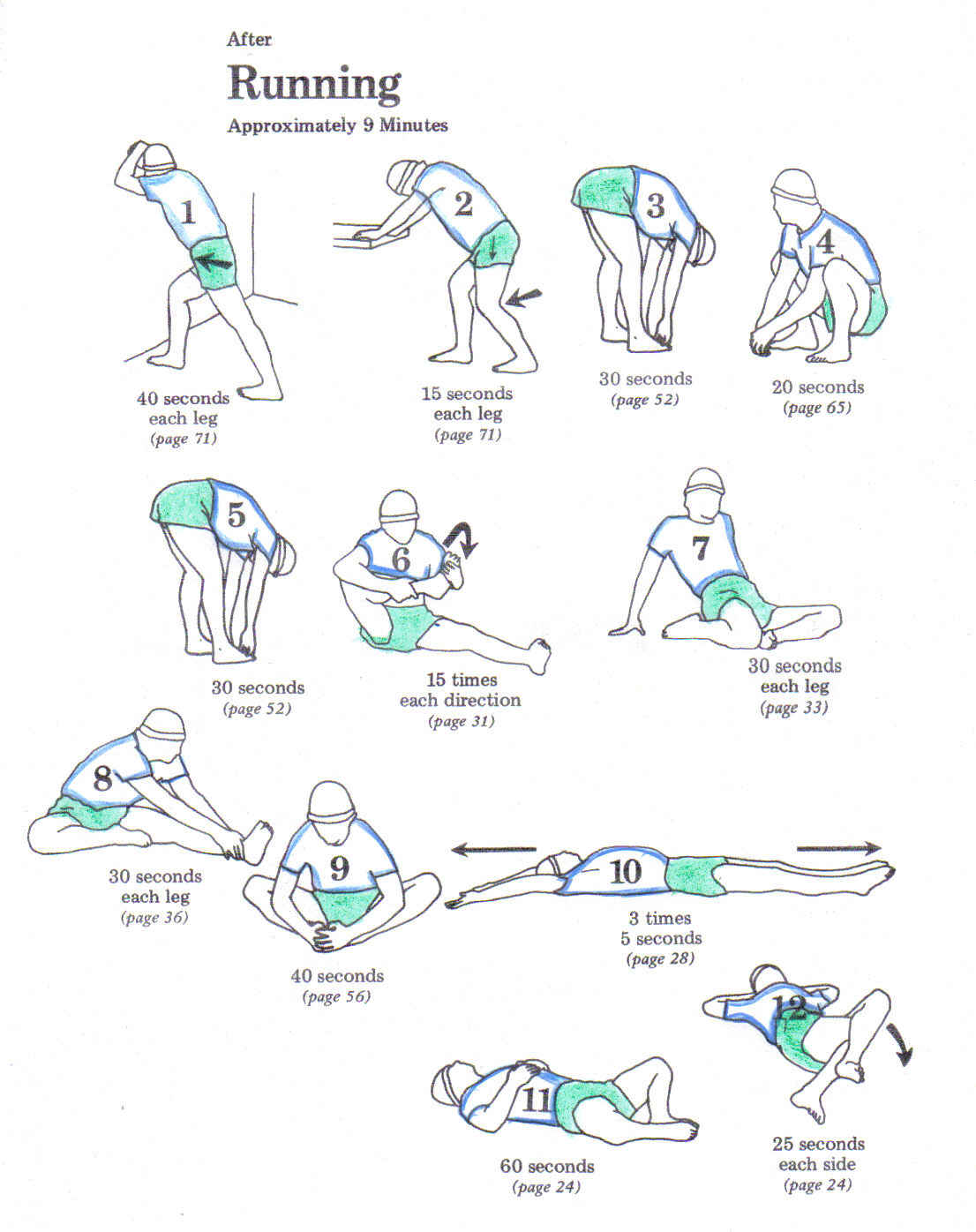
Focus on muscles used in your workout. Stretch your calves, hamstrings, and quadriceps for leg exercises. Include your back, chest, and shoulders for upper body workouts. Don’t forget your neck and arms if they felt tight. Targeting these areas helps prevent stiffness and injury.
Proper Technique For Each Stretch
Hold each stretch for 20 to 30 seconds. Avoid bouncing or quick movements. Keep your breathing slow and steady. Stretch until you feel mild tension, not pain. Use smooth, controlled motions. Repeat each stretch 2 or 3 times for best results. This technique helps muscles relax and lengthen safely.
Common Mistakes To Avoid
Stretching after exercise helps muscles recover and stay flexible. Many people make mistakes that reduce these benefits. Avoiding common errors makes your stretching safe and effective. Below are key mistakes to watch out for.
Overstretching Risks
Stretching too far can hurt muscles and joints. It causes strains or tears that slow recovery. Move gently and stop if you feel pain. Stretching should feel good, not painful. Stay within your comfort zone to avoid injury.
Ignoring Breathing
Breathing deeply helps muscles relax during stretches. Holding your breath creates tension and reduces stretch benefits. Breathe slowly and evenly while stretching. This improves oxygen flow and eases muscle tightness. Remember to keep your breath steady and calm.
Rushing Through Stretches
Stretching quickly reduces its positive effects. Muscles need time to lengthen and relax. Hold each stretch for at least 20-30 seconds. Move slowly into and out of stretches. Taking your time helps prevent injury and improves flexibility.
Credit: ionclinics.com
Tips For Maximizing Flexibility Gains
Maximizing flexibility gains requires more than just stretching after exercise. It needs a smart approach to make your muscles more elastic and prevent injuries. Focus on steady habits, smart combinations, and paying close attention to your body’s signals.
Consistency And Progression
Stretch regularly to see steady improvement. Aim for daily or at least several times a week. Start with gentle stretches and slowly increase the intensity. Stretch a little longer each session to help your muscles adapt. Avoid rushing or forcing your body into tough positions.
Combining Stretching With Other Practices
Pair stretching with warm-up exercises before your workout. This prepares muscles and joints for movement. After exercise, use cool-down routines to relax muscles. Adding yoga or pilates can improve flexibility further. These practices enhance balance and muscle control.
Listening To Your Body
Pay attention to how your body feels during stretching. Stop if you feel sharp pain or discomfort. Mild tension is good, but pain means you should ease off. Rest is important if muscles feel sore or tight. Adjust your routine based on your body’s feedback.
Stretching Tools And Accessories
Using the right tools can improve your stretching routine after exercise. These accessories help target muscles and make stretches more effective. They also reduce the risk of injury and ease muscle tension.
Foam Rollers
Foam rollers help release tight muscles and improve blood flow. Roll slowly over sore areas to ease muscle knots. They work well for large muscle groups like legs and back. Use a foam roller before or after stretching for better flexibility.
Stretching Straps
Stretching straps extend your reach and deepen stretches safely. They provide extra support when you stretch hard-to-reach muscles. Use straps to hold stretches longer without straining. Straps suit beginners and those needing gentle assistance.
Massage Balls
Massage balls focus on small, tight spots in muscles. Apply pressure on knots to release tension and improve movement. They are perfect for feet, shoulders, and hips. Use massage balls slowly and breathe deeply for best results.

Credit: toneopfit.com
Frequently Asked Questions
How Long Should I Stretch After Exercising?
Stretch for 5 to 10 minutes after exercise. This helps relax muscles and improves flexibility. Consistent stretching reduces soreness and injury risk.
Which Muscles Should I Focus On Stretching Post-workout?
Target muscles worked during your exercise session. Focus on major groups like legs, back, and arms. Stretching these areas aids recovery and flexibility.
Can Stretching Prevent Muscle Soreness After Exercise?
Yes, proper stretching helps reduce muscle stiffness and soreness. It increases blood flow and oxygen to muscles, speeding recovery and easing discomfort.
Should I Stretch Before Or After My Workout?
Stretching is most effective after your workout. Post-exercise muscles are warm, making stretching safer and more beneficial. Save dynamic stretches for warming up.
Conclusion
Stretching after exercise helps your muscles stay flexible and strong. It reduces soreness and lowers the risk of injury. Take your time and stretch each muscle gently. Breathe deeply and relax while holding each stretch. Consistency matters more than speed or force.
Make stretching a simple habit after every workout. Your body will thank you with better movement and less pain. Keep it easy and steady for the best results.

Brandon Knoxley is a sport & fitness writer and training guide contributor at MySportFitHub. He focuses on practical workouts, performance-based training, and honest fitness gear insights designed for real people and real results. Brandon is passionate about helping beginners and active individuals train smarter, avoid common mistakes, and build sustainable fitness habits.