
How to Avoid Burnout in Sports Training: Proven Tips for Athletes
Are you pushing yourself hard in sports training but feeling exhausted and unmotivated? Burnout can sneak up on even the most dedicated athletes, draining your energy and hurting your performance.
The good news is, you don’t have to let it take over. By understanding the signs and learning simple strategies, you can keep your passion alive and stay at the top of your game. Keep reading to discover how to avoid burnout and make every training session count.
Signs Of Burnout In Athletes
Recognizing the signs of burnout in athletes is vital for maintaining health and performance. Burnout can affect both the body and mind. It often starts slowly and worsens over time. Spotting early signs helps prevent serious problems and keeps training effective.
Physical Symptoms
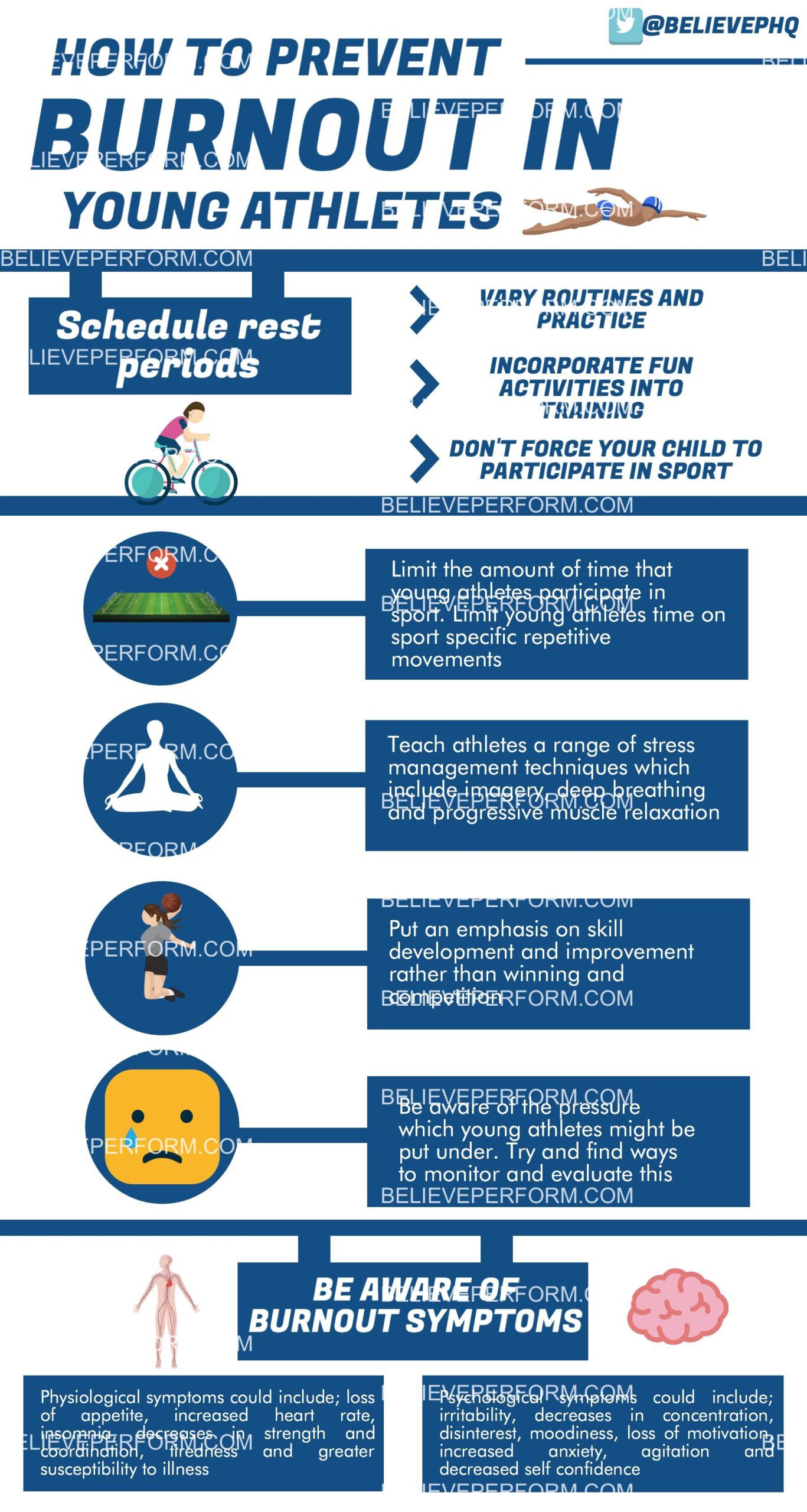
Athletes may feel constant fatigue, even after rest. Muscle soreness lasts longer than usual. Sleep problems like insomnia are common. Frequent colds or injuries may occur. These symptoms show the body is under too much stress.
Emotional Indicators
Burnout can cause feelings of frustration and sadness. Athletes might lose interest in training or competing. Anxiety and irritability increase. Confidence drops, leading to doubt. Emotional signs often affect motivation and focus.
Performance Decline
Skills start to weaken despite practice. Reaction times slow down. Athletes may miss simple plays or moves. Progress stalls or reverses. Declining performance is a clear sign of burnout affecting ability.

Credit: health.choc.org
Causes Of Burnout In Sports
Burnout in sports happens when athletes push their limits too far. It drains energy, passion, and focus. Understanding what causes burnout helps avoid it. The main causes include physical, mental, and rest-related factors. Each plays a key role in athlete well-being.
Overtraining Risks
Training too much without breaks harms the body. Muscles get tired and joints may hurt. Performance drops even with extra effort. Overtraining causes constant fatigue and weakens the immune system. The body needs time to heal and grow stronger.
Mental Stress Factors
Pressure to win or improve can weigh heavily. Constant competition and strict goals increase stress. Mental fatigue lowers motivation and joy in sports. Fear of failure or criticism adds to the burden. Mental stress can be as damaging as physical strain.
Lack Of Recovery Time
Rest is vital after intense workouts. Without enough recovery, the body cannot repair itself. Sleep and breaks reduce injury risk and improve focus. Ignoring rest days leads to exhaustion and poor results. Recovery helps maintain energy and passion for training.
Balancing Training And Rest
Balancing training and rest is key to avoiding burnout in sports. Training hard without enough rest leads to fatigue and injury. Rest helps the body heal and grow stronger. It also keeps motivation high and improves performance.
Smart athletes know when to push and when to pause. This balance supports long-term success and well-being.
Scheduling Rest Days
Rest days are essential for recovery. Plan regular days with no intense exercise. Use these days to relax and let muscles repair. Avoid skipping rest days, even if you feel good. Your body needs time to recover fully. Consistent rest days prevent overtraining and reduce injury risk.
Incorporating Active Recovery
Active recovery means light activity on rest days. Try walking, stretching, or gentle yoga. These activities boost blood flow and help remove toxins. Active recovery reduces muscle stiffness and speeds healing. It keeps the body moving without strain. This method balances rest with mild movement.
Listening To Your Body
Pay attention to signs of tiredness or pain. Slow down or stop if you feel discomfort. Rest more if you notice low energy or mood changes. Your body knows when it needs a break. Ignoring warning signs leads to burnout. Trust your body’s signals to stay healthy and strong.
Nutrition And Hydration Tips
Nutrition and hydration play a key role in avoiding burnout in sports training. Proper fuel keeps energy levels steady and muscles strong. Good hydration helps maintain focus and physical performance. Small changes in diet and water intake can make a big difference in training recovery and stamina.
Fueling For Performance
Eat balanced meals with carbohydrates, proteins, and fats. Carbohydrates give quick energy for workouts. Proteins help repair and build muscles after exercise. Healthy fats support long-term energy and brain function. Choose whole grains, lean meats, fruits, and vegetables. Avoid sugary snacks that cause energy crashes. Eat smaller meals often to keep energy steady throughout the day.
Staying Hydrated
Drink water regularly, not just during exercise. Dehydration causes tiredness and reduces focus. Aim for at least eight glasses of water daily. Increase water intake on hot days or during intense training. Include drinks with electrolytes for longer sessions. Avoid sugary or caffeinated drinks that can dehydrate you. Listen to your body’s thirst signals to stay properly hydrated.
Supplements And Recovery Aids
Supplements can support nutrition but should not replace food. Protein powders help meet daily protein needs after workouts. Omega-3 supplements reduce inflammation and support joint health. Vitamins like D and B-complex boost energy and recovery. Always consult a healthcare provider before starting supplements. Use recovery aids like tart cherry juice or magnesium for muscle soreness. Proper rest and nutrition remain the best recovery tools.
Mental Strategies To Prevent Burnout
Mental health plays a key role in sports training. Without it, burnout can happen fast. Using mental strategies helps keep your mind strong and focused. These tactics reduce stress and build motivation. They also help athletes enjoy their training more. Here are some mental strategies that prevent burnout.
Goal Setting And Motivation
Setting clear goals guides your training efforts. Goals should be small and easy to reach. Achieving these goals brings a sense of success. It keeps motivation high and reduces feelings of failure. Write down your goals and track progress. Celebrate small wins to boost confidence. This approach makes training feel rewarding and less stressful.
Stress Management Techniques
Stress can drain your energy and focus quickly. Learning to manage stress helps avoid burnout. Deep breathing exercises calm the mind in tough moments. Breaks during training allow your body and mind to rest. Talking with coaches or friends about stress is helpful. Use simple routines to keep stress under control daily.
Mindfulness And Relaxation
Mindfulness means paying attention to the present moment. It helps stop negative thoughts about past or future. Relaxation techniques like meditation or gentle stretching soothe your mind. These habits improve focus and lower anxiety. Practicing mindfulness daily creates a calm and clear mindset. It makes training more enjoyable and less tiring.
Credit: health.choc.org
Role Of Coaches And Support Teams
The role of coaches and support teams is vital in avoiding burnout in sports training. They guide athletes through tough physical and mental challenges. Their careful attention helps athletes stay healthy and motivated. Coaches and support staff create a safe space for growth and learning. They watch for signs of stress and fatigue early. This teamwork makes training more effective and less stressful.
Monitoring Athlete Well-being
Coaches and support teams track physical and mental health regularly. They check for tiredness, mood changes, and motivation levels. Regular health checks prevent overtraining and exhaustion. They use simple tools and conversations to understand athlete needs. Early detection helps adjust training to protect athletes.
Creating Positive Training Environments
Positive environments boost athlete confidence and focus. Coaches encourage respect, fairness, and teamwork. They celebrate small wins and effort, not just results. A good environment reduces pressure and fear of failure. It helps athletes enjoy training and stay committed.
Encouraging Open Communication
Open talks build trust between athletes and coaches. Athletes feel safe sharing worries or pain. Coaches listen without judgment and offer support. Honest communication catches problems before they grow. It creates a team spirit that fights burnout together.
Adjusting Training Plans
Adjusting training plans is vital to avoid burnout in sports. It helps keep athletes fresh and motivated. Changing routines prevents overtraining and injury. Smart adjustments lead to better performance and faster recovery.
Periodization Methods
Periodization splits training into phases. Each phase focuses on different goals like strength, speed, or rest. This method balances hard work and recovery. It helps athletes avoid fatigue and stay strong.
For example, start with high volume and low intensity. Then, reduce volume and increase intensity. Finally, add a rest phase before competition. This cycle repeats to keep training effective.
Recognizing When To Scale Back
Listen to your body for signs of burnout. Feeling tired all the time is a warning. Poor sleep and lack of motivation also matter. Soreness that doesn’t go away is another sign.
Scaling back means reducing training volume or intensity. Take extra rest days or shorten workouts. This helps your body heal and regain energy.
Customizing Workouts
Each athlete has unique needs and limits. Tailor workouts to fit your fitness level and goals. Adjust exercises, sets, and reps to avoid overload.
Include cross-training and variety. This keeps training fun and reduces stress on the body. Custom plans improve progress and reduce burnout risk.
Incorporating Cross-training
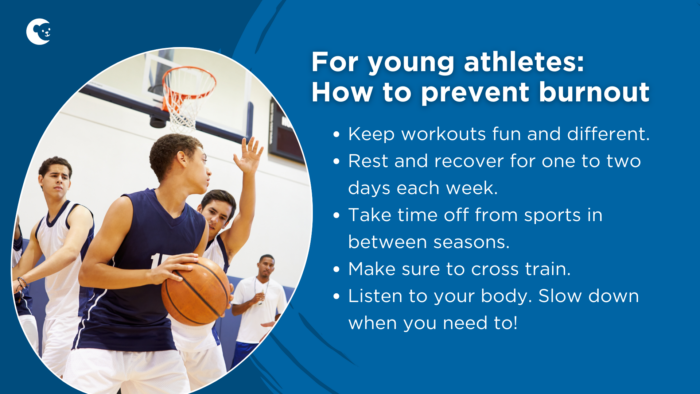
Incorporating cross-training into your sports routine helps you avoid burnout. It means mixing different types of exercises and sports. This keeps your body and mind fresh. Cross-training also helps balance your muscle use and energy levels. It gives your main sport a break without stopping your training completely.
Benefits For Injury Prevention
Cross-training reduces the risk of injuries. It uses different muscles and joints than your main sport. This lowers the chance of overuse injuries. Resting some muscles while working others helps your body heal. It also improves muscle balance and joint stability. These benefits protect you from common sports injuries.
Variety To Maintain Interest
Doing the same sport daily can feel boring. Cross-training adds variety and fun to your routine. Trying new activities keeps your mind engaged. It prevents mental fatigue and loss of motivation. You stay excited about training and avoid feeling tired of it.
Improving Overall Fitness
Cross-training improves your strength, endurance, and flexibility. Different exercises work various parts of your body. This makes you a stronger and fitter athlete. It also helps your main sport performance. Your body becomes more adaptable and less prone to fatigue.
Credit: members.believeperform.com
Frequently Asked Questions
What Are Early Signs Of Burnout In Sports Training?
Early signs include chronic fatigue, irritability, and decreased performance. Athletes may also experience loss of motivation and persistent muscle soreness. Recognizing these symptoms early helps prevent long-term burnout and promotes timely rest and recovery.
How Can Rest Prevent Burnout During Training?
Rest allows the body and mind to recover from intense physical activity. Proper rest reduces fatigue, improves focus, and restores energy. Incorporating rest days in training schedules is essential to maintain peak performance and avoid burnout.
Why Is Mental Health Important In Sports Training?
Mental health impacts motivation, focus, and overall athletic performance. Managing stress and anxiety prevents emotional exhaustion. Prioritizing mental well-being supports long-term engagement and helps athletes enjoy their training experience.
How Does Nutrition Affect Burnout In Athletes?
Balanced nutrition fuels the body and aids recovery. Proper intake of proteins, carbs, and fats supports energy levels and muscle repair. Poor nutrition can increase fatigue and risk of burnout, so a healthy diet is crucial for sustained training.
Conclusion
Avoiding burnout in sports training keeps your body and mind strong. Rest and good nutrition help you perform better. Listen to your body; it tells you when to slow down. Balance training with fun and relaxation for lasting success. Small changes can make a big difference over time.
Stay patient and consistent to enjoy your sport fully. Keep your passion alive by caring for yourself every day.

Brandon Knoxley is a sport & fitness writer and training guide contributor at MySportFitHub. He focuses on practical workouts, performance-based training, and honest fitness gear insights designed for real people and real results. Brandon is passionate about helping beginners and active individuals train smarter, avoid common mistakes, and build sustainable fitness habits.