How to Start Working Out As a Complete Beginner: Ultimate Guide
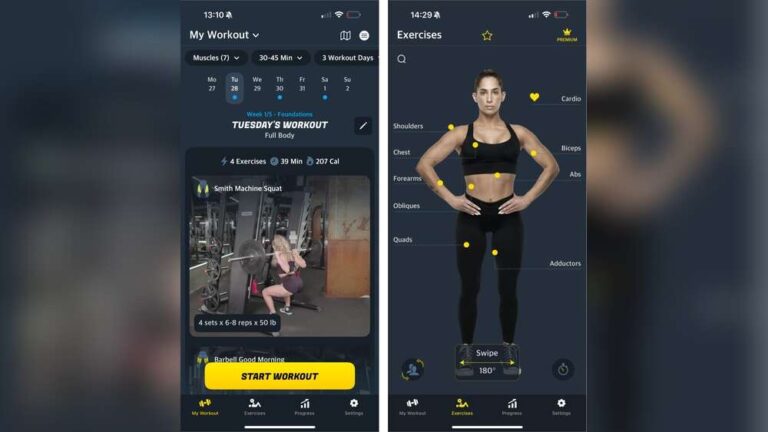
Starting to work out can feel overwhelming, especially if you have no experience. You might wonder where to begin, what exercises to try, or how to stay motivated.
The good news is that getting started doesn’t have to be complicated or intimidating. With the right approach, you can build a workout routine that fits your lifestyle and helps you feel stronger and healthier. Keep reading, and you’ll discover simple steps to start working out as a complete beginner—steps that anyone can follow to see real progress and enjoy the process.
Your fitness journey starts here.
Benefits Of Starting To Work Out
Starting to work out brings many benefits. It improves both your body and mind. Small steps can lead to big changes. These benefits help keep you motivated and healthy.
Physical Health Improvements
Exercise strengthens your muscles and bones. It helps control your weight and boosts your energy. Your heart and lungs work better over time. Regular workouts lower the risk of many diseases. Simple activities like walking can make a difference.
Mental Wellbeing Boost
Working out reduces stress and anxiety. It helps you feel happier and more relaxed. Exercise releases chemicals that improve your mood. You can sleep better and focus more easily. Even short sessions bring mental clarity.
Long-term Lifestyle Changes
Building a workout habit creates lasting health benefits. It teaches discipline and builds confidence. Regular exercise often leads to healthier eating choices. You gain more energy for daily tasks. Over time, fitness becomes part of your life.
Credit: www.nerdfitness.com
Choosing The Right Workout For Beginners
Starting a workout routine can feel confusing for beginners. Choosing the right exercises helps build confidence and keeps you motivated. It also reduces the risk of injury and makes exercise more enjoyable. Focus on simple workouts that fit your lifestyle and fitness level. This section explains how to pick the best workout as a beginner.
Types Of Exercises To Consider
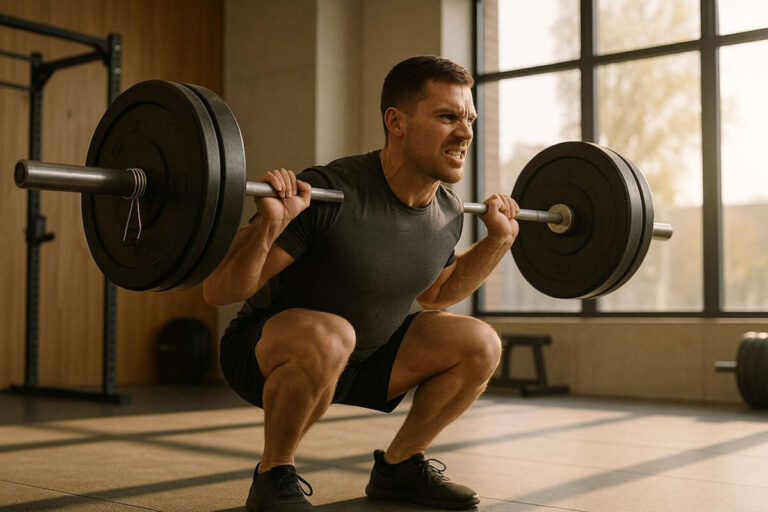
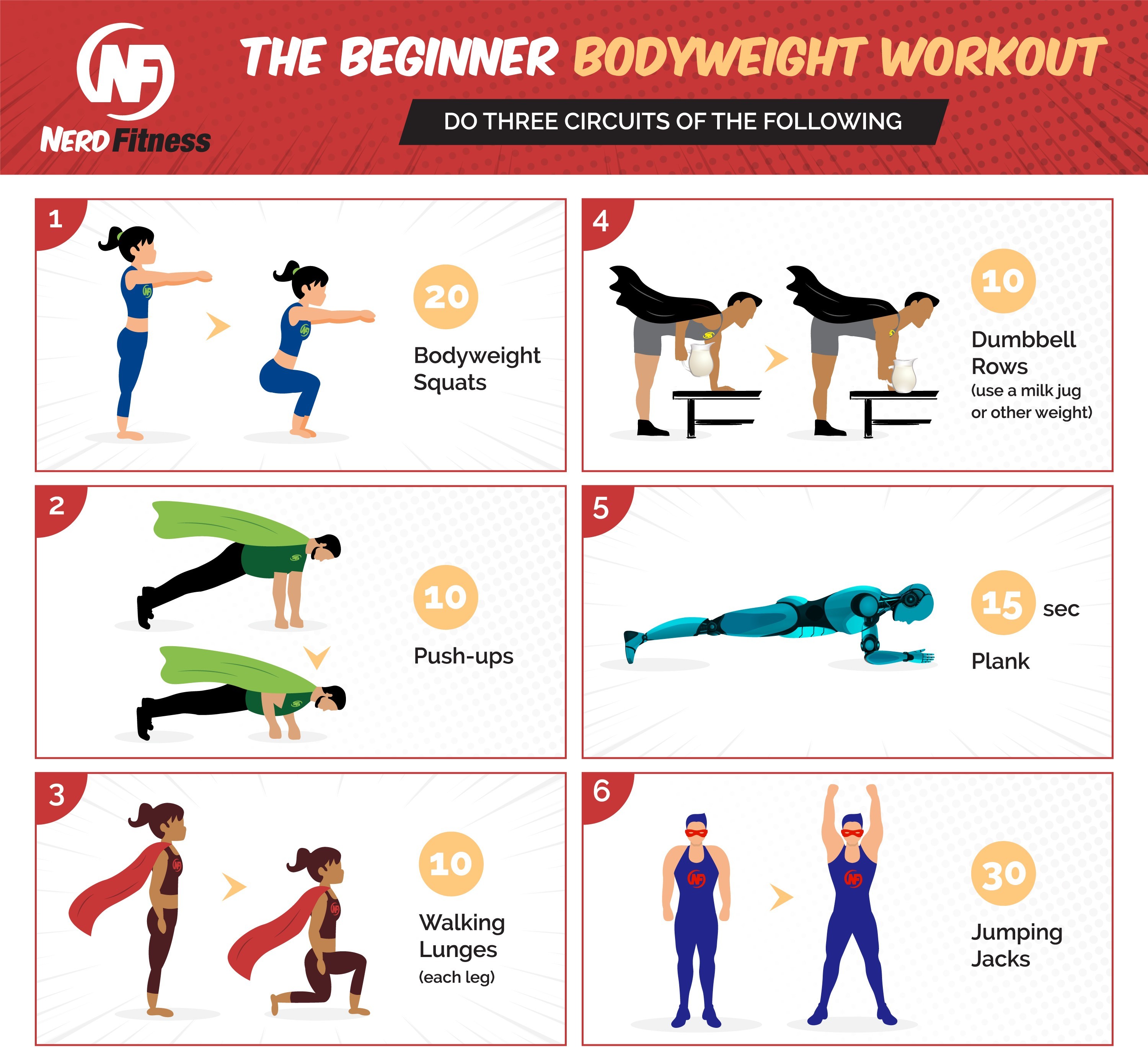
Walking, jogging, and cycling are easy ways to start cardio workouts. These activities improve heart health without straining your body. Strength training with light weights or resistance bands helps build muscle. Bodyweight exercises like squats, push-ups, and planks work well too. Choose exercises that feel comfortable and suit your daily routine. Variety keeps workouts interesting and targets different muscles.
Balancing Cardio And Strength Training
Cardio and strength training both boost fitness in unique ways. Cardio improves endurance and burns calories quickly. Strength training builds muscle and increases metabolism. Aim for a mix of both types during the week. For example, three days of cardio and two days of strength training. Balance prevents boredom and promotes overall health. Start with shorter sessions and increase time as you improve.
Setting Realistic Fitness Goals
Goals guide your workout progress and keep you focused. Set clear, simple goals like walking 10 minutes daily or doing five push-ups. Small goals feel achievable and build confidence. Track progress to see improvements and stay motivated. Adjust goals as you get stronger and more comfortable. Realistic goals make workouts a positive part of your life.
Creating A Simple Workout Plan
Creating a simple workout plan helps beginners stay on track and build good habits. It breaks down exercise into easy steps. A clear plan reduces confusion and keeps motivation high. Start with small goals and grow from there. Consistency is key for long-term success.
Scheduling Your Sessions
Pick specific days and times for workouts. Treat these sessions like important appointments. Keep sessions short at first, about 20 to 30 minutes. Choose times when energy is highest, like morning or early evening. Writing the schedule down increases commitment. Stick to the plan as much as possible.
Starting Slow And Progressing
Begin with light exercises and low intensity. Focus on learning proper form before adding weight or speed. Gradually increase workout length and difficulty each week. Small progress helps avoid injury and burnout. Celebrate each improvement, no matter how small. Patience leads to steady, lasting gains.
Rest And Recovery Importance
Rest days help muscles repair and grow stronger. Avoid working the same muscle groups two days in a row. Sleep well to support recovery and energy. Listen to your body; rest if feeling pain or extreme tiredness. Recovery is as important as the workout itself. Balance exercise with rest for best results.

Credit: www.youtube.com
Essential Equipment And Gear
Starting a workout routine is easier with the right equipment and gear. These basics help you stay safe and motivated. You do not need much to begin, but some tools make exercises better and more comfortable.
Basic Home Workout Tools
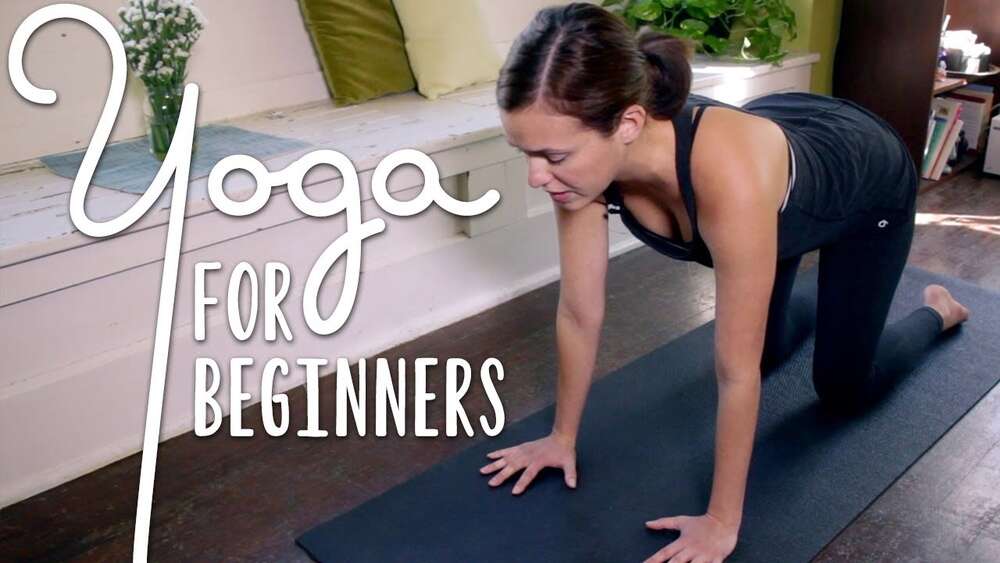
Simple tools like resistance bands, dumbbells, and a yoga mat work well. Resistance bands add challenge to your moves. Dumbbells help build strength step by step. A yoga mat provides cushioning and grip for floor exercises. These items do not take much space or money.
Choosing Comfortable Clothing
Wear clothes that move with your body. Choose breathable fabrics that keep you cool. Avoid tight or stiff clothes that limit motion. Loose, stretchy shirts and shorts or pants work best. Comfortable clothes help you focus on your workout, not on adjusting your outfit.
Investing In Quality Footwear
Good shoes protect your feet and joints. Pick shoes designed for your workout type, like running or walking shoes. Check for a snug fit but not too tight. Proper footwear reduces injury risk and improves performance. Your feet will thank you after every session.
Staying Motivated And Consistent
Starting to work out can feel hard at first. Staying motivated and consistent is the key to making exercise a habit. Small steps every day lead to big results. Focus on progress, not perfection. This helps keep your energy and spirit high over time.
Tracking Your Progress
Write down your workouts and how you feel after them. Use a simple notebook or a free app on your phone. Seeing your progress helps you stay motivated. It shows how much you have improved. Celebrate small wins like more reps or longer walks.
Finding Support And Accountability
Tell friends or family about your workout plans. Ask them to check in with you regularly. Join a group or class with people at your level. Having someone to share your journey makes you less likely to quit. Support makes exercise feel easier and more fun.
Overcoming Common Challenges
Expect some hard days. Tiredness, busy schedules, or slow progress can stop you. Plan simple workouts for tough days to keep moving. Remind yourself why you started. Focus on how good exercise makes you feel. Keep going, even if it is just a little bit.
Nutrition Tips For Beginners
Starting to work out means you must pay attention to your nutrition. Food fuels your body and helps muscles grow. Good nutrition improves energy and helps your body recover after exercise. Simple changes to your diet can make a big difference in how you feel and perform. Here are some easy nutrition tips for beginners to support your workout journey.
Eating For Energy And Recovery
Choose foods that give you steady energy. Complex carbohydrates like whole grains, fruits, and vegetables are best. They release energy slowly and keep you active longer. Protein helps your muscles repair and grow. Include lean meats, beans, eggs, or dairy in your meals. Eat a balanced meal 1 to 2 hours before working out. After exercise, eat protein and carbs to help your body recover. This can be a small snack or meal depending on how hard you worked.
Hydration Essentials
Water is very important for exercise. Drink water before, during, and after your workout. It helps keep your body cool and your muscles working well. Avoid sugary drinks or too much caffeine. They can make you lose water. If you exercise more than one hour, try a drink with electrolytes. Small, regular sips are better than drinking a lot at once.
Simple Meal Planning Ideas
Plan meals that are easy to prepare and healthy. Use a mix of protein, carbs, and vegetables. For breakfast, try oatmeal with fruit and nuts. For lunch, make a sandwich with whole grain bread, lean meat, and veggies. Dinner could be grilled chicken with rice and steamed vegetables. Prepare snacks like yogurt, nuts, or fruit to eat between meals. Planning helps you avoid unhealthy choices and keeps your energy steady.
Avoiding Injuries And Staying Safe
Starting a workout routine brings many benefits. Staying safe helps you keep going without pain or injury. Careful steps protect your body and make exercise fun. Avoiding injuries means knowing how to warm up, listen to your body, and get help when needed.
Proper Warm-up And Cool-down
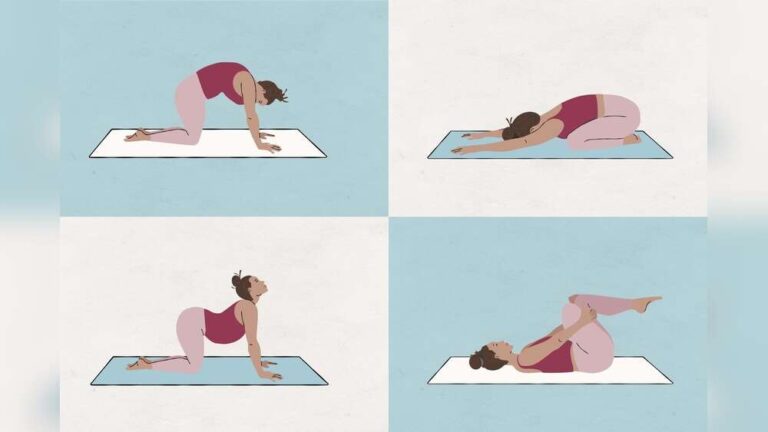
Warming up prepares your muscles and joints for exercise. It raises your heart rate and improves blood flow. Simple moves like walking or stretching help. Spend five to ten minutes warming up before workouts.
Cooling down helps your body return to normal after exercise. Slow down your pace and stretch muscles gently. This reduces soreness and stiffness. Cool-down is as important as warming up.
Listening To Your Body
Pay close attention to how your body feels. Mild discomfort is normal, sharp pain is not. Stop exercising if you feel pain or dizziness. Rest is important to avoid injuries. Gradually increase workout intensity based on your comfort.
When To Seek Professional Advice
Consult a doctor before starting if you have health issues. A trainer can guide proper exercise techniques. They help you avoid bad habits that cause injury. Seek help if pain lasts or worsens after workouts. Professionals keep your fitness journey safe and effective.

Credit: www.cingozresort.com
Frequently Asked Questions
How Often Should Beginners Work Out Per Week?
Beginners should start with 3 to 4 workouts per week. This frequency allows adequate recovery and builds consistency. Gradually increasing workout days helps avoid burnout and injury. Consistency is key to developing a long-term exercise habit and improving fitness safely.
What Are The Best Exercises For Workout Beginners?
Start with basic exercises like walking, bodyweight squats, and push-ups. These improve strength and endurance without equipment. Incorporate light cardio, stretching, and mobility work. Simple exercises build a strong foundation and boost confidence for more advanced workouts later.
How Long Should A Beginner Workout Session Last?
Begin with 20 to 30 minutes per session. Short workouts reduce fatigue and help maintain focus. Increasing workout duration gradually enhances stamina and prevents injury. Consistent, manageable sessions encourage adherence and steady progress over time.
Should Beginners Do Cardio Or Strength Training First?
Start with light cardio to warm up muscles and increase heart rate. Follow with strength training to build muscle and improve metabolism. Combining both supports overall fitness, weight management, and injury prevention. Balance is essential for beginner workout routines.
Conclusion
Starting to work out can feel hard, but small steps help. Choose simple exercises and go slow. Consistency matters more than speed or strength. Listen to your body and rest when needed. Keep a positive mindset and celebrate small wins.
Over time, your strength and confidence will grow. Remember, every expert was once a beginner too. Stay patient and enjoy the journey to better health.

Brandon Knoxley is a sport & fitness writer and training guide contributor at MySportFitHub. He focuses on practical workouts, performance-based training, and honest fitness gear insights designed for real people and real results. Brandon is passionate about helping beginners and active individuals train smarter, avoid common mistakes, and build sustainable fitness habits.