How to Train Arms Without Gym Machines: Effective Home Workouts
Want stronger, more defined arms but don’t have access to gym machines? You’re not alone—and the good news is, you don’t need fancy equipment to build impressive arm muscles.
With the right moves and a bit of dedication, you can transform your arms using just your body weight and simple tools at home. Keep reading, and you’ll discover easy, effective exercises that fit into your routine—no gym required. Your journey to powerful arms starts here.
Benefits Of Home Arm Workouts
Training arms at home offers many advantages. No need for expensive gym machines or memberships. You can build strength and tone muscles using simple tools or bodyweight exercises.
Home workouts save time and allow flexible schedules. They help you stay consistent without distractions. Plus, you can create a comfortable and private workout space.
Cost-effective And Convenient
Home arm workouts require little or no equipment. This saves money on gym fees and travel costs. You can exercise anytime, day or night. No waiting for machines or crowded spaces.
Improves Muscle Tone And Strength
Simple exercises like push-ups and curls build strong, toned arms. Consistent training increases muscle endurance and definition. You can target different arm muscles without machines.
Boosts Overall Fitness And Health
Arm workouts at home improve blood flow and metabolism. Strong arms support daily activities and reduce injury risks. They also help improve posture and balance.
Encourages Discipline And Motivation
Setting a home workout routine builds good habits. You control your pace and progress. Tracking results keeps motivation high and goals clear.
Customizable To Your Needs
Choose exercises that fit your fitness level and goals. Adjust reps, sets, and rest times easily. Add variety to avoid boredom and plateaus.
Key Muscles In Arm Training
Training arms without machines means focusing on the main muscles. These muscles control the movement and strength of your arms. Understanding them helps you target each part effectively. Strong arms improve daily tasks and overall fitness. The three key muscles in arm training are the biceps, triceps, and forearms.
Biceps
The biceps are at the front of your upper arm. They help bend the elbow and turn the palm up. Training biceps improves lifting and pulling strength. Simple exercises like curls use your body weight or dumbbells. Strong biceps make your arms look bigger and more defined.
Triceps
The triceps are on the back of your upper arm. They straighten the elbow and help push objects away. Many people forget the triceps, but they make up most of your arm’s size. Push-ups and dips work the triceps well without machines. Building triceps adds power and shape to your arms.
Forearms
The forearms are below your elbows to your wrists. They control wrist movement and grip strength. Strong forearms improve your hold on objects and sports performance. Exercises like wrist curls and squeezing a ball target these muscles. Balanced arm training includes forearm work for full strength.
Essential Equipment For Home Training
Training your arms at home needs some basic equipment. The right tools make exercises effective and safe. You do not need bulky machines or a gym membership. A few simple items can help you build strong arms.
These tools fit small spaces and budgets. They suit all fitness levels and goals. Choose the items that match your needs and start training.
Resistance Bands
Resistance bands are light and easy to use. They come in different strengths for all users. Bands help you work biceps, triceps, and shoulders. They add tension during movements, boosting muscle growth.
Use bands for curls, extensions, and presses. They take less space and are cheap to buy. You can carry them anywhere for workouts on the go.
Dumbbells And Alternatives
Dumbbells are classic for arm training at home. Start with light weights and increase over time. They train your muscles through full motion and control. Dumbbells target specific muscles well.
Look for adjustable dumbbells to save space. Use water bottles or canned goods as cheap alternatives. These household items work well for basic arm exercises.
Bodyweight Options
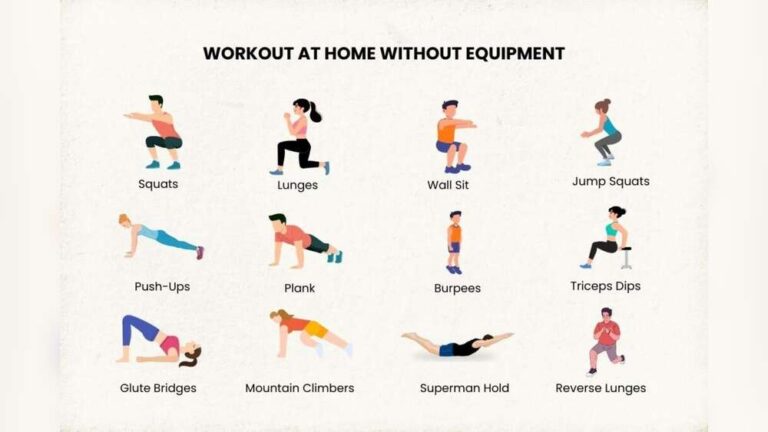
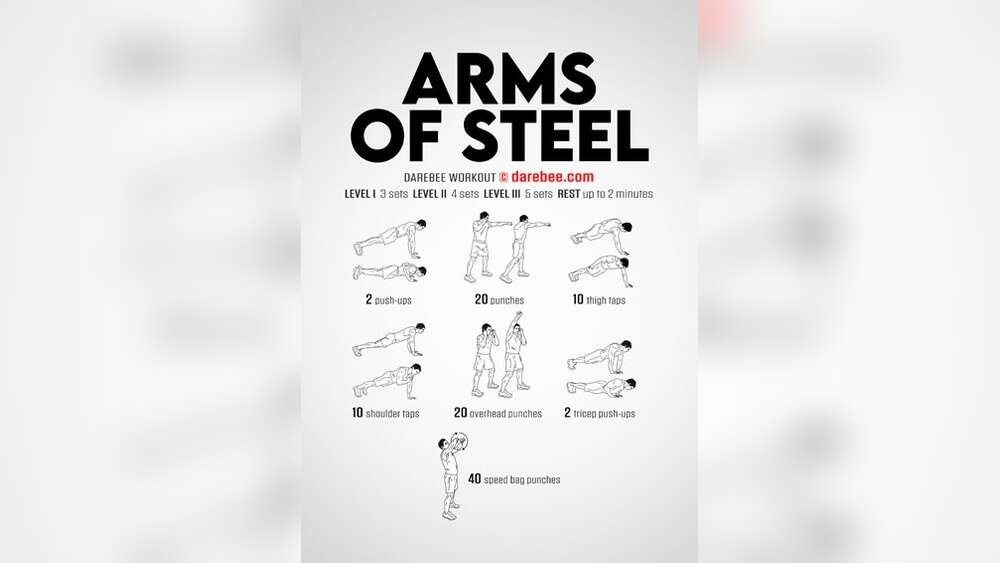
Your own body can be great resistance. Push-ups, dips, and planks build arm strength. Bodyweight exercises improve muscle endurance and tone. No equipment needed, perfect for beginners.
Try different hand positions to target various muscles. Use chairs or stairs for added challenge. Bodyweight training fits any schedule and location.
Effective Bodyweight Arm Exercises
Training arms without gym machines is simple and effective. Bodyweight exercises use your own weight for resistance. They build strength and tone muscles. These exercises need no special tools and can be done anywhere. Consistent practice improves arm shape and endurance.
Push-up Variations
Push-ups target the chest, shoulders, and arms. Changing hand positions shifts focus to different muscles. Close-grip push-ups work the triceps more. Wide push-ups engage the chest and shoulders. Try diamond push-ups for extra triceps activation. These variations keep workouts fresh and challenging.
Dips Using Furniture
Dips are great for triceps and shoulders. Use a sturdy chair or bench at home. Place hands behind on the edge and lower your body. Keep elbows close to your sides for better effect. Push back up using arm strength. This exercise builds arm muscle without equipment.
Isometric Holds
Isometric holds involve holding a position to build strength. Try the plank or wall push-up hold. These exercises engage arm muscles without movement. Hold the position for 20-30 seconds or longer. This improves muscle endurance and control. Easy to do anywhere and very effective.
Resistance Band Workouts For Arms
Resistance bands offer a simple way to train your arms without gym machines. They are light, portable, and easy to use at home or outside. These bands create tension that helps build muscle strength effectively. You can target different parts of your arms with a few easy exercises.
Using resistance bands can improve arm tone and endurance. You control the resistance by changing band length or thickness. This makes the workouts suitable for beginners and advanced users alike. Let’s explore some key exercises to strengthen your arms using resistance bands.
Bicep Curls
Stand on the middle of the band with feet shoulder-width apart. Hold the handles or ends with palms facing forward. Slowly bend your elbows, pulling the band upward. Keep your elbows close to your body. Lower your hands back down with control. Repeat for 10 to 15 reps to feel your biceps working.
Tricep Extensions
Hold one end of the band behind your back at waist level. Grab the other end with your opposite hand, raising it overhead. Straighten your arm upward, stretching the band. Keep your elbow steady and close to your head. Slowly bend your arm back down. Perform 10 to 15 reps to target the triceps.
Forearm Strengthening
Sit or stand and hold the band with one hand. Wrap it around your fingers and pull gently outward. Try wrist curls by bending your wrist up and down. Reverse the motion to work both sides of your forearm. Do 12 to 15 slow reps for better grip and forearm strength.
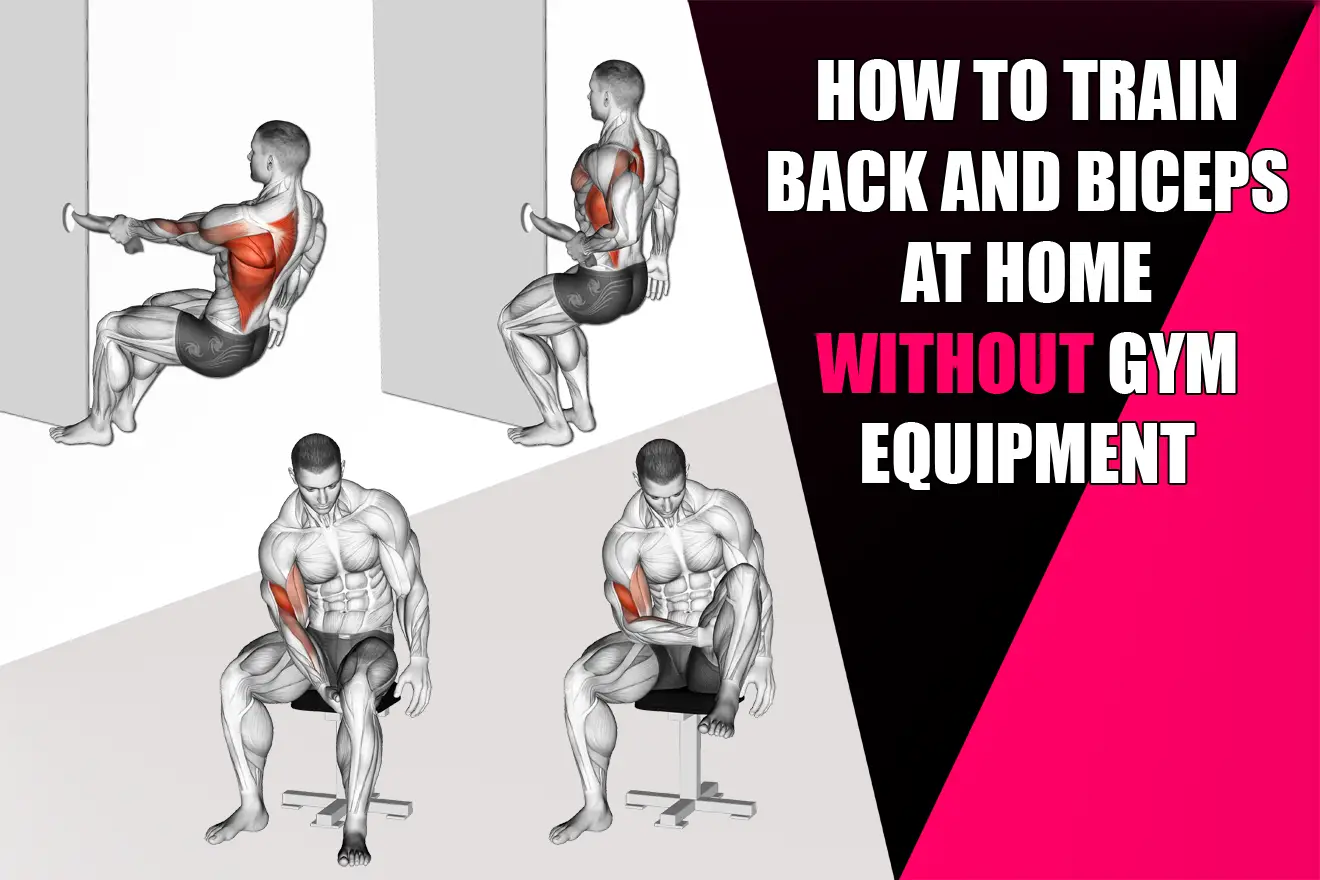
Credit: site2max.ru
Dumbbell-free Arm Training Ideas
Training your arms without gym machines is simple and effective. You only need a few common items from around your home. These alternatives help build strength and tone muscles. No fancy equipment needed. Just creativity and consistency.
Household Item Lifts
Use cans, books, or jars as weights. Hold them firmly and lift slowly. Try bicep curls by bending your elbows. Or do overhead presses by pushing items above your head. Repeat sets of 10 to 15. These moves target your arm muscles well.
Water Bottle Workouts
Water bottles make great light dumbbells. Fill them to your desired weight. Use them for wrist curls or tricep kickbacks. Hold the bottle firmly and move with control. Increase the water amount as you get stronger. It’s a cheap and easy way to train.
Backpack Resistance Moves
Fill a backpack with books or heavy items. Secure it tightly and use it for exercises. Try rows by pulling the backpack toward your chest. Or do arm raises by holding the pack in front. This adds resistance and builds muscle. Perfect for arm strength without a gym.
Tips For Maximizing Arm Gains At Home
Training arms at home without machines can still bring great results. The key is to focus on methods that boost muscle growth and strength. Small changes make a big difference in your arm workouts. Follow these tips to get the most from your home training.
Proper Form
Good form protects you from injury. It also targets the right muscles. Keep your movements slow and steady. Avoid swinging or using momentum. Engage your core and maintain a straight posture. Quality beats quantity every time.
Progressive Overload
Challenge your muscles regularly. Increase difficulty step by step. Use heavier objects or do more repetitions. Try slower tempos or longer sets. The goal is to push your arms beyond their comfort zone. This forces them to grow stronger and bigger.
Rest And Recovery
Muscles need time to heal and grow. Take breaks between workouts to avoid burnout. Sleep well and eat protein-rich foods. Rest days improve performance and reduce soreness. Recovery is part of training, not a break from it.
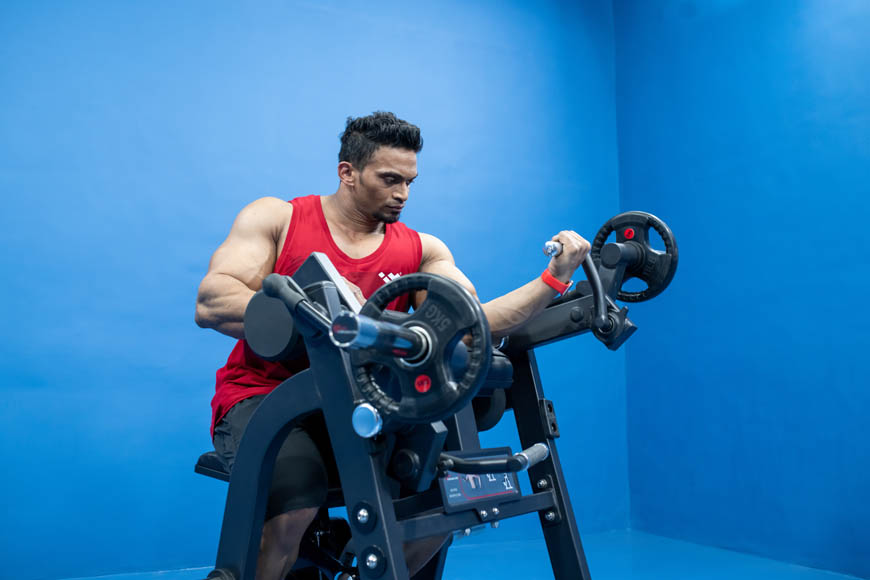
Credit: intowellness.in

Credit: www.dentalhousecr.com
Frequently Asked Questions
How Can I Train Arms Without Gym Machines?
You can use bodyweight exercises like push-ups, dips, and planks. Resistance bands and dumbbells also help build arm strength effectively at home.
What Are The Best Bodyweight Arm Exercises?
Push-ups, tricep dips, and planks target your arms well. These exercises improve strength and tone muscles without needing equipment.
Can Resistance Bands Replace Gym Machines For Arm Training?
Yes, resistance bands provide adjustable tension and mimic machine workouts. They are portable, affordable, and effective for arm muscle building.
How Often Should I Train My Arms At Home?
Train your arms 2-3 times per week with rest days. This frequency allows muscle growth and recovery without overtraining.
Conclusion
Training arms without gym machines is simple and effective. Bodyweight exercises and household items work well. Consistency matters most for building strength and muscle. You can stay fit anywhere, anytime. No need for fancy equipment or gym visits. Focus on good form and steady progress.
Your arms will get stronger with time. Enjoy the process and keep moving forward.
Brandon Knoxley is a sport & fitness writer and training guide contributor at MySportFitHub. He focuses on practical workouts, performance-based training, and honest fitness gear insights designed for real people and real results. Brandon is passionate about helping beginners and active individuals train smarter, avoid common mistakes, and build sustainable fitness habits.