How to Prevent Common Sports Injuries Beginners: Ultimate Safety Guide
Are you new to sports and worried about getting hurt? You’re not alone.
Starting a new sport is exciting, but common injuries can quickly turn that excitement into frustration. What if you could enjoy your game without pain or setbacks? You’ll discover simple, proven ways to protect your body and keep injuries at bay.
By learning these easy tips, you’ll stay strong, confident, and ready to play your best every time. Keep reading—your future self will thank you!
Credit: www.gpoa.com
Common Sports Injuries For Beginners
Starting a new sport is exciting but can lead to injuries. Beginners often face common injuries due to lack of experience and body conditioning. Knowing these injuries helps prevent them and keeps you active and healthy.
Sprains And Strains
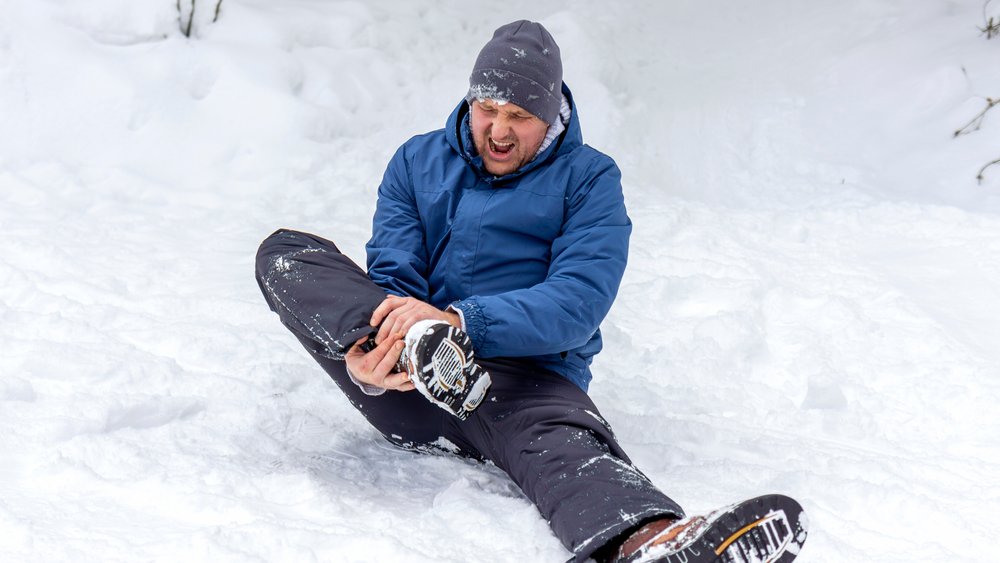
Sprains happen when ligaments stretch or tear. Strains affect muscles or tendons. Both cause pain, swelling, and limited movement. Beginners may sprain ankles or strain muscles from sudden moves or poor warm-ups.
Knee Injuries
Knees bear much stress in sports. Beginners risk injuries like runner’s knee, ligament tears, or cartilage damage. Pain, swelling, and instability are common signs. Weak muscles and wrong techniques increase these risks.
Shin Splints
Shin splints cause pain along the shin bone. They occur from overuse or running on hard surfaces. Beginners who increase activity too fast often get shin splints. Rest and proper shoes help ease the pain.
Fractures And Dislocations
Fractures are broken bones; dislocations happen when bones move out of place. These injuries result from falls or impacts. Beginners may not expect the force needed, leading to accidents. Immediate care is vital to heal properly.
Overuse Injuries
Overuse injuries develop from repeating the same movements. Tendonitis and stress fractures are common types. Beginners who train too hard without breaks face these injuries. Balancing activity with rest prevents overuse problems.
Pre-activity Preparation
Preparing the body before any sport helps prevent injuries. Beginners often skip this step. This increases the risk of muscle pulls and joint pain. Taking time to prepare can keep you safe and improve performance.
Proper Warm-up Techniques
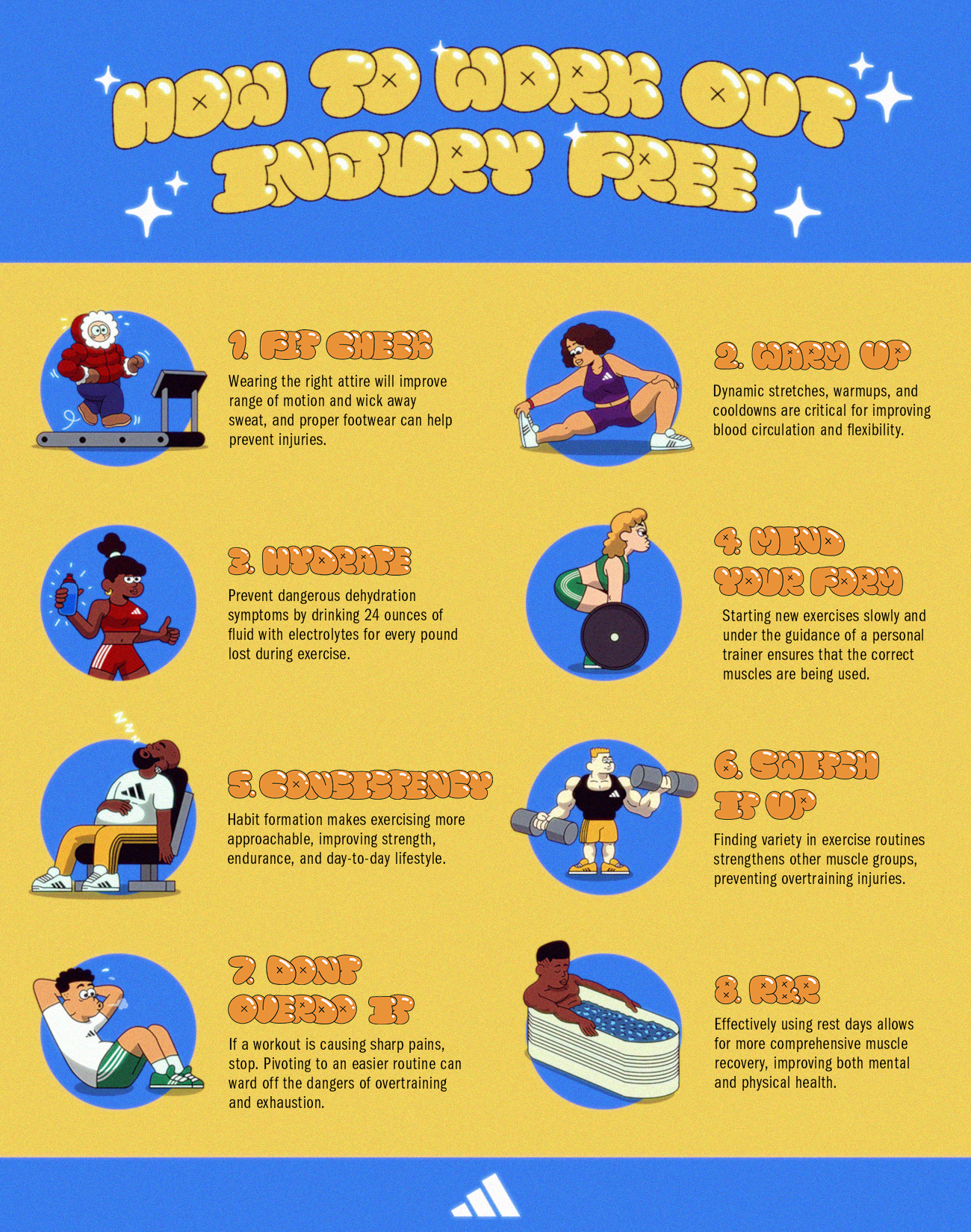
Start with light activities like jogging or walking. This raises your heart rate slowly. It sends more blood to muscles and joints. Warm muscles are less likely to get hurt. Spend 5 to 10 minutes warming up.
Include sport-specific movements next. For example, if you play soccer, practice some kicks. This helps your body get ready for the actions ahead.
Importance Of Stretching
Stretching improves muscle flexibility. Flexible muscles reduce the chance of strains. Stretch after warming up, not before. Warm muscles stretch better and safer. Hold each stretch for 15 to 30 seconds. Avoid bouncing or forcing the stretch.
Focus on major muscle groups used in your sport. Stretching also helps improve your overall movement.
Choosing The Right Gear
Wear shoes that fit well and suit your sport. Proper shoes support your feet and prevent injuries. Use protective gear like helmets, pads, or guards if needed. Ill-fitting or old equipment can cause harm. Check your gear regularly for damage or wear.
Good gear adds safety and comfort during activity. It makes playing sports easier and safer for beginners.
Training Tips To Stay Safe
Training smart is key to avoiding common sports injuries. Beginners must focus on safe habits. These tips help build strength and protect the body during exercise. Staying safe means enjoying sports longer and improving steadily.
Gradual Progression In Intensity
Start slow and increase effort step by step. Do not push the body too hard too fast. Gradual progress helps muscles and joints adapt. It lowers the risk of strains and sprains. Track your workouts and add small challenges over time.
Cross-training Benefits
Try different types of exercises in one week. This balances muscle use and prevents overuse injuries. Cross-training improves overall fitness and keeps workouts fun. For example, mix running with swimming or cycling. It also boosts strength in weak areas.
Rest And Recovery Importance
Rest days are as important as training days. They help muscles repair and grow stronger. Without enough rest, the risk of injury rises. Listen to your body and take breaks when needed. Sleep well to support full recovery and better performance.
Credit: www.adidas.com
Safe Playing Techniques
Safe playing techniques help beginners avoid common sports injuries. They teach how to move and play with care. Using the right methods reduces strain on muscles and joints. This keeps the body healthy and strong during sports.
Correct Form And Posture
Using correct form protects your body during sports activities. It means standing, moving, and using muscles in the right way. Poor posture can cause pain and injuries over time. Learning the proper techniques from coaches or videos helps. Practice these forms regularly to build good habits.
Avoiding Overexertion
Overexertion happens when you push your body too hard. It can lead to muscle tears, sprains, or fatigue. Start with easy exercises and slowly increase intensity. Take breaks often to let your body rest. Pay attention to how much energy you use during practice.
Listening To Your Body Signals
Your body sends signals when something is wrong. Pain, stiffness, or unusual tiredness are warnings. Stop playing if you feel these signs. Rest and seek help if pain lasts. Listening to your body helps prevent serious injuries.
Nutrition And Hydration For Injury Prevention
Nutrition and hydration play a big role in keeping your body strong and safe during sports. Eating the right foods and drinking enough water help your muscles work well. They also help your body heal faster and avoid injuries. Beginners often forget this part of training, but it is very important.
Balanced Diet Essentials
Your body needs a mix of nutrients to stay healthy. Proteins help build and repair muscles. Carbohydrates give energy for exercise. Fats support long-lasting energy and protect organs. Vitamins and minerals keep your bones and muscles strong.
Choose whole grains, fruits, vegetables, lean meats, and dairy. Avoid too much sugar and processed foods. Eating small meals often keeps your energy steady. This helps prevent muscle cramps and fatigue.
Staying Hydrated During Activity
Water keeps your body cool and helps muscles work better. Drink water before, during, and after exercise. Dehydration can cause dizziness and muscle cramps. Sports drinks can help if you exercise more than an hour. They replace lost salts and minerals.
Listen to your body’s thirst signals. Don’t wait until you feel very thirsty. Carry a water bottle to every practice or game. Proper hydration reduces the risk of injury and improves performance.

Credit: rehab2perform.com
When To Seek Medical Attention
Knowing when to seek medical attention is key to preventing long-term damage. Some injuries need quick care. Ignoring serious signs can make injuries worse. Understanding symptoms helps you act fast and smart.
Recognizing Serious Symptoms
Severe pain that does not ease is a warning. Swelling or bruising that grows quickly is not normal. Difficulty moving a limb or joint needs urgent care. Numbness or tingling signals nerve damage. A loud pop or snap during injury is a bad sign. Unstable joints that feel loose or give way require a doctor. Bleeding that won’t stop also needs help.
First Aid Tips For Common Injuries
Rest the injured part to avoid more harm. Apply ice wrapped in cloth for 15 minutes. Use compression with an elastic bandage to reduce swelling. Keep the injured limb raised above heart level. Avoid putting weight on sprained ankles or knees. Clean small cuts with water and cover with a bandage. Do not try to move someone with a serious injury. Call for medical help when symptoms are severe or worsen.
Frequently Asked Questions
What Are The Most Common Sports Injuries For Beginners?
Common injuries include sprains, strains, fractures, and bruises. Beginners often face muscle pulls due to improper technique or overuse. Understanding these helps in prevention and quick recovery.
How Can Beginners Warm Up To Prevent Injuries?
Warming up with light cardio and dynamic stretches prepares muscles. It increases blood flow and flexibility, reducing injury risk during exercise or sports.
Why Is Proper Technique Important In Injury Prevention?
Correct technique ensures safe movement and reduces strain on muscles and joints. Beginners should learn from professionals to avoid injuries caused by poor form.
How Does Rest Contribute To Injury Prevention?
Rest allows muscles to recover and repair after activity. Overtraining without rest increases injury risk, so beginners should balance exercise and rest days.
Conclusion
Preventing sports injuries starts with good habits and care. Warm up before playing to get your muscles ready. Use the right gear that fits well and protects you. Don’t push your body too hard; rest is important. Learn the correct techniques to reduce strain and injury risk.
Listen to your body and stop if you feel pain. Staying safe helps you enjoy sports longer and play better. Small steps make a big difference in avoiding injuries. Keep these tips in mind every time you play.

Brandon Knoxley is a sport & fitness writer and training guide contributor at MySportFitHub. He focuses on practical workouts, performance-based training, and honest fitness gear insights designed for real people and real results. Brandon is passionate about helping beginners and active individuals train smarter, avoid common mistakes, and build sustainable fitness habits.