Are Dumbbells Weighted On Both Sides: What To Know
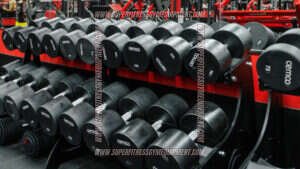
Yes, most dumbbells are weighted on both sides so the handle stays balanced during exercise.
Are dumbbells weighted on both sides in every case? Usually, yes, but the answer depends on the dumbbell type. Fixed dumbbells have equal weight on each end, while adjustable and specialty models may use different designs. Understanding this difference helps you choose safe equipment, lift with better control, and avoid common balance mistakes.

Are dumbbells weighted on both sides?
Yes, standard dumbbells are weighted on both sides of the handle. Each end holds a similar amount of weight, which keeps the dumbbell balanced in your hand.
For example, a 20-pound fixed dumbbell usually has about 10 pounds on one side and 10 pounds on the other. The handle itself adds a small amount of weight. The exact split can vary by design, but the two ends are made to balance each other.
This balanced shape lets you perform movements such as:
• Biceps curls
• Shoulder presses
• Chest presses
• Rows
• Lunges with dumbbells
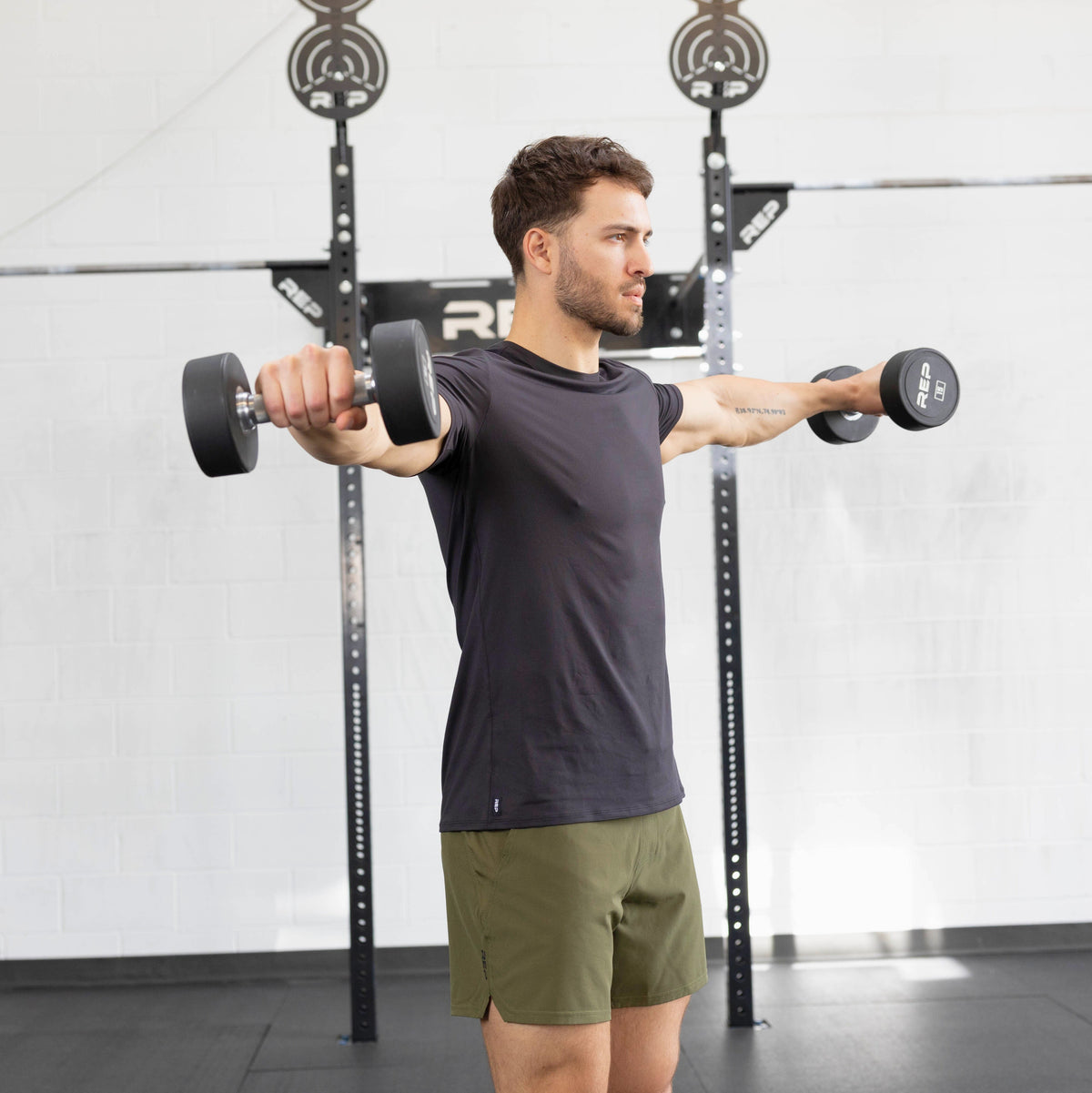
• Lateral raises
• Goblet squats
Are dumbbells weighted on both sides to make lifting easier? Not exactly. The balanced design does not remove the challenge. It helps the weight stay stable so your muscles, rather than a loose or uneven load, control the movement.
Why dumbbells have weight on both ends
The main reason dumbbells are weighted on both sides is stability. A balanced dumbbell keeps its center of mass near the middle of your hand.
Think of the handle as the center of a small seesaw. If both ends have equal weight, the seesaw stays level. If one end is much heavier, it pulls down and makes the handle harder to control.
Balanced dumbbells also offer several practical benefits:
• Better grip control during slow exercises
• Less twisting in the wrist
• Smoother movement through the full range of motion
• More even stress on the working muscles
• Lower risk of the dumbbell suddenly rotating
This design matters most during exercises where your wrist must stay firm. A dumbbell press, for example, can feel awkward if one side keeps dropping toward the floor.
Are dumbbells weighted on both sides because equal loading protects your joints? Balanced weight may support better control, but it does not guarantee safe form. You still need the right load, a neutral wrist, and a steady movement speed.
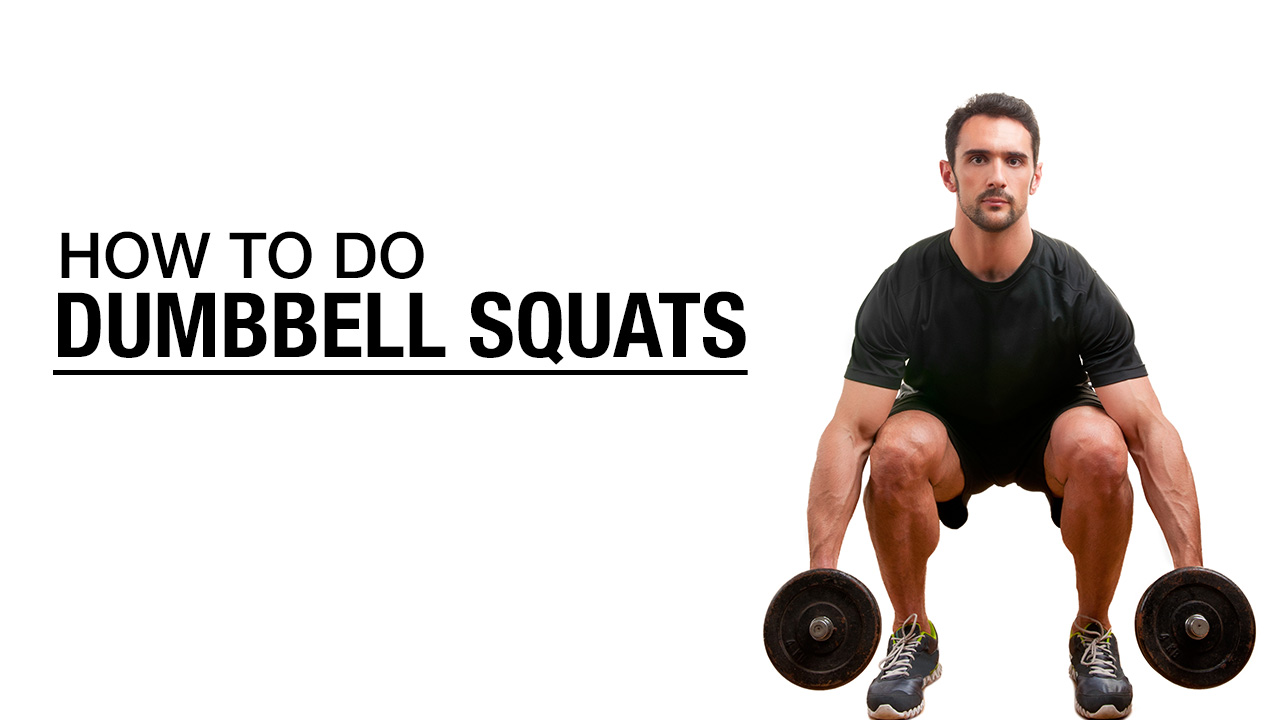
How different types of dumbbells are weighted
Not every dumbbell looks or feels the same. The way weight is placed on each side depends on the model.
Fixed dumbbells
Fixed dumbbells have permanent weights attached to each end of the handle. They are common in gyms and home workout spaces.
Most fixed models are symmetrical. A 10-pound dumbbell has nearly equal weight on both sides, plus the handle. Rubber, neoprene, cast iron, or chrome may cover the weight.
Rubber and neoprene dumbbells often have a more compact shape. Cast iron models may have wider plates or hexagonal ends. The outside shape can change, but the balance should remain similar.
Adjustable dumbbells
Adjustable dumbbells use removable plates, sliding pins, or selector systems. You can change the total weight by adding or removing plates from each side.
With traditional plate-loaded dumbbells, you should place the same plates on both ends. For example, add a 5-pound plate to the left and another 5-pound plate to the right.
Some modern adjustable dumbbells hide the weight inside a larger housing. Their weight may not look evenly spread across the handle, but the internal design keeps the center of mass close to the grip.
Are dumbbells weighted on both sides when you load them yourself? They should be for normal two-handed or one-handed exercises. Uneven plates can create unwanted torque and make the dumbbell harder to control.
Selectorized dumbbells
Selectorized models let you choose a weight with a dial or pin. Internal plates move into position when you select a setting.
These dumbbells usually distribute the load evenly, but the outer housing may make one side look different from the other. Always check the manufacturer’s instructions before changing the weight.
Specialty dumbbells
Some specialty dumbbells are designed for a specific purpose. Examples include:
• Center-mass dumbbells
• Block dumbbells
• Fat-grip dumbbells
• Weighted handles
• Plate-loaded handles
• Dumbbells with offset grips
These may not look perfectly symmetrical. However, a quality product should clearly state how it is meant to be held and loaded.
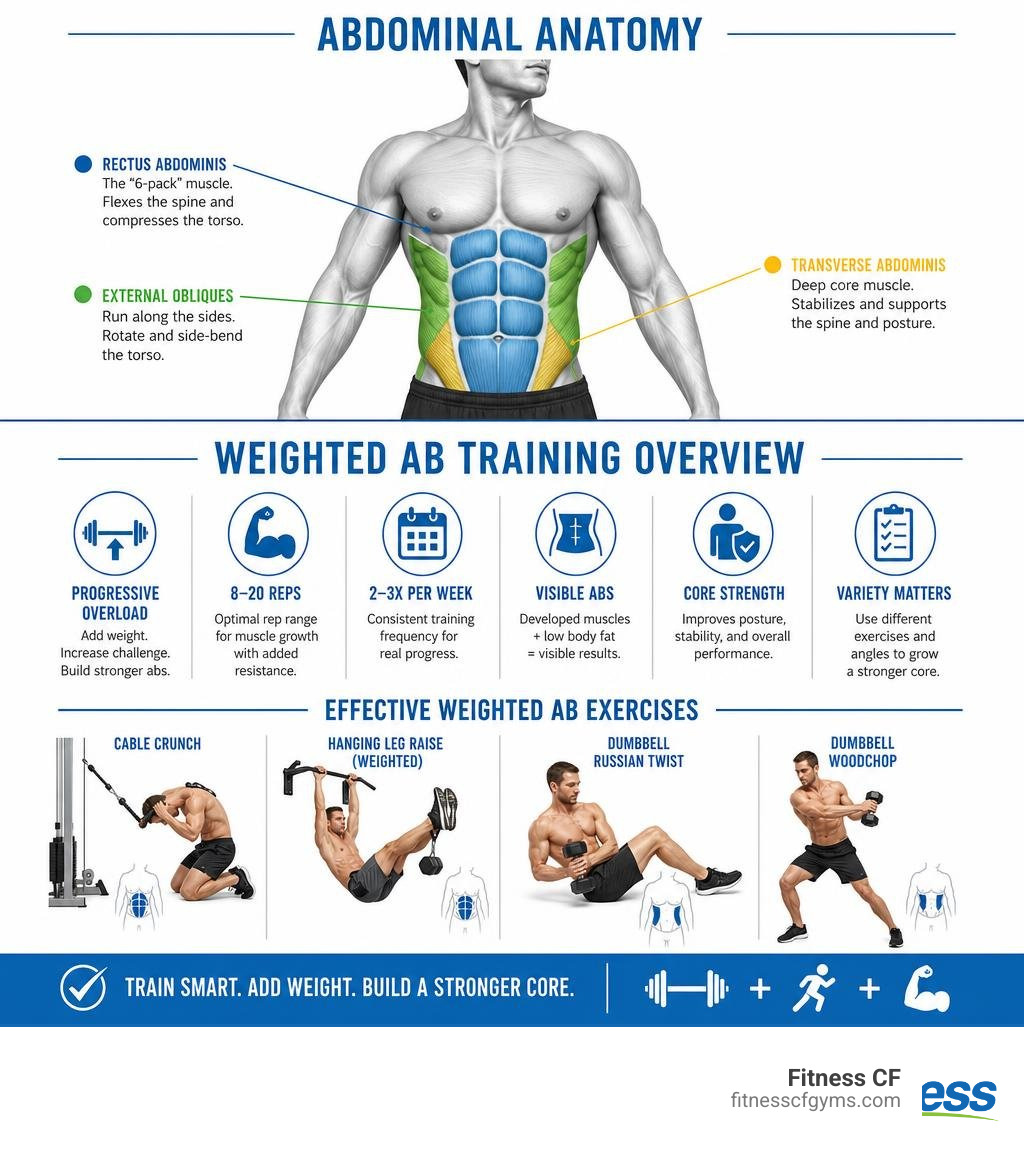
Are dumbbells always perfectly equal on both sides?
No. Dumbbells are designed to be balanced, but they are not always perfectly equal down to the smallest measurement.
Manufacturing tolerances can cause small differences. The coating, handle, welds, plates, and internal parts may also change the final weight. A pair marked “25 pounds” may have a slight difference between the two units.
For most people, a small difference is not important. You may notice a larger issue when:
• One end has a visibly different plate
• A collar is loose
• The handle is bent
• One side has a damaged coating
• An adjustable dumbbell is loaded unevenly
• The weight shifts during movement
Commercial gyms often use calibrated equipment for testing and strength sports. Regular home and gym dumbbells usually do not require that level of precision.
If accuracy matters, weigh each dumbbell on a reliable scale. Check the dumbbell with its plates and collars attached. This gives you a better idea of the true training load.

What happens when dumbbells are uneven?
An uneven dumbbell creates torque. Torque is the turning force that happens when weight sits away from the center of your grip.
Suppose the left side is much heavier than the right. Your wrist may bend toward the heavier side. Your forearm then works harder to keep the dumbbell level.
That may lead to:
• A weaker grip
• Early forearm fatigue
• Wrist discomfort
• Uneven shoulder movement
• Poor exercise technique
• Less control during the lowering phase
An uneven dumbbell is not always dangerous by itself. Light differences may not matter during a simple curl. However, a large difference can become a problem during overhead presses, chest presses, or exercises with heavy loads.
I have found that people often notice imbalance first during the lowering part of a lift. The upward phase can feel fine because momentum helps. The slow return reveals whether the weight is truly under control.
Stop and adjust the load if the dumbbell twists, tilts, or pulls your wrist out of position.
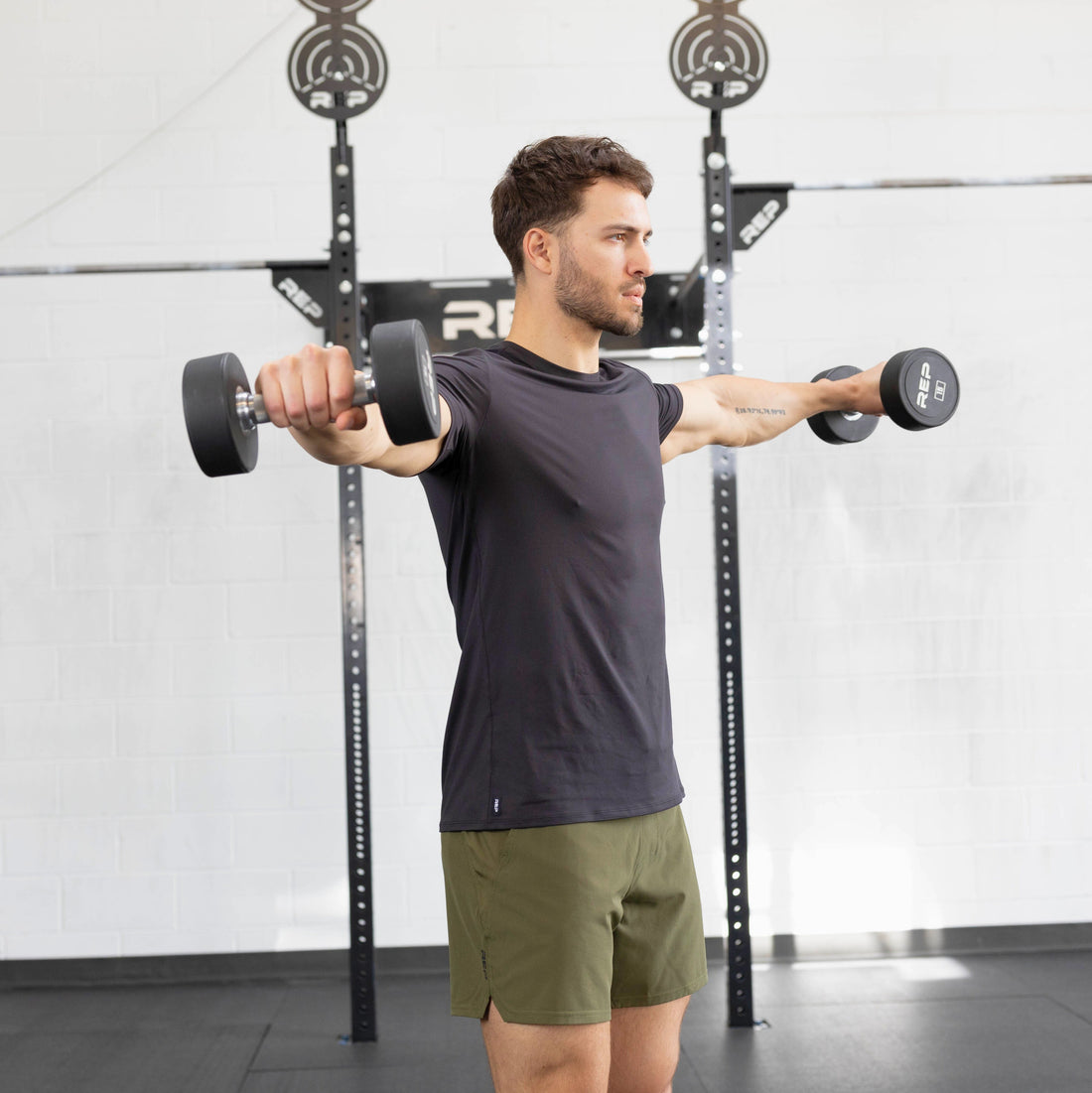
How to check whether a dumbbell is balanced
You can perform a simple check at home or in the gym. It takes less than a minute.
- Place the dumbbell on a flat surface.
- Check whether both ends sit at a similar height.
- Hold the handle at its center.
- Let the dumbbell hang without forcing your wrist.
- Rotate the dumbbell slowly in your hand.
- Listen for loose plates or internal movement.
- Compare it with the matching dumbbell.
For adjustable models, remove the weight and inspect each plate. The plates should match on both ends. Tighten the collars until the plates do not slide, but do not force them so hard that you damage the threads.
A quick visual check can also help. Look for bent handles, cracked plates, missing collars, or uneven gaps. These problems can affect balance and safety.
Are dumbbells weighted on both sides if they sit unevenly on the floor? Not always. The floor, dumbbell shape, and rubber coating may create a small visual difference. Test the dumbbell in your hand rather than judging it only by how it rests.

How to load adjustable dumbbells correctly
Correct loading is essential when using plate-loaded dumbbells. The goal is to keep the total weight and distance from the handle equal on both sides.
Use this process:
- Place the same plate on each side.
- Keep the plates in the same order.
- Tighten both collars evenly.
- Check that no plate can slide.
- Hold the dumbbell near the center.
- Test it with a light movement before lifting fully.
For example, if you want a 30-pound dumbbell, you might place 12 pounds of plates on each end and use a 6-pound handle. The exact numbers depend on the handle and plates.
Do not put all the plates on one end to save time. This setup can turn a normal dumbbell into an awkward lever. It may also damage the handle or cause a plate to loosen.
A lesson many new lifters learn the hard way is that tight collars are not optional. A loose plate can shift without warning, especially during rows or presses. Take a few seconds to check the equipment before every heavy set.
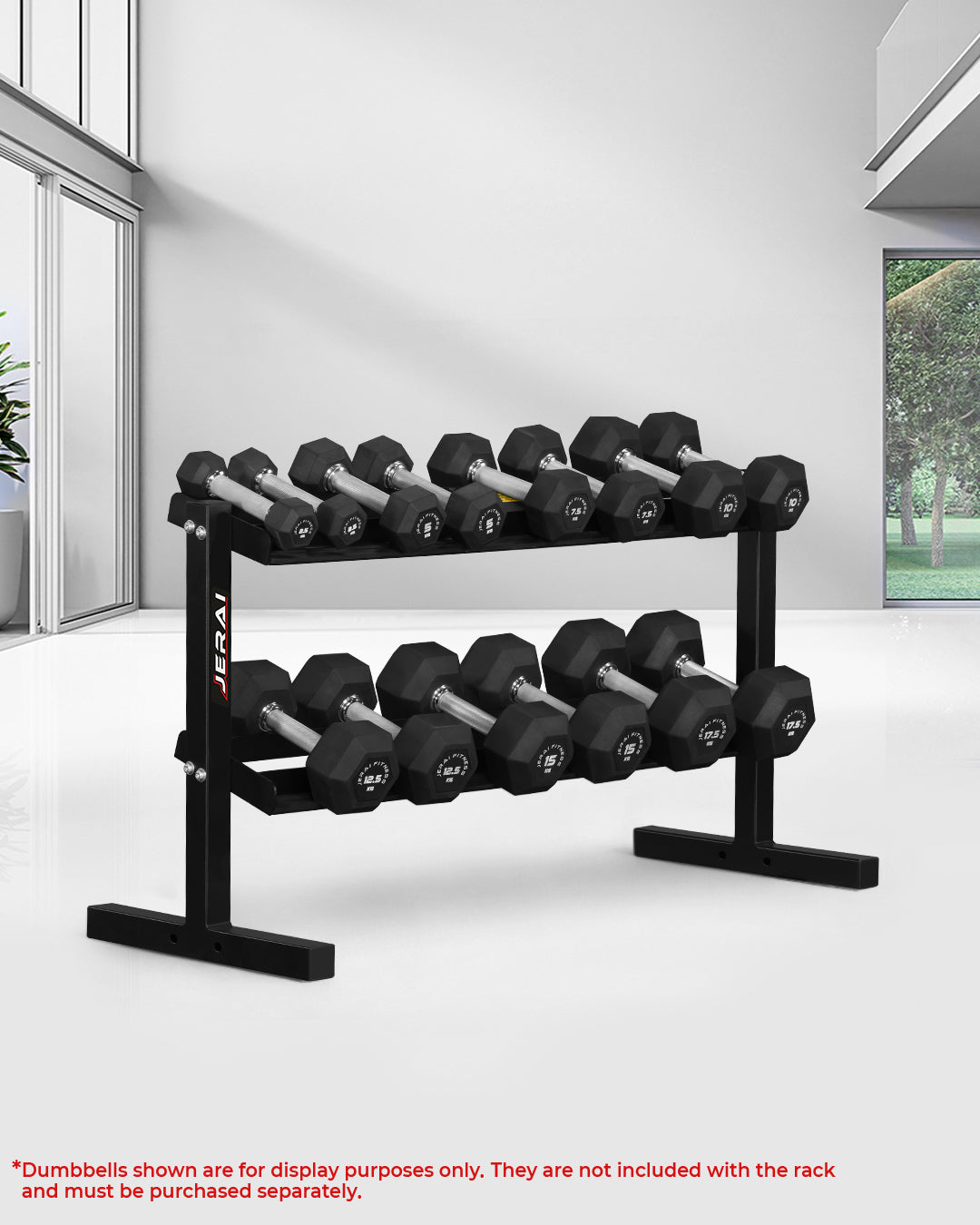
Do both sides of your body get the same weight?
When you use two dumbbells, each hand usually holds the same weight. This supports even loading on the left and right sides of your body.
However, equal dumbbell weight does not mean both sides will work equally. Most people have a stronger side. One shoulder, arm, or leg may also have better control.
Single-arm exercises can help reveal these differences. For example, you may complete 12 curls with your right arm but only 10 clean curls with your left arm.
To train more evenly:
• Start with your weaker side
• Match the repetitions on your stronger side
• Use slow, controlled movements
• Avoid swinging the weight
• Keep the same range of motion on each side
• Reduce the load if one side changes position
This approach is common in resistance training because it helps limit compensation. It also makes your progress easier to measure.
Are dumbbells weighted on both sides enough to correct muscle imbalances? No. Balanced equipment helps, but technique, exercise selection, mobility, and training volume also matter.
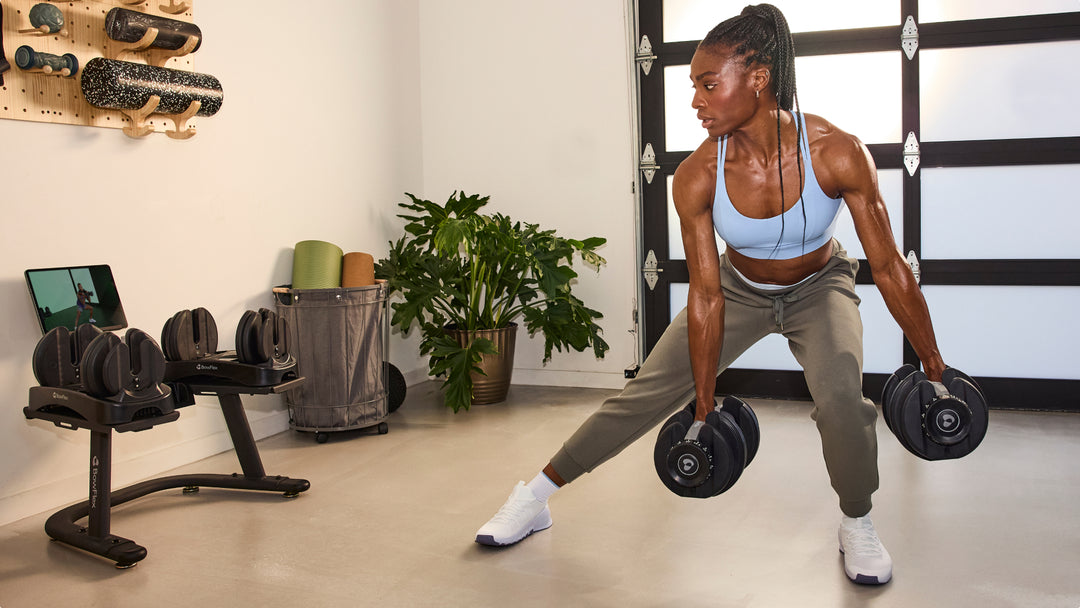
Fixed dumbbells versus barbells
Dumbbells and barbells both use external weight, but they create different demands.
A barbell connects both hands to one long bar. Your stronger side may help your weaker side during some movements. Dumbbells separate the hands, so each side must control its own load.
Dumbbells can offer these advantages:
• Greater freedom for the wrists
• More independent work for each arm
• Useful training for muscle imbalances
• Easy storage in smaller spaces
• A wide range of home workout options
Barbells can be useful when you want to lift a heavier total load or practice movements that need a stable connection between both hands.
Neither tool is automatically better. The right choice depends on your goal, experience, available space, and comfort. Many effective programs use both.
Safety tips for using balanced dumbbells
Evenly weighted equipment is only one part of safe training. Use good habits each time you lift.
• Choose a weight you can control for every repetition.
• Keep your wrist straight during presses and curls.
• Move through a smooth range of motion.
• Avoid dropping adjustable dumbbells with loose plates.
• Inspect handles, collars, and plates often.
• Keep the floor clear around your workout area.
• Use a spotter for very heavy presses when needed.
• Stop if you feel sharp pain, numbness, or sudden weakness.
A mild burning feeling in the working muscle is common. Sharp joint pain is not something to push through.
Exercise science guidance supports gradual increases in training load rather than sudden jumps. Increase weight only when your form remains steady and you can complete your target repetitions with control.
Frequently Asked Questions About Are Dumbbells Weighted on Both Sides
Are dumbbells the same weight on both ends?
Most standard dumbbells have nearly equal weight on both ends. Small manufacturing differences can occur, but a noticeable imbalance may signal damage or incorrect loading.
Are adjustable dumbbells weighted on both sides?
Adjustable dumbbells are designed to be balanced when you place matching plates on both sides. Selectorized models may look uneven, but their internal weight system is made to keep the load stable.
Can I use an uneven dumbbell?
You can use one with a very small difference, but a large imbalance can strain your wrist and reduce control. Rebalance the plates or replace the dumbbell before performing heavy exercises.
Why does my dumbbell feel heavier on one side?
The plates may be uneven, a collar may be loose, or the dumbbell may have a bent handle. Your grip or muscle strength may also differ between sides, making the same dumbbell feel different in each hand.
Does dumbbell shape affect balance?
Yes. A hexagonal, round, or block shape can change how the dumbbell rests and rotates. The shape does not always indicate poor balance, so test the dumbbell while holding it.
Are dumbbells weighted on both sides for every exercise?
Most are, but specialty dumbbells may use an offset or center-weighted design. Read the product instructions and use the grip recommended by the manufacturer.
Should both dumbbells weigh exactly the same?
For most exercises, yes. Matching dumbbells make training more even and help you compare strength from one side to the other.
Conclusion
Are dumbbells weighted on both sides? In most cases, yes. Fixed dumbbells use balanced ends, and adjustable dumbbells should be loaded evenly to keep the handle stable.
Small differences are normal, but a large imbalance can affect your grip, wrist position, and exercise form. Check your equipment, tighten adjustable plates, and choose a weight you can control without twisting or swinging.
Use this knowledge the next time you shop for dumbbells or set up a home gym. For more strength-training guidance, explore reliable exercise resources, share this article with a training partner, or leave a comment with your dumbbell questions.

Brandon Knoxley is a sport & fitness writer and training guide contributor at MySportFitHub. He focuses on practical workouts, performance-based training, and honest fitness gear insights designed for real people and real results. Brandon is passionate about helping beginners and active individuals train smarter, avoid common mistakes, and build sustainable fitness habits.