Are Treadmills Good For Weight Loss: Effective Guide
Yes, treadmills can support weight loss when paired with a calorie-aware diet and steady, progressive exercise.
Are treadmills good for weight loss? Yes, they can be one of the most practical tools for burning calories, building fitness, and creating a steady workout routine. The key is using the treadmill with the right pace, incline, workout plan, diet, sleep, and recovery habits. This guide explains what works, what often fails, and how to make treadmill exercise part of a realistic weight-loss plan.
Are treadmills good for weight loss?
Treadmills are good for weight loss because they make walking, jogging, and running easy to control. You can set your speed, adjust the incline, track your time, and repeat the same workout from one day to the next.
Weight loss happens when your body uses more energy than you eat over time. A treadmill can help create that calorie deficit by increasing daily movement. However, the machine itself does not cause fat loss. Your full routine matters more than any single workout.
A 30-minute brisk walk may burn fewer calories than a hard run, but it can still help. The best treadmill workout is one you can do often without pain, burnout, or extreme hunger.
Treadmills are especially useful because they offer:
• A weather-proof place to exercise
• Simple speed and incline control
• Easy progress tracking
• Lower-impact walking options
• A safe setting for beginners
• Flexible workouts at home or in a gym
Federal physical activity guidelines encourage adults to complete at least 150 minutes of moderate aerobic activity each week, or 75 minutes of vigorous activity. More activity may provide extra health and weight-control benefits when paired with a suitable eating plan.
How treadmill workouts support fat loss
Treadmill exercise supports fat loss in several ways. First, it increases calorie use during the workout. Second, it can improve heart health and stamina, which may help you stay active for longer periods.
Walking and running also train large muscle groups. Your legs, hips, and core work together with every step. The more muscles involved, the more energy your body needs to move.
Still, calorie burn estimates are only rough guides. Treadmill screens may overestimate calories because they often do not account for your exact body size, fitness level, age, or whether you hold the handrails.
A practical approach is to use the treadmill display to compare workouts, not to treat the number as a perfect measurement. Your weight trend, waist size, energy, and fitness level give a clearer picture over several weeks.
The role of a calorie deficit
A calorie deficit means you use more energy than you consume. It does not require starving yourself or removing every food you enjoy.
A modest deficit is often easier to maintain than a very large one. You can create it by combining:
• Regular treadmill workouts
• More daily walking
• Enough protein and fiber
• Smaller portions of high-calorie foods
• Fewer liquid calories
• Better sleep and stress control
For example, a person may walk for 30 minutes, reduce sugary drinks, and add vegetables to two meals. These small changes can work better than an intense plan that lasts only one week.
The best treadmill workouts for weight loss
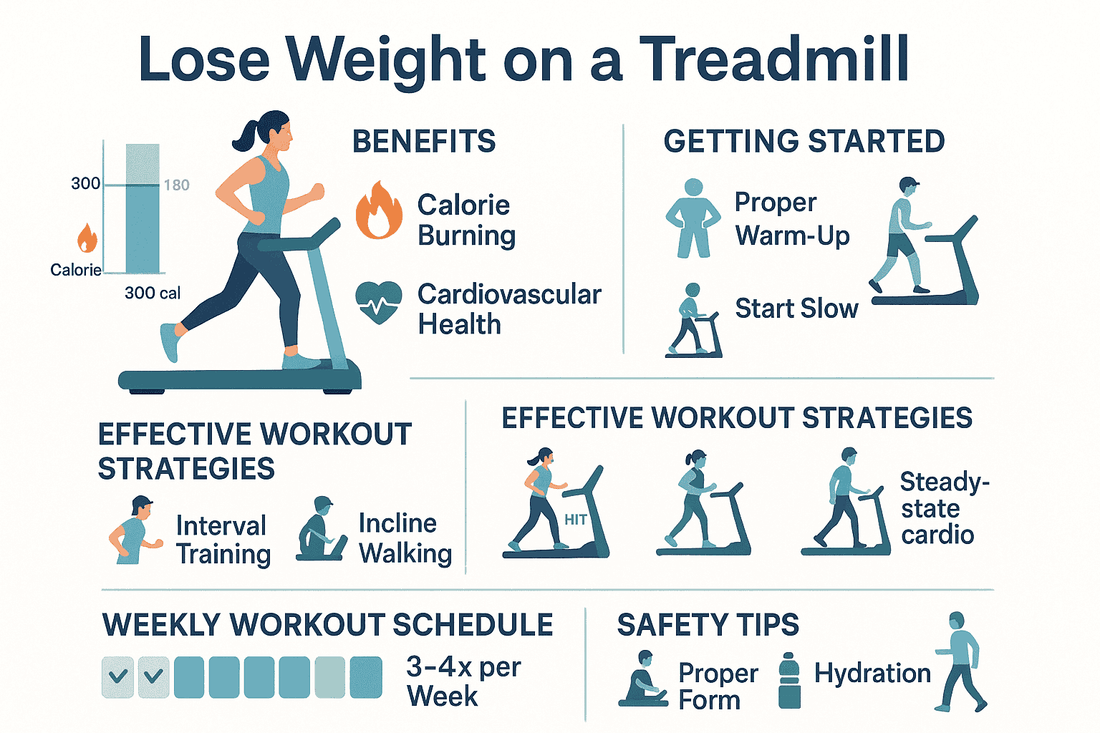
The best treadmill workout depends on your current fitness, joint health, schedule, and preferences. You do not need to run to lose weight. Brisk walking can be highly effective when you do it consistently.
Brisk walking
Brisk walking is a strong starting point for beginners. Aim for a pace that raises your breathing but still allows you to speak in short sentences.
Try this simple plan:
- Warm up for 5 minutes at an easy pace.
- Walk briskly for 20 to 30 minutes.
- Cool down for 5 minutes.
- Repeat 3 to 5 days per week.
As your fitness improves, add five minutes to your workout or raise the speed slightly. Small increases help protect your joints and reduce the risk of soreness.
Incline walking
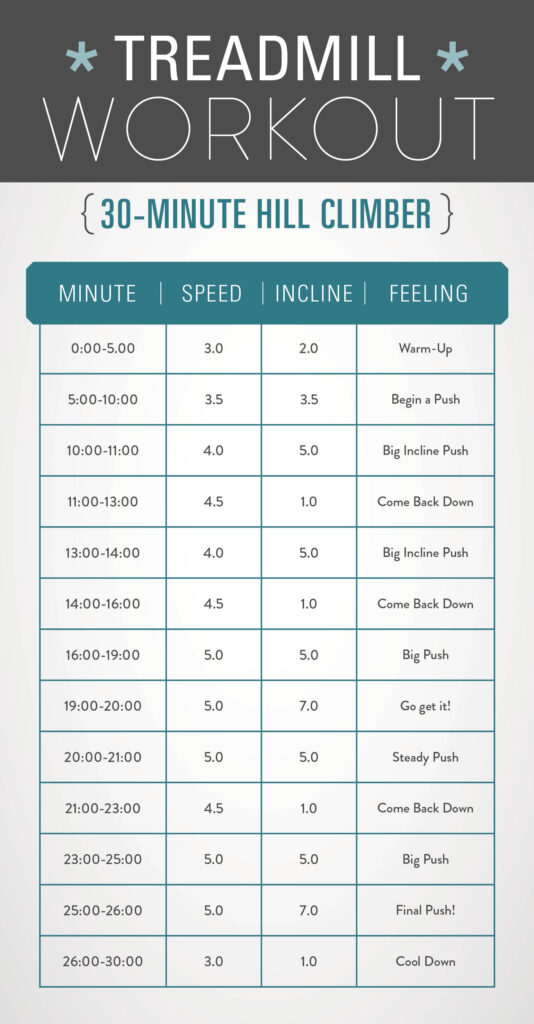
Incline walking can raise the challenge without forcing you to run. A moderate incline makes your legs work harder and may increase your heart rate.
Try walking at a comfortable speed with a 3% to 8% incline. Begin with short incline periods, such as five minutes, and lower the incline when your calves or knees feel tired.
Do not lean heavily on the handrails. Holding the rails reduces the work required and may change your posture. If you need the rails for balance, lower the speed or incline.
Interval training
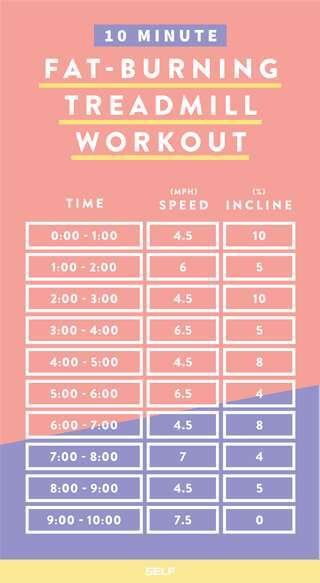
Intervals alternate between harder and easier efforts. They can make treadmill workouts shorter and more engaging.
A beginner interval workout may look like this:
• Warm up for 5 minutes
• Walk fast for 1 minute
• Walk easy for 2 minutes
• Repeat the cycle 6 to 8 times
• Cool down for 5 minutes
More advanced exercisers can use short jogging or running intervals. Hard efforts should feel challenging but controlled. You should not feel dizzy, breathless, or unable to recover during the easy periods.
Steady-state jogging or running
If your joints tolerate running, steady jogging can burn many calories in a short time. However, running is not automatically better than walking for weight loss.
Running may increase impact, muscle soreness, and injury risk. A person who runs for two days and then rests for a week may burn fewer total calories than someone who walks regularly.
The best choice is the workout you can repeat safely.
How long should you use a treadmill to lose weight?
Many people start with 20 to 30 minutes per session. This is enough to build a habit and improve basic fitness.
Over time, you can work toward 150 to 300 minutes of moderate treadmill activity per week. The higher end may help with weight management, but your body needs time to adapt.
A simple weekly schedule could include:
• Monday: 30-minute brisk walk
• Tuesday: Rest or gentle mobility work
• Wednesday: 30-minute incline walk
• Thursday: 25-minute interval workout
• Friday: Rest
• Saturday: 40-minute easy walk
• Sunday: Optional light walk or rest
You can divide workouts into shorter sessions. Two 15-minute walks may be easier to complete than one 30-minute session, and both add useful movement.
If you are new to exercise, begin with 10 to 15 minutes. Consistency matters more than starting with a demanding plan.

Treadmill speed and incline for weight loss
There is no single best treadmill speed for fat loss. The right pace depends on your fitness and the effort you can maintain.
Use effort as a guide:
• Easy pace: You can speak in full sentences
• Moderate pace: You can speak, but you need short pauses
• Hard pace: You can say only a few words at a time
For many adults, brisk walking may fall between 3 and 4 miles per hour. Some people need a slower pace, while trained walkers may move faster. Your personal effort matters more than the exact number.
Incline can make walking harder without increasing speed. Yet a high incline is not always better. Too much incline may strain your calves, Achilles tendon, hips, or lower back.
Increase only one factor at a time. You can raise your speed, add incline, or extend the workout. Changing all three at once makes it harder to know what caused pain or fatigue.
Treadmill walking versus running for weight loss
Both walking and running can help with weight loss. The better option depends on your body, goals, and ability to recover.
Walking is often easier on the joints and may be suitable for people with more body weight, low fitness, or previous injuries. It also allows frequent workouts with less recovery time.
Running burns more calories per minute for many people, but it also creates more impact. It requires a gradual progression, supportive shoes, and enough rest.
A walk-run plan can provide a useful middle ground:
- Walk for 5 minutes.
- Jog for 30 seconds.
- Walk for 90 seconds.
- Repeat 8 to 10 times.
- Cool down for 5 minutes.
Over several weeks, slowly increase the jogging periods. Stop and seek medical advice if you have chest pain, faintness, unusual shortness of breath, or sharp joint pain.

Common treadmill weight-loss mistakes
Many people ask, “Are treadmills good for weight loss?” after trying the machine without seeing results. Often, the problem is not the treadmill. It is the way the workout fits into the full lifestyle.
Eating back every workout calorie
Treadmill calorie numbers can create a false sense of accuracy. Some people burn 250 calories and then eat far more because they feel they earned it.
You do not need to fear food after exercise. Just remember that one workout does not cancel a large calorie surplus. Focus on balanced meals and reasonable portions.
Starting too hard
A very intense first week can lead to severe soreness, poor sleep, or injury. Then the plan stops.
Start below your maximum. Leave room to improve. A routine that feels almost too easy at first may become a strong habit.
Holding the handrails
Holding the rails can reduce the workload and encourage poor posture. It may also make the displayed calorie estimate less useful.
Use the rails for balance when needed, but lower the speed or incline if you cannot walk naturally without holding on.
Doing the same workout forever
Your body becomes more efficient as fitness improves. The same treadmill workout may feel easier and burn fewer calories over time.
Progress by adding a few minutes, increasing speed slightly, using a gentle incline, or adding one interval day. Do not increase everything at once.
Ignoring strength training
Cardio is valuable, but strength training helps maintain muscle during weight loss. Muscle supports movement, strength, and daily function.
Add two weekly sessions with exercises such as squats to a chair, wall pushups, rows, step-ups, and hip hinges. Use a trainer or physical therapist if you need help with form.

How to combine treadmill exercise with nutrition
Treadmill workouts work best with a simple, filling eating pattern. Extreme diets can make exercise feel harder and may lead to overeating later.
Build most meals around:
• Protein such as eggs, fish, chicken, tofu, beans, or Greek yogurt
• High-fiber foods such as oats, fruit, vegetables, and whole grains
• Healthy fats such as nuts, seeds, olive oil, or avocado
• Water and other low-calorie drinks
Protein can help support muscle during weight loss. Fiber may help you feel full for longer. Neither nutrient is magic, but both can make a calorie-aware diet easier to follow.
Before a workout, choose a small meal or snack if you feel hungry. A banana with yogurt, oatmeal, or toast with eggs may work well. After exercise, eat a normal balanced meal rather than treating the workout as permission for unlimited snacks.
Weight loss does not need to be perfect. A consistent plan that includes birthday meals, restaurant visits, and favorite foods is often more sustainable.
A practical four-week treadmill plan
This beginner-friendly plan builds time and effort gradually. Adjust it to your fitness level.
Week one
Walk for 15 to 20 minutes, three days per week. Keep the pace easy to moderate, and focus on good posture.
Week two
Walk for 20 to 25 minutes, four days per week. Add a few one-minute brisk periods if your body feels ready.
Week three
Complete three 25-minute walks and one interval workout. During the interval workout, alternate one minute of brisk walking with two minutes of easy walking.
Week four
Complete four workouts of 25 to 35 minutes. Add a gentle incline to one workout or extend one session by five minutes.
Track more than body weight. Also record your workout time, pace, incline, mood, sleep, and how your clothes fit. Body weight can change from water, sodium, hormones, and digestion. Look for trends over at least four weeks.
Safety tips for treadmill workouts
Most people can use a treadmill safely, but preparation matters. Wear shoes that fit well and give you stable support. Keep the area around the treadmill clear.
Use the safety clip when available. Learn how to stop the belt before you begin. Do not step off a moving belt unless you know how to do so safely.
Warm up before faster work and cool down afterward. Stop if you feel chest pressure, faintness, severe pain, or unusual breathing trouble.
Speak with a health professional before starting a new exercise program if you have heart disease, uncontrolled high blood pressure, diabetes, a major joint condition, or other health concerns. Pregnant people and those recovering from surgery should also seek personal guidance.
Personal lessons that make treadmill weight loss easier
One lesson I often share is that people overvalue intense workouts and undervalue repeatable ones. A hard 45-minute run may look impressive, but a comfortable 30-minute walk done four times each week can create a stronger long-term result.
Another common mistake is chasing the treadmill calorie number. Treat it as an estimate, not a reward. Your progress is better judged by consistent workouts, steady eating habits, improved fitness, and changes over time.
A useful habit is to keep the treadmill visible and make the first step easy. Place your shoes nearby, choose a podcast, and decide your workout before you start. When exercise feels like a normal part of the day, motivation does not have to carry the whole plan.
Frequently Asked Questions About Are Treadmills Good for Weight Loss
Are treadmills good for weight loss if I only walk?
Yes, treadmill walking can support weight loss when it helps you maintain a calorie deficit. Walk at a pace that raises your heart rate, and gradually increase time, speed, or incline as your fitness improves.
How many days a week should I use a treadmill for weight loss?
Many people can begin with three to five treadmill sessions per week. Start with manageable workouts and include rest or easy movement so your muscles and joints can recover.
Is running on a treadmill better than walking for weight loss?
Running often burns more calories per minute, but it also creates more impact and may require more recovery. Walking can be just as useful if you do it consistently and adjust the duration or incline over time.
What is the best treadmill incline for weight loss?
There is no universal best incline. A moderate incline that increases effort without causing pain is a good choice, and beginners may start around 1% to 3% before progressing slowly.
Can I lose weight using a treadmill without changing my diet?
You may lose some weight through increased activity, but diet has a major effect on calorie balance. Combining treadmill exercise with filling foods and reasonable portions usually produces more reliable results.
How long does it take to see treadmill weight-loss results?
Some people notice better stamina within a few weeks, while visible weight changes may take longer. Track progress over four to eight weeks because daily weight can shift due to water, food, and hormonal changes.
Conclusion
Are treadmills good for weight loss? They can be, especially when you use them regularly and combine workouts with balanced eating, strength training, sleep, and recovery. Walking, incline work, intervals, and running can all help, but the best method is the one you can perform safely and repeat over time.
Start with a realistic goal, such as three 20-minute walks this week. Build slowly, track your progress, and adjust your plan when your fitness improves. Explore more evidence-based fitness resources, and share your treadmill goals or questions in the comments.

Brandon Knoxley is a sport & fitness writer and training guide contributor at MySportFitHub. He focuses on practical workouts, performance-based training, and honest fitness gear insights designed for real people and real results. Brandon is passionate about helping beginners and active individuals train smarter, avoid common mistakes, and build sustainable fitness habits.