Best Incline Treadmill For Weight Loss: Top Buying Picks
The best incline treadmill for weight loss combines a strong motor, useful incline, safe deck, and simple daily controls.
You may want to lose weight, but busy days, bad weather, and crowded gyms can get in the way. An incline treadmill brings the workout home and turns a short walk into a stronger calorie-burning session. I looked at incline range, speed, motor design, deck size, weight limits, storage, and daily ease of use. The models below suit different homes and goals, from light walking to steady jogging. Remember, a treadmill supports weight loss; a steady calorie deficit, good sleep, and regular use still drive the result.
CURSOR FITNESS 16% Incline Treadmill

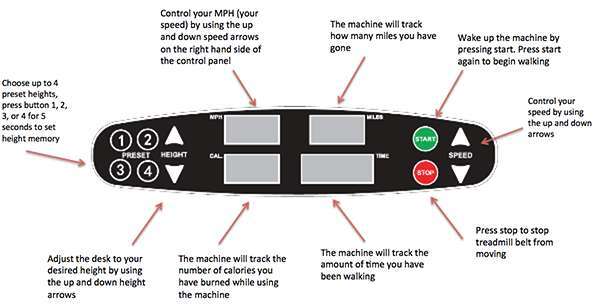
The CURSOR FITNESS treadmill stands out with a 16% incline, which is a strong feature for home weight-loss training. A steep grade can raise effort without forcing you to run fast. That makes it useful for brisk uphill walks, short intervals, and gradual fitness work. The three LED displays should also make it easier to watch key workout data at a glance.
I like this style of treadmill for users who want a clear challenge but do not need a huge commercial machine. Walking uphill can feel like climbing a long hill, so you can work hard while keeping your pace controlled. Start with a low grade, hold a steady posture, and increase the incline in small steps. As always, check the current listing for exact speed, deck, warranty, and assembly details before ordering.
Pros:
- High 16% incline for demanding hill walks
- Three LED displays for quick data checks
- Useful for walking and interval workouts
- Incline can increase effort without extreme speed
- Home-friendly option for regular weight-loss sessions
Cons:
- Steep incline may feel difficult for new users
- Exact motor and deck details should be confirmed before purchase
- Incline training can create more knee and calf stress
My Recommendation
I recommend the CURSOR FITNESS model for someone who wants the best incline treadmill for weight loss with a serious uphill setting. It suits walkers who prefer hill work over fast running and users who want room to progress. New exercisers should use the handrails only for balance, not to support their full weight. The 16% setting is best used in short blocks at first.
| Best for | Why |
|---|---|
| Hill walking | The 16% incline offers a strong uphill challenge. |
| Interval training | You can switch between easy walking and steep efforts. |
| Data-focused users | Three LED displays make basic metrics easy to read. |
15% Incline Folding Walking Pad

This foldable walking pad combines a 15% incline, handle bar, two-screen display, and four adjustable incline levels. Its listed 3.5HP motor and 350-plus-pound capacity make it appealing to users who want more support than a very small under-desk pad. The RGB light and smart app add a modern touch, although those extras matter less than deck comfort and stable operation.
The biggest advantage is flexibility. You can use it for easy flat walking, raise the grade for a short hill block, or add faster work as your fitness improves. A foldable frame may also help people with limited floor space. Before buying, measure the stored and working footprint, and confirm the exact incline controls, speed range, noise level, and warranty on the live product page.
Pros:
- 15% incline supports strong uphill walking
- Four incline levels offer simple progression
- Handle bar can improve confidence and balance
- Listed 350-plus-pound capacity suits many users
- Foldable design helps with home storage
- Smart app and RGB lighting add useful engagement
Cons:
- Walking pads may have shorter decks than full treadmills
- App features may require setup and phone pairing
- Higher incline can make the machine feel more demanding
My Recommendation
This is a strong candidate for the best incline treadmill for weight loss if you want a foldable machine with a higher user limit. It fits users who walk often, need a handle bar, and want several incline choices. It may also work well in an apartment or compact room, provided the machine’s footprint suits your space. I would choose it over a basic flat walking pad for users who value hill training.
| Best for | Why |
|---|---|
| Small home gyms | The foldable design can make storage easier. |
| Progressive walkers | Four incline levels allow gradual increases. |
| Higher-capacity users | The listing states a 350-plus-pound capacity. |
Small Walking Pad With Incline

This small walking pad adds an incline and a handle bar while keeping the basic concept simple. It targets people who want a treadmill for home but lack room for a large console machine. The compact format can make daily walking feel less like a major event. That matters because the best exercise machine is often the one you can use without moving half the room.
I see this model as a practical choice for light walking, easy cardio, and short uphill sessions. The handle bar may help new users feel more secure, but it should not replace good posture and balance. A small deck can limit long strides, so taller users should check the belt dimensions carefully. Also confirm its speed, weight capacity, incline method, and warranty before placing an order.
Pros:
- Small format suits tight rooms
- Incline adds challenge to normal walking
- Handle bar can improve user confidence
- Simple design may feel less intimidating
- Useful for short, frequent home workouts
Cons:
- Compact deck may not suit tall users or long strides
- May be better for walking than hard running
- Verify capacity and motor details before purchase
My Recommendation
I would suggest this model to a beginner searching for the best incline treadmill for weight loss in a small apartment. It is best for steady walking rather than intense running or long athletic sessions. Its handle bar and compact body can remove two common barriers: fear of losing balance and lack of space. If you need a long belt, high speed, or heavy daily use, consider a larger machine.
| Best for | Why |
|---|---|
| Small apartments | The compact walking-pad style uses less floor space. |
| Beginner walkers | The handle bar can make early workouts feel safer. |
| Short daily sessions | The simple setup encourages quick, repeat use. |
MJWW Incline Walking Pad With Smart App

The MJWW walking pad focuses on incline training and smart app control. App support can help users track sessions, adjust settings, or follow a more planned routine. That can be helpful when motivation fades and every workout starts to feel the same. The jogging-focused design also suggests more range than a basic under-desk pad.
In my view, this model suits a user who enjoys technology and wants a treadmill that feels interactive. Still, an app should support your habits, not carry them. Use the incline for short, controlled work, then return to a pace you can maintain with good form. Check phone compatibility, subscription terms, speed limits, belt size, and rated capacity before buying, since these details affect real-world value.
Pros:
- Incline helps raise workout intensity
- Smart app control can improve workout tracking
- Jogging support adds versatility
- Good fit for users who enjoy connected fitness
- Can make repeat workouts feel more varied
Cons:
- App setup may take extra time
- Connected features may depend on a compatible phone
- Users who prefer simple controls may not need the app
My Recommendation
The MJWW is a good match for tech-minded users comparing the best incline treadmill for weight loss. Choose it if app control helps you stay accountable and you want more than a plain walking belt. It is less appealing if you want a machine with no pairing or digital setup. For the best value, use the app to build a clear weekly plan rather than chasing every extra feature.
| Best for | Why |
|---|---|
| App users | Smart controls may help track and guide workouts. |
| Routine builders | Digital tracking can support consistent habits. |
| Walk-jog training | The design offers more range than a basic pad. |
WELLFIT Foldable Auto-Incline Treadmill

The WELLFIT foldable treadmill is aimed at users who need a stronger frame and a higher weight rating. Its listing highlights auto incline, a 400-plus-pound capacity, and adjustable height. Those points can matter more than flashy extras for a user who wants a stable home workout base. A foldable build also helps when the treadmill must share space with a living room or bedroom.
Auto incline is convenient because you can change the hill level without stepping off the belt. It also makes interval plans easier to follow. I would still place the machine on a firm, level surface and leave safe clearance around it. Because capacity, motor power, deck size, and incline range are key safety details, review the current listing and manual before use.
Pros:
- 400-plus-pound listed capacity supports a broad user range
- Auto incline makes changes easier during workouts
- Adjustable height may improve setup comfort
- Foldable frame helps save storage space
- Strong fit for walking-based weight-loss plans
Cons:
- Heavy-duty frames can be harder to move
- Auto-incline parts may need more care over time
- Large users should confirm deck dimensions for comfort
My Recommendation
This is one of the better options for shoppers who need the best incline treadmill for weight loss with a high stated capacity. I would place it on the shortlist for larger users, couples sharing one machine, or anyone who values a more solid frame. The auto incline is especially useful for structured hill intervals. Confirm the exact measurements and support policy, then use a safety clip and begin at a gentle grade.
| Best for | Why |
|---|---|
| Higher-capacity users | The listing states a 400-plus-pound capacity. |
| Auto-incline workouts | Users can change the grade without manual adjustment. |
| Shared home gyms | Adjustable height and foldable storage add flexibility. |
6-in-1 Treadmill With 10% Incline

This 6-in-1 treadmill offers a 10% incline, a listed 7.5 MPH top speed, app compatibility, a speaker, and 12 HIIT programs. Its 3.0HP brushless drive and 350-pound stated capacity make it more versatile than a simple walking pad. The lower incline may feel more approachable for new users. It can still add a useful hill effect to a brisk walk.
I like the balance between workout variety and home convenience here. HIIT programs can break a session into short work and rest periods, which helps users avoid the same flat walk every day. The speaker may make music or guided sessions more enjoyable, but it should never distract from safe footing. Confirm whether the listed speed is peak speed, and check belt dimensions if you plan to jog often.
Pros:
- 10% incline suits beginner and intermediate hill work
- 7.5 MPH listed speed supports walking and light jogging
- 12 HIIT programs add workout variety
- Brushless drive may offer efficient, smooth operation
- App compatibility supports connected training
- 350-pound listed capacity suits many home users
Cons:
- 10% incline is lower than several competing models
- Peak speed may not equal a sustained running speed
- Speakers and apps add features but not direct weight loss
My Recommendation
This model may be the best incline treadmill for weight loss for a family that wants one machine for walking, jogging, and varied workouts. It is a sensible middle ground for users who do not need a very steep grade. The HIIT programs can help keep sessions fresh and focused. I would choose it for general home fitness, not for serious distance running or advanced hill racing.
| Best for | Why |
|---|---|
| Mixed home use | It supports walking, light jogging, and HIIT sessions. |
| Beginners | A 10% incline offers challenge without an extreme grade. |
| Workout variety | Programs, app support, and speaker features add options. |
Walking Pad With Incline and Handle Bar

This walking pad keeps the focus on the basics: a home belt, an incline, and a handle bar. That simple setup can suit people who want to walk while watching television or following a quiet routine. The handle bar gives a useful contact point when stepping on, changing pace, or building confidence. It may be a better fit than an open, handle-free pad for some beginners.
Incline walking can make a moderate speed feel more active, but the effort rises quickly as the grade increases. I suggest starting flat, then adding a short incline block once your legs feel warm. Keep your eyes forward and avoid leaning heavily on the bar. Since the listing gives limited detail in its short title, check motor power, speed, belt size, capacity, and storage measurements before purchase.
Pros:
- Handle bar supports easier mounting and balance
- Incline increases effort without requiring fast speed
- Simple format may be easy for beginners
- Suitable for regular walking at home
- Likely easier to place than a full console treadmill
Cons:
- Short product details require careful listing review
- May not suit runners who need a long deck
- Users should not rely on the handle bar for posture
My Recommendation
I would consider this walking pad for someone seeking the best incline treadmill for weight loss with basic controls and a handle bar. It is best for walking, gentle hill work, and users who value a less complex setup. It is not my first choice for high-speed running or advanced training. As with any compact treadmill, measure your stride and available space before ordering.
| Best for | Why |
|---|---|
| Basic walking | The design centers on simple, repeatable sessions. |
| Balance support | The handle bar gives users a stable contact point. |
| Casual home cardio | Incline adds challenge without a complex console. |
WELLFIT 4.0HP Heavy-Duty Folding Treadmill
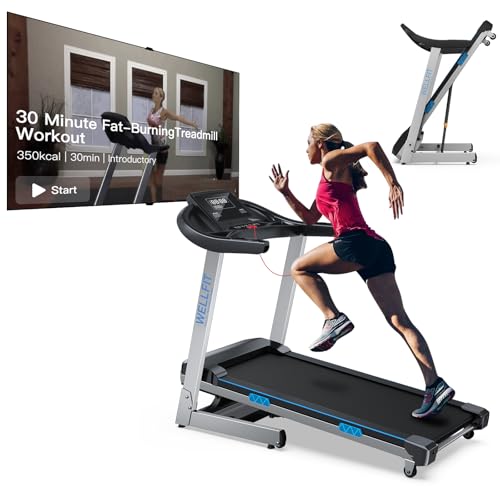
The second WELLFIT model focuses on heavy-duty home use, with a listed 400-plus-pound capacity and 4.0HP motor rating. That combination makes it appealing to users who want a more substantial platform for daily walking. A foldable frame helps offset its larger, stronger design. For weight loss, a stable machine can be valuable because it removes the worry that the equipment will feel too light during each step.
Motor horsepower numbers do not tell the whole story, so I always look at the belt, frame, cooling, warranty, and user reviews as well. A strong motor can help with frequent sessions, but the belt must still feel comfortable and stay centered. Use this treadmill for steady walks, incline work, and controlled jogs if the speed and deck allow it. Confirm incline type and exact dimensions on Amazon before purchase.
Pros:
- 4.0HP listing suggests strong home-workout potential
- 400-plus-pound stated capacity supports larger users
- Heavy-duty design may feel more stable
- Foldable frame helps with storage
- Good choice for frequent walking sessions
- Suitable for users who want room to progress
Cons:
- Heavier construction may be harder to move
- Large frame needs more floor and clearance space
- Confirm incline and speed details before ordering
My Recommendation
This WELLFIT is a good pick for shoppers who want the best incline treadmill for weight loss with a heavy-duty feel. I would favor it for larger users, frequent walkers, and households where several people will share the treadmill. It can be a better long-term choice than a very small pad when stability matters most. Measure doorways and storage space first, because a strong treadmill is not useful if you cannot place it safely.
| Best for | Why |
|---|---|
| Heavy-duty home use | The listed motor and capacity target demanding routines. |
| Larger users | The stated 400-plus-pound capacity offers added flexibility. |
| Frequent walkers | A sturdier frame can support repeated use. |
12% Auto-Incline Under-Desk Walking Pad

This under-desk walking pad adds a 12% auto incline to a compact black design. It targets people who want to add more movement during work breaks, calls, or light home tasks. Auto incline is a useful upgrade over a flat pad because it lets you create a harder session without walking at a very high speed. The compact format may fit beneath a desk or in a closet more easily than a full treadmill.
Use caution when combining walking with desk work, especially on an incline. I prefer to learn the controls and balance first, then add simple tasks only at a slow pace. The 12% grade is better for focused workouts when you want to watch your step. Check the product’s clearance, incline operation, remote control, speed range, belt dimensions, and user limit before buying.
Pros:
- 12% auto incline adds challenge to a small pad
- Under-desk format suits compact work areas
- Auto adjustment reduces manual setup
- Useful for walking breaks and low-impact cardio
- Storage may be easier than with a full treadmill
Cons:
- Under-desk walking may not suit incline use at faster speeds
- Compact belts can restrict long strides
- Desk work can reduce focus on safe walking form
My Recommendation
This model may be the best incline treadmill for weight loss for office workers who need a compact way to walk more often. It works best for slow, focused walking and short incline sessions. I would not use it for hard running or complex desk tasks. If you want a machine for a dedicated workout room, a full treadmill with a longer deck may provide a better experience.
| Best for | Why |
|---|---|
| Office movement | The under-desk format supports short walking breaks. |
| Compact storage | A small pad is easier to place and store. |
| Simple hill work | Auto incline adds effort with less manual setup. |
THERUN Small Incline Walking Pad

The THERUN walking pad offers an incline, a 2.5HP brushless core, remote control, and app support. Its listed 265-pound capacity places it in the small-home and personal-use category. The brushless motor design may appeal to users who want a quieter, lower-maintenance feel, though actual noise depends on speed, floor type, belt care, and user weight. A remote can make quick speed changes simple once you learn the controls.
This is a sensible choice for a person who wants a light treadmill routine without a large machine. The app can help track progress, while the remote keeps basic control within reach. At 265 pounds, users near the stated limit should be especially careful to verify the current specification and leave a safety margin. I also recommend checking the belt length if you plan to move from walking into jogging.
Pros:
- Incline adds intensity to a compact walking pad
- 2.5HP brushless core supports home cardio
- Remote control allows quick pace changes
- App support may help with tracking
- Small design fits users with limited space
Cons:
- 265-pound stated capacity is lower than heavy-duty models
- Small deck may not suit taller users
- App and remote features require setup and batteries
My Recommendation
I recommend the THERUN to a lighter user seeking the best incline treadmill for weight loss in a compact package. It is best for walking, short hill workouts, and users who appreciate remote or app controls. I would not select it for a large household, heavy jogging, or users close to its capacity limit. For the right buyer, its small footprint and simple controls can make daily movement easier.
| Best for | Why |
|---|---|
| Compact bedrooms | The small walking-pad design uses limited space. |
| Light home cardio | Incline supports short, steady walking sessions. |
| Remote-control users | The remote allows convenient pace changes. |
How Incline Walking Helps With Weight Loss
Incline walking raises the work needed for each step. Your calves, glutes, and thighs must push more than they do on a flat belt. That can raise heart rate and energy use at the same walking speed. It is like turning a flat road into a gentle mountain path.
Still, no incline treadmill can target fat from one body area. Your body loses fat according to overall energy balance and personal biology. The CDC supports regular physical activity as part of weight management, while federal activity guidance recommends both aerobic activity and muscle-strengthening work for adults. A treadmill can cover the aerobic part, but strength work and food choices still matter.
I usually suggest a simple plan for beginners. Walk flat for five minutes, use a mild incline for five minutes, then cool down flat. Add time before adding steepness, and add steepness before adding speed. This slow ladder helps protect your joints and gives your body time to adapt.
What I Look For In The Best Incline Treadmill For Weight Loss
Incline control: A useful incline should be easy to adjust and stable during use. Auto incline saves time, while manual levels can keep the price lower. A 10% to 16% range offers enough room for beginners and experienced walkers, but the best level depends on your fitness and joint comfort.
Motor and belt: Look beyond a large horsepower number. A smooth motor, solid frame, centered belt, and good cooling system matter during repeated sessions. For walking, you may not need a high top speed. For jogging, look for a longer running surface and a motor built for that workload.
Weight capacity: Treat the listed capacity as a limit, not a target. A machine feels more stable when the user remains well below that number. If two people will share the treadmill, choose a model that can handle the heavier user with room to spare.
Deck size: A short deck may save space but can feel cramped. Measure your natural stride, especially if you are tall or plan to jog. I also measure the ceiling height when using a high incline, since your body rises as the belt lifts.
Safety: A safety key, stable rails, clear controls, and enough room around the treadmill are basic needs. Wear supportive shoes and keep children and pets away from the moving belt. Stop if you feel chest pain, faintness, sharp joint pain, or unusual shortness of breath.
Noise and care: Every treadmill makes some sound. A firm floor, a properly centered belt, regular cleaning, and lubrication when the manual calls for it can reduce noise. Do not place a treadmill on a soft rug unless the manufacturer allows it, because poor support can affect balance and belt tracking.
How To Use An Incline Treadmill For Fat Loss
Start with frequency. Three to five short sessions each week can build a stronger habit than one painful workout. Use a pace that lets you speak in short sentences, then add one or two harder incline blocks. This approach feels more like a steady climb than a sprint up a wall.
Try this beginner session:
- Warm up for five minutes at a flat or low incline.
- Walk two minutes at a mild incline.
- Walk two minutes flat or at a low grade.
- Repeat the pattern four to six times.
- Cool down for five minutes.
As your fitness improves, increase the total time first. Then raise the incline or pace in small steps. You do not need to use the highest setting every day. A moderate grade that you can repeat often is usually more useful for weight loss than a steep grade that leaves you too sore to train.
Keep your hands light on the rails. Holding your body up can reduce the real work and may change your posture. Stand tall, look ahead, keep your steps smooth, and let your arms move naturally. If you have arthritis, heart disease, diabetes, an injury, or another health concern, ask a qualified clinician how to exercise safely.
Which Treadmill Type Should You Choose?
A full folding treadmill is usually best for users who want a stable frame, a longer belt, and regular jogging. It takes more room, but it often feels more natural for longer sessions. The WELLFIT heavy-duty options fit this group.
A walking pad is better for compact spaces, light cardio, and people who plan to walk more than run. It may slide beneath furniture, but you should not assume every model is safe under a desk at every incline. The smaller pads in this guide fit users who value storage and quick access.
A high-incline treadmill suits users who want hill training. The CURSOR model leads this group with its listed 16% incline, while the 15% model offers a strong blend of incline and storage. Beginners may prefer a 10% or 12% option because it is easier to control.
Buying Tips For Amazon Treadmill Shoppers
Amazon listings can change. Prices, seller details, delivery dates, stock, warranties, and specifications may update after this review is published. I recommend checking the current product page before checkout. Read recent reviews for belt tracking, assembly, noise, customer support, and long-term use rather than judging only by the star score.
Look for clear return terms and inspect the box when it arrives. Photograph damage before assembly and keep all packing material until you test the machine. Do not exceed the stated weight limit. Finally, use a surge protector only if the manual permits it, and plug the treadmill into the correct outlet.
FAQs Of best incline treadmill for weight loss
Is an incline treadmill good for weight loss?
Yes. Incline walking can increase workout effort and calorie use compared with flat walking at the same pace. Weight loss still depends on your total food intake, activity, sleep, and consistency.
What incline should a beginner use?
Start flat or around 1% to 3% for a warm-up. Try a mild incline for short blocks, then lower it when your form fades. Increase time before using a steep grade.
Is a walking pad better than a full treadmill?
It depends on your goal. A walking pad saves space and suits light walking, while a full treadmill usually offers a longer deck and stronger support for jogging or long sessions.
How long should I walk on an incline treadmill?
Start with 15 to 20 minutes and build toward 30 to 45 minutes as your fitness improves. Use a pace and incline you can repeat safely several times each week.
Can I use the treadmill every day?
Many people can walk daily if they vary the effort and recover well. Keep hard incline sessions limited, watch for joint pain, and take an easier day when your legs feel unusually tired.
Final Verdict: Which Should You Buy?
For most shoppers, the CURSOR FITNESS 16% model is my top pick for the best incline treadmill for weight loss. Its steep incline gives walkers room to progress without requiring extreme speed.
Choose a WELLFIT for higher capacity, a walking pad for small spaces, or the 6-in-1 model for variety. The best results come from safe, steady use and a sensible eating plan.

Brandon Knoxley is a sport & fitness writer and training guide contributor at MySportFitHub. He focuses on practical workouts, performance-based training, and honest fitness gear insights designed for real people and real results. Brandon is passionate about helping beginners and active individuals train smarter, avoid common mistakes, and build sustainable fitness habits.