Best Treadmill For Obese People: Safe Buying Guide
The best treadmill for obese people combines a strong weight rating, wide belt, steady motor, and simple safety controls.
Starting a walking plan can feel hard when a treadmill seems narrow, weak, or shaky. The right machine should feel more like a steady bridge than a test of courage. I looked at deck support, user weight limits, folding design, speed control, and home comfort to find practical choices. Both models below support up to 300 pounds, making them useful for many larger users who want gentle indoor walks, steady cardio, or a simple way to move more each day.
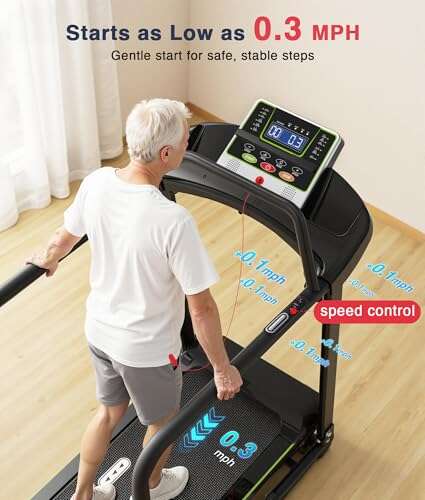
AoraPulse Portable Foldable Treadmill

The AoraPulse Portable Foldable Treadmill is a compact home unit with a listed 300-pound weight capacity. That rating gives many larger users more room to start with calm, low-speed walks. Its small footprint suits a bedroom, office, apartment, or spare room where a full gym treadmill may not fit. The LED display also keeps basic workout data easy to see.
I like this model for users who want a simple walking tool rather than a large machine packed with complex settings. The foldable design can make storage less stressful after a workout. It is best used on a firm, level floor with enough space around the belt for safe mounting and dismounting. As with any compact treadmill, I would use the listed capacity as a ceiling, not a target, and begin at a slow speed.
Pros:
- Listed 300-pound user weight capacity
- Foldable design helps save floor space
- Compact size suits apartments and home offices
- LED display makes key workout data easy to read
- Simple format is friendly for new treadmill users
- Useful for walking and light home cardio
- Portable design makes room changes easier
Cons:
- Compact decks may feel short for users with a long stride
- Small treadmills may not suit fast running
- Users must check clearance before folding or moving it
For someone searching for the best treadmill for obese people on a budget, this AoraPulse model has a clear appeal. Its main strength is access: it gives a larger user a home walking option without taking over the room. I would place it near a wall or sturdy support, but I would not use furniture as a substitute for the treadmill’s own safety controls. A slow start matters more than chasing speed.
The LED screen can help users build a routine by showing time, speed, distance, or other available data. That feedback is useful because small gains add up. Ten minutes today can become fifteen minutes next week, much like adding one brick at a time to a path. The machine’s value depends on regular use, careful setup, and realistic goals.
AoraPulse Walking Pad With Handle Bar
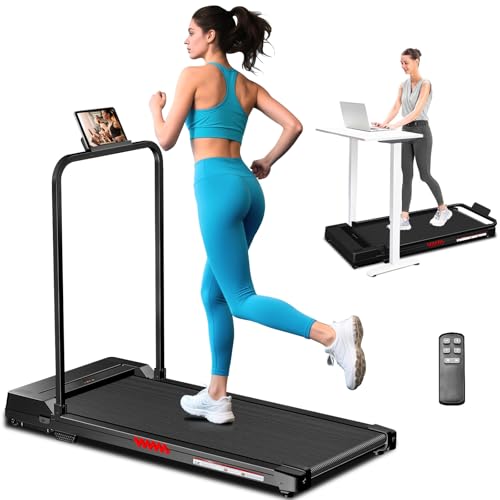
The AoraPulse Walking Pad with Handle Bar is a 2-in-1 folding treadmill with a listed 300-pound capacity. The handle bar gives users a more familiar point to hold while they learn the belt and control their pace. Its walking-pad format can work well in a home office, living room, or bedroom. The stated 2.5 HP motor rating may provide useful support for walking, though buyers should focus on the maker’s actual speed and use limits.
This model is a strong fit for a larger beginner who values balance support and flexible use. The handle bar may help a cautious user feel less exposed than on a flat walking pad with no rail. I still recommend standing tall, keeping a light grip, and avoiding sudden turns. The foldable build adds storage value for homes where every square foot matters.
Pros:
- Listed 300-pound weight capacity
- Handle bar offers extra support for cautious walkers
- 2-in-1 design supports different home-use setups
- Foldable format helps with storage
- Portable walking-pad style fits small rooms
- Useful for desk breaks and steady indoor walks
- Simple layout can suit first-time treadmill buyers
Cons:
- Handle bar needs enough open space around it
- Walking-pad decks may feel limited for running
- Compact models may require more frequent belt checks
The handle bar makes this option especially interesting for anyone who feels unsure about stepping onto a treadmill. It does not replace good balance, medical advice, or a safety key, but it can provide confidence during the first few sessions. I would call it one of the best treadmill for obese people options for users who want a little more structure than a bare walking pad offers. It also makes the machine easier to understand at a glance.
The best results will come from a slow, repeatable plan. Start with a short walk, keep the speed comfortable, and stop if pain, dizziness, chest pressure, or unusual breathlessness appears. A treadmill should support progress, not force it. For home users who want gentle movement near a desk or couch, this model offers useful flexibility.
My Recommendation
| Best for | Why |
|---|---|
| Small homes and apartments | The foldable AoraPulse Portable model saves space and supports simple indoor walking. |
| New users who want added support | The AoraPulse Walking Pad with Handle Bar provides a rail to hold lightly while learning the belt. |
| Daily low-impact cardio | Both listed 300-pound models offer a practical way to build a steady walking habit at home. |
I recommend the AoraPulse Portable Foldable Treadmill for a user who wants the most compact and simple setup. It is a sensible pick for walking, light exercise, and home use where space is tight. The AoraPulse Walking Pad with Handle Bar is the better match for a beginner who wants extra hand support and a more familiar treadmill feel. In either case, the listed 300-pound capacity is an important starting point, but it does not tell the whole story.
When I assess the best treadmill for obese people, I look beyond the number on the product page. A treadmill must feel stable under the intended user, fit the room, and allow safe control of speed. It should also make regular use easy. A machine that sits folded in a closet may look neat, but it cannot help until it is placed where the user will actually walk.
What Makes the Best Treadmill for Obese People?
A high weight rating is the first filter, but it is not the only one. A good treadmill for a larger user should have a clear capacity margin, a firm deck, steady motion, and controls that are easy to reach. I also check the walking surface, rail design, frame feel, noise, and warranty details. These traits matter because comfort and confidence often decide whether a new workout habit lasts.
Weight capacity describes the maximum load the maker says the machine can support. It does not promise that every user will feel equally stable or comfortable. If a user weighs close to the listed limit, I would favor a stronger commercial-style frame when possible. For a compact home treadmill, I would keep speed modest and inspect the frame, belt, and motor during the first few weeks.
Weight Capacity and Safety Margin
The listed 300-pound capacity on both AoraPulse models is useful for many buyers. Still, I prefer a safety margin whenever a user can afford a larger treadmill. A person weighing 285 pounds may technically fit under a 300-pound limit, but the machine has less room for impact, movement, and long-term wear. Walking also creates repeated force each time the foot meets the belt.
That does not mean a buyer must avoid every compact treadmill. It means the buyer should match the product to the planned use. Gentle walking places less stress on a machine than fast running. A user near the upper limit should avoid jumping, sprinting, or carrying extra loads while walking.
Deck Size and Walking Comfort
A wide belt can reduce worry about stepping off the side. A longer belt can help users with a long stride or a natural arm swing. Compact walking pads save room, but they may feel cramped for tall users or anyone who walks with a long step. I suggest measuring a current hallway or floor area before buying.
Stand on the proposed space and imagine taking ten normal steps. Leave clear room behind the treadmill and beside the rails. The user should not feel trapped against a wall. Good clearance is a simple safety feature, yet many buyers forget it when they focus only on price and motor power.
Motor Power and Real-World Use
Motor labels can confuse shoppers. Horsepower may appear as peak horsepower or another rating that does not show how the motor performs during a long walk. For a larger user, steady operation matters more than a flashy number. A treadmill that holds a smooth walking pace can be more useful than one that claims a high top speed.
Compact machines often suit walking better than hard running. If your goal is daily walking, light incline work, or short cardio sessions, a compact model may meet your needs. If your goal is frequent running, seek a longer deck, a heavier frame, a stronger continuous-duty motor, and a higher rated capacity.
Hand Rails and User Confidence
Hand rails can make a big difference for a new user. They give the eyes and body a stable reference point during mounting and dismounting. The AoraPulse Walking Pad with Handle Bar stands out for this reason. A rail should feel firm and remain easy to reach without forcing the user to lean forward.
I do not advise gripping the rails tightly for the full workout. A hard grip can change posture and reduce natural arm motion. Instead, use the bar for balance when needed, then release it when you feel steady. If balance remains poor, ask a health professional about a safer exercise plan.
Speed Control and Emergency Safety
Simple speed control is vital. A beginner should be able to lower the speed without searching through a menu. A remote or clear buttons can help, but every user should learn how the controls work before starting. The first session should be a test of the machine, not a test of endurance.
Use the safety key when the treadmill includes one. Keep the area around the machine clear of pets, toys, cords, and loose rugs. Step onto the side rails before starting the belt, then place one foot at a time on the walking surface. This small routine can reduce surprise and help the user stay calm.
How I Evaluate a Treadmill for Larger Users
I begin with the product’s stated capacity and intended use. Then I look at the physical design. Does the treadmill appear suited to walking, running, or both? Does it fold? Does it have rails? Can the display be read without leaning over? These questions reveal more than a single star rating.
I also consider the buyer’s room and routine. A strong treadmill that cannot pass through the doorway is not a practical choice. A large unit that requires a complex setup may discourage a user who needs an easy start. The best treadmill for obese people should reduce barriers rather than add new ones.
Stability Comes Before Speed
Stability should lead the buying decision. A treadmill may move slightly on an uneven floor, especially under a larger load. Place it on a firm surface and use a suitable mat if the floor needs protection. Check that the machine sits level before use.
Do not confuse a high top speed with a better treadmill. Many users need a comfortable walk, not a race. A steady speed between a gentle stroll and brisk walk can support regular movement without creating fear. The right speed is the one that lets the user speak in short sentences and keep good form.
Noise and Shared Living Spaces
Noise matters in an apartment or shared home. The belt, motor, floor, and user’s foot strike all add sound. A mat may reduce vibration, but it cannot make every treadmill silent. Walk during a time that suits the home, and avoid placing the machine against a thin shared wall.
Compact units often make sense for light home use, but buyers should still check the product instructions for session limits. A motor can become warm during long workouts. Giving the unit time to cool may protect the machine and help it last longer. If the product manual sets a duty cycle, follow it.
Storage and Setup
Folding treadmills appeal to buyers with limited room. Yet a folded treadmill still needs a safe storage spot. Never store it where it can fall, block a doorway, or tempt a child to climb. Check the locking system each time you fold it.
Before the first walk, remove all packing material and confirm that the belt moves as expected. Read the manual for lubrication, belt alignment, and cleaning. A few minutes of setup can prevent months of poor performance. If the belt drifts to one side, stop using the machine and adjust it as directed.
Walking Plans for Beginners With Obesity
A treadmill can help, but the first plan should feel manageable. Many people quit when they begin with a pace or duration that leaves them sore for days. I prefer a small target that a user can repeat. Consistency is the quiet engine behind progress.
Start with five to ten minutes at an easy speed if that feels safe. Use a warm-up pace for the first few minutes, then continue only if your body feels well. Add a few minutes after several comfortable sessions. The goal is not to finish exhausted. The goal is to return tomorrow.
A Simple Four-Week Start
During week one, walk for five to ten minutes on three or four days. Keep the belt slow enough that you can step off without panic. During week two, add one or two minutes to each walk if your joints and breathing feel normal. You can split the walk into two short sessions if one longer session feels too hard.
During week three, aim for ten to fifteen minutes on most planned days. Add a short brisk section only if you can keep good posture. During week four, try fifteen to twenty minutes, or keep the shorter time and add another day. These are examples, not rules. A health professional can help set a plan for medical conditions, pain, or severe breathlessness.
How Often Should You Walk?
The Centers for Disease Control and Prevention encourages adults to work toward regular moderate activity, with a common target of 150 minutes per week. That target can sound huge at first. Break it into short walks, and it becomes less like a mountain and more like a set of steps.
You do not need to reach that target at once. Start below your current limit and build slowly. Some movement is better than none, but pain is not a badge of honor. If you have heart disease, diabetes, severe joint pain, or another health concern, ask your clinician how to begin.
Walking Form That Protects Comfort
Look forward instead of staring at your feet. Keep your shoulders relaxed and let your arms move in a natural way. Place your feet under your body rather than reaching far ahead. Shorter steps may feel safer than a long stride on a compact deck.
Wear supportive shoes with a secure fit. Avoid loose slippers or socks on the belt. Keep water nearby, but do not place bottles where they can fall into the moving parts. Good form should feel calm, not stiff.
How to Use a Treadmill Safely at Home
Safety begins before the belt moves. Place the treadmill away from stairs, glass tables, sharp corners, and clutter. Make sure the power cord does not cross a walking path. If possible, keep a phone nearby so you can call for help if needed.
Mount from the side rails, not from the front of a moving belt. Start at the lowest practical speed. Hold the rail lightly while finding your balance, then look forward. When the workout ends, lower the speed fully before stepping onto the side rails.
What to Wear and Keep Nearby
Choose walking shoes with a stable sole and enough room for your toes. Wear clothes that do not catch on the rails or belt. Keep a towel nearby, but do not drape it over the motor cover. A fan can improve comfort, especially in a warm room.
Use a water bottle with a secure lid. Dehydration can make a workout feel harder than it should. Avoid exercising right after a heavy meal. Give your body enough time to settle before walking.
When to Stop a Workout
Stop at once if you feel chest pain, faintness, severe shortness of breath, sudden weakness, or unusual pain. Sit or lie down safely and seek medical help when needed. Do not try to push through a warning sign.
Normal effort may include warmer skin, a faster heart rate, and mild breathing changes. Sharp pain, strong pressure, or sudden dizziness is different. If you feel unsure, stop and ask a medical professional. A treadmill is a tool for health, not a substitute for care.
Maintenance Tips for a 300-Pound Capacity Treadmill
Maintenance protects both performance and safety. Wipe sweat from the rails and frame after use. Dust can collect around the motor and belt, so follow the manual’s cleaning steps. Never spray liquid directly onto the display or motor housing.
Inspect the belt often. It should run near the center without scraping the frame. A belt that feels jerky, slips, or makes a new grinding sound needs attention. Stop the treadmill before checking it. Never reach near moving parts.
Belt Lubrication
Many treadmill belts need lubrication, but the correct product and schedule vary. Use only the lubricant named in the manual. Too much can cause slipping, while too little can increase friction. If you are not sure, contact the maker before applying anything.
Keep the belt clean and dry. Dirt under the belt can add drag. A clean, well-set belt helps the motor work with less strain. This matters even more when a larger user walks on the machine often.
Electrical Care
Plug the treadmill into the outlet type listed by the maker. Avoid sharing the outlet with high-power appliances. Do not use a damaged cord or a loose extension cable. Unplug the treadmill before cleaning or moving it.
If the machine trips a breaker, smells hot, or shows electrical damage, stop using it. A new treadmill should not smell strongly of burning plastic during normal use. Safety comes before the cost of a repair or the desire to finish a workout.
Compact Treadmill Versus Full-Size Treadmill
A compact treadmill wins on price, storage, and ease of placement. It can be the right answer for a user who mainly wants short walks. The tradeoff is often a shorter belt, lighter frame, and lower running comfort. The buyer must match the design to the goal.
A full-size treadmill usually offers more deck room, stronger rails, and a heavier base. It may feel more stable for a larger user or a tall walker. It also costs more and takes more room. If running is a firm goal, I would look beyond walking pads and compact foldable units.
The best treadmill for obese people is not always the largest treadmill. It is the one that supports the user’s real plan. A person who wants ten-minute indoor walks may gain more from an easy-to-store model than from a costly machine that feels overwhelming. Honest matching beats impressive specifications.
Common Buying Mistakes to Avoid
The first mistake is trusting the weight rating without checking the deck. Capacity and comfort are linked, but they are not the same. A user can fit within the limit and still dislike a narrow belt. Measure your stride and room before you order.
The second mistake is buying for an imagined future workout. Some buyers choose a fast running machine, then use it once because it feels too intense. Buy for the first safe step. You can build speed later, or upgrade when your routine proves what you need.
The third mistake is ignoring after-sale help. Read the warranty terms, return rules, and manual access before buying. A treadmill is a mechanical product, so support matters. Keep the packaging details and order information until you know the machine works well.
Do Not Chase Too Many Features
Bluetooth, app plans, speakers, and large screens can be nice. They do not make a weak frame strong. A clear display, stable belt, reachable controls, and good safety design matter more for most beginners.
Simple features can also improve adherence. If you can step on, press start, and walk within a minute, you are more likely to use the machine. Extra steps can become a wall between you and your workout. Choose the controls that feel natural.
Read Reviews With Care
Online reviews can reveal useful details about noise, assembly, and belt movement. Look for patterns instead of one dramatic comment. A review from a 130-pound runner may not predict how a 280-pound walker experiences the same deck.
Pay attention to verified details such as the user’s size, workout length, and room type. Also separate product issues from delivery damage or setup errors. Reviews work best when you read them as clues, not as a final test.
Who Should Choose Each AoraPulse Model?
The Portable Foldable Treadmill suits a buyer who wants a small machine for basic walking. It may work well in an office or apartment where floor space is limited. The 300-pound listed limit gives it a clear place in the search for the best treadmill for obese people, especially for slow indoor exercise.
The Walking Pad with Handle Bar suits a buyer who wants more support during the first steps. Its rail can help with balance and comfort. It may also suit a home user who wants to move between a walking-pad setup and a raised handle-bar setup. Keep the intended speed and walking style in mind.
Neither compact model should be treated as a heavy-duty running machine without checking the current manual and product details. Larger users create more repeated load, even during walking. Use a level floor, follow maintenance instructions, and stop if the machine shows signs of stress.
FAQs Of best treadmill for obese people
What weight capacity should a treadmill have for an obese user?
Choose a treadmill rated above the user’s current weight when possible. Both AoraPulse models reviewed here list a 300-pound capacity. Keep a safety margin, and do not use the machine for running if the manual limits it to walking.
Is a walking pad safe for heavier people?
A walking pad can be safe when the user stays within its rated capacity and follows the manual. Use it on a level floor with clear space around it. A model with a handle bar may feel better for users who need extra balance support.
Should obese beginners use an incline?
Start flat. Incline increases effort and may add stress to the knees, hips, and ankles. Add incline only when flat walking feels easy and a health professional says it is suitable.
How long should a beginner walk on a treadmill?
Begin with five to ten minutes at a comfortable speed. Repeat that time for several sessions before adding minutes. Short walks count, and two short walks can be easier than one long walk.
What is the best treadmill for obese people in a small home?
The AoraPulse Portable Foldable Treadmill is the better small-space choice for simple walking. The AoraPulse Walking Pad with Handle Bar is better for users who want a rail and flexible setup. Check the deck size and room clearance before buying either one.
Final Verdict: Which Should You Buy?
The AoraPulse Walking Pad with Handle Bar is my top pick for most beginners who want added balance support. The Portable Foldable model is better when space and simple storage matter most.
The best treadmill for obese people should feel safe, steady, and easy to use. Start slow, follow the manual, and build a lasting walking habit.

Brandon Knoxley is a sport & fitness writer and training guide contributor at MySportFitHub. He focuses on practical workouts, performance-based training, and honest fitness gear insights designed for real people and real results. Brandon is passionate about helping beginners and active individuals train smarter, avoid common mistakes, and build sustainable fitness habits.