How To Run On A Treadmill: Beginner To Pro Tips
Master treadmill running safely with good form, steady pacing, and smart progression.
I have coached runners and logged thousands of treadmill miles. In this guide I explain how to run on a treadmill clearly and simply. You will learn setup tips, proper form, workout plans, common mistakes, and how to progress. Read on for a practical, step-by-step approach that mixes research, field experience, and easy-to-follow drills.
Why choose a treadmill?
Treadmills let you run in any weather, control pace, and track progress. They make it easy to repeat intervals and to control effort. You can run safely and steadily while focusing on form and speed. Using a treadmill is a smart way to build base fitness, practice race pace, or recover from injury.
Treadmill setup and safety
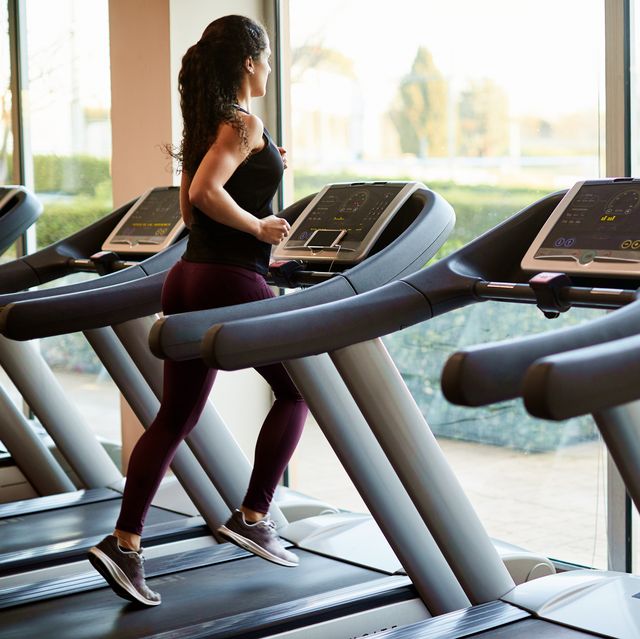
Place your treadmill on a flat surface with room to step off safely. Plug it into a grounded outlet and check the belt tension. Wear proper running shoes and avoid loose clothing that can catch. Use the safety key or clip each run. Start slow so you do not trip or pull a muscle. Keep a water bottle and towel nearby.
:max_bytes(150000):strip_icc()/GettyImages-1128859388-3b0b4effeaaf495484cc8eb050965bfe.jpg)
Proper form and technique
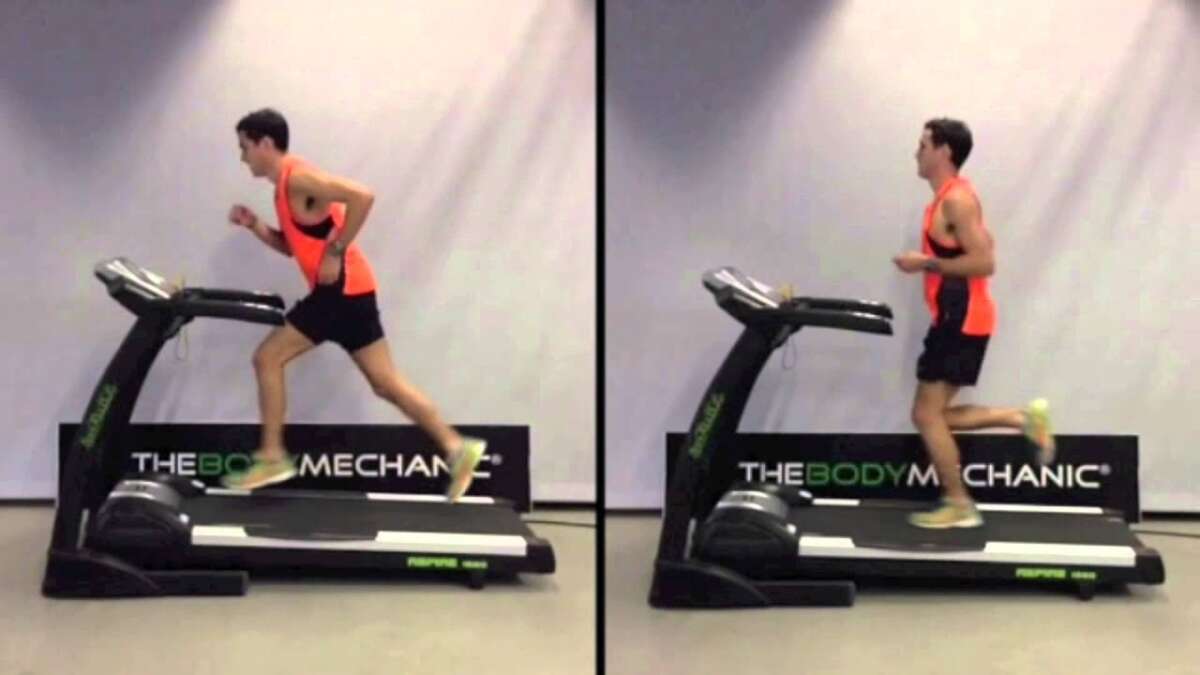
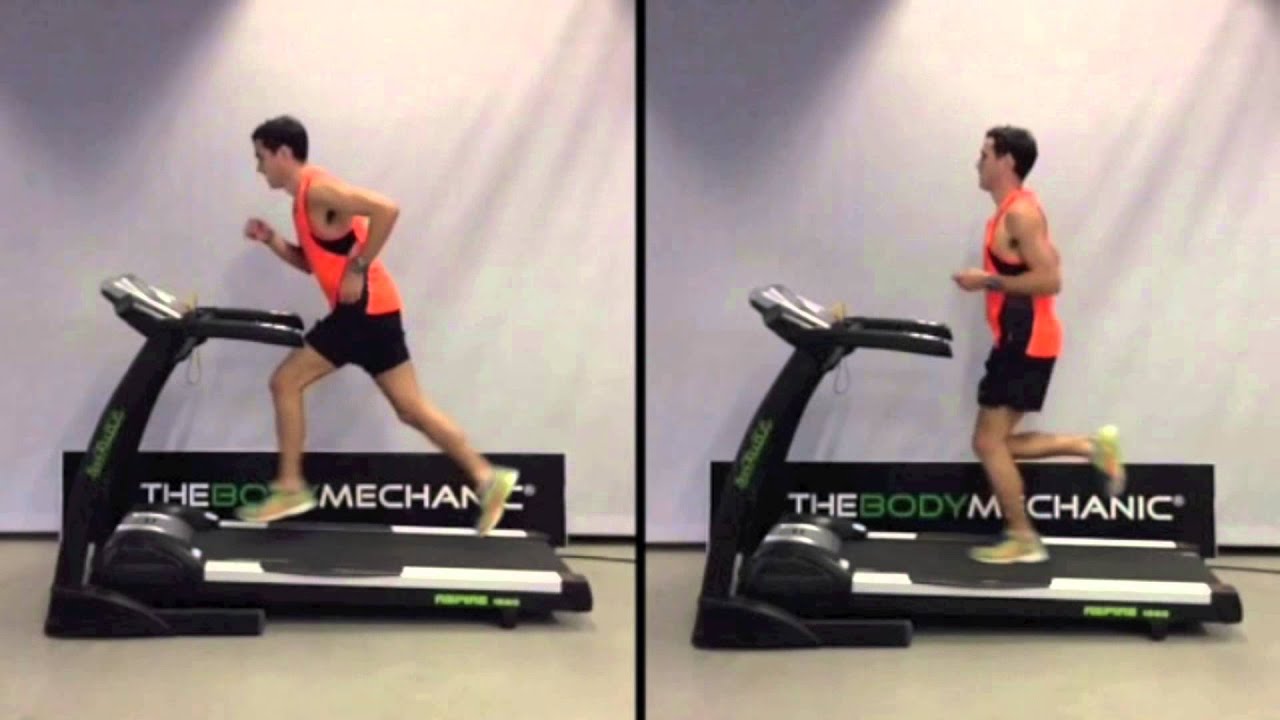
Good form on a treadmill mirrors outdoor running but with small tweaks.
- Stand tall and relaxed. Keep your shoulders down and chest open.
- Look forward. Avoid staring at your feet or the console only.
- Keep your hips stable. Run with a slight forward lean from the ankles.
- Use short, quick strides at higher speeds. Don’t overreach with your foot.
- Swing your arms naturally. Keep elbows near 90 degrees and hands relaxed.
- Land under your center of mass. Aim for a midfoot or light forefoot strike.
- Keep cadence near 170–180 steps per minute for most runners. Use a metronome app if you need help.
Practice these one at a time. I often break sessions into drills: cadence drills, arm-drive work, and posture checks. Doing one focused 5-minute drill per run helps form stick faster.

Workouts and progression
Start with simple runs and add variety as you get stronger.
Beginner plan
- 3 sessions per week.
- Session A: 20 minutes easy run.
- Session B: 5×1 minute faster, 2 minutes easy between.
- Session C: 25 minutes steady pace.
Intermediate plan
- 4 sessions per week.
- Session A: 30 minutes easy.
- Session B: 6×2 minutes at threshold, 2 minutes rest.
- Session C: 40 minutes steady with last 10 at moderate pace.
- Session D: Hill session: 6×1 minute incline 3–5%, walk back down.
Advanced plan
- 5 sessions per week with tempo, intervals, long run, hills, and recovery.
Example interval session
- Warm up 10 minutes easy.
- 8×90 seconds at 5K pace with 90 seconds jog.
- Cool down 10 minutes.
Progression rule
- Increase weekly running time by no more than 10% each week.
- Add speed work only after 4–6 weeks of consistent base work.
Two quick user questions
How fast should I run on a treadmill for intervals?
Run intervals at a pace you can hold for the work time but that feels hard. Use RPE 7–9 for short intervals and RPE 6–7 for threshold work.
Should I use incline on a treadmill?
Yes. A 1% incline simulates outdoor running. Incline helps build strength and reduces boredom.

Common mistakes and fixes
Many runners make simple errors that slow progress.
- Holding onto the rails. This reduces arm drive and alters posture. Practice with light touch or no touch.
- Overstriding. Take shorter strides and increase cadence.
- Going too fast, too soon. Start conservatively and add pace gradually.
- Ignoring incline. Use small inclines for variety and strength.
Fixes are simple. Turn down speed. Reset posture. Do short drills for cadence and arm swing. Small corrections pay off fast.

Tracking progress, recovery, and injury prevention
Track pace, heart rate, and how you feel each run. Use a simple log or app. Rest days matter as much as workouts. Sleep, hydration, and a balanced diet speed recovery. If you feel pain that worsens, stop and see a specialist. Cross-train with cycling or swim to reduce impact while keeping fitness. Gradual progress lowers injury risk and keeps gains steady.

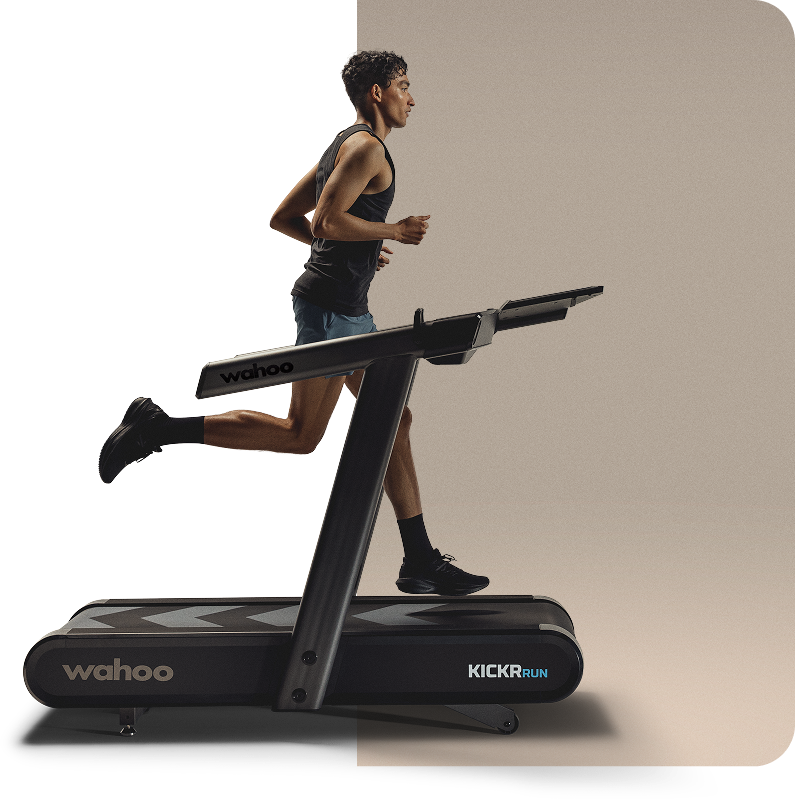
Gear, treadmill types, and buying tips
Choose a treadmill that fits your goals.
- Motor size. Aim for at least 2.5 continuous horsepower for regular running.
- Belt length. Choose 55–60 inches for shorter runners, 65+ inches if you are tall or run fast.
- Incline range. Look for at least 10% incline if you want hill work.
- Console features. Simple speed/incline controls, interval programs, and a reliable safety key matter.
- Budget. New models vary widely. Test a few if possible before buying.
If you run often, invest in a model with a sturdy frame and good warranty. If you train for speed, focus on belt length and motor power.
Personal experience and lessons learned
I began treadmill running after a winter injury. I learned to trust slow progress. Short, consistent runs built my fitness more than occasional long pushes. I once made the mistake of using the handrails for a tempo set. My form broke down and I felt tight for days. After fixing my posture and cadence, I recovered quickly and improved pace. My advice: test gear, use small progress steps, and treat the treadmill as a tool, not a shortcut.
Frequently Asked Questions of how to run on a treadmill
How do I start running on a treadmill safely?
Begin with a walk-to-run warm-up and set a comfortable pace. Use the safety clip and keep sessions short at first to build confidence.
Is treadmill running as good as outdoor running?
Treadmill running can match outdoor benefits for fitness and speed if you vary incline and pace. It lacks some outdoor demands like wind and uneven footing.
How do I avoid boredom on the treadmill?
Use music, podcasts, varying workouts, or simulated courses. Short intervals and incline changes make time pass faster.
What pace should I use for treadmill intervals?
Use a pace slightly faster than your steady run pace for intervals. Keep effort high but controlled and monitor breathing.
Can I lose weight running on a treadmill?
Yes. Weight loss comes from consistent exercise and a calorie deficit. Combine treadmill work with healthy eating and strength training.
How do I choose treadmill incline for training?
A 1% incline approximates outdoor effort on flat ground. Use higher inclines for hill strength and variety.
How often should I run on the treadmill each week?
Aim for 3–5 sessions based on your level. Include easy runs, one speed or hill session, and a recovery day.
Conclusion
Running on a treadmill is a practical, safe, and effective way to build fitness. Use proper setup, focus on form, and add variety with intervals and incline. Progress slowly, track how you feel, and fix small form errors early. Try one new tip this week — a cadence drill, a short interval session, or a 1% incline walk — and see how it helps. If this guide helped, leave a comment, subscribe for more tips, or try a treadmill workout today.

Brandon Knoxley is a sport & fitness writer and training guide contributor at MySportFitHub. He focuses on practical workouts, performance-based training, and honest fitness gear insights designed for real people and real results. Brandon is passionate about helping beginners and active individuals train smarter, avoid common mistakes, and build sustainable fitness habits.