Best Watch For Treadmill Running: Top Picks For Runners
The Garmin Forerunner 55 is my top pick for accurate, simple, and useful treadmill running data.
You finish a treadmill workout and wonder if the distance, pace, and calories are close to reality. That is a common problem because indoor running blocks GPS signals, and wrist sensors can lose accuracy as sweat builds. The best watch for treadmill running should track time, pace, heart rate, and effort without distracting you from your workout. I compared running watches, heart-rate tools, and simple sports watches to help you choose the right match for your goals, budget, and training style.
COROS Heart Rate Monitor

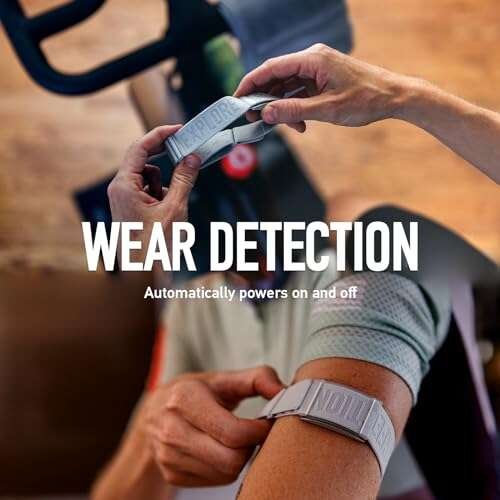
The COROS Heart Rate Monitor is a useful add-on for runners who care more about effort than flashy watch features. It uses a chest-style sensor approach to capture heart-rate changes during intervals, tempo runs, and long treadmill sessions. That matters because heart rate can show how hard you work even when the treadmill speed stays fixed. I find this type of monitor especially helpful for runners who want cleaner training data than a basic wrist sensor can provide.
Its auto-wear detection makes setup easier because the monitor can recognize when you put it on. It is also a practical choice for people who already use a compatible COROS training system or another supported fitness platform. This is not a complete smartwatch, so it will not replace a running watch with a screen. Instead, it works as a focused heart-rate tool that can improve the data from your existing treadmill watch.
Pros:
- Tracks effort more directly than speed alone
- Useful for interval and heart-rate zone training
- Auto-wear detection simplifies daily use
- Lightweight design suits indoor workouts
- Helpful when wrist readings seem inconsistent
- Pairs well with a compatible training setup
Cons:
- It is not a full running watch
- Requires a compatible device or app for viewing data
- May be more than casual runners need
My Recommendation
I recommend the COROS Heart Rate Monitor for serious treadmill runners who already own a watch and want better effort data. It suits runners who train by heart-rate zones, perform repeated intervals, or need a steadier reading during fast workouts. It can also help when arm movement, loose fit, or heavy sweat causes a wrist sensor to struggle. If you want the best watch for treadmill running as a complete device, this monitor needs to be paired with a watch. As a heart-rate upgrade, however, it offers strong value and focused performance.
Moutarlier Distance and Pace GPS Watch

The Moutarlier Distance and Pace GPS Watch targets users who want a large screen and basic running tools at a lower cost. Its feature list includes distance, pace, steps, calories, calls, texts, and water resistance. A large AMOLED-style display can make numbers easier to read while you run. That is useful on a treadmill because you should not have to slow down or twist your arm to read a tiny screen.
For indoor workouts, GPS may not be the main source of distance data, so calibration and arm movement still matter. The watch can serve as a general fitness tracker for walking, gym work, and treadmill sessions. Its long-battery design may appeal to people who do not want to charge a watch every night. I would view it as a budget fitness watch first and a high-level running computer second.
Pros:
- Large display supports quick glances
- Tracks pace, distance, steps, and calories
- Offers useful call and text alerts
- Water resistance supports sweaty workouts
- Includes more than one band for fit changes
- Works well for general fitness tracking
Cons:
- Indoor distance may need user calibration
- Advanced training tools may be limited
- GPS cannot provide normal outdoor accuracy indoors
My Recommendation
This Moutarlier watch is best for beginners, casual runners, and older users who want a readable screen without paying for a premium training watch. It may be a good fit if your main goals are walking, steady treadmill runs, calorie tracking, and basic pace checks. It is not my first choice for runners who need detailed workout planning or highly refined training analysis. Still, it offers broad daily value and an approachable design. For many new runners, the best watch for treadmill running is the one they can read and use without fuss.
COROS POD 2 Treadmill Sensor

The COROS POD 2 is one of the most specialized choices in this guide. It is designed to improve indoor and treadmill distance tracking by measuring movement from the runner rather than relying only on GPS. That makes sense for indoor runs, where buildings block satellite signals and treadmill belts do not provide a direct data feed to most watches. A small foot or shoe-mounted sensor can act like a quiet coach, measuring each stride as you run.
This accessory is most useful for runners who already own a compatible COROS watch and want better pace and distance data. It does not replace a watch because it has no large display for your wrist. Setup and placement also matter, since the sensor needs a secure position and a short calibration period may improve results. If accurate indoor metrics are your main concern, this is a more targeted solution than buying another basic smartwatch.
Pros:
- Designed specifically for indoor and treadmill tracking
- Can improve distance estimates when GPS is unavailable
- Useful for pace and stride-focused training
- Small design stays out of the way during runs
- Works as a focused upgrade to a compatible watch
- Helpful for runners who train indoors often
Cons:
- Needs a compatible watch or app
- Does not provide a wrist display by itself
- Placement and calibration affect the result
My Recommendation
I recommend the COROS POD 2 to dedicated indoor runners who already use a compatible COROS watch. It is especially suited to runners who repeat exact pace workouts, train for races during bad weather, or use a treadmill several times each week. A casual runner may not notice enough benefit to justify a separate sensor. For the right athlete, though, it can make a compatible watch a stronger choice for the best watch for treadmill running. It offers focused value rather than a broad list of smartwatch features.
Moutarlier Distance and Pace GPS Watch, Gold
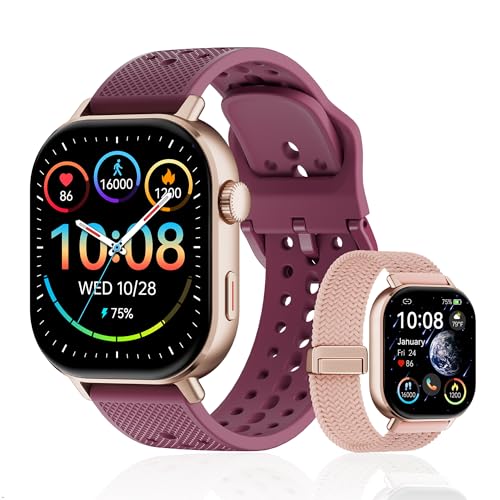
The gold Moutarlier version offers the same general fitness focus as the black model, but its finish gives it a more lifestyle-friendly look. It combines running data with steps, calorie tracking, call alerts, and text notifications. That mix can work well for someone who wants one watch for the gym, workday, and daily errands. The bright display is also helpful when you want to check speed or workout time with a quick glance.
On a treadmill, the key benefit is convenience rather than advanced race analysis. You can monitor the session, track basic activity, and keep your phone in a pocket or nearby bag. The watch is a reasonable starting point for users who want more than a stopwatch but do not need complex training plans. As with any budget watch, I would treat its calorie number as an estimate and use the same device over time to watch trends.
Pros:
- Stylish gold finish suits daily wear
- Large screen supports fast workout checks
- Combines fitness data with phone alerts
- Tracks common metrics such as steps and calories
- Water-resistant design fits active routines
- Includes two bands for greater flexibility
Cons:
- Not built for advanced performance analysis
- Indoor pace can vary without calibration
- Smart features may depend on phone compatibility
My Recommendation
The gold Moutarlier watch is best for users who want a general-purpose fitness watch with a dressier look. It suits walkers, beginner runners, and gym users who value notifications as much as workout data. I would choose it over a simple digital watch when daily activity tracking matters. It may not satisfy a marathon runner who needs deep training metrics, but it can be a comfortable and affordable daily companion. For basic treadmill use, it delivers useful information without a steep learning curve.
Garmin HRM 600 Heart Rate Monitor

The Garmin HRM 600 is aimed at runners who want detailed heart-rate information during structured training. A dedicated heart-rate monitor usually responds faster than a wrist sensor when effort changes quickly. That makes it useful for sprints, incline repeats, and short recovery periods. Instead of guessing how hard you work, you can use heart-rate zones to guide each part of the workout.
This monitor is best used with a compatible Garmin watch or training platform that can display and record the data. It is not a watch, so you will need another device to see your pace, time, or heart rate during the run. The M-XL size is intended for a broader range of users, but fit still matters for reliable contact. I like this option for runners who already invest in Garmin training tools and want a more complete view of effort.
Pros:
- Designed for serious heart-rate training
- Useful for intervals and incline sessions
- Can respond quickly to changing effort
- Pairs naturally with compatible Garmin equipment
- Provides more focused data than a basic watch alone
- Suitable for runners who train by zones
Cons:
- Requires a separate watch or display
- Chest monitors need careful fit and placement
- More advanced than casual runners may need
My Recommendation
I recommend the Garmin HRM 600 for performance-minded runners, coaches, and athletes who use planned treadmill workouts. It is a strong choice when heart rate matters more than smartwatch extras. Runners who perform short intervals may find it more dependable than relying only on a wrist sensor. If you want the best watch for treadmill running, pair this monitor with a capable Garmin running watch rather than using it alone. Its value is highest when you will study the data and adjust your training.
MERACH Incline Treadmill with Heart Rate

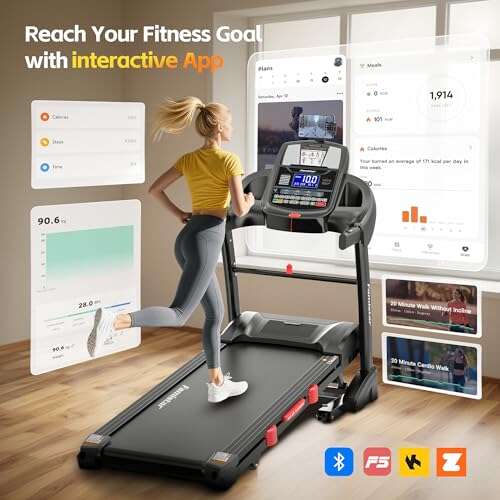
The MERACH treadmill is different from the other products here because it is the workout platform, not a wrist watch. I included it because the quality of the treadmill affects how useful your running watch becomes. A stable belt, incline control, speed range, and heart-rate support can help you perform repeatable workouts. If the machine surges, slips, or feels too narrow, even the best watch for treadmill running cannot fix the training experience.
This model offers a wide belt, automatic incline, folding storage, and app support according to its listing. Those features may help home users build a more varied routine with walking, easy runs, hills, and faster sessions. A treadmill can also make indoor pace tests more consistent than outdoor routes with hills and traffic. I would still check the available space, noise level, assembly needs, and electrical requirements before buying such a large product.
Pros:
- Creates a stable surface for indoor running
- Incline settings support hill workouts
- Wide belt can improve comfort and confidence
- Folding design may save room at home
- App and heart-rate features add training options
- Useful for runners who train indoors year-round
Cons:
- Much larger investment than a watch
- Requires floor space and regular maintenance
- Watch distance may still need calibration
- Assembly and delivery can take extra effort
My Recommendation
The MERACH treadmill is best for home runners who need a reliable indoor training base. It is a better fit for someone building a home gym than for a person who only needs workout data. Pair it with a running watch for time, pace, heart rate, and session records. A quality machine can make treadmill training feel less like a backup plan and more like a controlled laboratory. If indoor running is central to your routine, this may add more value than upgrading a watch alone.
Garmin Forerunner 55
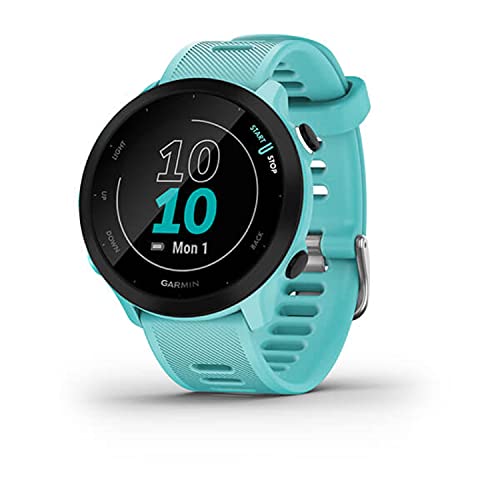
The Garmin Forerunner 55 is my top overall pick for most treadmill runners. It is simple enough for a new runner but offers useful tools such as GPS, daily suggested workouts, pace guidance, and long battery life. Its running-first design avoids the clutter found on many lifestyle smartwatches. I can start a workout quickly, check the key numbers, and keep moving without tapping through endless menus.
Indoor distance can still differ from the treadmill display, especially during the first few runs. The watch becomes more useful when you calibrate it after an outdoor GPS run or adjust the distance after the workout. It can also help runners build a routine through suggested workouts and training prompts. The battery rating of up to two weeks is helpful for people who often forget to charge small electronics.
Pros:
- Strong balance of price and running features
- Simple controls suit beginners
- Daily suggested workouts support consistency
- Long battery life reduces charging stress
- Lightweight design feels comfortable during runs
- Useful for treadmill and outdoor training
- Running-focused menus reduce distractions
Cons:
- Indoor distance still needs calibration
- Screen and smart features are basic
- Wrist heart-rate data may lag during sharp intervals
My Recommendation
The Forerunner 55 is best for beginners, regular fitness runners, and anyone who wants a dependable running watch without paying premium prices. It gives you the tools that matter most: time, pace, distance, heart rate, workout guidance, and a battery that lasts. I especially like it for runners who switch between treadmill and outdoor routes. For most shoppers, this is the best watch for treadmill running because it offers the clearest mix of ease, training support, and value. It remains widely available and easy to learn.
EZON GPS Running Watch

The EZON GPS Running Watch focuses on the basic numbers that many runners actually use. It includes distance, pace, calories, a stopwatch, and a pace alarm. That last feature can help you stay near a target pace during a steady workout. A simple running watch can feel refreshing when you do not need music apps, message feeds, or a large collection of smartwatch tools.
GPS is most useful outside, while treadmill distance depends on the watch mode, arm movement, and calibration. I would use this watch as a straightforward training timer and pace helper rather than expecting laboratory-level indoor accuracy. Its design may appeal to men who prefer a traditional sports-watch look. It can also work well for runners who want a dedicated device that does not compete with their phone.
Pros:
- Provides core running metrics
- Pace alarm supports controlled workouts
- Stopwatch is useful for intervals
- Simple design is easy to understand
- Tracks calories for general comparison
- Good fit for runners who dislike complex menus
Cons:
- Indoor distance may not match the treadmill
- Fewer smart features than a modern fitness watch
- Heart-rate functions may be limited compared with premium models
My Recommendation
The EZON is best for runners who want a focused timing and pace tool at a reasonable cost. It suits users who do not need constant phone alerts or advanced recovery reports. The pace alarm is helpful for repeated treadmill sessions where you want to hold a steady effort. I would choose it for simple training plans and basic fitness goals. It is a practical alternative to a full smartwatch, though the Forerunner 55 offers more guidance for runners who want to progress.
Beeasy Digital Sports Watch
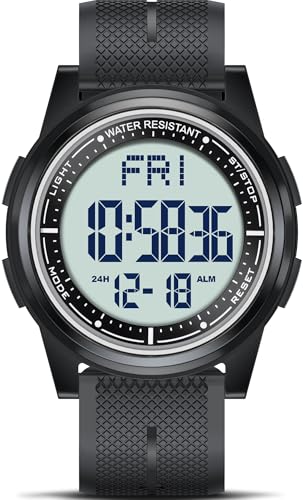
The Beeasy Digital Watch is a basic sports watch for people who mainly need time, stopwatch, alarm, and countdown functions. It does not try to compete with GPS running watches, and that can be its main appeal. If you already read distance and speed from the treadmill console, a simple wrist timer may be all you need. Its lightweight body can stay comfortable during a short run, gym session, or daily task.
The 50-meter water-resistance rating may help with sweat and light water exposure, but it does not make every situation safe for the watch. The large numbers should be easy to read while your arm moves. I would not buy this model for GPS mapping, heart-rate zones, or detailed training records. It works best as a low-cost backup or a no-distraction timer for indoor exercise.
Pros:
- Very simple operation
- Large digital numbers are easy to read
- Stopwatch supports treadmill intervals
- Countdown timer helps with timed sets
- Lightweight silicone design suits active use
- Water resistance helps handle sweat
Cons:
- No GPS distance tracking
- No built-in heart-rate monitoring
- Does not store detailed running history
- Fewer features than a dedicated running watch
My Recommendation
The Beeasy is best for users who want a basic gym watch and already trust the treadmill display. It is also a good backup for runners who do not want to risk an expensive watch during messy workouts. Choose it for timing intervals, rest periods, and simple runs. Do not choose it when you need pace analysis or progress reports. While it is not the best watch for treadmill running for data-focused athletes, it offers excellent simplicity for casual indoor exercise.
Hearkent Ladies Pedometer Watch

The Hearkent Ladies Pedometer Watch focuses on simple daily activity tracking. It displays steps, mileage, and calorie estimates in a format designed for quick reading. That can help walkers and light runners see progress without learning a complex app. Large numbers are especially useful for users who prefer clear information over a crowded color screen.
For treadmill use, the watch may be most helpful during walking workouts and easy jogs. Step-based distance estimates can vary because stride length changes with speed, incline, and arm movement. I would use it to compare one workout with another rather than treat every number as exact. It is a friendly option for someone starting a fitness habit and wanting a visible reminder to keep moving.
Pros:
- Large numbers support easy reading
- Tracks steps, mileage, and calorie estimates
- Simple design suits beginners
- Useful for walking and light treadmill sessions
- Encourages daily movement goals
- Less intimidating than an advanced sports watch
Cons:
- Not intended for advanced running metrics
- Step-based distance can vary indoors
- May offer fewer workout modes than a GPS watch
My Recommendation
The Hearkent watch is best for walkers, older users, and beginners who want clear daily activity numbers. It can help turn short treadmill walks into a visible habit. I would not recommend it for runners who need exact pace, heart-rate zones, or structured intervals. For gentle workouts, though, its simple layout can remove the stress that often comes with advanced wearables. It offers practical value when motivation and readability matter most.
Best Features at a Glance
| Best for | Why |
|---|---|
| Best overall treadmill watch | Garmin Forerunner 55 balances training tools, ease of use, battery life, and price. |
| Best indoor accuracy upgrade | COROS POD 2 targets treadmill distance and pace when paired with a compatible watch. |
| Best heart-rate training setup | Garmin HRM 600 or COROS Heart Rate Monitor can provide focused effort data during intervals. |
How I Evaluated the Best Watch for Treadmill Running
I look at treadmill watches differently from outdoor GPS watches. GPS cannot see the treadmill belt, and satellite signals often disappear indoors. That means a watch must estimate distance from arm motion, step patterns, or a separate foot sensor. I focus on how useful the watch remains when that estimate is not perfect.
I also consider screen readability. A runner should be able to glance at time, pace, or heart rate without breaking form. Large numbers help, but a cluttered screen can still slow down decision-making. The best watch for treadmill running should feel like a quiet dashboard, not a small computer demanding constant attention.
Comfort matters during every minute of a run. A watch that slides, pinches, or traps sweat can become a distraction. I prefer a light case, secure strap, and buttons that work while moving. I also check battery habits because a watch that is always empty cannot record a workout.
Finally, I consider the person behind the product. A new runner may need clear controls and gentle guidance. An experienced runner may want pace alerts, heart-rate zones, or an indoor sensor. There is no single perfect watch for every athlete, but there is a best match for each type of treadmill user.
Why Treadmill Distance Can Differ From Watch Distance
A treadmill measures belt movement. A watch usually measures your motion. Those are not the same thing. If you hold the rails, change your arm swing, or run with a very short stride, the watch may record a different distance from the machine.
Speed also changes your stride. A slow walk, brisk walk, jog, and sprint create different arm patterns. A watch may need time to learn those patterns. That is why a new indoor runner should not judge accuracy after only one session.
Calibration can improve results. Start with a known outdoor distance when GPS has a clear view. Then compare the watch distance with the treadmill after several steady indoor runs. If your watch allows manual correction, use a consistent method rather than changing the setting after every workout.
For the best data, keep your arm movement natural. Avoid gripping the rails unless you need support. Wear the watch snugly above the wrist bone. If heart rate matters, consider a chest monitor for intervals or high-speed work.
What Features Matter Most?
Indoor pace and distance
Distance is often the first number runners check, but indoor pace can be tricky. Look for a watch that supports treadmill mode, calibration, or a compatible foot sensor. If a product does not list indoor calibration, use its numbers as a training estimate. Consistency is more important than chasing a perfect number from one workout.
Heart-rate tracking
Heart rate helps you judge effort when pace feels strange. It can show whether an easy run is becoming too hard or whether an interval pushes you into the right zone. Wrist sensors work well for many steady workouts, but chest monitors often respond better to fast changes. A monitor such as the Garmin HRM 600 or COROS Heart Rate Monitor can be valuable for structured sessions.
Screen and controls
Choose a screen you can read at a glance. Buttons can work better than touch controls when your hands are wet or moving quickly. A simple layout also helps. During a run, you usually need only a few fields: elapsed time, current pace, distance, heart rate, and perhaps incline.
Battery life
Battery life affects trust. A long-lasting battery means less time searching for a charger and more workouts saved. GPS and bright screens use more power than a basic digital watch. If you run several days each week, choose a model that fits your charging routine.
Comfort and fit
The best watch for treadmill running should disappear on your wrist after a few minutes. A heavy case can bounce during fast work. A loose strap can hurt sensor readings. Wear the watch snugly, but leave enough room for normal comfort and circulation.
How to Improve Treadmill Watch Accuracy
First, select the correct workout mode. A treadmill or indoor run mode usually uses different logic from outdoor GPS mode. If the watch asks for your stride or calibration distance, complete that step. It may take a few sessions before the estimate becomes stable.
Second, keep your arms free. Do not hold the handrails during normal running. Rail support changes your posture and removes much of the motion the watch needs to measure. If you must hold the rails for balance, use the treadmill display for speed and distance.
Third, set the treadmill correctly. A belt that slips or needs service can create its own distance error. Use the same treadmill when comparing results. Record the speed, incline, time, watch distance, and treadmill distance so you can see a pattern.
Fourth, use a foot sensor if exact indoor pace is a major goal. A device such as the COROS POD 2 can measure movement closer to the source of each stride. This approach costs more, but it may be worthwhile for runners who perform detailed treadmill workouts.
Best Watch for Treadmill Running by User Type
For a beginner, I would choose the Garmin Forerunner 55. It gives clear running data and helps create a plan without making the user feel lost. The Moutarlier watch is another reasonable option when a large screen and phone alerts matter more than advanced training tools.
For an experienced runner, I would pair a capable watch with a heart-rate monitor. The Garmin HRM 600 is a strong match for runners who already use Garmin tools. The COROS Heart Rate Monitor and COROS POD 2 make sense for athletes who prefer that ecosystem and want more focused indoor data.
For a walker, the Hearkent Pedometer Watch may be enough. It keeps the main numbers visible and avoids needless complexity. The Beeasy Digital Watch is also useful if the goal is simply to time a workout, rest period, or interval.
For a home gym owner, the MERACH treadmill may provide the biggest improvement. A watch records the session, but the treadmill creates the surface and resistance you use. A stable machine with incline control can make each workout more repeatable and engaging.
FAQs Of best watch for treadmill running
What is the best watch for treadmill running?
The Garmin Forerunner 55 is my top overall choice for most runners. It offers running tools, workout guidance, long battery life, and simple controls. Dedicated runners may improve indoor data with a compatible foot sensor or chest heart-rate monitor.
Are GPS watches accurate on a treadmill?
GPS does not work normally indoors because satellite signals are blocked. Most watches estimate treadmill distance from movement and stride. Calibration, natural arm swing, and a consistent pace can improve the result.
Should I use a heart-rate monitor while running indoors?
A heart-rate monitor is useful if you train by effort or perform intervals. A chest monitor can respond faster than a wrist sensor when your intensity changes quickly. Casual runners may not need one for easy workouts.
Why does my watch show a different distance from the treadmill?
The treadmill measures belt movement, while the watch estimates your motion. Arm position, stride length, incline, and rail use can create a difference. Compare both devices over several runs instead of judging one workout.
Can I use a basic digital watch for treadmill running?
Yes, if you only need a stopwatch, countdown timer, or alarm. A basic watch cannot provide GPS, heart rate, or detailed training records. It works best when the treadmill already shows your speed and distance.
Final Verdict: Which Should You Buy?
The Garmin Forerunner 55 is the best watch for treadmill running for most people. It combines simple controls, useful training tools, long battery life, and strong value. Choose COROS or Garmin heart-rate tools when effort data matters most.
For basic timing, the Beeasy works well. For walking, consider Hearkent. Choose a compatible indoor sensor when distance accuracy is your main goal, and enjoy more confident treadmill training.

Brandon Knoxley is a sport & fitness writer and training guide contributor at MySportFitHub. He focuses on practical workouts, performance-based training, and honest fitness gear insights designed for real people and real results. Brandon is passionate about helping beginners and active individuals train smarter, avoid common mistakes, and build sustainable fitness habits.