Why Is Running Outside Harder Than Treadmill: Explained
Running outside feels harder because you face wind, hills, uneven ground, heat, and changing pace without treadmill assistance.
If you have stepped off a treadmill and struggled through an easy outdoor run, you are not alone. The difference is real. A treadmill controls the surface, pace, and setting, while outdoor running asks your body to manage many changing forces at once. This guide explains why is running outside harder than treadmill running and shows how to make the transition smoother, safer, and more enjoyable.

Why Is Running Outside Harder Than Treadmill Running?
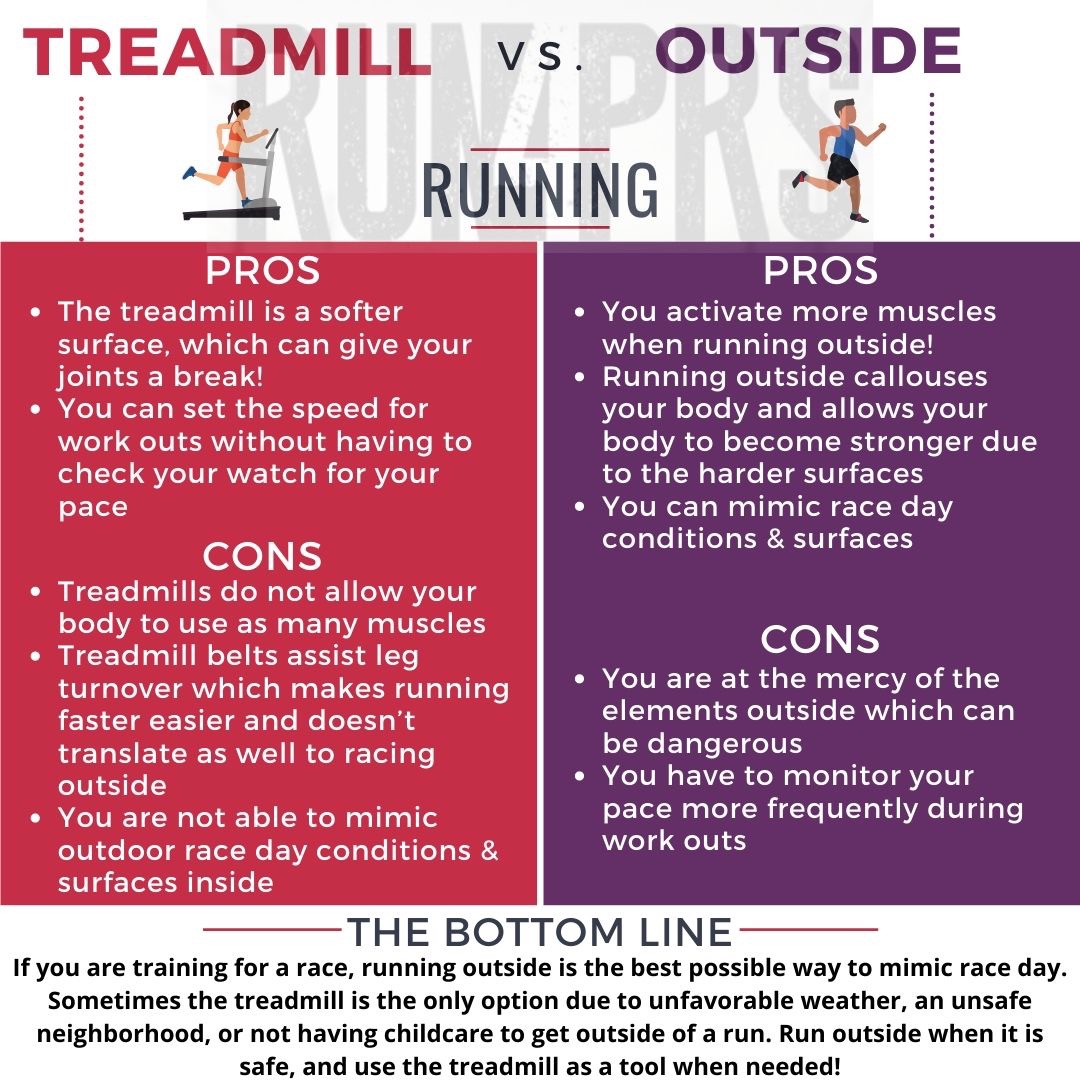
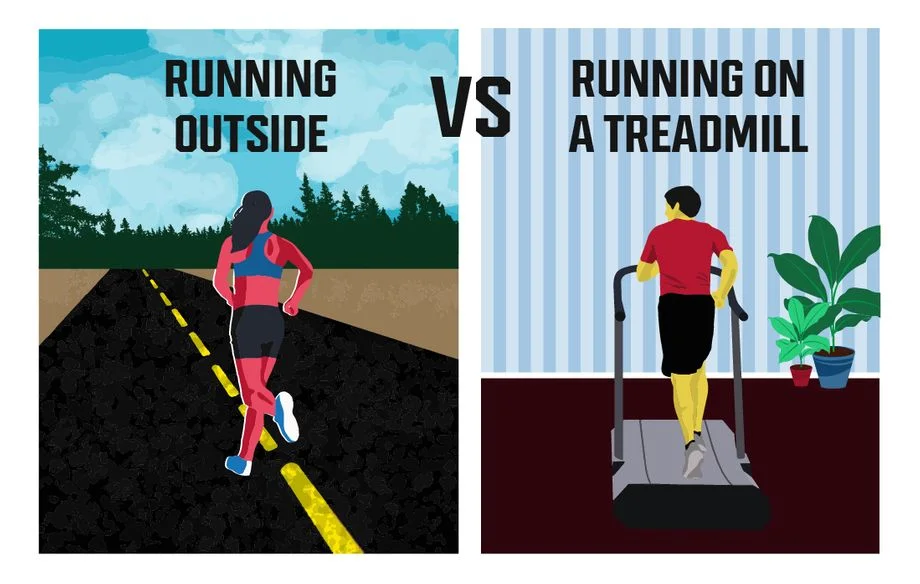
The main reason is simple: a treadmill gives you a steady belt and a controlled environment. Outside, your body must react to the road, weather, turns, slopes, and wind.
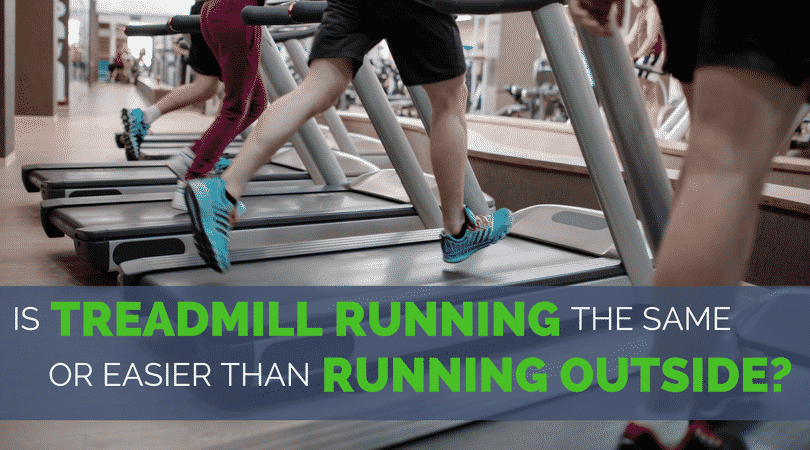
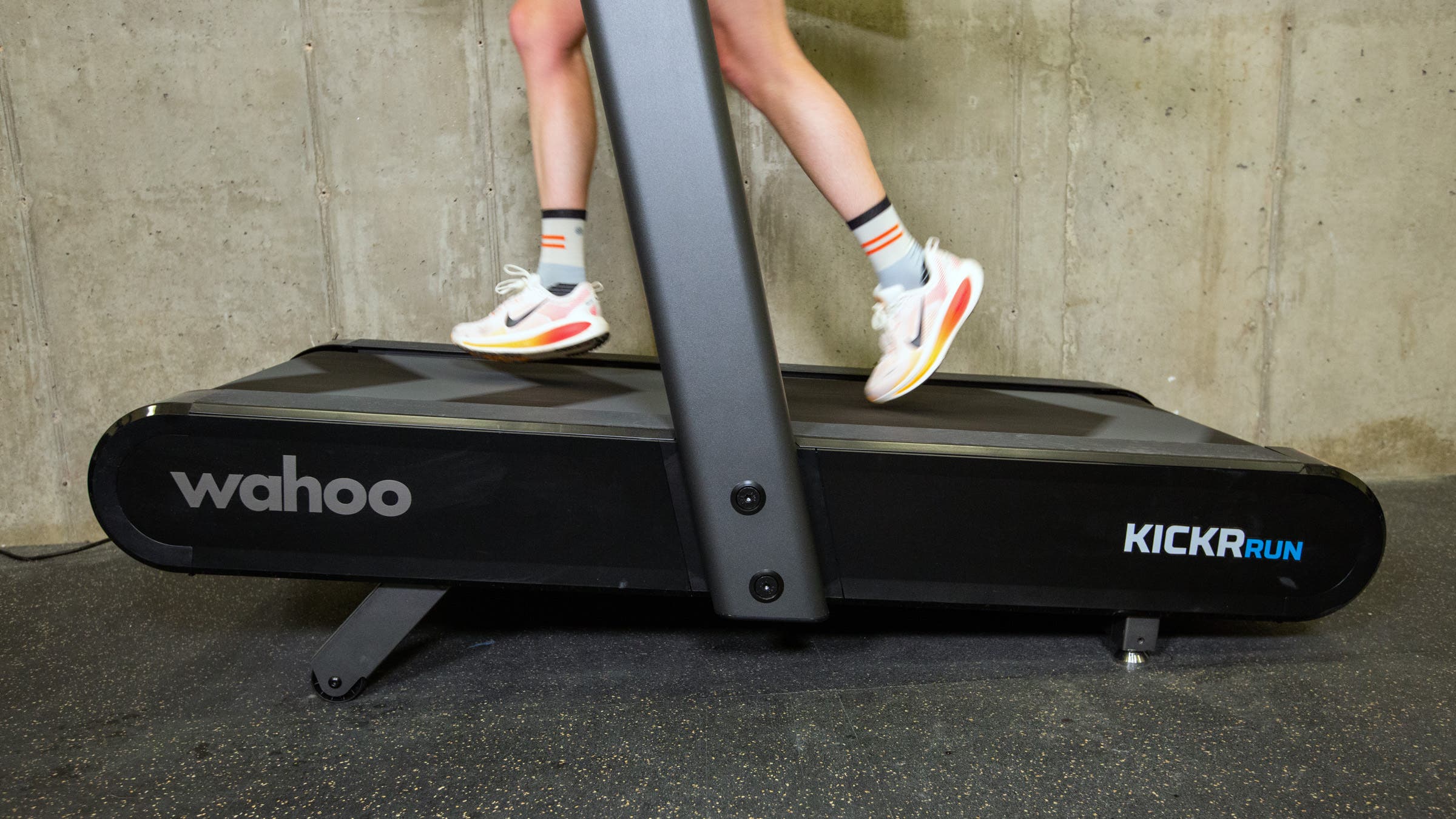
On a treadmill, the belt moves under your feet. You still use your muscles, but the belt helps pull your leg backward after each foot strike. Outside, you must push against the ground and move your body forward with every step.
This does not mean treadmill running is easy. It can build strong fitness and provide a useful, measured workout. However, outdoor running adds more physical and mental demands.
Here are the most common reasons outdoor running feels harder:
• You must create forward motion on your own.
• Wind creates resistance, even on a calm-looking day.
• Hills change the effort from one minute to the next.
• Uneven surfaces require more balance and muscle control.
• Outdoor heat and humidity can raise your heart rate.
• Traffic, people, noise, and route choices add mental stress.
• You may run faster than you think because there is no moving belt setting to guide you.
In short, why is running outside harder than treadmill workouts? Outdoor running is less predictable and requires more active control from your whole body.

The Treadmill Gives You More Control
A treadmill removes many challenges that you face outdoors. You choose the speed, incline, and workout time. The machine then keeps the pace steady.
This control can make a run feel easier. If you set the treadmill to 6 miles per hour, it keeps moving at that speed. Outside, your pace may shift because of a hill, a turn, a rough path, or a short burst of wind.
Treadmills also provide a smooth surface. There are no cracks, stones, tree roots, or sudden changes in ground level. Your brain does not need to study every step, so you can focus on your breathing or a television show.
The indoor setting also helps control temperature. A fan, air conditioner, or cool room can reduce heat stress. On a warm outdoor run, your heart works harder to cool your body. That can make the same pace feel much more difficult.
A treadmill may also feel easier because it offers instant feedback. You can see your speed, distance, and time at all times. Outside, your watch may show data with a delay, and your effort can feel less certain.
This explains why is running outside harder than treadmill sessions for many new runners, even when the clock shows the same pace.
Outdoor Running Requires More Muscle Control
Running outside is not just about moving forward. It is also about staying stable.
Outdoor paths often include small changes in slope and surface. Your ankles, feet, calves, hips, and core must respond to these changes. A sidewalk may look flat, but it can lean toward the street. A trail may have soft soil, gravel, or roots.
These small adjustments use stabilizing muscles. They may not make you feel tired right away, but they can add up over several miles.
Outdoor running also includes more push-off work. You must press into the ground to move forward. On a treadmill, the belt moves beneath you and may reduce some of the work needed to drive your body ahead.
The difference is often clear during a first outdoor run. Your breathing may feel fine, but your calves or hips may become tired sooner than expected. That is a sign that your support muscles are working in a new way.
To prepare, add simple strength exercises two times per week:
• Calf raises for stronger lower legs
• Step-ups for better leg drive
• Single-leg balance drills for ankle control
• Glute bridges for hip strength
• Planks for trunk stability
Start with a small amount. Your muscles need time to adapt to the demands of outdoor running.
Wind Makes Outdoor Running Feel Harder
Wind is one of the biggest answers to why is running outside harder than treadmill running.
A treadmill does not create natural air resistance. Even if a fan cools you, the air does not push against your body like outdoor wind does. When you run into the wind, you must work harder to maintain the same pace.
The effect becomes stronger as your speed increases. A fast runner creates more air resistance than a slow runner. Wind resistance also rises when the wind blows directly against you.
A useful way to manage wind is to focus on effort rather than pace. Your pace may slow when running into the wind, but that does not mean your fitness has declined.
Try these simple tactics:
• Run into the wind early, when your legs are fresh.
• Keep your effort steady instead of forcing your usual pace.
• Wear fitted clothing when conditions are windy.
• Use the return trip as a natural recovery if the wind is behind you.
• Check the weather before planning a hard outdoor workout.
Many runners make the mistake of fighting the wind. It is usually better to accept a slower pace and keep your breathing under control.
Hills Change Your Pace and Heart Rate
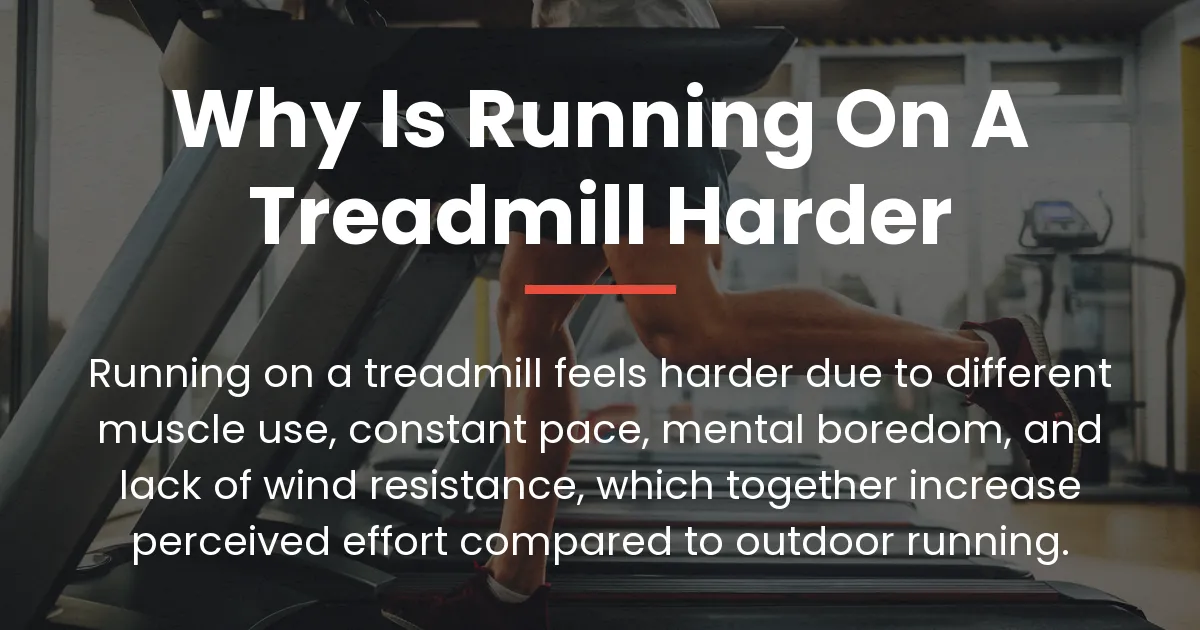
A treadmill can simulate hills, but most treadmill runs remain flat. Outdoor routes often include slopes that you cannot avoid.
Even a short hill can increase your heart rate. Your legs must produce more force, especially your calves, glutes, and thighs. On the way down, your muscles must control your body as it moves faster. This creates extra stress through eccentric muscle action.
That is another major reason why is running outside harder than treadmill workouts. A treadmill lets you choose a level pace. A road or trail changes the effort without asking for permission.
Do not judge your outdoor fitness by pace alone. A 10 minute mile on a hilly route may require more effort than a faster mile on a flat treadmill.
For hill training, use effort zones:
• Easy effort: You can speak in full sentences.
• Moderate effort: You can speak in short phrases.
• Hard effort: You can say only a few words.
New runners should walk part of a hill if needed. Walking is not failure. It is a smart way to control effort and protect your legs.
Weather Can Raise the Cost of Every Step
Indoor running protects you from most weather changes. Outdoor running does not.
Heat and humidity are especially important. Your body sends blood to the skin to release heat. At the same time, your muscles need blood to keep working. In humid weather, sweat also evaporates more slowly, so cooling becomes harder.
The result can be a higher heart rate, heavier breathing, and faster fatigue. This can happen even when you run at a normal pace.
Cold weather creates different problems. Tight muscles, icy surfaces, and extra clothing can change your stride. Rain can make roads slippery and socks wet. Strong sunlight can add heat and increase the need for fluids.
Use these habits to run more safely:
• Slow down on hot or humid days.
• Drink water during longer runs.
• Wear light, breathable clothing in warm weather.
• Warm up longer in cold conditions.
• Choose shaded routes when possible.
• Check for ice, storms, and poor air quality.
Weather is not a test of toughness. It is a training factor. Adjusting your pace shows good judgment.
Outdoor Pace Is Often Faster Than It Feels
Many runners set a treadmill speed and believe they can match it outside. This can lead to an overly hard first mile.
Why does this happen? Treadmill speed is fixed. You can see the number and feel when your effort changes. Outside, your pace may rise without you noticing, especially when you feel fresh.
You may also speed up because of other runners, traffic signals, downhill sections, or excitement. The first mile can feel easy, but the effort may catch up with you later.
A better approach is to begin slowly. Run the first five to ten minutes at a pace that feels almost too easy. Then check your breathing and gradually increase your effort if you feel strong.
For easy outdoor runs, use the talk test. If you cannot hold a simple conversation, you are likely running too hard for an easy day.
This effort based method is more useful than trying to copy treadmill numbers. Pace is only one part of training. Weather, hills, surface, sleep, stress, and fitness all affect it.
The Surface Affects Your Body
Treadmill belts have a little give. Roads and sidewalks are usually firmer. Trails may be softer but less stable. Each surface changes how your body handles impact.
A hard surface does not automatically cause injury. Many runners use roads safely. Problems often begin when training volume increases too quickly or when shoes are worn out.
Outdoor running also includes more turns and stops. A sharp turn can place extra stress on your knees and ankles. Crossing streets can interrupt your rhythm. Uneven ground can make your foot land in a less familiar position.
To reduce risk, change only one major factor at a time:
• Increase distance slowly.
• Add hills after you build a basic running base.
• Introduce trails with short, easy outings.
• Replace worn shoes when cushioning and support decline.
• Take rest days when soreness changes your stride.
Running experts often recommend gradual increases in training load, but no single rule fits every runner. Your age, health, history, sleep, and current fitness all matter.

The Mental Load Is Higher Outside
Outdoor running uses your mind as well as your body.
You must watch for cars, cyclists, people, dogs, puddles, and uneven ground. You may need to decide where to turn, when to slow down, and how much farther you can go. These small choices create mental fatigue.
A treadmill can feel boring, but it removes many decisions. You can follow a set workout without thinking about navigation or safety.
This mental load may explain why is running outside harder than treadmill workouts, even when your muscles feel equally prepared. Your brain is constantly processing information.
You can make outdoor runs easier by planning ahead:
• Choose a familiar route.
• Tell someone where you are going.
• Carry a phone on longer runs.
• Run against traffic when there is no sidewalk.
• Use lights or reflective clothing in low light.
• Avoid loud music that blocks nearby sounds.
Safety is part of performance. A calm, prepared runner often has a better experience than a fast runner who feels distracted or unsafe.
How to Transition From Treadmill to Outdoor Running
You do not need to stop using a treadmill. A gradual mix of both surfaces often works best.
Start with short outdoor runs at an easy effort. Do not worry about matching your treadmill pace. Focus on relaxed breathing, light steps, and good posture.
A simple four week transition may look like this:
-
Week one: Run outside for 15 to 20 minutes, twice per week.
-
Week two: Add five minutes to one outdoor run.
-
Week three: Include a gentle hill, but keep the effort easy.
-
Week four: Add a third outdoor run if your body feels healthy.
Keep at least one easy or rest day between harder sessions. Mild muscle soreness can be normal. Sharp pain, swelling, numbness, or pain that changes your stride needs attention.
One mistake I often see in runners moving outdoors is chasing their treadmill pace too soon. The better goal is to build outdoor comfort first. Speed can come later.
Treadmill and Outdoor Running Both Have Benefits
The question is not which form of running is always better. The better choice depends on your goal and situation.
Treadmill running is useful when:
• The weather is dangerous.
• You need precise speed control.
• You are returning from an injury and need a stable surface.
• You want to train indoors at any time.
• You need to complete intervals without traffic or hills.
Outdoor running is useful when:
• You are preparing for a road race.
• You want to improve balance and surface control.
• You enjoy fresh air and changing scenery.
• You want to practice real race conditions.
• You need variety to stay motivated.
A balanced plan may include both. For example, use a treadmill for speed intervals and outdoor routes for easy runs. If your goal is a road race, include outdoor sessions so your body learns the demands of pavement, wind, turns, and hills.
The best training plan is one you can follow consistently.
Common Mistakes That Make Outdoor Running Feel Worse
Outdoor running should feel challenging, but several mistakes can make it unnecessarily hard.
• Starting at treadmill pace: Begin slower and build effort gradually.
• Ignoring the weather: Heat, humidity, and wind require pace changes.
• Running every outdoor workout hard: Keep most runs easy.
• Choosing a hilly route too soon: Start with flat or gently rolling terrain.
• Wearing the wrong shoes: Use comfortable shoes that suit your foot and route.
• Skipping strength work: Strong hips, calves, and core improve control.
• Forgetting fluids: Longer or hotter runs increase fluid needs.
• Comparing every mile: Outdoor pace naturally changes.
The most important lesson is to listen to effort, not only numbers. A slower run can still be a strong training day.
Frequently Asked Questions About Why Is Running Outside Harder Than Treadmill
Is running outside always harder than running on a treadmill?
No. A treadmill workout with a steep incline or fast intervals can be harder than an easy outdoor run. Outdoor running often feels harder because it includes wind, hills, uneven ground, weather, and pace changes.
Does running outside burn more calories than treadmill running?
It can, especially when you face wind, hills, or uneven terrain. However, calorie use depends on body weight, pace, incline, distance, and effort, so outdoor running is not always higher.
Should I set a treadmill incline to copy outdoor running?
A small incline may better reflect outdoor effort, but there is no perfect setting for every route. Use the incline that supports your goal, and avoid assuming one fixed percentage fully copies real outdoor conditions.
Why do my legs hurt after outdoor running but not treadmill running?
Outdoor surfaces and slopes use stabilizing muscles in your feet, calves, hips, and core. The change in loading may cause soreness, especially if you increase outdoor distance too quickly.
How long does it take to get used to running outside?
Many people feel more comfortable within a few weeks of gradual practice. Your adjustment time depends on your fitness, route, shoes, weather, and how often you run outdoors.
Is outdoor running better for race training?
Yes, if your race takes place outdoors. Training outside helps you practice the surface, hills, turns, wind, weather, pacing, and mental demands you may face on race day.
Can I improve outdoor running without giving up the treadmill?
Yes. Combine both forms of training. Use the treadmill for controlled speed work and outdoor runs for real world pacing, balance, and race preparation.
Conclusion
Running outside feels harder than treadmill running because it demands more than steady leg movement. Wind, hills, weather, uneven surfaces, outdoor pace, and mental focus all add to the workload. The treadmill remains valuable, but it cannot fully copy the changing conditions of an outdoor route.
Start with short, easy outdoor runs. Let effort guide your pace, build distance slowly, and give your muscles time to adapt. Use both treadmill and outdoor training to gain control, fitness, and confidence.
Try one relaxed outdoor run this week, then share your experience or explore more training tips to keep moving forward.

Brandon Knoxley is a sport & fitness writer and training guide contributor at MySportFitHub. He focuses on practical workouts, performance-based training, and honest fitness gear insights designed for real people and real results. Brandon is passionate about helping beginners and active individuals train smarter, avoid common mistakes, and build sustainable fitness habits.