
How Long To Walk 5000 Steps On Treadmill: Time Guide
Most people need about 45 to 60 minutes to walk 5000 steps on a treadmill.
The exact time depends on your walking speed, stride length, fitness level, and treadmill incline. At an easy pace, 5000 steps may take about 60 to 75 minutes, while a brisk pace can reduce the time to 35 to 50 minutes. This guide explains how to estimate your time, choose the right speed, burn more calories, and complete your walk safely.

How Long Does It Take to Walk 5000 Steps on a Treadmill?
For most adults, walking 5000 steps on a treadmill takes about 45 to 60 minutes. This estimate assumes a moderate pace of around 3 to 3.5 miles per hour.
Your step count is not a perfect measure of distance. A tall person may take fewer steps to cover the same distance, while a shorter person may need more steps. Your pace, stride length, age, and fitness level also affect the result.
Here is a simple guide:
| Treadmill speed | Approximate time for 5000 steps |
|---|---|
| 2.0 mph | 65 to 80 minutes |
| 2.5 mph | 55 to 70 minutes |
| 3.0 mph | 45 to 60 minutes |
| 3.5 mph | 40 to 50 minutes |
| 4.0 mph | 35 to 45 minutes |
| 4.5 mph | 30 to 40 minutes |
These are useful estimates, not fixed rules. Holding the treadmill rails, walking uphill, using a short stride, or taking breaks can change the final time.
The typical answer
If you want one practical number, plan for about 50 minutes. That gives you enough time to walk at a steady pace without rushing.
For a new walker, 5000 steps may feel like a long journey. You can split it into two 25-minute sessions or three shorter walks. The health value still counts when the sessions fit into your day.
What Distance Is 5000 Steps on a Treadmill?
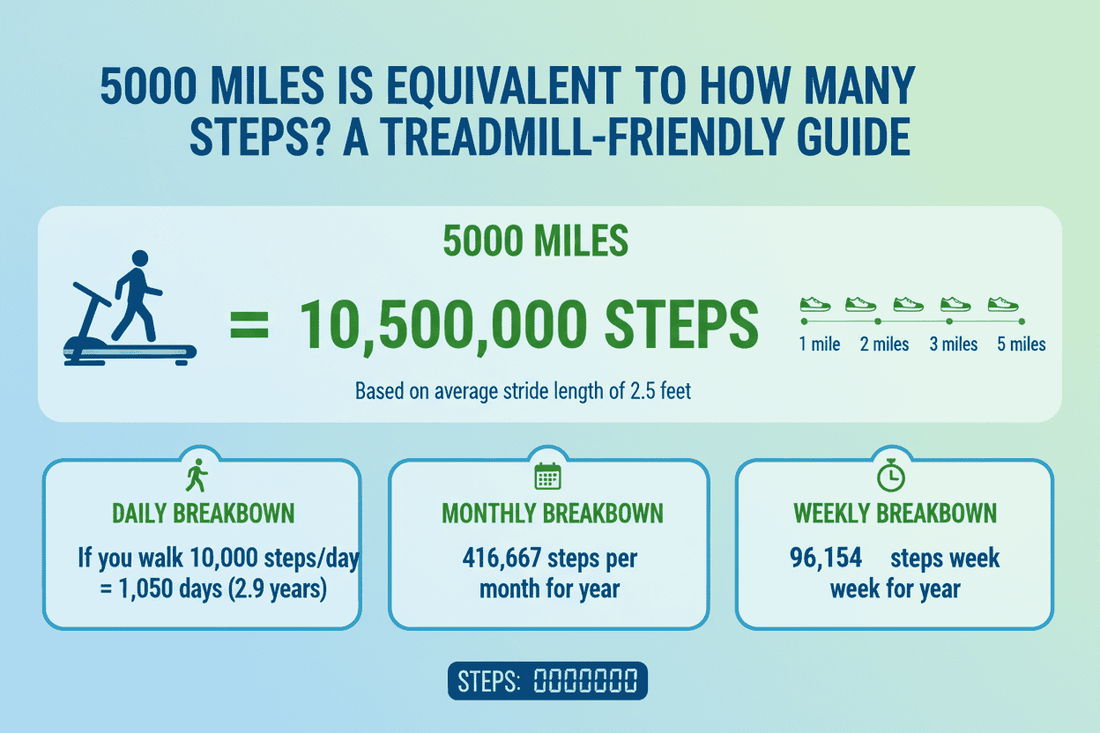
For many adults, 5000 steps equal about 2 to 2.5 miles. The distance may be shorter or longer based on your stride length.
A common estimate uses an average stride of 2 to 2.5 feet. However, stride length can change with height, walking speed, leg length, and mobility. This is why your treadmill distance and step counter may not match perfectly.
A rough distance guide looks like this:
• Short stride: about 1.9 to 2.1 miles
• Average stride: about 2.1 to 2.4 miles
• Long stride: about 2.4 to 2.7 miles
The treadmill measures belt distance. Your watch or phone measures steps through movement sensors. These devices use different methods, so small differences are normal.
For better accuracy, walk one mile on the treadmill while wearing your usual shoes. Record your step count. You can then use your personal number to estimate how long 5000 steps will take.
How Treadmill Speed Changes Your 5000-Step Time
Speed is the biggest factor in deciding how long to walk 5000 steps on a treadmill. A slow pace takes more time but may be easier on your joints. A faster pace saves time and usually raises your heart rate.
At 2 miles per hour, you may need more than an hour. This pace works well for beginners, older adults, or people returning to exercise after an illness or injury.
At 3 miles per hour, many people finish 5000 steps in about 45 to 60 minutes. This is often a comfortable pace for daily walking.
At 4 miles per hour, the walk may take around 35 to 45 minutes. This pace feels brisk for many people and may be close to the point where walking changes into a light jog.
Use the talk test to check your effort:
• Easy pace: You can speak in full sentences with little effort.
• Moderate pace: You can talk, but you notice deeper breathing.
• Hard pace: You can say only a few words before needing a breath.
For general health, moderate walking is a strong choice. Public health guidance commonly recommends at least 150 minutes of moderate activity each week for adults. A 5000-step treadmill walk can make up a large part of that weekly goal.
How to Calculate Your Personal 5000-Step Walking Time
You can get a better estimate by finding your personal steps per minute. This method is more useful than relying on an average.
Follow these steps:
- Walk on the treadmill at your normal speed.
- Count your steps for one minute.
- Repeat the count two or three times.
- Find the average number of steps per minute.
- Divide 5000 by your average steps per minute.
For example, if you take 100 steps per minute:
5000 ÷ 100 = 50 minutes
If you take 80 steps per minute:
5000 ÷ 80 = 62.5 minutes
If you take 120 steps per minute:
5000 ÷ 120 = about 42 minutes
This calculation gives a practical answer to how long to walk 5000 steps on a treadmill for your body and pace.
You can also check your walking time with a fitness watch. Wear the same device each time and keep your treadmill routine similar. This creates a useful personal record, even if the device is not perfectly accurate.
A Simple Treadmill Plan for 5000 Steps
A steady walk is not your only option. You can use short changes in speed to make the session more comfortable and interesting.
Try this 50-minute plan:
- Warm up at 2.5 to 3.0 mph for 5 minutes.
- Walk at 3.0 to 3.3 mph for 10 minutes.
- Increase to 3.5 mph for 5 minutes.
- Return to 3.0 to 3.3 mph for 10 minutes.
- Repeat the faster and easier blocks for 15 minutes.
- Cool down at 2.5 to 2.8 mph for 5 minutes.
Your step count may vary with each speed change. Use your tracker to stop when you reach 5000 steps instead of stopping at exactly 50 minutes.
If you are new to exercise, use shorter blocks. Walk for 10 minutes, rest if needed, and repeat later. Building the habit matters more than finishing at a certain speed.
One lesson I have seen often in treadmill training is that people start too fast. They feel strong for the first 10 minutes, then slow down sharply. A steady pace usually feels easier and leads to a better overall session.
How Many Calories Does Walking 5000 Steps Burn?
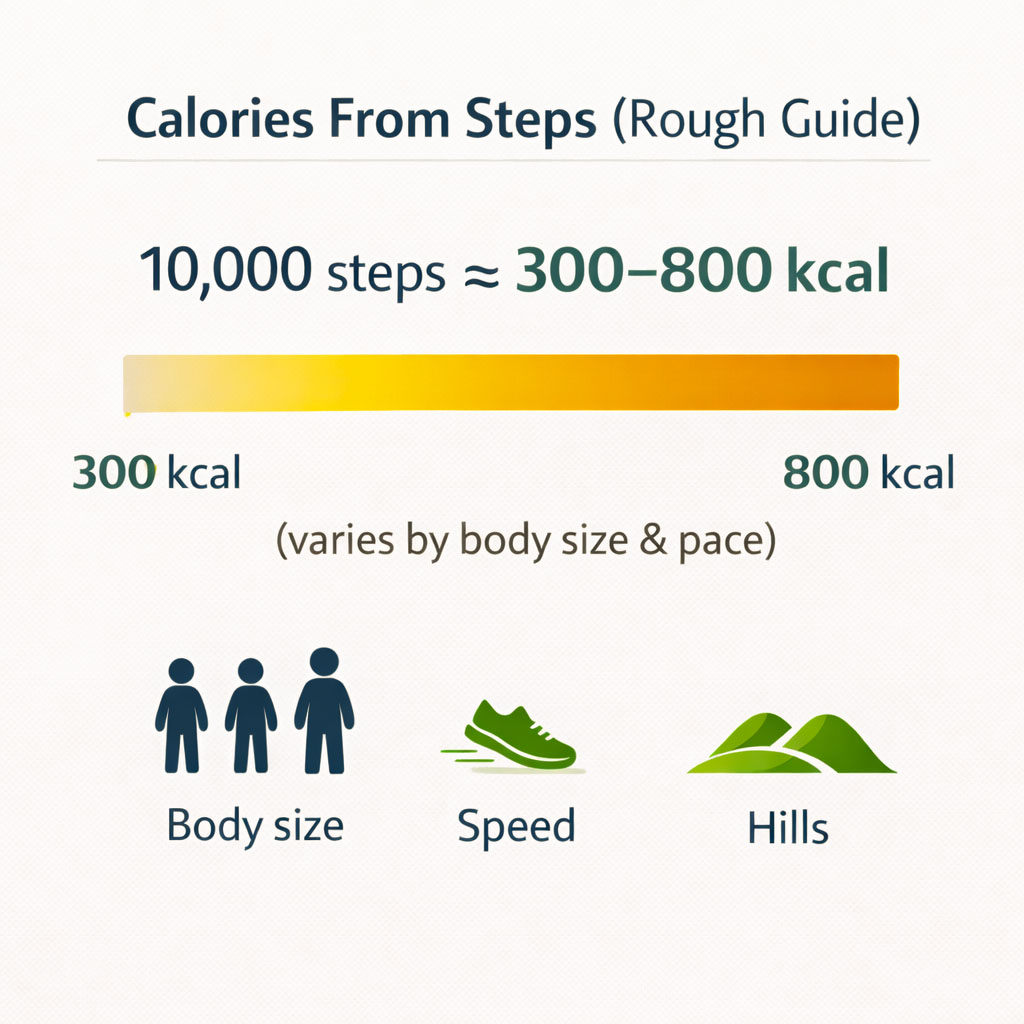
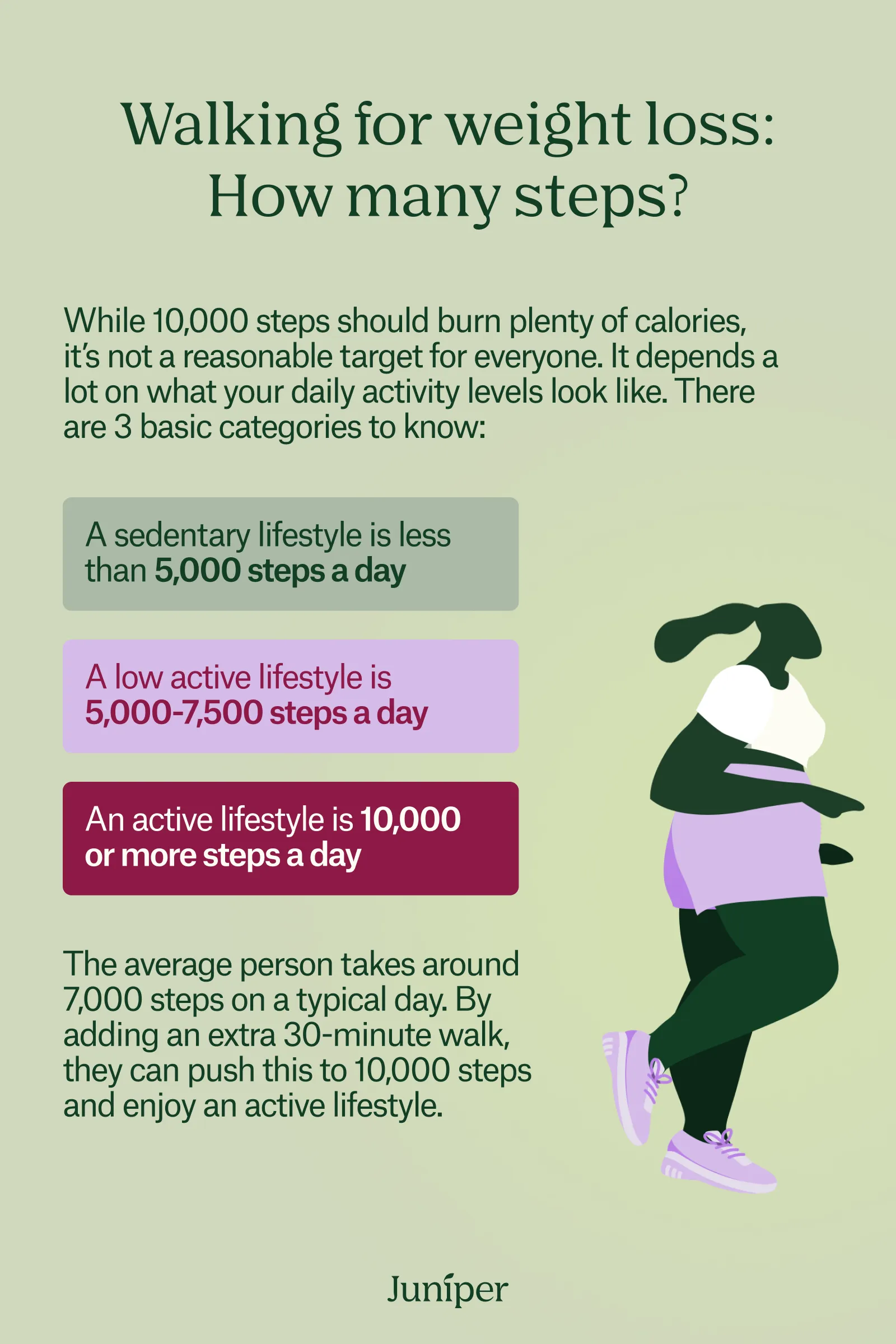
Walking 5000 steps may burn about 150 to 300 calories for many adults. Your body weight, speed, incline, age, fitness level, and walking form all affect the number.
A heavier person usually burns more energy during the same walk. A faster pace or a gentle incline also increases effort. Still, treadmill calorie displays are estimates and can be off because they may not know your body composition or exact walking style.
Use calorie estimates as a guide, not a reward system. The main benefits of walking include better cardiovascular fitness, improved mood, stronger legs, and more daily movement.
Walking 5000 steps can also support weight management when combined with a balanced diet. However, no single walk guarantees weight loss. Progress comes from regular activity and a sustainable eating pattern.

Does Incline Change How Long 5000 Steps Take?
Yes. An incline can make 5000 steps feel much harder, even if the treadmill speed stays the same.
A 1% to 3% incline adds a small challenge for many walkers. A higher incline increases the demand on your calves, thighs, glutes, and heart. You may also take shorter steps, which can increase the time needed to reach 5000 steps.
A beginner-friendly incline plan may look like this:
• Warm up at 0% incline.
• Walk at 1% to 2% incline for most of the session.
• Use 3% to 5% incline for short blocks if it feels safe.
• Return to 0% incline for your cool-down.
Do not use the handrails to support your body during incline walking. Holding the rails reduces the training effect and may change your posture. If you need the rails for balance, lower the speed and incline.
Incline walking is optional. You can reach 5000 steps on a flat treadmill and still get a useful workout.
Benefits of Walking 5000 Steps on a Treadmill
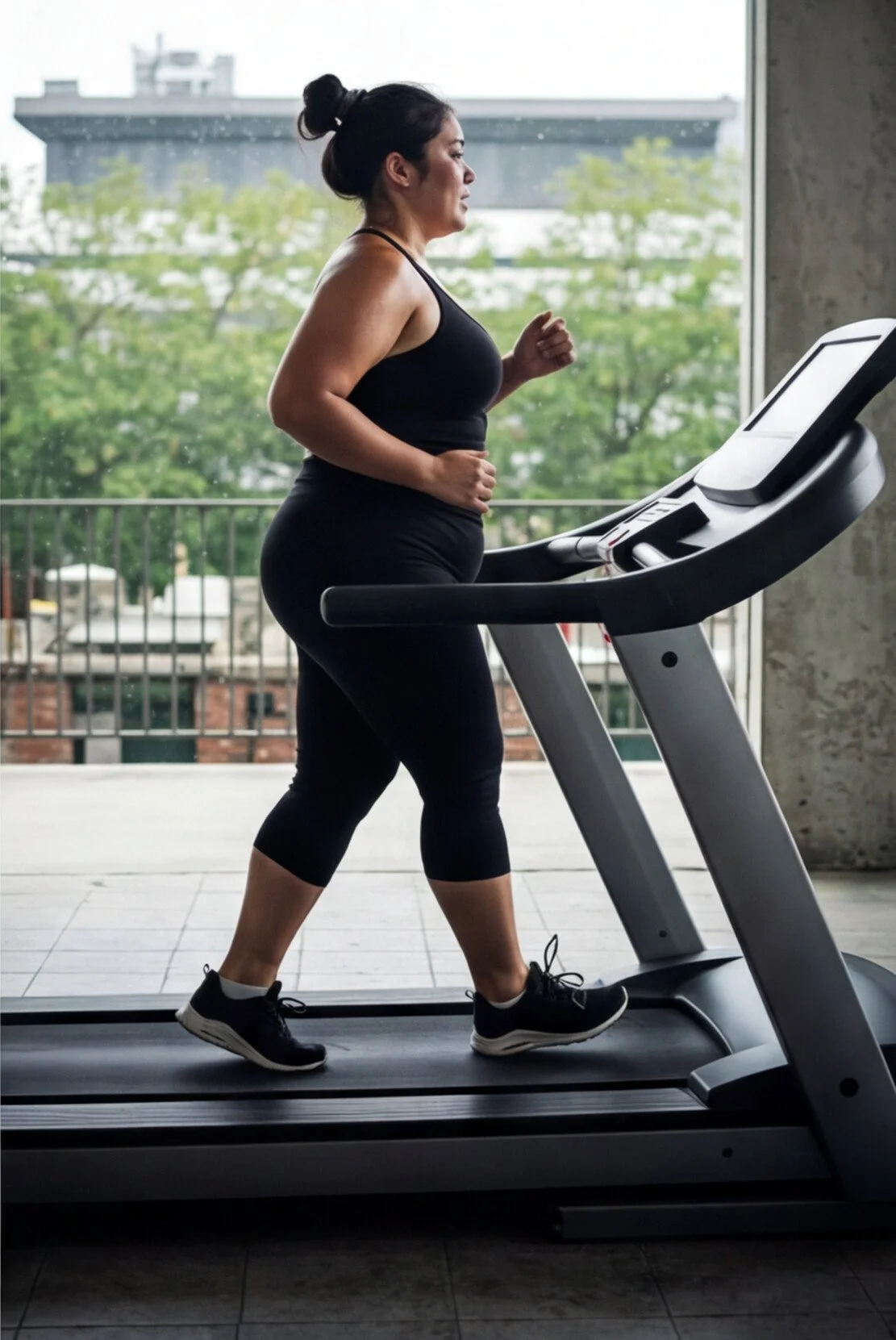
Walking 5000 steps gives you a simple way to add movement to your day. It can be especially useful when the weather is hot, cold, rainy, or unsafe for outdoor walking.
Potential benefits include:
Better heart health
Regular brisk walking can improve cardiovascular fitness. It may also support healthy blood pressure and blood sugar levels when combined with other healthy habits.
More daily movement
Many people sit for long periods at work or at home. A treadmill walk breaks up that time and helps you avoid an overly sedentary routine.
Stronger muscles
Walking works the calves, thighs, hips, and core. Incline walking places more demand on the back of the legs and glutes.
Improved mood
Physical activity may reduce stress and help you feel more alert. A treadmill walk can be a useful reset after a long workday.
Easier habit building
A goal of 5000 steps may feel more manageable than a vague goal such as “exercise more.” You can see the number rise and adjust your pace as needed.
The benefits depend on consistency. One walk is helpful, but regular walks create the bigger change.
Tips to Finish 5000 Treadmill Steps Comfortably
Small adjustments can make a long treadmill walk feel much easier.
• Wear supportive shoes that fit well and do not rub.
• Keep your eyes forward instead of looking down at your feet.
• Let your arms swing naturally.
• Keep your shoulders relaxed and avoid gripping the rails.
• Drink water before and after the session.
• Use music, a podcast, or a show to make the time pass quickly.
• Start slowly and increase speed after your body warms up.
• Stop if you feel chest pain, faintness, severe shortness of breath, or unusual pain.
A fan can help because treadmill walking may feel warmer than outdoor walking. Place it in front of you at a safe distance. Good airflow can make a moderate session feel far more comfortable.
If your feet, knees, or hips hurt, check your shoes, speed, incline, and posture. Pain that continues or worsens deserves medical advice.
Common Mistakes When Walking 5000 Steps on a Treadmill
One common mistake is treating 5000 steps as a race. Walking faster is not always better, especially if it causes poor form or joint pain.
Another mistake is trusting the treadmill display without checking your body. The speed may be accurate, but your step count depends on your stride. Your fitness tracker may also count extra steps from arm movements or miss steps when your hands stay still.
Avoid increasing speed and incline at the same time when you are new. Change one factor first. Give your body several sessions to adjust before adding more challenge.
It is also easy to skip the warm-up. Five minutes of easy walking prepares your muscles and gives you time to settle into a natural rhythm.
Finally, do not feel pressured to complete all 5000 steps in one session. Two 2500-step walks can be just as practical for a busy schedule.
How Often Should You Walk 5000 Steps?
Many people can walk 5000 steps most days if the pace is comfortable and they have no health restrictions. Beginners may start with three or four days per week and gradually add more sessions.
Your weekly goal should match your current fitness level. If you are inactive, begin with 10 to 20 minutes and add five minutes every few sessions. This approach lowers the risk of soreness and helps the habit last.
For general health, combine walking with strength training two days per week if possible. Strength exercises help support your muscles, bones, balance, and daily movement.
Rest is also part of training. Take an easier day when your legs feel unusually tired. A consistent plan is better than doing one very hard workout and then stopping for a week.
Frequently Asked Questions About How Long to Walk 5000 Steps on a Treadmill
Is 5000 steps equal to 30 minutes on a treadmill?
Usually, no. Most people need about 35 to 60 minutes, depending on speed and stride length. Thirty minutes may be enough if you walk very briskly or take long steps.
How long does it take to walk 5000 steps at 3 mph?
At 3 miles per hour, 5000 steps often takes about 45 to 60 minutes. Your exact time depends on your stride and whether you take breaks.
Can I split 5000 treadmill steps into two walks?
Yes. You can complete 2500 steps in the morning and 2500 steps later in the day. Splitting the walk can make the goal easier while still adding useful movement.
Is walking 5000 steps enough for weight loss?
It can support weight loss, but results depend on your total calorie balance, diet, pace, and other activity. Regular walking works best as part of a long-term healthy routine.
Should I use an incline while walking 5000 steps?
An incline is optional. A low incline can increase effort, but flat walking is still effective and may be better for beginners or people with joint concerns.
Is 5000 steps a good daily goal?
Yes, 5000 steps is a practical starting goal for many people. You can increase the target later if your body feels comfortable and your schedule allows it.
Why does my treadmill show a different distance from my step tracker?
The treadmill measures belt movement, while the tracker estimates steps from motion and stride. Differences are normal, especially when you hold the rails or change your walking pattern.
Conclusion
Walking 5000 steps on a treadmill usually takes about 45 to 60 minutes at a moderate pace. A slower walk may take more than an hour, while a brisk pace can finish the goal in about 35 to 45 minutes. Your stride length, incline, fitness level, and breaks all affect the final time.
Start at a pace you can maintain, use your personal steps-per-minute count, and increase the challenge gradually. Put on comfortable shoes, track your progress, and make the walk fit your real life. Try your next 5000-step treadmill session this week, then share your time or explore more walking and fitness guides for your next goal.

Brandon Knoxley is a sport & fitness writer and training guide contributor at MySportFitHub. He focuses on practical workouts, performance-based training, and honest fitness gear insights designed for real people and real results. Brandon is passionate about helping beginners and active individuals train smarter, avoid common mistakes, and build sustainable fitness habits.