
How to Practice Sports Drills Alone: Ultimate Solo Training Tips
Are you looking to boost your skills but don’t always have a partner or coach around? Practicing sports drills alone can be a game-changer for your progress.
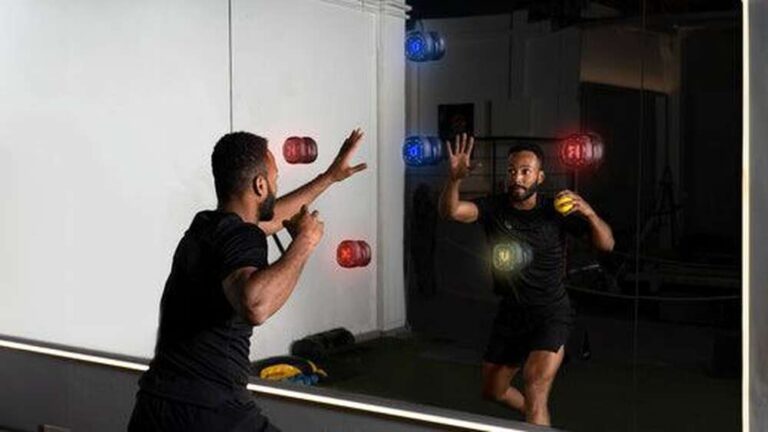
When you train by yourself, you control the pace, focus on your weaknesses, and build confidence. Imagine turning your solo sessions into powerful workouts that push you closer to your goals every time. You’ll discover simple, effective ways to practice sports drills alone—no team needed.
Ready to take your training to the next level? Keep reading and unlock your full potential.

Credit: www.youtube.com
Benefits Of Solo Sports Drills
Practicing sports drills alone offers many benefits. It helps athletes improve skills without distractions. Solo practice builds good habits and strengthens mental focus. It also allows more control over training times and activities. These benefits make solo drills a valuable part of any training plan.
Improving Focus And Discipline
Solo drills train your mind to concentrate better. Without teammates, distractions are fewer. You learn to push yourself and stay on task. This builds discipline, which helps during real games. Practicing alone teaches patience and attention to detail.
Flexible Scheduling
Training alone means setting your own time. No need to match others’ schedules. Practice anytime that fits your day. This freedom helps keep regular workouts. You avoid missing practice due to conflicts or delays.
Personalized Skill Development
Solo drills let you focus on your weak points. You choose which skills to improve. Spend extra time on what you find hard. This way, your training fits your needs. It leads to faster and better progress.

Credit: timeofcelebration.org
Essential Equipment For Solo Training
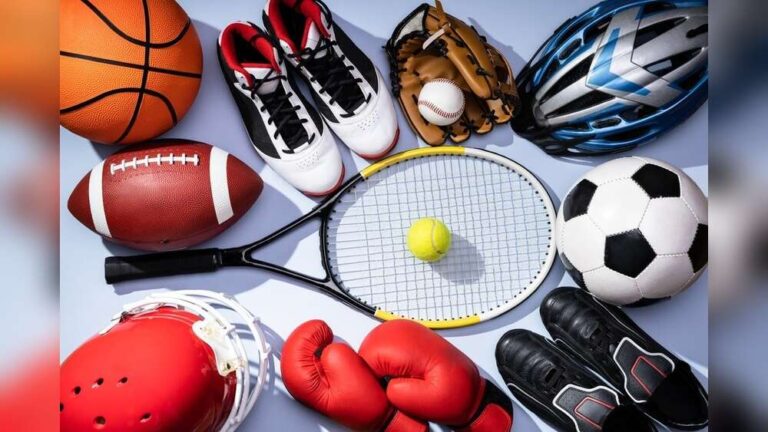
Training alone requires the right equipment to improve skills effectively. Proper gear makes practice safe and productive. It also helps keep motivation high during solo sessions. Choosing the right tools is the first step to better drills. Safe spaces and helpful aids enhance every workout.
Choosing The Right Gear
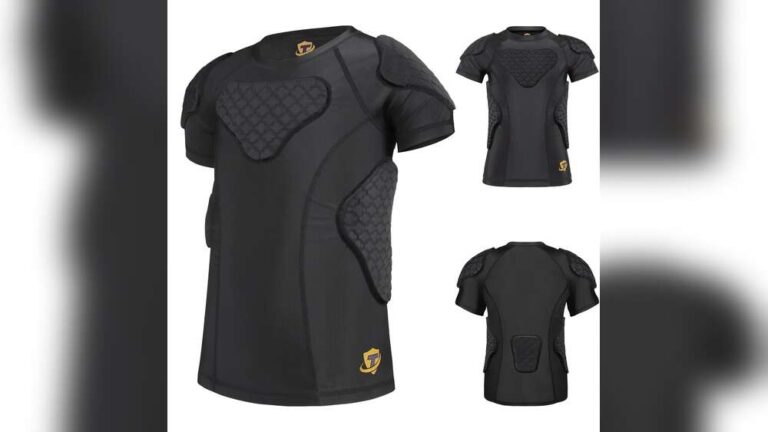
Select gear that fits your sport and skill level. Shoes should offer good support and grip. Clothes need to be comfortable and breathable. Use balls or equipment that match official sizes. Invest in durable items that last through many sessions. Avoid gear that feels heavy or restricts movement.
Using Training Aids Effectively
Training aids help you focus on specific skills. Cones, ladders, and resistance bands build speed and agility. A rebounder or wall can improve passing and catching. Use a timer to track drills and rest periods. Set clear goals for each training aid. Avoid overusing aids to keep sessions balanced.
Setting Up A Safe Practice Area
Choose a flat and clear space for practice. Remove obstacles that might cause injury. Make sure the ground is not slippery or uneven. Practice in well-lit areas to see clearly. Keep water nearby to stay hydrated. Safety reduces risks and improves training quality.
Warm-up And Conditioning Exercises
Warm-up and conditioning exercises prepare your body for sports practice. They increase blood flow and reduce injury risks. These exercises also improve your strength and endurance. Practicing them alone helps you stay fit and ready for any sport.
Dynamic Warm-up Routines
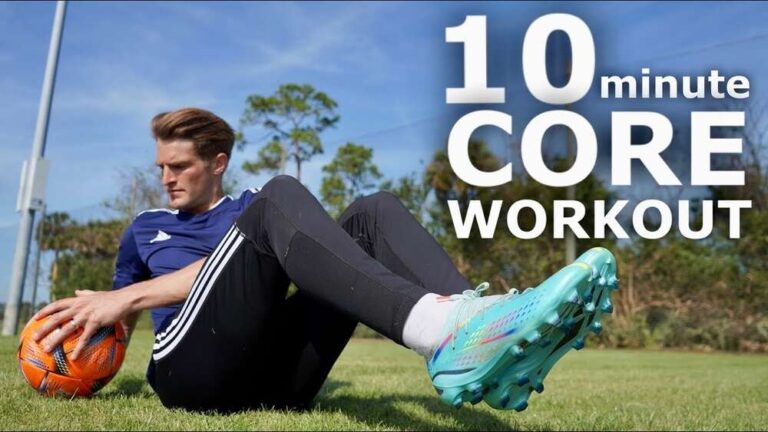
Start with movements that mimic your sport. Leg swings, arm circles, and high knees work well. These exercises raise your heart rate gently. They loosen muscles and joints for better performance. Spend five to ten minutes on dynamic warm-ups.
Building Endurance Alone
Endurance helps you play longer without getting tired. Running, cycling, or jumping rope build stamina. Set a steady pace you can keep for 20 minutes. Increase time or speed gradually over weeks. Rest days are important to avoid burnout.
Injury Prevention Tips
Stretch after warm-ups and workouts to keep muscles flexible. Focus on your form during exercises to avoid strain. Wear proper shoes and gear for support. Hydrate well before, during, and after practice. Stop if you feel sharp pain or discomfort.
Sport-specific Solo Drills
Sport-specific solo drills help improve skills without a partner or team. Practicing alone builds confidence and sharpens technique. These drills focus on key areas like ball control, agility, and shooting. Regular practice improves muscle memory and overall performance.
Ball Control And Handling
Use a wall or rebounder for ball control drills. Dribble the ball around cones or markers to improve handling. Practice controlling the ball with both hands or feet. Try different speeds to challenge yourself. Focus on keeping the ball close and under control.
Agility And Footwork Drills
Set up cones or markers to create a small course. Move quickly through the course using side steps, forward sprints, and backpedals. Work on changing direction smoothly and fast. Use ladder drills or jump rope to increase foot speed. These exercises help improve balance and coordination.
Shooting And Accuracy Practice
Choose a target like a goal or hoop for shooting drills. Aim for specific spots to improve precision. Practice shooting from different distances and angles. Focus on your form and follow-through with each shot. Repeat shots to build consistency and confidence.
Tracking Progress And Setting Goals
Tracking progress and setting goals are key to improving in sports drills. They help keep focus and motivate you. Without tracking, it is hard to see how much you improve. Setting clear goals gives direction to your practice sessions. It makes every drill purposeful and effective.
Using Apps And Technology
Many apps help track your sports drills. They record your time, speed, and accuracy. Some apps offer video analysis to see your form. Technology can give instant feedback. Use a stopwatch or fitness tracker to measure progress. These tools make practice more structured and fun.
Recording Performance Metrics
Write down your results after each session. Track numbers like reps, sets, and time taken. Keep a simple journal or use a spreadsheet. Recording metrics shows patterns and improvements. It helps find weak spots to work on next time. This habit builds discipline and focus.
Adjusting Drills For Growth
Change drills as you get better. Increase difficulty or speed to challenge yourself. Add new skills to keep practice exciting. Adjust drills based on your recorded results. This keeps you moving forward and avoids plateaus. Regular updates make training effective and rewarding.
Staying Motivated During Solo Training
Training alone can feel tough. Staying motivated is the key to keep practicing sports drills. It helps you improve skills and build strong habits. Without motivation, practice may become boring or hard to continue.
Focus on ways to keep your energy high and your mind ready. Small habits can make a big difference. Try simple tricks that keep your spirit up during solo training sessions.
Creating A Routine
Make a daily schedule for your drills. Choose a time that works best for you. Stick to it like a promise. Routine helps your brain expect practice and prepares you mentally. It builds discipline and reduces the chance of skipping sessions.
Visualizing Success
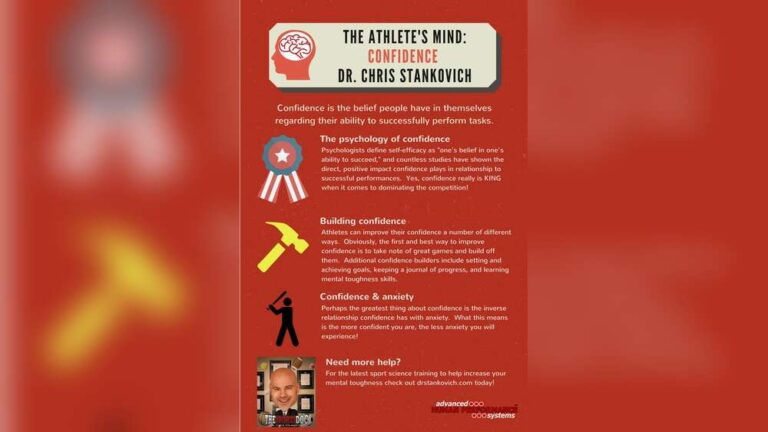
Close your eyes and imagine finishing your drills well. Picture yourself playing with skill and confidence. This mental image boosts your focus and belief. It prepares your mind to work hard and achieve goals.
Rewarding Achievements
Celebrate small wins after each practice. Give yourself a break or a small treat. Rewards create positive feelings linked to training. This makes you want to practice more and enjoy the process.
Common Challenges And Solutions
Practicing sports drills alone can be tough. Many athletes face challenges that slow progress. These challenges can cause frustration and reduce motivation. Knowing common problems and ways to fix them helps keep practice effective and fun.
Simple solutions help you stay focused. They keep your skills sharp and your body safe. Below are key challenges and how to handle them.
Overcoming Boredom
Practicing alone often feels boring. Repeating the same drill makes focus hard. Try setting small goals for each session. Change drills every 15 minutes to keep it fresh. Use a timer to add a challenge. Music can boost energy and mood. Taking short breaks helps reset your mind. Boredom fades when you keep your practice varied.
Maintaining Proper Technique
Without a coach, technique can slip. It’s easy to form bad habits. Use a mirror or record your drills on video. Watch yourself to spot mistakes. Compare your movements to tutorial videos. Slow down your actions to focus on form. Practice key movements step by step. Regular self-checks improve skill and prevent injury.
Avoiding Overtraining
Training too hard causes fatigue and injury. Rest days are important for muscle recovery. Listen to your body’s signals like pain or tiredness. Mix hard drills with light exercises or stretching. Set limits on practice time each day. Overtraining lowers your performance and slows progress. Balance effort and rest for steady improvement.

Credit: www.simbav.de
Frequently Asked Questions
How Can I Effectively Practice Sports Drills Alone?
Focus on skill repetition, use a timer, and set clear goals. Record yourself to track progress. Stay consistent and adjust drills as you improve.
What Equipment Do I Need For Solo Sports Drills?
Basic equipment depends on your sport. Common items include cones, balls, a stopwatch, and training aids. Minimal gear can still help develop key skills.
How Do I Stay Motivated While Training Alone?
Set small, achievable goals and track your progress. Mix drills to keep sessions interesting. Reward yourself for milestones to maintain motivation.
Can Solo Drills Improve My Game Performance?
Yes, solo drills build technique, speed, and endurance. Regular practice sharpens skills and boosts confidence for actual games.
Conclusion
Practicing sports drills alone helps improve skills at your own pace. It builds focus and discipline without distractions. Small, consistent efforts lead to steady progress over time. Use simple tools and clear goals to stay motivated. Keep track of your improvements to see growth clearly.
Solo practice prepares you well for team training sessions. Stay patient, and enjoy the process of learning. Your dedication will show in every move you make. Keep pushing yourself, and success will follow naturally.

Brandon Knoxley is a sport & fitness writer and training guide contributor at MySportFitHub. He focuses on practical workouts, performance-based training, and honest fitness gear insights designed for real people and real results. Brandon is passionate about helping beginners and active individuals train smarter, avoid common mistakes, and build sustainable fitness habits.