
How to Measure Improvement in Sports Training: Proven Strategies
Are you putting in hours at training but unsure if you’re actually getting better? Measuring improvement in sports training isn’t just about looking at scores or times.
It’s about knowing exactly where you stand, tracking your progress clearly, and pushing yourself in the right way. You’ll discover simple, effective ways to measure your growth so you can stay motivated and keep improving faster than ever before. Ready to take control of your training and see real results?
Let’s dive in.
Setting Clear Performance Goals
Setting clear performance goals helps athletes stay focused and track progress. Goals create a roadmap for training and improvement. Without clear goals, it is easy to lose direction and motivation. Defining what you want to achieve allows for better planning and effort. Goals also help measure success in a meaningful way.
Short-term Vs Long-term Targets
Short-term targets are small steps that lead to bigger achievements. They keep you motivated by showing quick wins. Examples include improving sprint speed in one month or increasing weight lifting by 10 pounds. Long-term targets are larger goals set for months or years. They provide a bigger picture, like qualifying for a championship or running a marathon. Balancing both types ensures steady progress and clear focus.
Smart Goal Framework
SMART stands for Specific, Measurable, Achievable, Relevant, and Time-bound. Specific goals state exactly what to do, like “run 5 km in 25 minutes.” Measurable goals allow tracking progress with numbers or milestones. Achievable means goals must be realistic and not too hard. Relevant goals relate directly to your sport and needs. Time-bound sets a clear deadline to create urgency and structure.
Aligning Goals With Training Plans
Goals must fit your training schedule and methods. Training should target the skills and fitness needed for your goals. For example, if your goal is to improve endurance, include longer runs or swims. If you want to increase strength, focus on weight training. Aligning goals and training avoids wasted effort and boosts results. Regularly review goals and adjust training to stay on track.
Tracking Physical Metrics
Tracking physical metrics is key to measuring progress in sports training. It shows clear evidence of improvement over time. Regular tracking helps athletes and coaches spot strengths and weaknesses. This focus guides training adjustments to boost performance. Accurate data motivates athletes by showing real results.
Using Wearable Technology
Wearable devices collect data during workouts and games. They track heart rate, calories burned, and movement patterns. This information gives insight into an athlete’s effort and recovery. Devices like smartwatches and fitness bands provide real-time feedback. Wearables help maintain the right intensity and avoid overtraining.
Monitoring Strength And Endurance
Strength tests measure how much force muscles produce. Endurance tests check how long muscles can perform without fatigue. Simple exercises like push-ups or wall sits can track strength progress. Running or cycling for set times measures endurance improvements. Recording these results regularly shows gains or plateaus.
Recording Speed And Agility
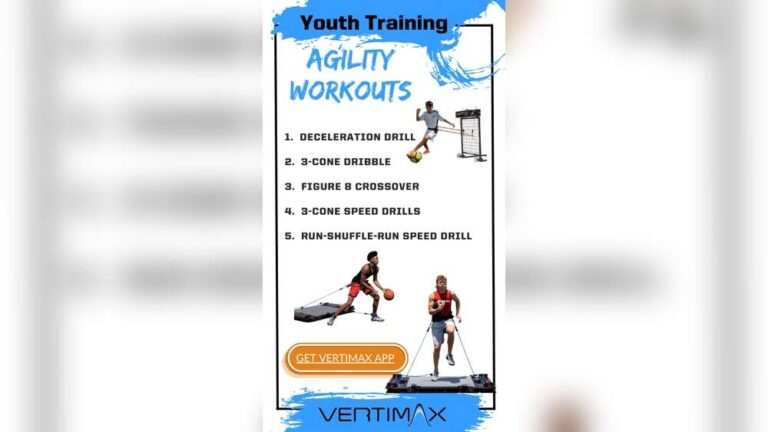
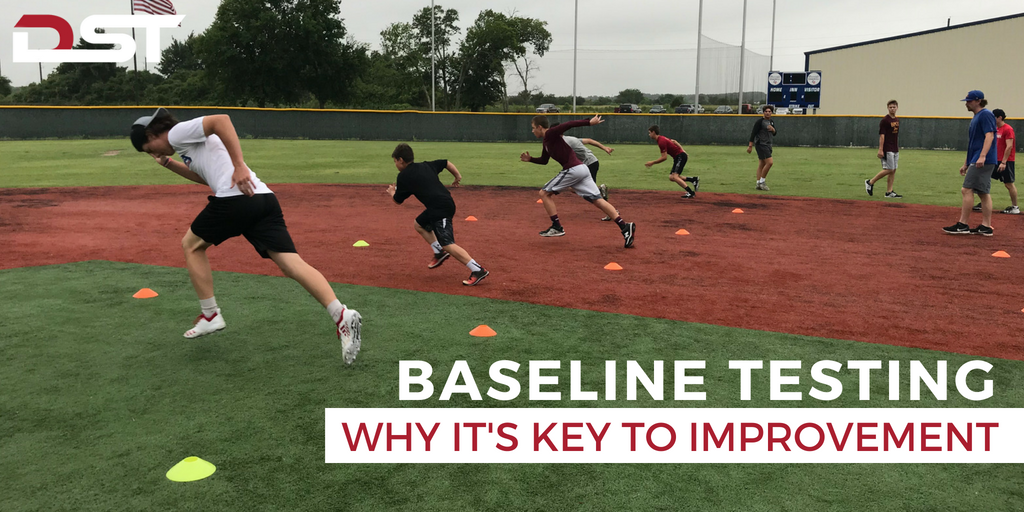
Speed tests measure how fast an athlete moves over short distances. Agility drills test quick changes in direction and balance. Timed sprints and cone drills are common methods. Tracking times and completion rates reveals growth in these areas. Consistent practice improves reaction time and body control.
Evaluating Skill Development
Evaluating skill development is key to tracking progress in sports training. It shows how much an athlete improves their abilities over time. Coaches and athletes use different methods to measure skills clearly and fairly. This helps identify strengths and areas needing work.
Skill Drills And Assessments
Skill drills test specific movements and techniques in sports. These drills are simple and repeatable. They measure accuracy, speed, and control. Regular assessments help spot progress or decline in skill levels. Drills also build muscle memory and confidence in athletes.
Video Analysis Techniques
Video analysis breaks down an athlete’s performance frame by frame. It helps see details missed by the naked eye. Coaches use slow motion to study form and technique. This method highlights errors and shows areas to improve. Video feedback makes learning visual and easier to understand.
Feedback From Coaches And Peers
Feedback offers valuable insight about an athlete’s skill growth. Coaches provide professional advice based on experience. Peers give support and honest opinions from practice sessions. Listening to feedback helps athletes adjust and improve faster. It also builds motivation and trust within the team.
Credit: athletesuntapped.com
Analyzing Game Performance
Analyzing game performance is key to measuring improvement in sports training. It shows how skills develop during real matches. Tracking progress helps athletes and coaches make smart decisions. It reveals strengths and areas that need work.
Statistical Data Collection
Collecting stats during games gives clear facts about performance. Record numbers like goals, passes, or shots on target. Count errors such as missed passes or turnovers. Use simple tools like notebooks or apps for tracking. Data helps spot patterns and track growth over time.
Performance Under Pressure
Games create pressure that practice does not. Watch how players react in tight moments. Notice if they stay calm or make mistakes. Stress can affect speed, focus, and decision-making. Measuring this shows mental strength and readiness for tough situations.
Comparing Practice Vs Competition
Compare skills shown in practice and actual games. Practice may have perfect moves, but games are different. See if players can use skills under real conditions. Differences highlight areas needing more real-game training. This comparison helps make training more effective.
Assessing Psychological Growth
Assessing psychological growth is key to sports training progress. Mental strength impacts performance as much as physical skills. Tracking this growth helps athletes stay motivated and improve consistently.
Psychological growth includes confidence, focus, motivation, and resilience. Measuring these areas shows how well an athlete adapts to challenges. Coaches and athletes can use this data to adjust training plans.
Measuring Confidence Levels
Confidence affects how athletes perform under pressure. Simple self-rating scales help measure confidence before and after training. Asking athletes about their belief in skills reveals changes over time. Observing body language during practice also gives clues about confidence.
Tracking Focus And Motivation
Focus drives attention during training sessions and games. Use short quizzes or checklists to assess concentration levels. Motivation can be tracked by setting small goals and noting effort to reach them. Regular feedback helps athletes stay engaged and aware of their progress.
Mental Resilience Tests
Mental resilience is the ability to bounce back from setbacks. Stress tests and simulated pressure situations measure this trait. Recording reactions and recovery time shows how well athletes cope with stress. Building resilience improves long-term performance and reduces burnout risks.

Credit: www.amazon.com
Utilizing Recovery And Health Indicators
Tracking recovery and health signs is key to measuring sports training progress. These indicators show how the body heals and adapts. They help avoid injuries and keep athletes performing well. Monitoring these factors gives a clear view of training effectiveness.
Sleep Quality And Impact
Sleep plays a big role in recovery. Good sleep helps muscles repair and energy return. Track hours slept and sleep patterns each night. Poor sleep leads to slower recovery and less focus. Use sleep trackers or journals to see changes over time.
Injury Tracking And Prevention
Injuries stop progress and cause setbacks. Record any pain or discomfort during training. Note how often injuries happen and their severity. Early signs help prevent serious issues. Adjust training plans based on injury data to stay safe.
Nutrition And Hydration Monitoring
Fuel from food and water supports recovery and growth. Keep track of meals and water intake daily. Balanced nutrition improves strength and endurance. Dehydration causes fatigue and poor performance. Regular checks ensure the body gets what it needs.
Adjusting Training Based On Data
Adjusting training based on data helps athletes grow smarter and stronger. Tracking progress gives clear signs of what works and what needs change. Using this information guides the next steps in training. This way, effort turns into real improvement.
Interpreting Results For Improvement
Data shows strengths and weaknesses in performance. Look at patterns over time, not just one test. Notice if speed, strength, or endurance improves or drops. Understand why certain exercises help more than others. Use simple graphs or charts to see progress clearly.
Customizing Workout Plans
Each athlete needs a unique plan based on their data. Change exercises to target weak areas. Increase intensity slowly to avoid injury. Add variety to keep workouts interesting. Regular updates make sure the plan stays effective and fits the athlete’s needs.
Periodization And Rest Strategies
Plan training in cycles to balance work and rest. Use data to find the best time for hard workouts. Schedule rest days to allow the body to recover fully. Proper rest prevents burnout and injury. Periods of lower intensity help prepare for peak performance.
Credit: www.dynamicsportstraining.com
Frequently Asked Questions
What Are Key Metrics For Measuring Sports Training Improvement?
Key metrics include speed, strength, endurance, technique, and consistency. Tracking these helps evaluate progress and adjust training plans effectively.
How Often Should Progress Be Measured In Sports Training?
Progress should be measured weekly or biweekly. Regular checks ensure timely adjustments and keep motivation high.
Can Technology Help Track Sports Training Improvement?
Yes, wearable devices and apps track performance data. They provide accurate insights and help optimize training routines.
How Does Goal Setting Improve Training Measurement?
Setting clear goals offers benchmarks to measure success. It keeps athletes focused and motivated during training.
Conclusion
Measuring improvement in sports training helps track progress clearly. Use simple tools like timing, scoring, and strength tests. Regular checks show what works and what needs change. Stay patient; results take time and effort. Focus on small steps to keep motivated and improve.
Tracking progress makes training smarter and more effective. Keep practicing and measuring to reach your goals. Progress matters more than perfection.

Brandon Knoxley is a sport & fitness writer and training guide contributor at MySportFitHub. He focuses on practical workouts, performance-based training, and honest fitness gear insights designed for real people and real results. Brandon is passionate about helping beginners and active individuals train smarter, avoid common mistakes, and build sustainable fitness habits.