
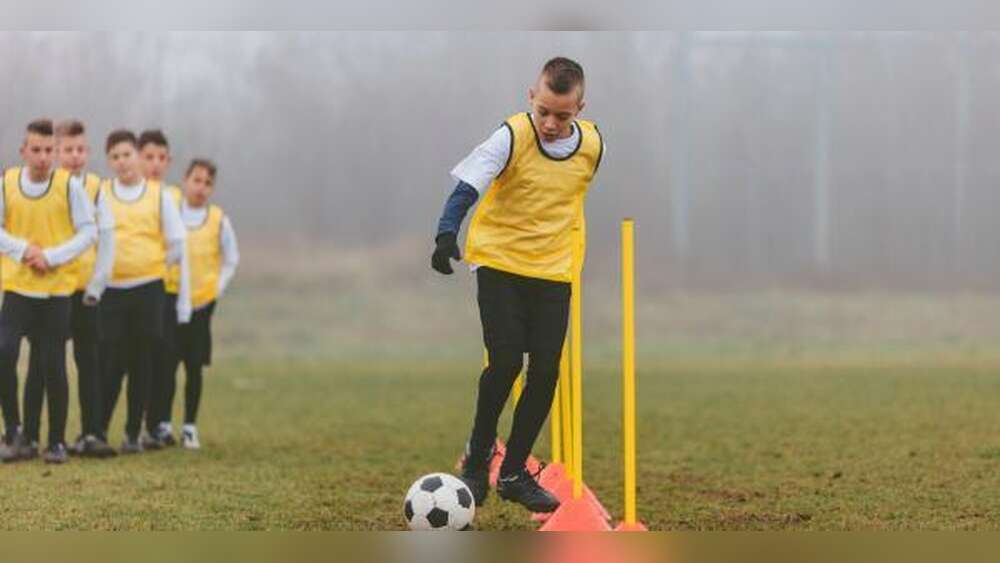
How to Stay Focused During Sports Training: Proven Winning Strategies
Are you struggling to keep your mind sharp during sports training? Losing focus can slow your progress and make workouts feel harder than they should.
But what if you could train your brain just as well as your body? Staying focused isn’t about willpower alone—it’s about using simple, proven strategies that keep distractions away and boost your concentration. You’ll discover easy steps to sharpen your attention, maximize every session, and get closer to your goals faster.
Ready to transform your training and unlock your true potential? Keep reading—you won’t want to miss what’s coming next.
Set Clear Goals
Setting clear goals is key to staying focused during sports training. Goals give direction and keep you motivated. They help measure progress and push you forward. Without goals, training can feel aimless and boring. Clear goals break your training into manageable steps. This makes your effort feel more rewarding and keeps your mind on track.
Short-term Targets
Short-term targets are small goals you can reach quickly. They build confidence and keep you engaged. Examples include improving your sprint time by a few seconds or mastering a new skill. These targets create a sense of achievement. They guide your daily training and make practice sessions purposeful. Set short-term targets that are specific and realistic. This helps avoid frustration and keeps your focus sharp.
Long-term Ambitions
Long-term ambitions are big goals you want to reach in the future. They give your training a clear purpose. Examples include winning a tournament or reaching a certain fitness level. These ambitions motivate you during tough training days. They remind you why you train hard. Break long-term ambitions into smaller steps to track progress. This makes big goals less overwhelming and easier to focus on.

Credit: crosstrainingpublishing.com
Create A Training Routine
Creating a training routine helps improve focus during sports practice. It builds good habits and makes workouts more effective. A well-planned routine reduces confusion and keeps your mind on the goal. Consistency and balance in training prevent burnout and improve progress.
Consistent Schedule
Set a regular time for training each day. This helps the body and mind prepare for exercise. A consistent schedule creates rhythm and makes training part of your daily life. It reduces distractions and increases mental readiness. Training at the same time improves focus and performance.
Balanced Workload
Divide training sessions between hard and easy days. Too much intensity causes fatigue and loss of focus. Too little effort slows progress and weakens motivation. A balanced workload keeps energy levels stable. Rest days and light workouts help the body recover and stay sharp.
Eliminate Distractions
Staying focused during sports training is key to improving skills and performance. Distractions can break concentration and waste effort. Removing these distractions helps you stay in the zone and train better.
Phone And Device Management
Phones and devices often pull attention away from training. Turn off notifications to avoid interruptions. Keep your phone on silent or in another room. Use apps that block distractions if needed. Only check your phone during breaks to stay focused.
Training Environment Setup
Choose a quiet, clean place for training. Remove items that do not relate to your session. A tidy space reduces mental clutter. Make sure the area has good lighting and enough space. Prepare all your gear before starting to avoid stopping.
Mental Conditioning Techniques
Mental conditioning techniques help athletes improve focus during sports training. These methods train the mind to stay sharp and calm under pressure. Strong mental skills support physical performance and boost confidence. Practicing mental exercises regularly builds mental toughness. This section explores two key techniques: visualization and mindfulness.
Visualization Practices
Visualization means imagining success in your mind. Athletes picture themselves performing well and reaching goals. This mental rehearsal prepares the brain for real action. Visualizing movements before training improves muscle memory. It also reduces anxiety and builds positive expectations. Spend a few minutes daily imagining perfect training sessions. Include details like sounds, feelings, and movements. This practice strengthens focus and motivation.
Mindfulness And Meditation
Mindfulness teaches awareness of the present moment. It helps athletes notice thoughts and feelings without judgment. Meditation trains the mind to stay calm and focused. Regular mindfulness practice reduces stress and distractions. It improves attention during training and competition. Start with short sessions, focusing on breathing or body sensations. Gradually increase time as concentration improves. Mindfulness creates mental clarity and steady focus for better sports performance.
Nutrition And Hydration
Nutrition and hydration play a big role in staying focused during sports training. The right food and drinks give your body energy and help your brain work well. Without good nutrition and enough water, your training can feel harder and less effective.
Eating the right foods before training helps keep your energy steady. Drinking enough water stops tiredness and keeps your mind sharp. Both together help you stay alert and ready to perform your best.
Pre-training Meals
Choose meals with carbohydrates, protein, and a little fat before training. Carbs give quick energy your muscles need. Protein helps repair and build your body.
Eat your meal about 1 to 2 hours before training. This timing lets your body digest food and turn it into fuel. Avoid heavy or greasy meals that can cause discomfort.
Good options include oatmeal with banana, a turkey sandwich, or yogurt with fruit. These foods keep your energy levels steady and prevent hunger during training.
Staying Hydrated
Drink water throughout the day to keep your body hydrated. Dehydration can cause tiredness and reduce focus. Drink small amounts often, not just when you feel thirsty.
Before training, drink a glass of water. During training, take regular sips. After training, replenish lost fluids to help your body recover.
Avoid sugary drinks and caffeine as they can lead to dehydration. Water is the best choice for staying hydrated and keeping your mind clear.
Credit: motennistraining.com
Effective Rest And Recovery
Rest and recovery play a big role in staying focused during sports training. Proper rest helps the body heal and the mind stay sharp. Training hard without enough rest can lead to tiredness and poor performance. Effective rest boosts energy and improves concentration for the next session.
Sleep Importance
Sleep is the body’s natural way to repair itself. It helps muscles grow and recover from training stress. Lack of sleep reduces focus and slows reaction time. Aim for 7 to 9 hours of sleep every night. A regular sleep schedule supports better training results. Good sleep also improves mood and motivation.
Active Recovery Methods
Active recovery means light exercise on rest days. Activities like walking, stretching, or swimming increase blood flow. This helps remove waste from muscles and reduces soreness. Active recovery keeps the body moving without causing extra strain. It aids faster healing and maintains flexibility. Choose gentle activities that feel good and relax the body.
Stay Motivated
Staying motivated during sports training is key to improving your skills and reaching your goals. Motivation keeps your energy high and your mind focused on what matters. Without it, training can feel like a chore and progress slows down.
Motivation comes from clear goals and a positive mindset. It pushes you to train harder and stay consistent. Two effective ways to stay motivated are tracking your progress and using reward systems. Both help keep your spirits up and your efforts on track.
Tracking Progress
Tracking your progress shows how far you have come. It makes your hard work visible. Use a journal or app to record your daily training results. Write down your times, distances, or any skill improvements.
Seeing small wins boosts your confidence. It reminds you that practice pays off. Tracking also helps you find areas that need more work. This keeps your training focused and effective.
Reward Systems
Reward systems create extra reasons to keep going. Set small rewards for reaching milestones. For example, treat yourself to a favorite snack or a rest day after a week of training.
Rewards make training feel fun and less like a duty. They help your brain link effort with positive feelings. This connection builds a habit of staying motivated and disciplined.
Use Focus-enhancing Tools
Staying focused during sports training can be tough. Many athletes struggle with distractions and losing concentration. Using focus-enhancing tools can help improve attention and performance. These tools guide your mind and keep your goals clear.
Focus tools vary from technology to simple writing methods. They help track progress, remind you of tasks, and create a routine. This creates a mental space where distractions have less power.
Apps And Gadgets
Apps designed for athletes can track workouts and set reminders. They break training into small, manageable tasks. This keeps your mind on one thing at a time.
Wearable gadgets monitor heart rate and movement. This data helps adjust intensity and stay in the right zone. When your body and mind work together, focus improves naturally.
Some apps offer guided meditation or breathing exercises. These calm the mind before or after training. A calm mind can concentrate better during physical activity.
Training Journals
Writing down daily training goals and results keeps your focus sharp. A journal makes goals clear and progress visible. This simple habit boosts motivation and attention.
Journals help identify patterns in training. You can see what works and what needs change. This reflection keeps your mind engaged in improvement.
Using a journal also builds discipline. The act of writing creates a moment of focus. Over time, this habit strengthens your overall concentration during training.
Credit: www.sportspsychologytennis.com
Frequently Asked Questions
How Can I Improve Concentration During Sports Training?
Focus by setting clear goals and eliminating distractions. Use mindfulness techniques to stay present. Take short breaks to refresh your mind and body. Consistent practice helps build mental endurance for better concentration over time.
What Role Does Nutrition Play In Sports Focus?
Proper nutrition fuels your brain and muscles, enhancing concentration. Eat balanced meals with proteins, carbs, and healthy fats. Stay hydrated to avoid fatigue and maintain mental clarity during training sessions.
How Does Sleep Affect Focus In Sports Training?
Adequate sleep restores cognitive function and improves attention. Aim for 7-9 hours each night to enhance reaction time. Lack of sleep reduces focus, slows reflexes, and increases injury risk.
Can Mental Exercises Boost Focus During Training?
Yes, mental exercises like visualization and meditation improve concentration. They train your brain to stay calm and attentive under pressure. Incorporate them regularly to enhance overall sports performance.
Conclusion
Staying focused during sports training takes practice and patience. Set clear goals and keep your mind on them. Avoid distractions and take short breaks to refresh. Remember to stay positive and believe in your progress. Consistency helps build strong habits over time.
Keep your body and mind healthy with good rest and food. Small steps each day lead to big improvements. Focus makes training more effective and enjoyable. Keep pushing forward, and results will come.

Brandon Knoxley is a sport & fitness writer and training guide contributor at MySportFitHub. He focuses on practical workouts, performance-based training, and honest fitness gear insights designed for real people and real results. Brandon is passionate about helping beginners and active individuals train smarter, avoid common mistakes, and build sustainable fitness habits.