How Many Steps In 1 Hour Walk On Treadmill: Step Guide
A one-hour treadmill walk usually equals 3,000 to 7,000 steps, depending on your speed, stride, and walking style.
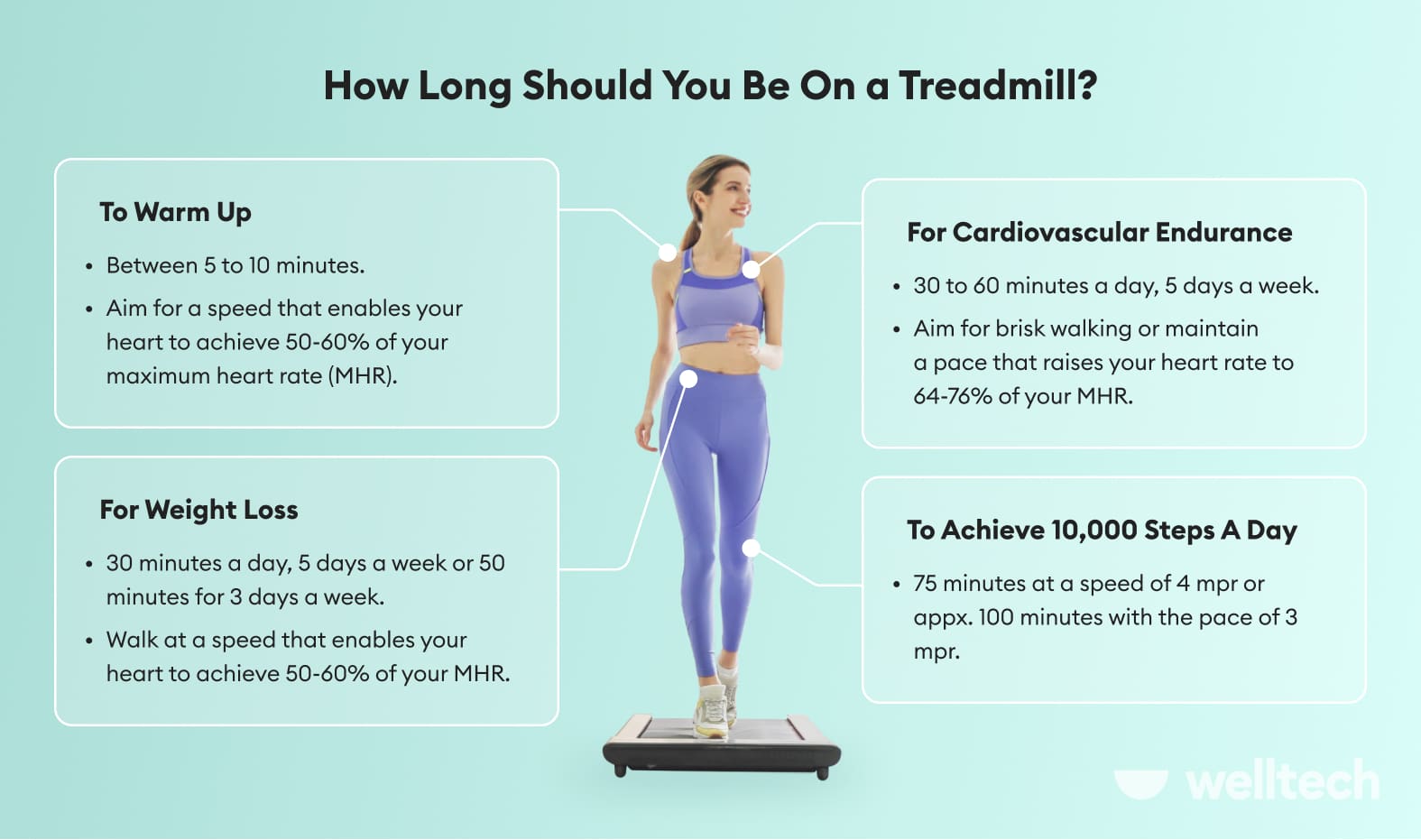
How many steps in 1 hour walk on treadmill depends less on the clock and more on your pace. A slow walk may produce about 3,000 steps, while a brisk walk can reach 6,000 to 7,000 steps or more. This guide explains the numbers, shows how to calculate your own step count, and shares practical ways to make each treadmill session more accurate and useful.
How Many Steps Are in a 1-Hour Treadmill Walk?
For most adults, a one-hour walk on a treadmill produces between 3,000 and 7,000 steps. Your exact number depends on treadmill speed, leg length, stride length, fitness level, and whether you hold the handrails.
Here is a simple estimate:
| Treadmill speed | Approximate steps in 1 hour |
|---|---|
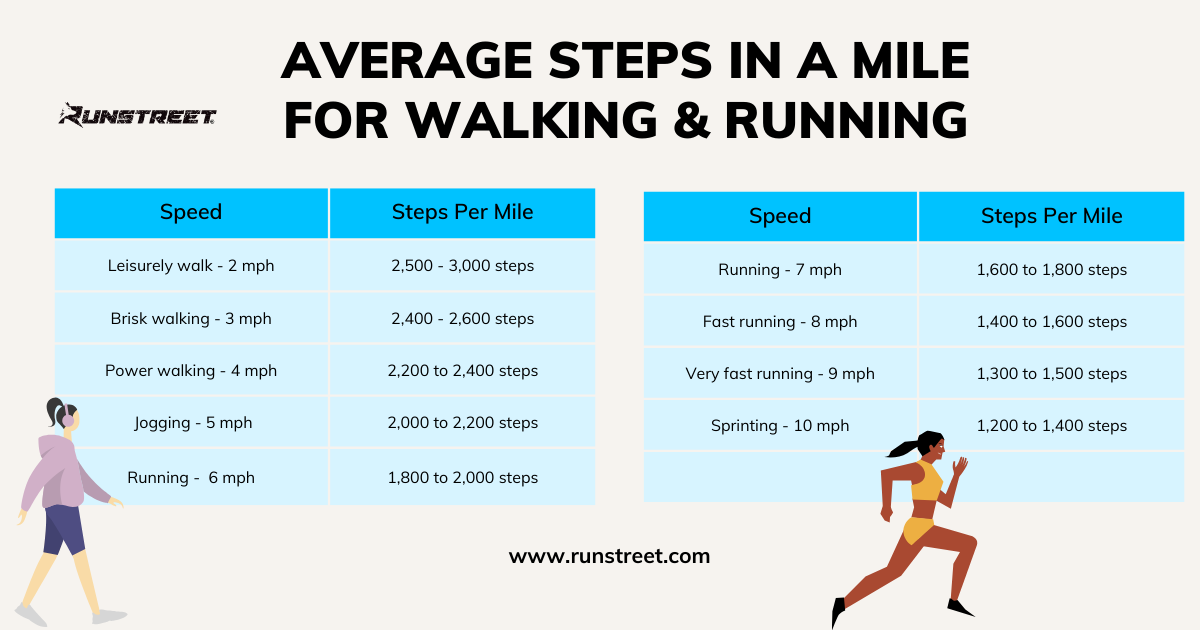
| 2.0 mph | 3,000 to 4,000 steps |
| 2.5 mph | 4,000 to 5,000 steps |
| 3.0 mph | 5,000 to 6,000 steps |
| 3.5 mph | 6,000 to 7,000 steps |
| 4.0 mph | 7,000 to 8,500 steps |
These figures are estimates, not fixed rules. A shorter person may take more steps at the same speed because each step covers less ground. A taller person may take fewer steps because of a longer stride.
When people ask how many steps in 1 hour walk on treadmill, the most useful answer is often around 5,000 to 6,000 steps at a steady pace of 3 miles per hour.

Step Count by Treadmill Walking Speed
Speed is the biggest factor in your treadmill step count. As the belt moves faster, your feet must move more often to keep up.
Walking at 2 miles per hour
A speed of 2 mph is gentle and works well for beginners, older adults, or people returning to exercise. You may take about 3,000 to 4,000 steps in an hour.
This pace may feel easy enough for relaxed breathing and conversation. It can still support daily movement, joint mobility, and a gradual return to fitness.
Walking at 2.5 miles per hour
At 2.5 mph, many people take around 4,000 to 5,000 steps in one hour. This is a comfortable pace for steady walking without heavy breathing.
It can be useful when your goal is to increase daily activity without placing too much stress on your knees, hips, or ankles.
Walking at 3 miles per hour
At 3 mph, you may reach about 5,000 to 6,000 steps in an hour. For many adults, this is a moderate walking pace.
You may notice a faster heartbeat and warmer skin, but you should still be able to speak in short sentences. This speed is a practical target for many treadmill workouts.
Walking at 3.5 miles per hour
A 3.5 mph walk may produce about 6,000 to 7,000 steps per hour. It is often brisk enough to raise your heart rate and make the workout feel more challenging.
If you are new to this pace, start with short blocks. Try five minutes at 3.5 mph after 10 minutes at an easier speed.
Walking at 4 miles per hour
walking at 4 mph can result in roughly 7,000 to 8,500 steps in an hour. This is a fast pace for many people and may feel close to a power walk.
Good posture becomes important here. Keep your shoulders relaxed, swing your arms, and avoid gripping the treadmill rails.

How to Calculate Your Treadmill Steps
You can estimate your steps with a simple formula:
Steps per minute × 60 = steps in one hour
For example, if you take 100 steps per minute:
100 × 60 = 6,000 steps
You can count your steps in two ways:
- Count your steps for one minute during your normal treadmill pace.
- Multiply that number by 60.
- Repeat the count at least twice.
- Use the average for a better estimate.
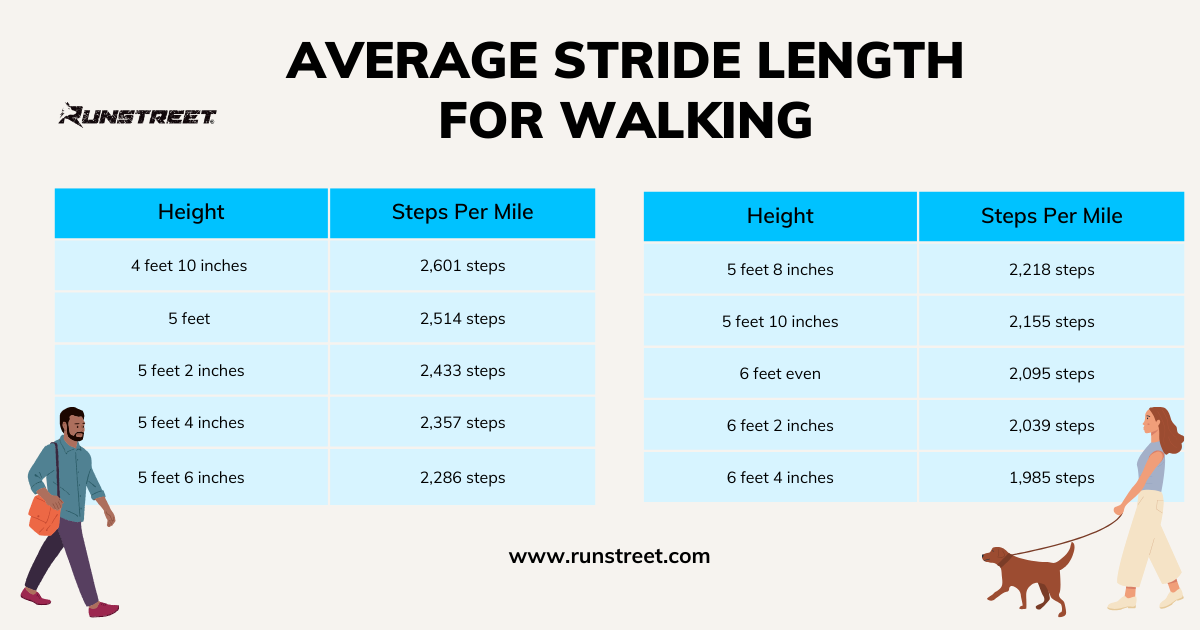
For a more personal calculation, measure your walking distance and divide it by your average step length. A common adult walking step is about 2 to 2.5 feet, but this varies widely.
For example, one mile equals 5,280 feet. If your average step is 2.5 feet:
5,280 ÷ 2.5 = about 2,112 steps per mile
At 3 mph, you walk about 3 miles in one hour:
2,112 × 3 = about 6,336 steps
This explains why a 3 mph treadmill walk often produces about 5,000 to 6,500 steps.
What Changes the Number of Steps?
The answer to how many steps in 1 hour walk on treadmill is not the same for everyone. Several factors can raise or lower your total.
Stride length
Stride length is the distance covered from one foot to the same foot again. A longer stride usually means fewer steps over the same distance. A shorter stride usually means more steps.
Do not force a long stride. Overstriding can make your heel land too far in front of your body and may increase stress on your knees.
Treadmill speed
A faster belt usually leads to more steps per minute. However, some people lengthen their stride as they speed up, so the increase may not be perfectly even.
Your step count may also change when you move from a slow walk to a brisk walk. Your body naturally adjusts its rhythm.
Incline
Incline walking can change your step pattern. Many people take shorter steps when walking uphill because the effort is higher.
A 1-hour treadmill walk at a 5% incline may show slightly fewer steps than a flat walk at the same speed. Even so, the workout may feel harder and use more energy.
Handrail use
Holding the front or side rails can reduce natural arm movement and change your posture. It may also affect how accurately a watch or phone counts steps.
Use the rails only for balance or safety. If you need to hold them often, reduce the speed or incline.
Fitness and walking skill
A trained walker may use a smoother rhythm and longer stride. A beginner may take shorter, quicker steps.
Neither pattern is automatically better. Comfort, control, and safe movement matter more than chasing a perfect number.

Is 5,000 Steps in One Hour a Good Goal?
Yes, 5,000 steps in one hour is a strong and realistic goal for many people. It often matches a treadmill speed near 2.5 to 3 mph, depending on stride length.
Still, step goals should fit your health and experience. Someone recovering from an injury may benefit from 1,500 careful steps, while a trained walker may comfortably reach 8,000 steps.
Health organizations commonly recommend at least 150 minutes of moderate aerobic activity each week for adults. A one-hour treadmill walk can cover a large part of that weekly target when performed at a moderate intensity.
You do not need to finish the full hour without breaks. Three 20-minute walks can provide similar total movement and may feel easier to fit into a busy day.
A useful personal goal might be:
• Beginner: 2,500 to 4,000 steps
• Regular walker: 4,000 to 6,000 steps
• Brisk walker: 6,000 to 8,000 steps
• Advanced walker: 8,000 or more steps
Your goal should encourage progress, not create pressure. Consistency matters more than one unusually long workout.
Benefits of Walking on a Treadmill for One Hour
A one-hour treadmill walk can support physical and mental health. The benefits depend on pace, incline, frequency, and your overall health.
Supports heart health
Regular brisk walking can improve cardiorespiratory fitness. It also helps you practice sustained movement without the impact of running.
The American Heart Association recognizes brisk walking as a moderate activity for many adults. Your personal intensity may differ, so use your breathing and effort as guides.
Helps manage body weight
Walking uses energy and can support weight management when combined with balanced eating. The number of calories burned depends on body weight, speed, incline, and metabolism.
Do not treat the treadmill calorie display as exact. It can be useful for comparison, but it may overestimate or underestimate your actual energy use.
Improves daily movement
A treadmill makes it easier to walk during bad weather, busy workdays, or very hot and cold seasons. You can also control the speed and incline with precision.
This removes many common excuses. Even a short walk during a lunch break can help you build a lasting routine.
Supports mood and stress control
Walking may help reduce stress and improve mood. Many people find that a steady pace gives them quiet time to think, listen to music, or enjoy a podcast.
The mental benefit can be just as valuable as the step count. Think of your treadmill time as a reset button for the day.

How to Get More Steps During a Treadmill Walk
If your current answer to how many steps in 1 hour walk on treadmill is lower than you want, make small changes. You do not need to sprint or push through pain.
Try these practical methods:
• Increase speed by 0.1 to 0.2 mph every few minutes.
• Use short brisk intervals, such as two minutes fast and three minutes easy.
• Keep the incline low if it helps you walk with better form.
• Keep your arms moving naturally at your sides.
• Avoid holding the rails unless you need support.
• Maintain an upright posture with your eyes forward.
• Break the hour into four 15-minute sessions if needed.
• Track your progress over several weeks, not one day.
A sample beginner workout could look like this:
- Walk at 2 mph for 10 minutes.
- Walk at 2.5 mph for 20 minutes.
- Walk at 3 mph for 10 minutes.
- Return to 2 mph for 10 minutes.
- Cool down at 1.5 to 2 mph for 10 minutes.
This plan may produce around 4,000 to 5,500 steps, depending on your stride and tracker accuracy.

How Accurate Are Treadmill Step Counters?
Treadmill step counters are useful, but they are not always exact. Some treadmills estimate steps from speed and user settings. Others may not track steps at all.
Fitness watches and phones can also miss steps when your arm stays still, such as when you hold the rails or read from a phone. Wrist devices may count extra movement as steps during certain activities.
For better accuracy:
• Wear your device in the same position each time.
• Enter your height, weight, and stride length correctly.
• Keep your walking form natural.
• Compare your device with a manual one-minute count.
• Focus on weekly trends instead of small daily differences.
In practical testing, a difference of several hundred steps between a treadmill display and a smartwatch is not unusual. The devices measure movement in different ways, so small disagreements are expected.
Common Mistakes to Avoid
Many people focus so closely on how many steps in 1 hour walk on treadmill that they overlook safe technique.
Avoid these common mistakes:
Starting too fast
A fast first five minutes can leave you tired before the workout is useful. Begin slowly and build your pace.
Holding the rails
Rail use can reduce the effort of walking and may place your body in an awkward position. Lower the speed if you cannot walk safely without support.
Chasing a step number
A step goal is a guide, not a test of your worth. More steps are not always better, especially if you have pain or poor recovery.
Ignoring pain
Mild muscle tiredness can be normal. Sharp pain, chest pressure, dizziness, or unusual shortness of breath is not something to push through.
Stop and seek medical advice when symptoms are severe, new, or persistent. If you have a heart condition, serious joint problem, or recent surgery, ask a health professional about the right treadmill pace.
Forgetting warm-up and cool-down
A few easy minutes before and after your walk can help your body transition into and out of exercise. It also makes the session feel more comfortable.
How Many Steps in 1 Hour Walk on Treadmill for Weight Loss?
There is no single step count that guarantees weight loss. A one-hour treadmill walk may support weight loss by increasing energy use, but food intake, sleep, stress, and overall activity also matter.
A brisk 3 mph walk may produce around 5,000 to 6,500 steps. For some adults, that session may burn roughly 200 to 400 calories, but the true amount varies greatly.
A better strategy is to walk regularly and increase your total activity over time. For example, add 10 minutes to your walk or raise the speed slightly after your current routine feels easy.
Track more than the scale. Waist measurements, walking pace, energy levels, and improved endurance can also show progress.
Frequently Asked Questions About How Many Steps in 1 Hour Walk on Treadmill
How many steps do you take walking on a treadmill for one hour?
Most adults take about 3,000 to 7,000 steps in one hour. The total depends mainly on speed, stride length, incline, and fitness level.
Is 6,000 steps in one hour good?
Yes, 6,000 steps in one hour is a strong result for many walkers. It often represents a steady pace near 3 mph, although your exact speed may differ.
How many steps are 30 minutes on a treadmill?
Thirty minutes may produce about 1,500 to 3,500 steps. A slow walk creates fewer steps, while a brisk pace creates more.
Does incline walking reduce step count?
It can. People often take shorter steps on an incline, so they may record fewer steps at the same speed. However, incline walking usually feels harder and can increase the overall training demand.
Can I lose weight by walking one hour on a treadmill?
You may support weight loss by walking for one hour regularly, especially when your food intake also supports a calorie deficit. Results vary based on body size, walking pace, incline, diet, and consistency.
Is treadmill walking as good as walking outside?
Both can provide valuable aerobic activity. Treadmills offer controlled speed, incline, and weather protection, while outdoor walking adds changing surfaces and scenery.
Conclusion
How many steps in 1 hour walk on treadmill usually falls between 3,000 and 7,000 steps. At about 3 mph, many adults reach roughly 5,000 to 6,500 steps, while a slower pace may produce fewer and a brisk pace may produce more.
Use your step count as a helpful guide, not a strict rule. Start at a comfortable speed, keep good posture, avoid relying on the rails, and increase your pace or time gradually. Try your next one-hour walk, record your steps and speed, and use that personal result to build a routine that works for you.

Brandon Knoxley is a sport & fitness writer and training guide contributor at MySportFitHub. He focuses on practical workouts, performance-based training, and honest fitness gear insights designed for real people and real results. Brandon is passionate about helping beginners and active individuals train smarter, avoid common mistakes, and build sustainable fitness habits.