Best Incline For Walking On Treadmill: Ideal Setting
For most people, the best incline for walking on a treadmill is 3% to 6% at a steady, safe pace.
You may want a better workout but lack hills, time, or outdoor space. A treadmill solves that problem, yet the incline setting can feel confusing. Too little incline may not raise your effort, while too much can strain your calves, knees, or lower back. I reviewed these incline treadmills, walking pads, and riser blocks with comfort, control, safety, and home use in mind. My goal is simple: help you find the best incline for walking on treadmill workouts that feel useful, steady, and easy to repeat.
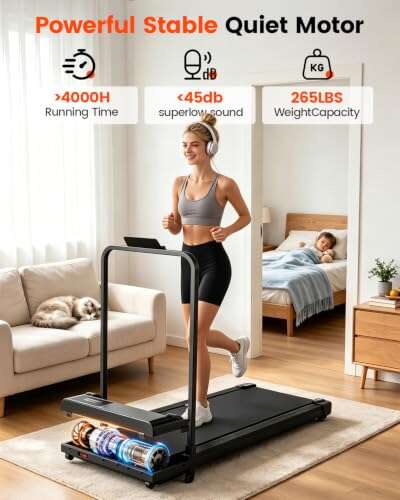
ICYLOOT Walking Pad With Incline

The ICYLOOT walking pad is made for people who want a compact treadmill with more support than a basic under-desk model. Its handle bar gives you a place to steady yourself during a brisk walk or a gradual incline session. That matters if you are new to treadmill walking or prefer extra confidence when changing speed. The walking-pad shape also suits home offices, bedrooms, and small workout areas.
I like this style of treadmill for short daily sessions. You can begin on a flat surface, then add a mild incline as your legs warm up. For many users, the best incline for walking on treadmill workouts with this type of machine will be a gentle 3% to 5%. Always check the listed incline range and the deck clearance before buying, since compact machines may not offer the same hill feel as full-size treadmills.
Pros:
- Compact design for small rooms
- Handle bar adds walking support
- Useful for light home cardio
- Easy fit for work-from-home routines
- Gradual incline work can raise effort without running
- Portable format may simplify storage
Cons:
- Shorter deck may feel tight for long strides
- Compact motors may not suit heavy daily running
- Incline details should be confirmed before purchase
My Recommendation
I recommend the ICYLOOT to beginners, office workers, and anyone who needs a small treadmill for steady walking. The handle bar is useful for balance, but do not lean heavily on it because that can reduce the workout and affect posture. Start at 0% to 2%, then move toward the best incline for walking on treadmill sessions, usually 3% to 6%, once your breathing feels controlled. It offers good practical value when space and simple daily use matter most.
| Best for | Why |
|---|---|
| Small homes | Compact walking-pad design saves floor space. |
| New treadmill users | The handle bar offers extra confidence. |
| Light daily cardio | A mild incline can make short walks more effective. |
ACOCO Treadmill Incline Riser Blocks

The ACOCO riser blocks offer a simple way to lift the rear of a compatible treadmill. This can create a fixed incline without relying on a built-in motorized hill system. The pack includes multiple pieces, so users may have some flexibility when setting height. It also includes mat-pad functionality, which may help protect the floor and reduce movement on a suitable surface.
Riser blocks need more care than a normal incline button. The treadmill must sit level from side to side, and every support point must make firm contact. I would not use them on a machine unless the treadmill maker allows this type of setup. If the fit is secure, they may help create the best incline for walking on treadmill workouts at home, but the angle will not be as easy to change during a session.
Pros:
- Can add incline to some compatible treadmills
- May cost less than buying a new incline treadmill
- Stackable format can offer height options
- Mat pads may help protect flooring
- Useful for fixed incline walking plans
- No motor or power cord is required
Cons:
- Compatibility must be checked carefully
- Not as quick or flexible as automatic incline
- Incorrect placement may create a safety risk
My Recommendation
I recommend ACOCO blocks only for careful users who understand treadmill stability and confirm compatibility first. They may suit someone who wants a fixed, mild incline for walking rather than repeated hill changes. Begin with the lowest safe height and inspect the frame, feet, and belt before each use. For most walkers, the best incline for walking on treadmill sessions remains around 3% to 6%, so avoid creating a steep angle simply because the blocks allow it.
| Best for | Why |
|---|---|
| Compatible treadmills | They may add a fixed incline without a new machine. |
| Budget-minded users | Risers can cost less than replacing a treadmill. |
| Simple hill walks | A fixed height works well for steady sessions. |
Compact Green Walking Pad With Incline
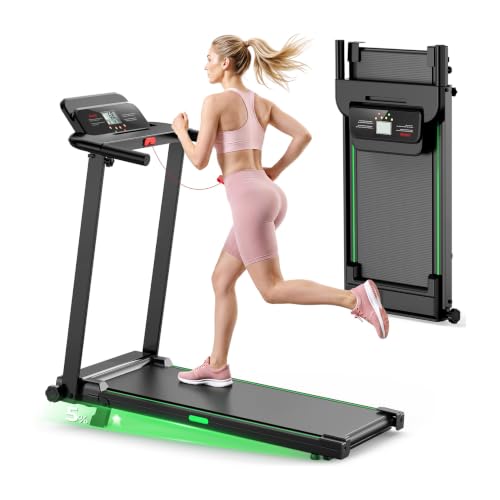
This compact green treadmill combines a walking-pad form with a foldable frame and a stated speed range of about 0.6 to 6.2 mph. That range covers slow walking, brisk walking, and some light jogging for users who fit the deck and machine limits. Its portable design makes it appealing for apartments, guest rooms, and home offices. The foldable build may also make it easier to move after exercise.
The key appeal is versatility. You can use a low speed for recovery walking, then raise speed or incline for a stronger session. I would use 1% to 3% for easy walking and test 3% to 6% as the best incline for walking on treadmill workouts. Since compact treadmills vary in deck size and motor strength, I would keep the stride natural and avoid holding the rails throughout the workout.
Pros:
- Foldable design suits limited living space
- Wide speed range for walking and light jogging
- Portable format supports flexible storage
- Useful for beginners and casual exercisers
- Incline can add challenge without a fast pace
- Distinct color gives it a fresh home-gym look
Cons:
- Compact deck may not suit tall users with long strides
- Light jogging may feel less comfortable than walking
- Storage still requires a safe, dry location
My Recommendation
This model is best for apartment users, beginners, and people who want walking plus occasional light jogging. I especially like it for short workouts spread across the day, such as a 20-minute morning walk and another session after work. Use the handrail only for balance, not to support your body weight. The best incline for walking on treadmill training here is the one that lets you keep a smooth step, steady breathing, and upright posture.
| Best for | Why |
|---|---|
| Apartment living | The foldable shape helps with storage. |
| Walk-and-jog plans | The speed range supports more than slow walking. |
| New exercisers | Users can build speed and incline in small steps. |
LONTEK 15% Incline Walking Pad
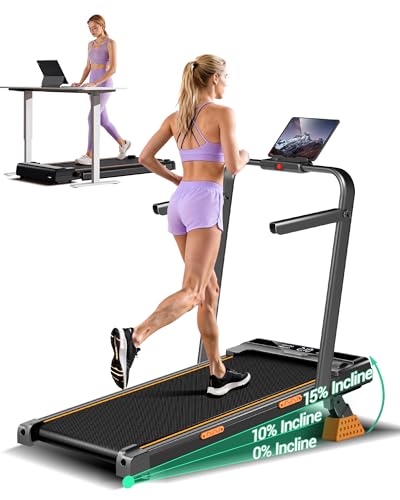
The LONTEK walking pad stands out because it advertises a 15% incline and includes a handle bar. That level is far above the incline most people need for a normal walk, but it can suit short hill intervals for trained users. The handle bar adds a useful layer of support when the slope becomes demanding. Its small treadmill format also targets home users who want a stronger workout without a full-size gym machine.
A 15% grade can quickly raise heart rate and calf effort. I would not start there. Begin flat, learn the controls, and use short periods at 3% to 6%, which is often the best incline for walking on treadmill exercise for general fitness. If your form stays tall and your joints feel good, you can add brief higher-incline intervals while holding a safe speed.
Pros:
- High stated incline offers strong hill training
- Handle bar supports balance during steep work
- Compact size works in many home spaces
- Useful for interval walking
- Can increase effort without sprinting
- Good option for users who want room to progress
Cons:
- Steep incline may be too demanding for beginners
- High-grade walking can stress calves and Achilles tendons
- Compact deck may limit a long natural stride
My Recommendation
I recommend the LONTEK for experienced walkers, hikers, and users who enjoy short hill intervals. It is not the first model I would choose for someone with poor balance or a recent leg injury. Keep most sessions moderate, then use the 15% setting for brief, controlled efforts only if your health professional approves. For daily walking, the best incline for walking on treadmill use is still usually 3% to 6%, not the maximum setting.
| Best for | Why |
|---|---|
| Hill training | A high incline can mimic demanding uphill walking. |
| Experienced users | Fit walkers can use short, controlled intervals. |
| Small home gyms | The walking-pad design saves space. |
Under-Desk Treadmill With Incline and Handlebar

This under-desk treadmill aims to bridge the gap between office walking and regular home exercise. The handlebar gives it more structure than a bare walking pad, while the incline feature can make a slow pace feel more active. That combination may appeal to users who spend long hours sitting. It can also help people who want a compact machine for gentle movement rather than intense running.
Under-desk use calls for caution at any incline. A desk, keyboard, and screen can distract you from foot placement and posture. I suggest using 0% to 2% while working, then stepping away from the desk for a focused incline walk. When you can pay attention to your form, 3% to 5% may provide the best incline for walking on treadmill workouts without making the session feel harsh.
Pros:
- Supports movement during a workday
- Handlebar offers extra stability
- Incline can increase effort at a low speed
- Compact build suits home offices
- Useful for gentle daily activity
- May help break up long sitting periods
Cons:
- Incline walking while working may reduce focus
- Not a replacement for a full running treadmill
- Users should check desk clearance and belt length
My Recommendation
This treadmill is best for office workers and people who need easy movement breaks. I would use it flat while typing, then use a mild incline during a separate walking session when I can watch my step. Avoid rushing the speed just to reach a calorie goal. The best incline for walking on treadmill sessions depends on control, and this model makes the most sense for users who value convenience, balance support, and modest home cardio.
| Best for | Why |
|---|---|
| Home offices | The compact design supports workday movement. |
| Gentle cardio | A mild incline adds effort at a walking pace. |
| Balance-conscious users | The handlebar provides a useful contact point. |
8-Piece Adjustable Treadmill Riser Blocks

These eight-piece riser blocks are designed for users who want adjustable height under a treadmill. The stackable format may allow more than one setup, depending on the treadmill frame and the maker’s instructions. They can be useful when a machine has no built-in incline function. Their appeal is clear: change the physical angle without replacing the whole treadmill.
Still, this is a setup product, not a plug-and-play fitness tool. I would measure the treadmill feet, read the machine manual, and test stability before walking. A small rise may be enough to create the best incline for walking on treadmill sessions, while a tall stack can change belt tension and balance. Never use loose blocks that rock, slide, or fail to support the full frame.
Pros:
- Adjustable stackable design
- May add incline to some flat treadmills
- Can support fixed hill-walking routines
- Useful alternative to buying a new machine
- No electrical connection is needed
- Multiple pieces may fit different support layouts
Cons:
- Requires careful fit and regular inspection
- Cannot provide quick incline changes during exercise
- May not work with every treadmill frame
My Recommendation
I recommend these risers for hands-on treadmill owners who can verify a secure fit. They are not my first pick for people who want easy button control or frequent incline changes. Use the smallest stable height first, and stop if you notice rocking, belt drift, or unusual motor noise. In most cases, the best incline for walking on treadmill workouts is moderate, so adjustable risers should support control rather than encourage extreme angles.
| Best for | Why |
|---|---|
| Flat treadmills | They may create a fixed incline when compatible. |
| DIY-minded owners | The stackable pieces allow setup flexibility. |
| Steady hill walks | A fixed angle works for simple routines. |
Unmake Large Walking Pad Incline Blocks

The Unmake incline blocks target walking pads and treadmills with different foot styles. Their larger design may provide a broader support base than very small risers. The product is described as suitable for wheeled and non-wheeled treadmills, which can help users with varied home equipment. A non-slip surface is also useful because stability matters more than a high angle.
These blocks make the most sense for a fixed incline setup. They cannot match the smooth transitions of an automatic treadmill, so I would set them before exercise and leave the machine off while checking the fit. Keep the angle modest at first. The best incline for walking on treadmill training is often a level that raises effort while preserving a natural step, and a large block should not tempt you to overdo the slope.
Pros:
- Broad design may improve support
- Made for different treadmill foot styles
- Non-slip construction may reduce movement
- Useful for walking pads and compact treadmills
- Creates a fixed incline without electricity
- May offer better contact than narrow risers
Cons:
- Compatibility still needs careful checking
- Fixed height limits workout variety
- Large blocks may be harder to store
My Recommendation
I recommend Unmake blocks for users who want a stable, pre-set incline and have already checked their treadmill measurements. The broader shape may be reassuring, but no riser should be treated as universally compatible. I would use a mild setup for regular walking and keep steep work short. If you want the best incline for walking on treadmill workouts with simple control, a built-in incline machine remains easier; these blocks are best for a specific, compatible setup.
| Best for | Why |
|---|---|
| Walking pads | The design targets compact treadmill feet. |
| Fixed incline users | They create a set angle before exercise. |
| Stability-focused setups | A broad, non-slip base may help reduce movement. |
Aiteid Treadmill With 12% Incline

The Aiteid treadmill offers a 12% incline, a stated 3.0 HP motor, handles, and speeds from about 0.6 to 6.2 mph. That feature mix gives it a more traditional treadmill feel than a flat walking pad. The handle design may help users feel secure during brisk walking and incline intervals. It is also aimed at home users who want one compact machine for walking and light running.
A 12% maximum is useful, but maximum incline should not become the normal setting. I would build a routine around 1% to 6%, then add short higher-grade intervals after gaining fitness. For many adults, 3% to 6% remains the best incline for walking on treadmill workouts because it balances effort and repeatability. The stated motor power sounds promising, but real performance also depends on user weight, belt load, maintenance, and floor placement.
Pros:
- 12% incline gives room for hill progression
- Handles support balance and confidence
- Speed range covers slow walking to light jogging
- Compact design suits home exercise areas
- Useful for structured interval training
- Traditional frame may feel more stable than a bare pad
Cons:
- Maximum incline may be too intense for some users
- Compact deck may limit long running strides
- Motor claims should be viewed alongside actual load limits
My Recommendation
The Aiteid is best for home users who want a compact treadmill with meaningful incline range. It suits people who plan to progress from flat walking to hill intervals, not just users who need a desk pad. Start with a warm-up at 0% to 2%, then test 3% to 6% as the best incline for walking on treadmill training. Its value is strongest for buyers who want handles, speed control, and a higher ceiling without choosing a large commercial machine.
| Best for | Why |
|---|---|
| Progressive training | The incline range supports gradual fitness gains. |
| Home walkers | Handles and compact size suit indoor use. |
| Walk-jog workouts | The speed range allows more than slow walking. |
Walking Pad With 12% Automatic Incline

This walking pad features a 12% automatic incline, which is a major advantage over manual riser blocks. Automatic adjustment lets you change the hill setting during intervals without stepping off the treadmill. That makes it easier to create a flat warm-up, a moderate climb, and a gentle cool-down. The black finish should also blend into most home workout spaces.
Automatic incline is especially helpful when you follow a planned workout. You can use short hill changes instead of staying on one steep angle for too long. I would begin at 0% to 2%, use 3% to 6% as the best incline for walking on treadmill sessions, and reserve 8% to 12% for brief efforts. Confirm the controls, user-weight limit, deck size, and noise level before purchase because these details affect daily comfort.
Pros:
- Automatic incline supports smooth workout changes
- 12% range allows challenging hill intervals
- Compact walking-pad design saves space
- Good for structured home routines
- Reduces the need to stop and adjust equipment
- Moderate incline can add effort without high speed
Cons:
- Automatic systems may add cost and complexity
- Compact decks may not suit every stride
- Higher incline settings can feel intense quickly
My Recommendation
I recommend this model to users who want the convenience of automatic incline in a compact treadmill. It is a strong match for interval walkers, busy adults, and people who dislike climbing off the belt to adjust equipment. Keep most training at a moderate level, since the best incline for walking on treadmill use is the one you can repeat with good form. This model offers strong feature value if its deck, weight capacity, and control layout fit your needs.
| Best for | Why |
|---|---|
| Interval walkers | Automatic incline makes hill changes easier. |
| Busy home users | Planned sessions need fewer interruptions. |
| Progressive fitness | The 12% range leaves room to build effort. |
How to Choose the Best Incline for Walking on Treadmill
The best incline for walking on treadmill exercise is not one fixed number for every person. Your fitness level, walking speed, joint comfort, goal, and treadmill design all matter. A flat setting may be right for a warm-up, while a moderate hill may be better for a short cardio block. I use comfort and control as the first test, not the highest number on the display.
Start With Your Goal
For easy movement, use 0% to 2%. This range works well for warm-ups, cool-downs, recovery days, and many desk-walking sessions. If you want more effort without running, try 3% to 6%. This is often the best incline for walking on treadmill workouts because it raises the challenge but still allows a natural pace for many users.
For hill training, you can use 7% to 12% in short blocks. A fit walker may use a higher setting for hiking preparation or interval work. However, a steep incline places more demand on the calves, glutes, feet, and Achilles tendon. You should lower the speed as the slope rises and stop if you feel sharp pain, dizziness, chest pressure, or unusual shortness of breath.
Incline Percent Is Not the Same as Degrees
Treadmills usually show incline as a percent grade. A 10% incline means the deck rises about 10 units for every 100 units of horizontal distance. It does not mean a 10-degree angle. This small detail matters because percent grade and angle describe the slope in different ways. Always compare treadmill specifications using the same measure.
Use Speed and Incline Together
Walking at 3.0 mph on a flat deck feels very different from walking at 3.0 mph on a 10% grade. You do not need to keep the same speed when you raise the incline. Lower speed can help you stay upright and avoid grabbing the rails. A good session may use 2.8 mph at 2%, then 2.5 mph at 5%, instead of forcing one speed for the whole walk.
Do Not Lean on the Handrails
Holding the rails can make a steep incline feel easier, but it also changes your posture and reduces the load on your legs. Light fingertip contact is fine for balance when needed. Pulling your body forward with the rails is not a fair test of the workout. If you need strong support, lower the speed or incline until you can walk tall.
Consider Your Treadmill Type
A full-size treadmill often feels more stable at an incline than a very light walking pad. A compact deck may also limit your stride as the slope rises. Manual riser blocks can create an angle, but they require careful setup and do not offer quick changes. Automatic incline is easier to use during intervals, though it may cost more and include more parts that need service.
What Health Experts Say About Walking
Public health guidance supports regular moderate activity, such as brisk walking, across the week. The CDC advises adults to get at least 150 minutes of moderate-intensity activity each week, unless a health professional gives different advice. The American College of Sports Medicine also supports gradual progression, proper warm-ups, and exercise that matches the user’s ability. Incline is a tool, not a requirement.
I also recommend a simple talk test. At a moderate effort, you should be able to speak in short sentences, though you may not want to sing. If you cannot talk at all, the speed or incline may be too high for a steady walk. For many people, this test helps confirm the best incline for walking on treadmill workouts better than chasing a fixed number.
A Simple Incline Walking Plan
Start with five minutes at 0% to 1% and an easy speed. Then walk five minutes at 3%, followed by five minutes at 4% or 5% if your form stays strong. Return to 0% to 1% for a five-minute cool-down. This 20-minute plan gives beginners a gentle path toward the best incline for walking on treadmill fitness without turning the session into a steep climb.
After two or three weeks of comfortable sessions, add time before adding a lot more incline. You might use two rounds of three minutes at 5% with two minutes at 1% between them. More advanced walkers can add short 8% to 12% intervals, but they should lower speed and keep the effort controlled. The goal is a routine you can repeat, not a single dramatic workout.
Safety Tips for Incline Walking
- Warm up at a low incline before climbing.
- Use the emergency safety key and learn how to stop the belt.
- Keep the treadmill on a firm, level floor.
- Wear shoes with good grip and support.
- Do not increase speed and incline sharply at the same time.
- Keep children and pets away from the moving belt.
- Check the user-weight limit before purchase.
- Stop for pain, dizziness, chest pressure, or unusual breathing trouble.
- Ask a medical professional before intense incline work if you have a health condition.
How I Compare Incline Treadmills and Walking Pads
When I assess an incline treadmill, I look beyond the maximum grade. I check how useful the lower settings are, because most people spend more time at moderate levels than at the top setting. I also consider belt length, handle design, speed control, frame stability, storage, noise, and the ease of changing incline. A treadmill can advertise a high incline and still be a poor choice if the deck feels cramped or unstable.
I also separate product features from proven performance. A listed motor rating, speed range, or incline claim describes what the seller reports, not what every user will experience. User weight, floor type, maintenance, walking style, and session length affect results. That is why I recommend checking current specifications, warranty terms, return rules, and recent buyer feedback before ordering.
FAQs Of best incline for walking on treadmill
What is the best incline for walking on a treadmill?
For many adults, 3% to 6% is a useful moderate range. Start lower if you are new, returning after a break, or managing joint concerns. The right setting lets you walk tall without holding the rails.
Is a 12% or 15% treadmill incline too high for walking?
It can be too high for steady daily walking, especially for beginners. Higher settings work better as short intervals after you build fitness. Lower the speed and stop if your form breaks down.
Is walking on an incline better than walking flat?
Incline walking can raise effort and recruit more muscles at a slower speed. Flat walking may be better for warm-ups, recovery, balance practice, or longer easy sessions. Neither setting is always better for every person.
Can I use riser blocks under my treadmill?
Only if the treadmill maker allows it and the blocks fit every support point securely. Check for rocking, sliding, belt drift, and frame stress before walking. Automatic incline is usually easier and safer to adjust during a workout.
Should I hold the handrails while walking uphill?
Use the rails lightly for balance if needed, but avoid pulling your body forward. If you must lean heavily, reduce the speed or incline. A tall posture gives a more natural workout.
Final Verdict: Which Should You Buy?
The Aiteid and automatic-incline walking pad are my top picks for flexible home use. Choose LONTEK for steep hill intervals, or ICYLOOT for simple supported walking. For most users, the best incline for walking on treadmill workouts is 3% to 6%.
Choose riser blocks only after checking compatibility and stability. Start low, progress slowly, and keep safety first. The best incline treadmill is the one that makes regular walking easy to repeat.

Brandon Knoxley is a sport & fitness writer and training guide contributor at MySportFitHub. He focuses on practical workouts, performance-based training, and honest fitness gear insights designed for real people and real results. Brandon is passionate about helping beginners and active individuals train smarter, avoid common mistakes, and build sustainable fitness habits.