How to Set Up Sports Training Space: Ultimate Guide for Success
Are you ready to create the perfect sports training space that boosts your performance and keeps you motivated every day? Setting up your own training area might seem overwhelming, but with the right steps, you can build a spot tailored just for your needs.
Imagine having a space where every piece of equipment and every inch of room works to help you get stronger, faster, and better. In this guide, you’ll discover simple and practical tips to design your ideal training zone. Keep reading, and you’ll find out how to turn your space into a powerful tool for success.
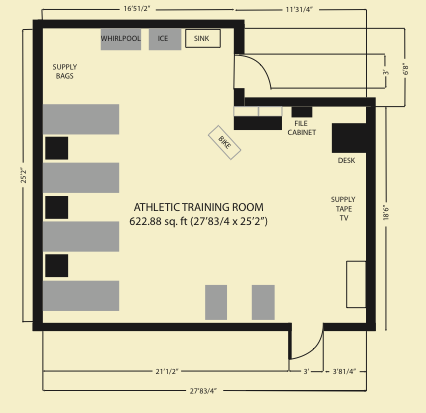
Credit: training-conditioning.com
Choosing The Right Location
Choosing the right location for your sports training space is very important. It affects how well you can train and how safe you are. The location should fit your needs and support your goals. This section helps you pick the best spot by focusing on key points.
Indoor Vs Outdoor Spaces
Indoor spaces protect you from bad weather. They allow training all year round. Lights and climate control make training easier and more comfortable. Outdoor spaces offer fresh air and more room. Natural light helps with mood and energy. Choose based on the sport and your training style.
Space Requirements
Know the size you need before picking a location. Some sports need a lot of room to move freely. Others require specific equipment that takes space. Plan for warm-up and cool-down areas. Leave space for equipment storage to keep things tidy.
Accessibility And Safety
Pick a place easy to reach for all users. Parking and public transport nearby are important. The area should be safe from traffic and hazards. Check the floor for evenness and non-slip surfaces. Good lighting lowers the risk of injuries. Safety comes first to keep training stress-free.
Essential Equipment Selection
Selecting the right equipment shapes your sports training space. It supports varied workouts and improves performance. Focus on tools that build endurance, strength, and flexibility. Choose items that suit your goals and space size. Quality gear lasts long and ensures safe training.
Cardio Machines
Cardio machines boost heart health and stamina. Treadmills provide walking or running options. Stationary bikes offer low-impact exercise. Rowing machines engage multiple muscle groups. Elliptical trainers reduce joint stress. Pick machines with adjustable settings for all fitness levels.
Strength Training Gear
Strength gear builds muscle and bone strength. Dumbbells and kettlebells are versatile and compact. Resistance bands add varied tension for workouts. Weight benches help with presses and lifts. Power racks allow safe heavy lifting. Prioritize sturdy, easy-to-use equipment for safety.
Flexibility And Recovery Tools
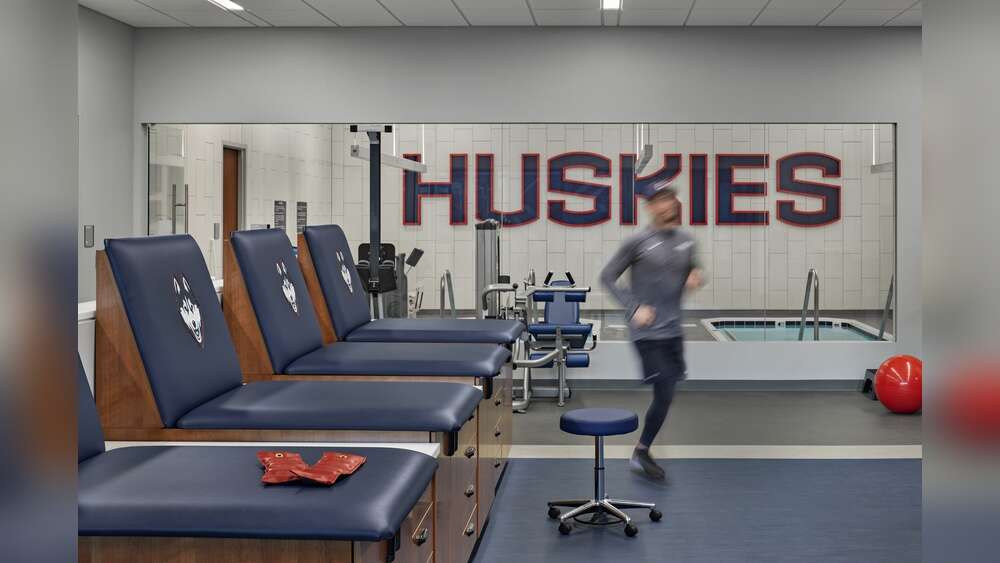
Flexibility tools improve range of motion and reduce injury. Foam rollers relieve muscle tightness. Stretching straps assist deep stretches. Massage balls target sore spots. Yoga mats provide comfort during stretches and poses. Include these tools to aid recovery and maintain mobility.
Designing Functional Layouts
Designing functional layouts is key to creating an effective sports training space. The layout shapes how activities flow and how athletes move. A smart design supports training goals and keeps the space safe.
Focus on clear areas for different exercises. Use the space well to avoid clutter. Think about safety at every step. A well-planned layout makes training easier and more enjoyable.
Zoning For Different Activities
Divide the space into zones for each sport or exercise type. For example, separate areas for strength training, cardio, and stretching. This helps athletes find the right spot quickly. It also keeps equipment organized. Use mats, cones, or lines to mark zones clearly.
Maximizing Space Efficiency
Use vertical storage to save floor space. Place shelves or racks on walls for small equipment. Arrange machines and weights in rows to create clear paths. Leave enough space for movement between zones. Avoid overcrowding to keep the area open and functional.
Ensuring Safe Movement
Keep walkways wide and free of obstacles. Place equipment away from high-traffic areas. Use non-slip flooring to prevent falls. Check for sharp edges or loose items regularly. Good lighting helps athletes see clearly and avoid accidents.

Credit: beaverfitusa.com
Lighting And Ventilation
Good lighting and proper ventilation are key for a sports training space. They help athletes stay focused and comfortable. Bright light reduces eye strain. Fresh air keeps the energy up. Both improve performance and safety.
Natural Vs Artificial Lighting
Natural light feels fresh and boosts mood. Place windows where sunlight shines in. Avoid glare on screens or equipment. Use blinds to control brightness.
Artificial lights work at any time. Choose LED lights for bright, even light. They save energy and last longer. Position lights to cover all training areas well.
Air Flow Considerations
Good air flow stops stuffy air and sweat buildup. Open windows or vents to let fresh air in. Use fans to move air around. Avoid direct drafts on athletes.
A well-ventilated space lowers bad odors. It helps keep the room dry and clean. Check air flow often and adjust as needed.
Temperature Control
Keep the training space cool in summer. Use air conditioning or fans to lower heat. Warm up the room in cold weather with heaters.
Comfortable temperature helps athletes train longer. Avoid sudden temperature changes that cause discomfort. Use thermostats to maintain steady warmth or coolness.
Flooring Options
Choosing the right flooring is key for any sports training space. The floor affects safety, comfort, and performance. It must support different activities and last long. This section explores important flooring options for your training area.
Shock Absorption
Shock absorption protects joints and reduces injury risk. Soft floors absorb impact from jumps and sprints. Materials like rubber and foam provide good cushioning. Proper shock absorption helps athletes train longer without pain.
Durability And Maintenance
Sports floors face heavy use and must be durable. Hard surfaces like wood or synthetic materials resist wear well. Cleaning should be easy to maintain hygiene. Choose flooring that withstands sweat, dirt, and constant movement.
Surface Types For Various Sports
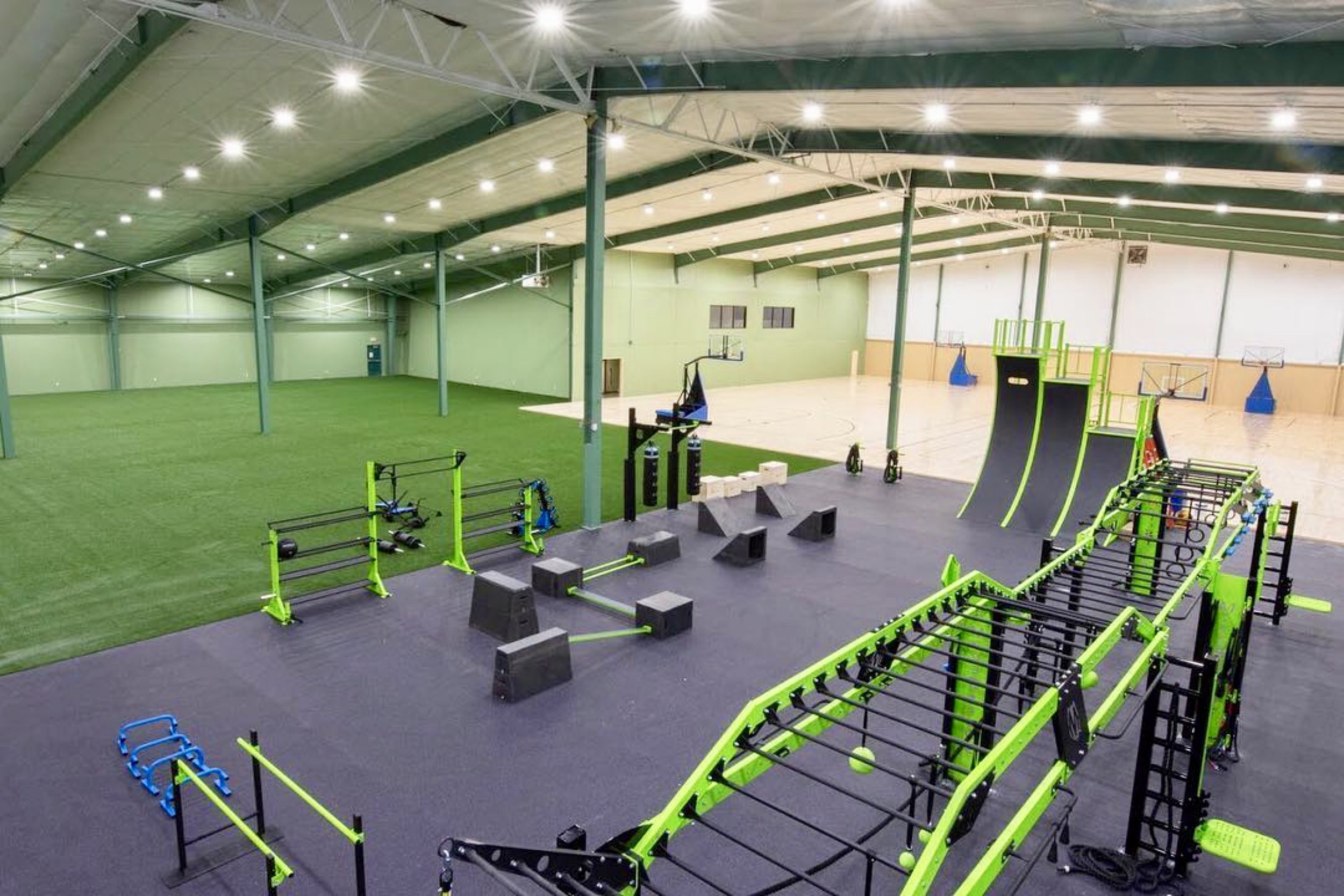
Different sports need specific floor types. Basketball courts often use hardwood for bounce and grip. Turf works best for soccer or football training. Gymnastics requires soft mats to prevent injuries. Match flooring to the sport for best results.
Credit: www.movestrongfit.com
Storage Solutions
Creating effective storage solutions is key for any sports training space. Proper storage keeps the area neat and safe. It helps you find equipment quickly. This leads to better focus during training sessions.
Good storage also protects your gear from damage. It extends the life of your sports equipment. Planning smart storage prevents clutter and wasted space.
Organizing Equipment
Sort equipment by type and size. Group similar items together for easy retrieval. Use labeled bins or shelves to keep things clear. Store small items in containers to avoid loss. Keep heavy gear on low shelves for safety. Maintain a consistent order to speed up setup time.
Space-saving Ideas
Use vertical space with wall hooks and racks. Hang balls, bats, and ropes to free floor area. Foldable or stackable storage units save room. Use under-bench baskets to store smaller gear. Choose compact storage that fits your space well. Avoid bulky storage that blocks movement.
Easy Access Strategies
Place frequently used items at eye level. Keep essential gear near training zones for quick reach. Use open shelves for commonly used equipment. Label storage clearly for instant identification. Avoid overcrowding shelves to prevent accidents. Arrange tools so you can grab them fast.
Safety Measures
Safety measures are the heart of any sports training space. They protect athletes from injuries and accidents. Setting up these measures helps create a secure environment for training.
Proper safety planning reduces risks and builds confidence among players. It ensures quick responses during emergencies. Safety also means using the right gear and keeping equipment in good shape.
Emergency Plans
Write clear emergency plans for all possible incidents. Train staff and players on what to do in emergencies. Place emergency contact numbers in visible spots. Have a first-aid kit ready and accessible at all times. Practice drills regularly to keep everyone prepared.
Protective Gear Availability
Provide all necessary protective gear for each sport. Helmets, pads, and guards must fit well and be in good condition. Store gear in clean, easy-to-reach areas. Encourage athletes to wear gear during every session. Replace any damaged or worn-out equipment immediately.
Regular Equipment Checks
Inspect all sports equipment before each use. Look for cracks, loose parts, or wear and tear. Fix or replace faulty equipment right away. Schedule regular maintenance to keep gear safe and reliable. Document checks to track equipment condition over time.
Technology Integration
Integrating technology into your sports training space boosts workout quality. It helps track progress, improve skills, and create a focused environment. Technology also makes training more fun and engaging. The right tools can change how athletes train every day.
Performance Tracking Tools
Performance tracking tools measure speed, strength, and endurance. Devices like heart rate monitors and GPS trackers help collect data. This data shows improvements and areas needing work. Coaches can use this information to plan better training sessions. Tracking tools keep athletes motivated and aware of their progress.
Audio And Visual Systems
Audio and visual systems improve focus and communication during training. Speakers allow clear instructions in noisy environments. Large screens or projectors show training videos or live feedback. Visual aids help athletes understand techniques better. These systems create an immersive and productive training space.
Smart Training Devices
Smart training devices offer personalized workouts and instant feedback. Wearable sensors track body movements and posture. Smart balls or bats provide data on speed and accuracy. These devices help correct form and prevent injuries. They make workouts more precise and effective.
Maintaining The Training Space
Maintaining a sports training space keeps it safe and ready for use. A clean and well-kept area helps athletes focus on their training. Regular care also extends the life of equipment and the space itself.
Cleaning Routines
Clean the training space daily to remove dust and dirt. Wipe down surfaces, mats, and equipment after every session. Use safe cleaning products that do not damage materials. Sweep or vacuum floors to keep them free from debris. Keep trash bins nearby and empty them regularly.
Equipment Maintenance
Check all equipment for wear and tear often. Tighten screws and bolts to avoid accidents. Replace broken parts quickly to keep everything safe. Lubricate moving parts to ensure smooth operation. Store equipment properly to prevent damage and clutter.
Upgrading Over Time
Review the training space every few months to find needed upgrades. Add new gear that matches training goals and needs. Improve lighting and ventilation for better comfort. Repair or replace worn flooring to avoid injuries. Small changes make the space more effective and enjoyable.
Frequently Asked Questions
What Equipment Is Essential For A Sports Training Space?
Essential equipment includes mats, weights, resistance bands, cones, and agility ladders. These tools enhance strength, flexibility, and coordination. Choose gear based on your sport and training goals to maximize effectiveness and safety.
How Much Space Is Needed For Sports Training Setup?
A minimum of 100 to 200 square feet is ideal for basic training. Larger spaces allow more movement and equipment. Always consider the specific sport and exercises planned to ensure enough room for safe training.
How To Ensure Safety In A Sports Training Area?
Keep the area clean, well-lit, and free from obstacles. Use non-slip flooring and properly maintain equipment. Always warm up and follow proper techniques to prevent injuries during training sessions.
What Flooring Is Best For Sports Training Spaces?
Shock-absorbent, non-slip flooring like rubber or foam tiles is best. These materials reduce injury risk and provide comfort during workouts. Avoid hard or slippery surfaces that can cause accidents.
Conclusion
Creating a sports training space takes planning and effort. Choose the right equipment and arrange it safely. Keep the area clean and well-lit for better focus. Regularly update your space to fit your changing needs. A good training space helps improve skills and confidence.
Stay consistent and enjoy your workouts every day. Your progress depends on how well you set up your space. Simple steps lead to great results. Keep moving forward.

Brandon Knoxley is a sport & fitness writer and training guide contributor at MySportFitHub. He focuses on practical workouts, performance-based training, and honest fitness gear insights designed for real people and real results. Brandon is passionate about helping beginners and active individuals train smarter, avoid common mistakes, and build sustainable fitness habits.