How to Structure Sports Training Sessions: Ultimate Guide for Success
Are you struggling to get the most out of your sports training sessions? How you structure your workouts can make all the difference between steady progress and wasted effort.
When your sessions are organized the right way, you’ll boost your performance, stay motivated, and avoid injury. You’ll discover simple, proven steps to design training sessions that work for your goals. Keep reading to unlock the secrets that coaches and top athletes use every day to train smarter, not harder.
Your best results start here.
Planning Your Session
Planning your sports training session is the first step to success. A well-structured plan keeps the session focused and productive. It helps athletes improve steadily and stay motivated. Careful planning saves time and reduces confusion during the session.
Setting Clear Objectives
Start by deciding what you want to achieve. Clear objectives guide every activity in the session. Objectives can be skill improvement, fitness, or teamwork. Write down specific, simple goals. This keeps the session on track and measures progress easily.
Assessing Athlete Needs
Know your athletes’ strengths and weaknesses. This helps tailor the session to their needs. Consider age, skill level, and fitness. Ask athletes for feedback about past sessions. Adjust the plan to address gaps and build on strengths.
Choosing The Right Duration
Pick a session length that matches the goals. Too short means missing key drills. Too long causes tiredness and loss of focus. Balance intense work with rest periods. Keep sessions consistent but flexible to athlete energy levels.
Warm-up Techniques
Warm-up techniques prepare the body for intense physical activity. They increase blood flow, improve muscle flexibility, and reduce injury risk. A well-structured warm-up boosts performance and readiness.
Dynamic Stretching
Dynamic stretching involves moving muscles through a full range of motion. It warms up muscles and joints actively. Examples include leg swings, arm circles, and walking lunges. These movements raise heart rate and loosen muscles. Dynamic stretching improves coordination and balance before training.
Sport-specific Movements
Warm-up should mimic the sport’s key actions. For soccer, include light dribbling and passing drills. For basketball, practice shooting and quick direction changes. Sport-specific movements prepare muscles for the exact demands ahead. This approach enhances skill and confidence.
Injury Prevention Tips
Start warm-up slowly, increasing intensity gradually. Avoid static stretching before activity; it can reduce strength. Focus on controlled, smooth movements to protect joints. Listen to the body and stop if pain occurs. Proper warm-up lowers the chance of strains and sprains.
Main Training Components
The main training components form the foundation of every effective sports session. Each part targets a key area to improve overall performance. Proper balance between these components helps athletes develop skills, strength, and game understanding.
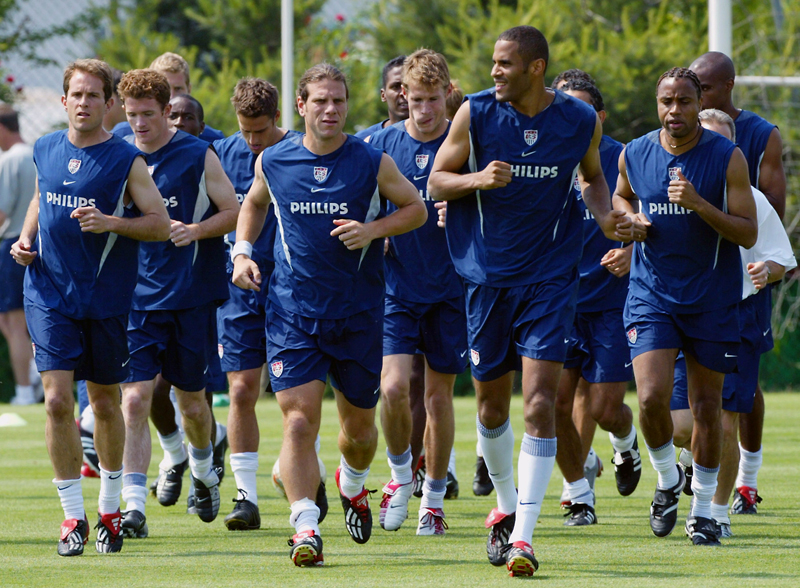
Focusing on these parts allows coaches to design sessions that build well-rounded players. This approach enhances progress and reduces injury risks. The three main components are skill development drills, strength and conditioning, and tactical and strategic training.
Skill Development Drills
Skill development drills focus on improving specific abilities. These drills sharpen techniques like passing, shooting, or dribbling. Repetition and proper form are vital for progress. Drills should be varied to keep players engaged. Small-sided games can also boost skill application under pressure.
Strength And Conditioning
Strength and conditioning build physical power and endurance. This part includes exercises for muscles, speed, and flexibility. Proper warm-ups and cool-downs prevent injuries. Conditioning improves stamina for longer and intense play. Strength training supports better performance and resilience.
Tactical And Strategic Training
Tactical training teaches players how to read the game. It covers positioning, teamwork, and decision-making. Strategy sessions help players understand their roles in various situations. Coaches use video analysis or on-field drills for this. This training improves game awareness and team cohesion.
Credit: www.sportsperformancebulletin.com
Incorporating Rest And Recovery
Rest and recovery are vital parts of sports training. They help the body heal and grow stronger. Without rest, athletes risk injury and poor performance. Proper recovery boosts energy and focus for the next session. Knowing how to include rest in training plans is key for steady progress.
Active Recovery Methods
Active recovery means light exercise after hard training. It helps blood flow and muscle repair. Examples include walking, swimming, or cycling slowly. These activities reduce soreness and stiffness. Active recovery keeps the body moving without extra strain. It also improves flexibility and reduces fatigue.
Managing Fatigue
Fatigue happens when muscles and mind get tired. It lowers strength and coordination. Recognizing fatigue signs helps prevent injury. Rest days and low-intensity sessions reduce fatigue. Proper sleep is also important to recharge the body. Balancing hard work and rest keeps athletes strong and ready.
Hydration And Nutrition
Water is essential during and after training. It replaces fluids lost through sweat. Drinking enough water prevents cramps and dizziness. Nutrition fuels recovery by repairing muscles and restoring energy. Eating protein, carbs, and healthy fats supports healing. Balanced meals improve overall performance and recovery speed.
Cool-down Strategies
Cool-down strategies help the body recover after intense sports training. They reduce muscle stiffness and lower the heart rate slowly. Proper cool-down can prevent injuries and aid in faster recovery. It sets a calm mood and helps athletes feel ready for the next session.
Static Stretching
Static stretching means holding a stretch without moving. It helps muscles relax and lengthen after exercise. Focus on major muscle groups used during training. Hold each stretch for 15 to 30 seconds. Avoid bouncing or quick movements to prevent injury.
Breathing Exercises
Breathing exercises calm the nervous system after training. Deep, slow breaths help lower the heart rate. Encourage athletes to breathe in through the nose and out through the mouth. Controlled breathing also reduces stress and improves focus. It supports a smooth transition from activity to rest.
Monitoring Athlete Feedback
Listening to athletes is key to effective cool-downs. Ask how their body feels after training. Watch for signs of pain or extreme fatigue. Adjust cool-down activities based on their feedback. This approach helps avoid injuries and improves training results.
Credit: sportscienceinsider.com
Tracking Progress
Tracking progress is key in sports training. It shows how well athletes improve over time. Coaches and players need clear data to know what works. Without tracking, training can miss its goals. It helps spot strengths and areas needing work. This makes practice smarter and results better.
Performance Metrics
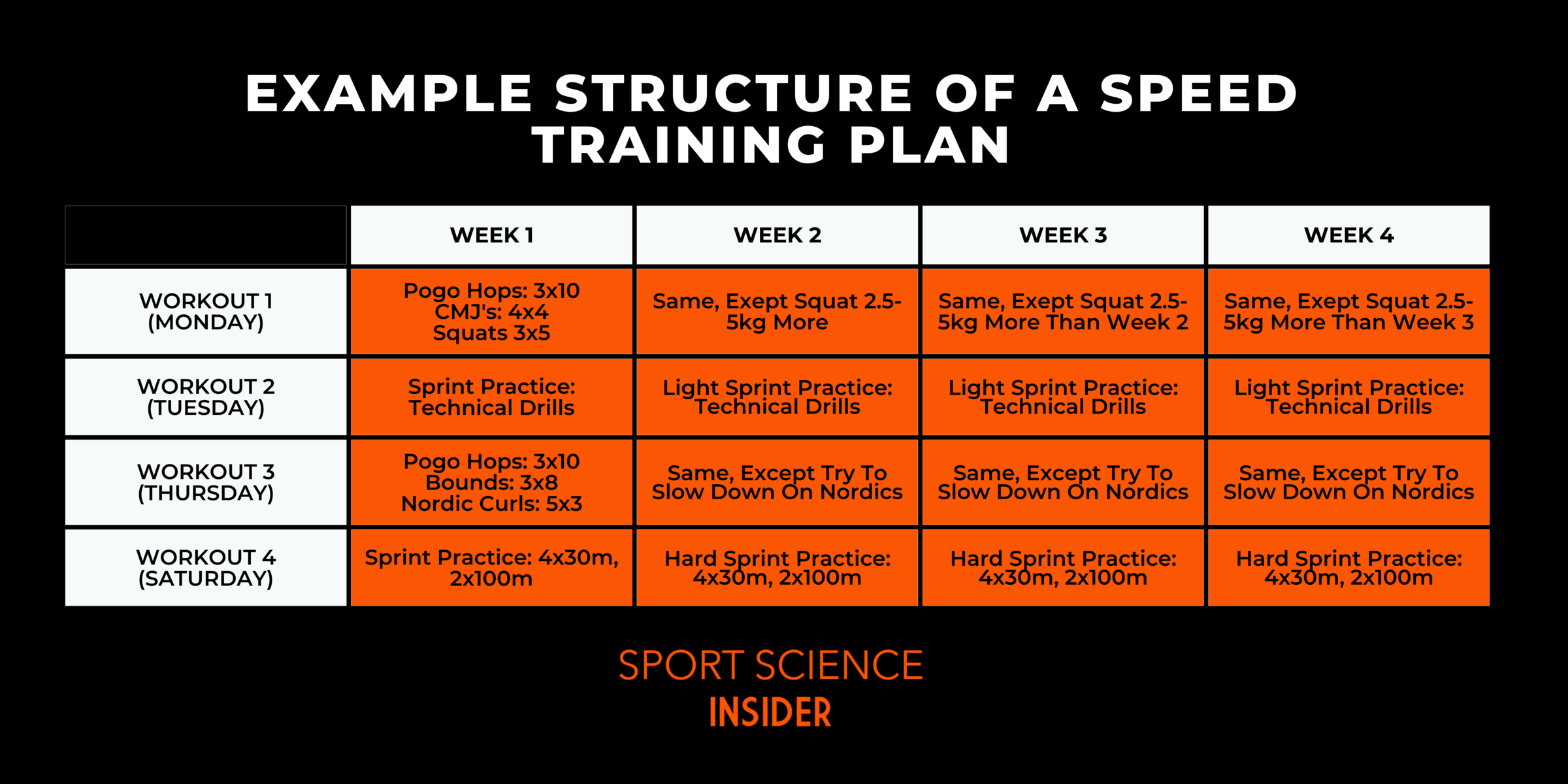
Performance metrics are numbers that measure skills and fitness. These include speed, strength, endurance, and accuracy. Tracking these helps see changes after each session. Simple tests like sprint times or jump height work well. Consistent measurement gives clear progress signs. It also motivates athletes to keep improving.
Using Technology
Technology makes tracking easier and more precise. Devices like GPS trackers and heart rate monitors give real-time data. Apps can record workouts and show trends over weeks. Video analysis helps check technique and form. Using tech saves time and reduces errors. It allows detailed feedback for better training plans.
Adjusting Future Sessions
Progress data guides training adjustments. If an athlete improves fast, increase difficulty. If progress slows, change exercises or rest more. Tailoring sessions keeps training effective and safe. Regular reviews prevent plateaus and injuries. This approach helps athletes reach their full potential.
Motivation And Team Dynamics
Motivation and team dynamics are key to effective sports training sessions. They influence how athletes perform and interact. Strong motivation helps players push harder. Healthy team dynamics build trust and cooperation. Both create a positive environment for growth.
Building Team Cohesion
Team cohesion means players feel united and connected. Encourage team activities outside practice. Use group challenges during training to boost bonding. Clear roles help each player know their part. Celebrate small wins together to build trust. A close team works better under pressure.
Setting Motivational Goals
Goals give players clear targets to achieve. Set goals that are simple and measurable. Break big goals into smaller steps. Make sure goals focus on effort, not just results. Share goals with the team to create shared purpose. Regularly review goals to track progress.
Positive Reinforcement Techniques
Praise effort and improvement, not just winning. Use specific feedback to guide players. Reward hard work with verbal encouragement. Recognize teamwork and sportsmanship publicly. Avoid negative criticism during practice. Positive words build confidence and keep players motivated.
Credit: sportscienceinsider.com
Frequently Asked Questions
What Are The Key Components Of A Sports Training Session?
A sports training session includes warm-up, skill drills, conditioning, and cool-down. Each part targets specific fitness and performance goals. Proper structure ensures effective training and injury prevention.
How Long Should A Typical Sports Training Session Last?
Most sports training sessions last between 60 to 90 minutes. This duration balances intensity and recovery, maximizing performance without causing fatigue.
Why Is Warm-up Important In Sports Training?
Warm-up prepares muscles and joints for exercise. It reduces injury risk and improves performance by increasing blood flow and flexibility.
How To Balance Skill Practice And Physical Conditioning?
Divide the session to include focused skill drills and conditioning exercises. Balance improves technique and fitness simultaneously, enhancing overall performance.
Conclusion
Structuring sports training sessions takes planning and focus. Start with a clear warm-up to prepare the body. Next, include drills that build skills and strength. Keep sessions balanced with rest and active recovery. End with a cool-down to help muscles relax.
Consistency helps athletes improve over time. Adjust sessions based on progress and feedback. Simple steps lead to better training results. Keep it fun and challenging for all players. Training well builds confidence and teamwork too. A good structure makes every session count.

Brandon Knoxley is a sport & fitness writer and training guide contributor at MySportFitHub. He focuses on practical workouts, performance-based training, and honest fitness gear insights designed for real people and real results. Brandon is passionate about helping beginners and active individuals train smarter, avoid common mistakes, and build sustainable fitness habits.