
Is It Better To Run On Treadmill Or Outside: Pros And Cons
Running outside and on a treadmill both have clear benefits — choose the option that fits your goals, body, and schedule.
I’ve coached runners and logged thousands of miles on both surfaces, so I know the trade-offs inside out. This article answers whether is it better to run on treadmill or outside by breaking down science, safety, training goals, cost, and real-world tips. Read on for a clear, practical guide that helps you pick the best option for your fitness, performance, and enjoyment.

Treadmill vs outside: a clear overview of differences
Treadmill running uses a moving belt to simulate forward motion. Outside running means varied terrain, wind, and changing elevation. Each offers unique benefits and limits. Deciding whether is it better to run on treadmill or outside depends on your goals, injury history, weather, and time.
Key quick contrasts
- Treadmill: steady pace, cushioned deck, controlled environment.
- Outside: natural terrain, wind resistance, varied scenery.
- Training impact: treadmill can mimic intervals well; outside builds strength and balance.

Source: run4prs.co
Health and performance: what the research and experience show
Physiology differs between treadmill and outdoor running. Studies show energy cost is similar when treadmill incline is set to 1% to mimic wind and air resistance. Muscle activation varies. Outdoor running recruits more stabilizer muscles for balance and uneven ground.
Performance notes
- Speed training: treadmill gives consistent pace for controlled intervals.
- Race prep: outdoor runs better simulate race conditions like hills and wind.
- Calorie burn: roughly comparable, but outdoor runs may burn slightly more due to wind and terrain.

Source: hilinelaw.com
Biomechanics, injury risk, and safety factors
Treadmill belts move under you, which can change stride length and footstrike slightly. Outside surfaces vary from asphalt to trail, which alters impact forces. Each has different injury profiles and safety needs.
Injury and safety highlights
- Lower impact: treadmills often reduce peak impact due to cushioning.
- Overuse risk: treadmill monotony can lead to repetitive stress if you only run one way.
- Ankle and hip strength: outdoor runs help build lateral stability and proprioception.
- Environmental risks: outside runners face traffic, poor pavement, and weather hazards.
:max_bytes(150000):strip_icc()/HDC-running-treadmill-vs-outside-eac1ba143ffa48db9f0229d38709fb44.png)
Source: health.com
Practical factors: convenience, cost, and environment
Most decisions come down to real life: time, budget, access, and preference. Treadmills offer convenience and bad-weather backup. Outdoor running costs nothing and gives mental health benefits from fresh air and sunlight.
Consider these trade-offs
- Time and schedule: treadmill wins for quick, controlled sessions at home.
- Cost: treadmills require upfront expense and space; outdoor running is free.
- Air quality and allergies: poor outdoor air can harm some runners; treadmill gyms may have better filtration.
- Social and mental factors: many people find outdoor running more enjoyable and motivating.

Source: healthline.com
How to choose based on goals — and sample plans
Ask what matters most: speed, endurance, rehab, mental health, or convenience. Use that to pick and mix treadmill and outdoor runs. Here are simple plans for common goals.
Goal-based guidance
- Improve speed: do controlled treadmill intervals twice a week and one outdoor tempo run.
- Build endurance: long outdoor runs once a week to adapt to terrain and pacing.
- Rehab or return from injury: start on treadmill with low incline, then progress to easy outdoor routes.
- Mental reset: choose outdoor runs for variety and mood boost.
Sample week for a balanced runner
- Monday: Easy treadmill 30 minutes at conversational pace.
- Wednesday: Interval session on treadmill (warm-up, 6 x 2 minutes hard).
- Friday: Easy outdoor run 40 minutes with light hills.
- Sunday: Long outdoor 60–90 minutes at easy pace.
Quick PAA-style questions
Is treadmill training as effective as outdoor training for races?
Yes, treadmill training can build fitness but include outdoor runs to practice pacing, terrain, and mental cues for race day.
Should I set treadmill to incline to mimic outdoor running?
Set treadmill to about 1% to approximate the energy cost of flat outdoor running and small air resistance.
Can treadmill running reduce injury risk?
Treadmills reduce some impact but do not eliminate injury risk. Vary workouts and strengthen stabilizers to lower overuse injuries.

Personal experience: what I learned running both ways
I ran my first half marathon mostly outside and trained a later race on a treadmill due to weather. The treadmill made me faster on repeated intervals, but I underestimated downhill pacing and balance on race day. That taught me to mix both.
Lessons and tips from the field
- Mix surfaces to build resilience and prevent boredom.
- Use treadmill intervals for precise pace work.
- Practice race-like conditions outdoors for mental toughness.
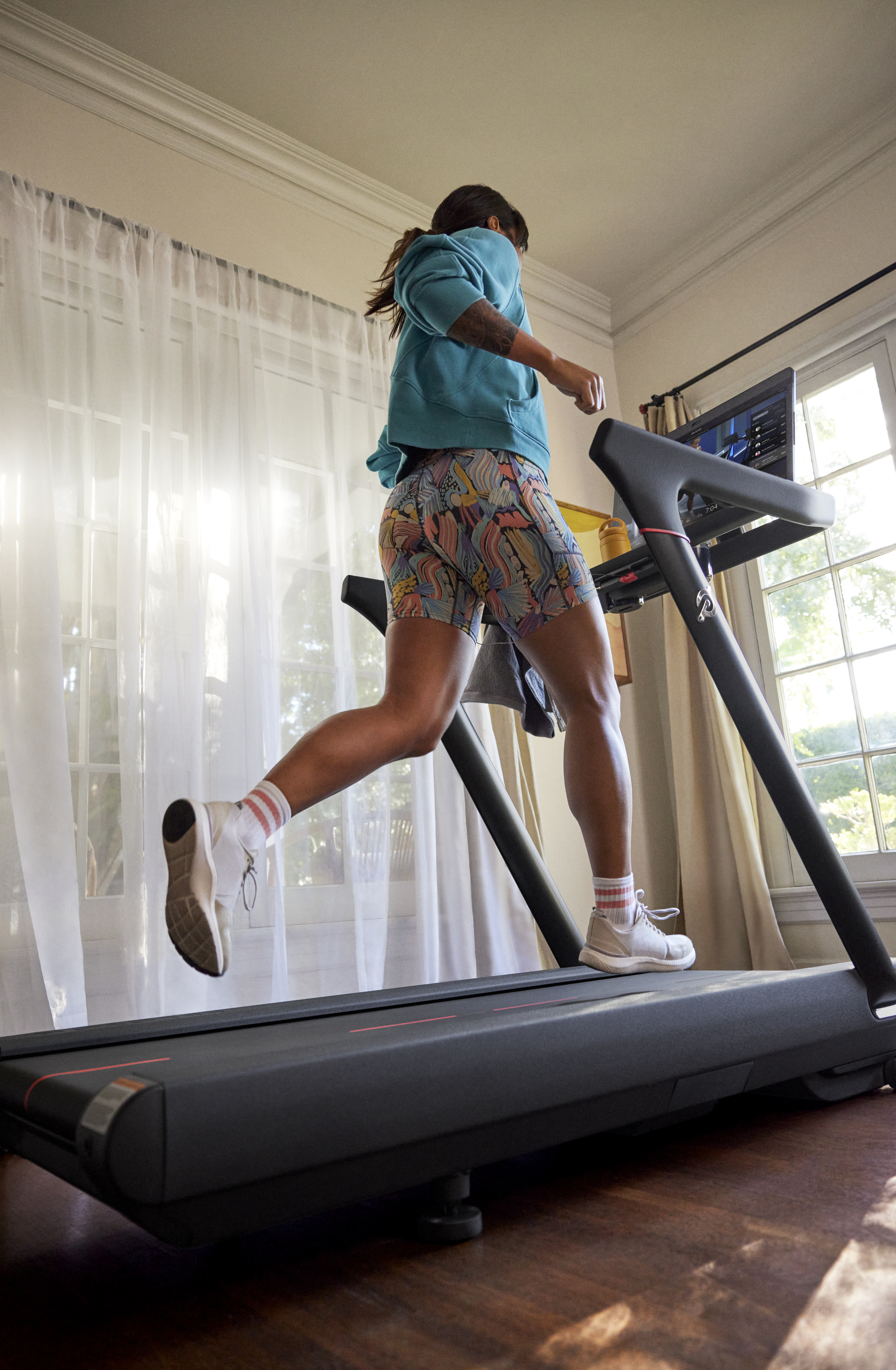
- Watch form on treadmills: avoid gripping rails and overstriding.
Source: infinibandta.org
Training tips, drills, and mistakes to avoid
Simple drills help transfer treadmill gains to the road and vice versa. Keep sessions short and focused when changing surfaces.
Practical drills
- Hill simulation: increase incline on treadmill for 30–60 seconds to build hill strength.
- Cadence drill: use a metronome or watch to keep steps per minute steady outdoors.
- Balance drills: single-leg hops and trail runs to improve ankle stability.
Common mistakes
- Only training on one surface for months.
- Skipping strength work that stabilizes hips and ankles.
- Using unrealistic treadmill speeds without adjusting incline.

Source: fittrend.com
Frequently Asked Questions of is it better to run on treadmill or outside
Is treadmill running easier than running outside?
Treadmill running feels easier due to consistent surface and lack of wind. Adjusting incline can make it similar in effort to outdoor running.
Can I prepare for a race using only a treadmill?
You can build fitness on a treadmill, but you should add outdoor runs to practice terrain, pacing, and mental skills before race day.
Which is better for losing weight, treadmill or outdoor running?
Both burn calories effectively. Outdoor running may burn slightly more due to wind and terrain, but consistency matters most for weight loss.
How do I prevent boredom on a treadmill?
Use interval sets, varied inclines, music, podcasts, or virtual routes to keep treadmill sessions engaging.
Is running outside bad when air quality is poor?
Running in poor air quality can harm health. Move workouts indoors or run at times and routes with cleaner air to reduce exposure.
Should beginners start on a treadmill or outside?
Beginners may benefit from treadmills for controlled pacing and soft surfaces, then gradually transition to outdoor routes as confidence grows.
How do I avoid injury when switching from treadmill to outdoor running?
Progress slowly. Add short outdoor runs, keep effort easy, and include strength and mobility work to adapt to different surfaces.
Conclusion
Both treadmill and outside running have strong, evidence-backed benefits. Choose based on your goals, schedule, injury history, and what keeps you consistent. If you want speed and control, lean on the treadmill. If you seek strength, balance, and mental lift, favor outdoor runs. Most runners do best with a mix.
Take action this week: pick one treadmill session and one outdoor session, track how your body responds, and adjust from there. Share your experience or questions in the comments — I’ll reply and help you fine-tune your plan.

Brandon Knoxley is a sport & fitness writer and training guide contributor at MySportFitHub. He focuses on practical workouts, performance-based training, and honest fitness gear insights designed for real people and real results. Brandon is passionate about helping beginners and active individuals train smarter, avoid common mistakes, and build sustainable fitness habits.