How Much Does A Treadmill Weigh: Average Weights & Tips
Most home treadmills weigh between 100 and 300 pounds, while commercial models often exceed 400 pounds.
I’ve spent years testing and moving treadmills for gyms and home setups, so I know weight matters more than most buyers expect. This guide breaks down how much does a treadmill weigh, why that weight varies, how it affects stability and transport, and practical tips to choose, move, and care for a treadmill the smart way. Read on for clear numbers, real-world advice, and the exact considerations you need before buying or moving a treadmill.

What determines treadmill weight
Treadmill weight depends on design, parts, and intended use. Heavier steel frames, larger motors, thicker running decks, and commercial-grade electronics all add pounds. Brands that prioritize cushioning, powerful motors, and robust warranties tend to build heavier units. Lighter models use smaller motors, thin decks, and more plastic parts to cut cost and weight.
Common weight drivers:
- Motor size and housing: Bigger motors and sound shields add weight.
- Frame material and construction: Steel frames weigh more than aluminum or composite.
- Running deck thickness and belt size: More cushioning and a longer belt increase mass.
- Electronics and features: Built-in screens, speakers, and incline motors add weight.
- Foldability mechanisms: Sturdy folding designs require reinforced parts that raise weight.
Understanding these factors helps answer how much does a treadmill weigh for a specific model. If you want durability and a smooth run, expect higher weight. If portability is key, lighter treadmills trade off some stability and longevity.
Typical treadmill weight ranges
Below are common weight ranges to expect when you ask how much does a treadmill weigh. These ranges cover most consumer and commercial options.
Home folding treadmills
- Range: 100 to 250 pounds.
- Notes: Most space-saving models fall here. Lighter folding units may be below 100 pounds, but mid-range folding treadmills often sit between 150 and 200 pounds.
Non-folding residential treadmills
- Range: 200 to 300 pounds.
- Notes: These prioritize stability and a larger running surface. They often use stronger frames and bigger motors.
Compact and under-desk treadmills
- Range: 30 to 70 pounds.
- Notes: Designed for walking or light use. They are highly portable but not meant for heavy running or incline use.
Commercial gym treadmills
- Range: 300 to 500+ pounds.
- Notes: Heavy-duty motors, reinforced frames, long belts, and advanced consoles make these the heaviest machines.
High-performance and specialized treadmills
- Range: 250 to 600+ pounds.
- Notes: Incline trainers, motorized decline units, and rehabilitation treadmills can be very heavy due to extra mechanisms and design complexity.
These ranges answer how much does a treadmill weigh in practical terms. Your final choice should match your space, usage, and ability to move the machine.
Why treadmill weight matters
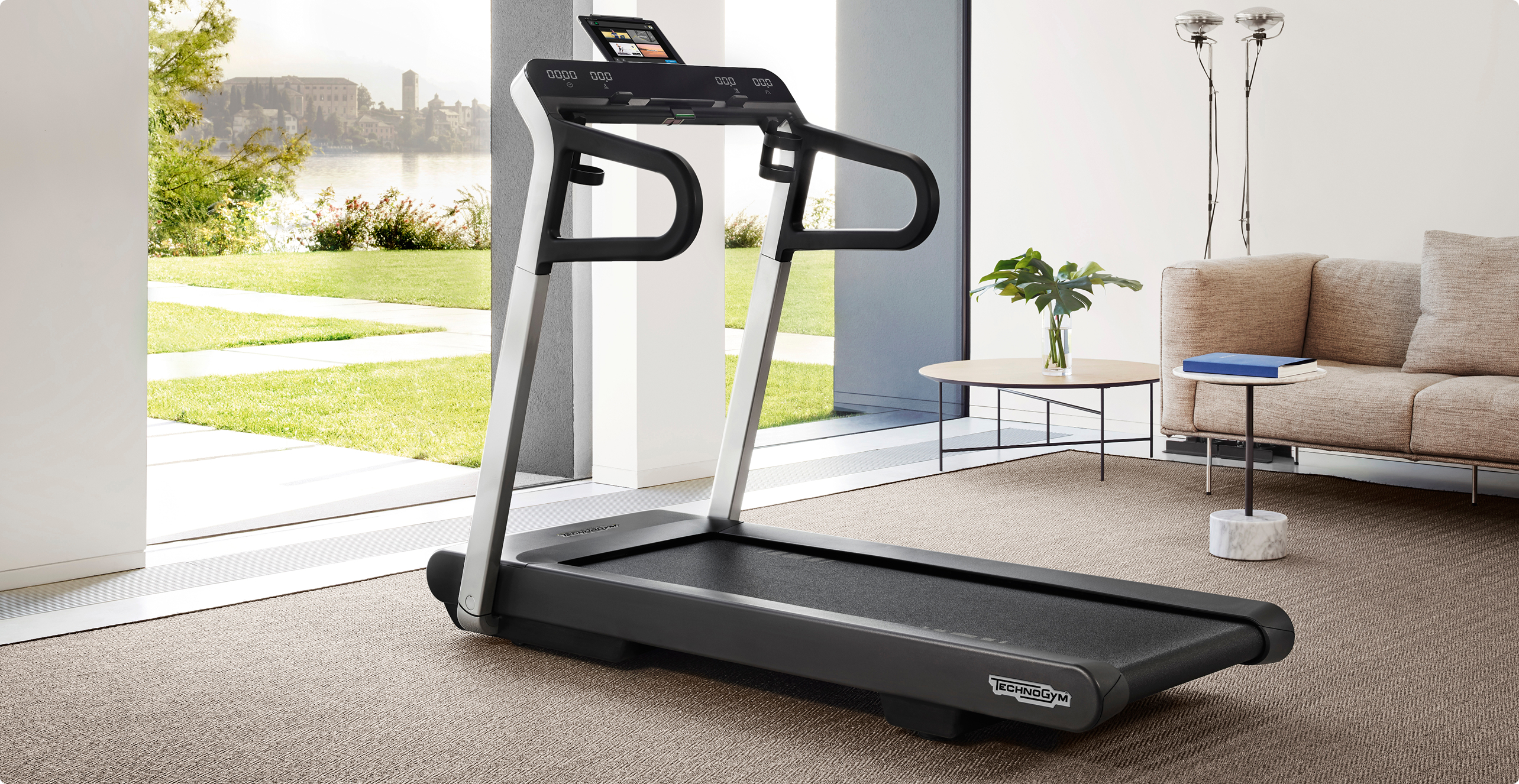
Knowing how much does a treadmill weigh affects safety, placement, and costs. Weight influences stability during high–speed running. Heavier treadmills shake less and feel solid underfoot. Weight also affects the floor; heavy units can dent or damage flooring without protection.
Other reasons weight matters:
- Delivery and installation costs: Heavier models cost more to ship and install.
- Moving and placement: Stair carrying and tight corners become harder with heavy machines.
- Noise and vibration: Heavier frames absorb vibration better and run quieter.
- Longevity and warranty: Heavier, well-built treadmills often last longer and have better warranties.
If your main concern is running quality, consider a heavier unit. If you need portability or tiny spaces, a lighter treadmill may work but expect trade-offs.

How to move and install a treadmill safely
Moving a treadmill requires planning and the right tools. Before you move one, measure doorways and the pathway. Remove any detachable consoles or accessories to shave off weight. Use at least two or three strong people for mid-weight units and professional movers for commercial machines.
Steps to move a treadmill
- Measure: Check all clearances before you start.
- Detach: Remove screens, trays, and any accessories.
- Use equipment: Employ furniture straps, a moving dolly, and protective blankets.
- Protect floors: Use plywood or sliders on delicate floors.
- Lift smart: Bend at the knees, keep the back straight, and coordinate lifts.
Tips for installation
- Place on a level surface away from moisture.
- Use a treadmill mat to protect floors and reduce noise.
- Plug into a dedicated outlet if possible to avoid electrical issues.
- Follow the manual for assembly torque and bolt checks.
Knowing how much does a treadmill weigh helps you pick the right movers and plan logistics. Don’t underestimate the job—many damage incidents stem from poor planning, not weight alone.
How to choose a treadmill based on weight
Choosing a treadmill requires balancing weight with needs. Ask yourself how you will use the treadmill, where it will sit, and who will move it.
Decision checklist
- Purpose: For walking and light use, a lighter model works. For running or shared family use, choose a heavier, sturdier model.
- Space: If you need to fold and store, pick a lighter folding treadmill with a safe latch system.
- Flooring: For hardwood or raised floors, prefer moderate to heavy units and a quality mat.
- Budget: Heavier, durable treadmills typically cost more up front but may save money on repairs.
When you weigh options, remember that heavier does not always equal better. The best choice balances build quality, motor power, warranty, and how much does a treadmill weigh relative to your situation.

Personal experience and lessons learned
I once helped install a commercial treadmill that weighed about 420 pounds. We measured every doorway and used a ramp and four people. Despite planning, we learned to remove the console first, which saved a lot of strain and avoided a scratched door frame. That experience showed me that knowing how much does a treadmill weigh isn’t enough—you also need smart disassembly and the right tools.
Key lessons
- Always test-fit the path before moving.
- Keep extras off during moves to reduce weight.
- Hire pros for heavy or awkward installs to protect the machine and your home.
These simple steps prevent common mistakes and save money and frustration.

Frequently Asked Questions of how much does a treadmill weigh
How much does a treadmill weigh for home use?
Most home treadmills weigh between 100 and 300 pounds, with folding models on the lighter side. Choose one based on whether you prioritize portability or stability.
How much does a commercial treadmill weigh?
Commercial treadmills usually weigh 300 to 500+ pounds due to heavy-duty motors and frames. These are built for constant, high-impact use.
Can I move a treadmill by myself?
Moving a treadmill alone is not recommended for units over 100 pounds. Use at least two people, proper straps, and a dolly for safety.
How much does a portable under-desk treadmill weigh?
Under-desk treadmills typically weigh 30 to 70 pounds and are designed for easy storage. They work best for walking and light activity.
Does treadmill weight affect motor power?
Weight itself doesn’t determine motor power, but heavier treadmills often include larger motors for performance and durability. Always check motor specs alongside weight.
Will a heavy treadmill damage my floor?
A heavy treadmill can dent or compress soft flooring over time if not protected. Use a high-quality mat and check joist/load limits on upper floors.
Conclusion
Knowing how much does a treadmill weigh helps you buy wisely, plan moves, and protect your space. Heavier treadmills usually offer more stability and longevity, while lighter models give portability and lower cost. Take measurements, consider your use case, and plan logistics before you buy or move a treadmill.
Take action: measure your space, list must-have features, and use the weight ranges here to narrow choices. If you’re unsure, get a professional quote for delivery and installation, and share your experience or questions below to learn from others.

Brandon Knoxley is a sport & fitness writer and training guide contributor at MySportFitHub. He focuses on practical workouts, performance-based training, and honest fitness gear insights designed for real people and real results. Brandon is passionate about helping beginners and active individuals train smarter, avoid common mistakes, and build sustainable fitness habits.