

Is Running On A Treadmill Bad For You: Safe Tips
Running on a treadmill is not inherently bad for you when done with good form and smart habits.
I’ve coached runners and logged many treadmill miles myself, so I know the common fears and the facts about is running on a treadmill bad for you. This article breaks down the risks, benefits, and clear steps to stay safe and get fast results. Read on for practical tips, real examples, and evidence-based advice so you can decide whether treadmill running fits your goals.
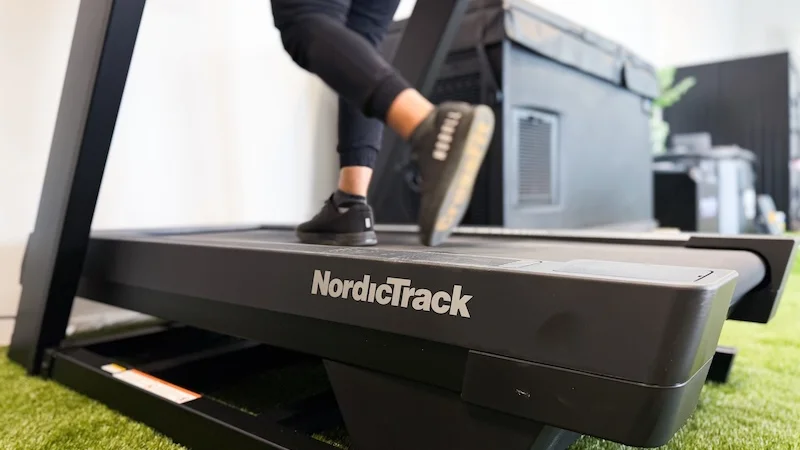
How treadmill running affects your body
Treadmill running changes how your body moves. The belt helps your feet lift and land with a slightly different pattern than road running. This change can reduce impact in some ways and increase load on other areas like hips or calves.
Treadmill pace can feel easier. Many runners under-estimate speed on a treadmill because there is no wind resistance. That can be useful for controlled workouts but can also hide form problems.
I have tracked my own training. I noticed that after long treadmill months my quads felt stronger but my stabilizer muscles were less conditioned. That taught me to add balance and outdoor runs back into my weeks.
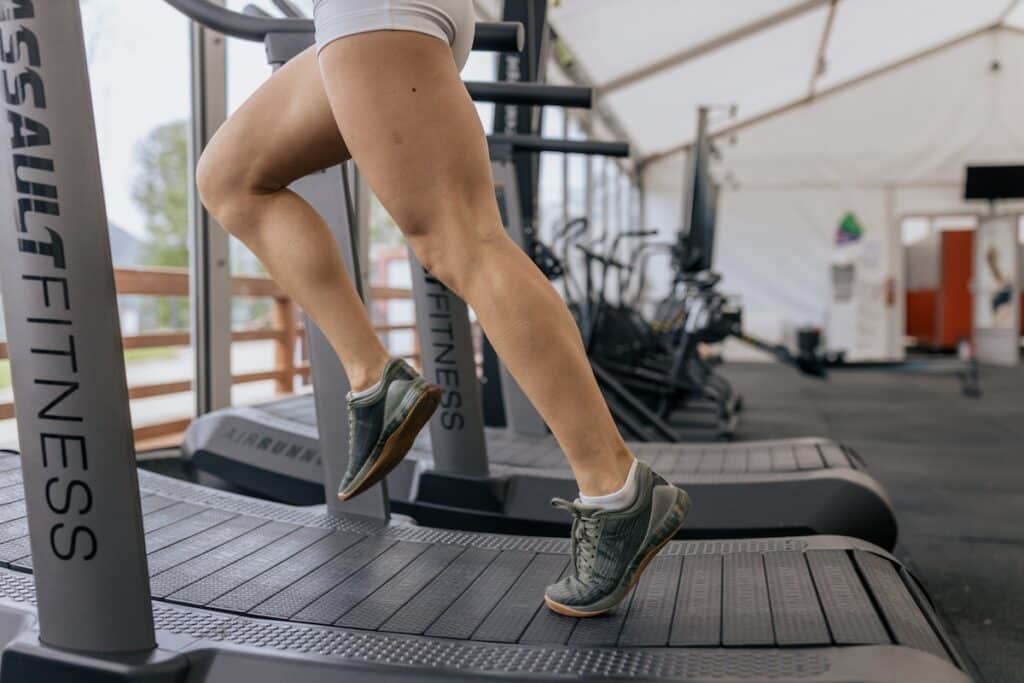
Benefits of running on a treadmill
Treadmill running has clear advantages for many people. It offers control, safety, and convenience.
- Controlled conditions: You can set pace, incline, and time to match goals precisely.
- Reduced injury risk for some: A cushioned belt can lower impact on knees for people with joint pain.
- Weather-proof training: Treadmills let you keep routine in bad weather or when outdoor routes are unsafe.
For busy schedules, treadmill runs are reliable. For rehab or progressive training, a treadmill is an easy place to track progress with repeatable workouts.

Common risks and why people ask "is running on a treadmill bad for you"
People often ask is running on a treadmill bad for you because they sense something feels different. Most risks come from form, monotony, and overuse.
- Poor form: Leaning too far forward, gripping rails, or short steps can cause pain in hips, back, or knees.
- Repetitive motion: Running many miles on a flat belt can overload the same tissues.
- False pace cues: Running too fast because the treadmill feels easier can lead to strain.
In my practice, I saw runners develop tight calves and hip flexors after months of treadmill-only training. The fix was simple: add mobility work and mix in outside runs or hill sessions.
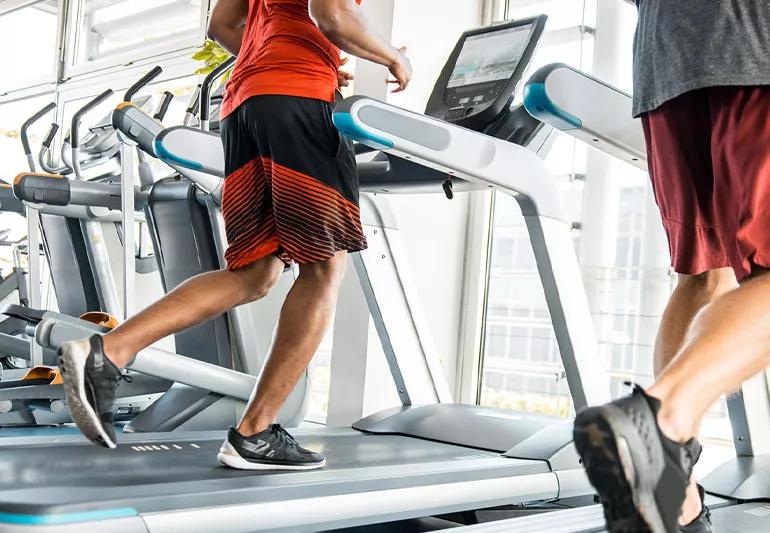
How to run safely on a treadmill
You can make treadmill running very safe with small habits and clear checks.
- Warm up for 5 to 10 minutes with easy walking or light jog.
- Set the incline to 1% for steady pace runs to mimic outdoor effort.
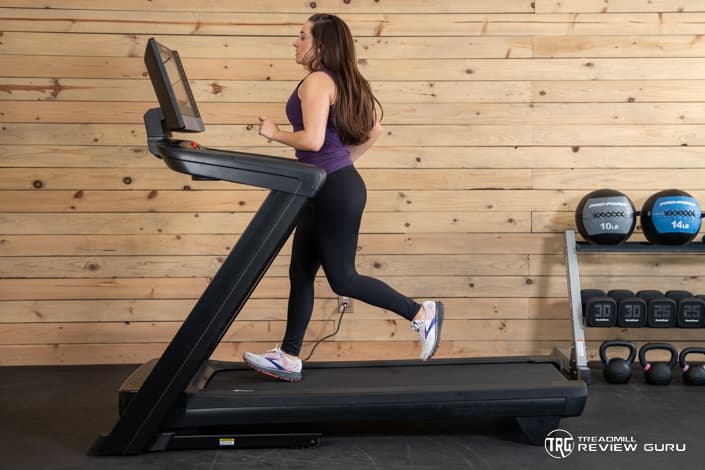
- Keep short, quick steps and land beneath your center of mass.
- Avoid holding onto handrails; use them only to start or stop.
- Add strength and balance drills two times a week to support stabilizer muscles.
I recommend tracking cadence. Aim for 160–180 steps per minute in most workouts. When I started forcing my cadence up on the treadmill, my knee pain eased and my running felt smoother.

Training progressions and programming tips
Progress slowly and follow a simple plan to avoid overuse. A basic progression works well for most runners.
- Week 1: Three runs of 20–30 minutes, easy pace.
- Week 2: Add one interval session—short repeats at faster pace with full recovery.
- Week 3: Increase one run to 40 minutes or add a gentle incline.
- Ongoing: Rotate easy, interval, and longer runs; add strength work.
Listen to your body. If you feel persistent pain, back off and seek a professional opinion. In my experience, adding one outdoor run per week prevents many treadmill-related niggles.
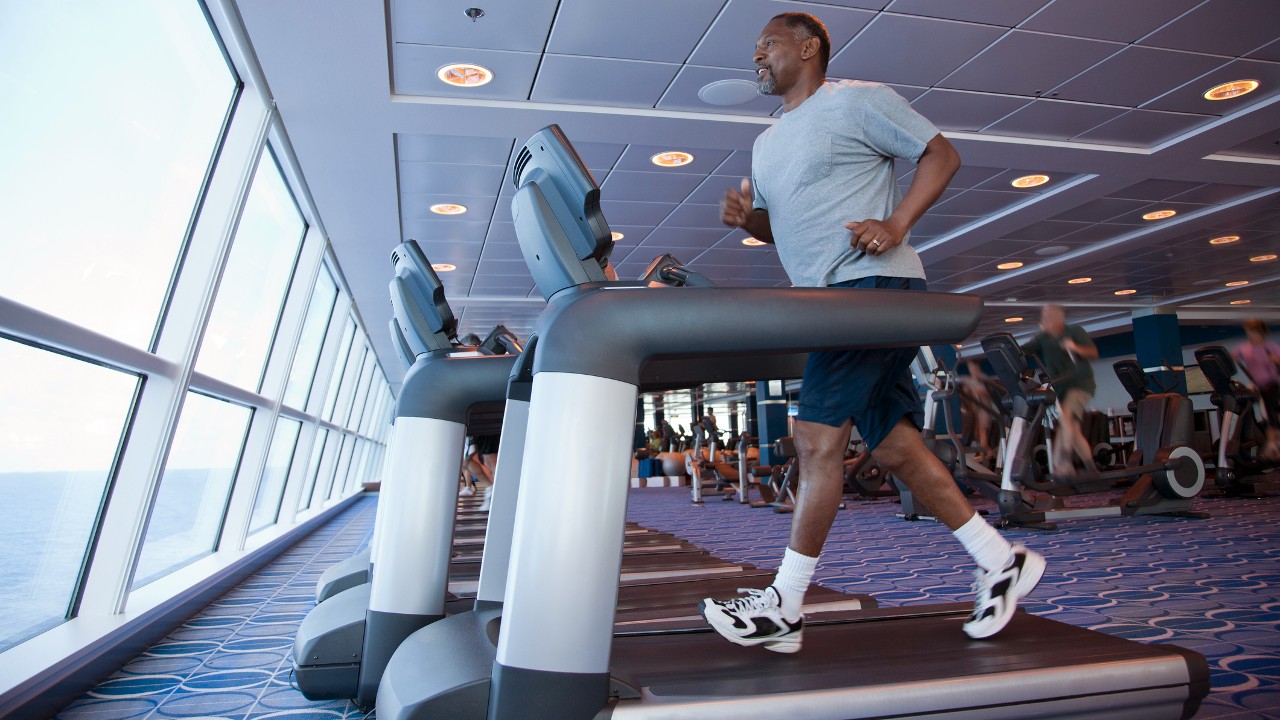
When treadmill running may be a poor choice
Treadmill running can be less ideal in some situations. It may not fit if you need varied terrain or are training for technical trails.
- Trail race prep: Treadmill can’t fully replicate uneven footing or quick footwork needed on trails.
- Long slow runs outdoors: Heat, wind, and terrain teach the body to handle race day stresses.
- Chronic imbalance: If you have long-standing strength imbalances, treadmill alone may hide issues.
If your goal is race-specific or requires adaptation to changing surfaces, use a treadmill as a tool, not the only tool.
Personal lessons and real-world tips
Here are lessons I learned from years of treadmill training and coaching others.
- Do mobility and single-leg work. Treadmills can weaken stabilizers.
- Use incline to train strength. A 2–4% incline builds power without high speed.
- Break monotony with music, podcasts, or varied workouts. Mental fatigue can change form.
- Watch your posture. Use a mirror or phone video to self-check.
One time I ran a marathon training block mostly on a treadmill due to a winter move. I finished strong but only after adding hill repeats and outdoor long runs in the final weeks.

Monitoring pain and when to see a professional
Pain is your body’s signal. Different pain patterns guide actions.
- Sharp, sudden pain: Stop and rest. Seek medical care if it’s severe.
- Dull, persistent ache: Reduce load and address strength and mobility.
- Swelling or loss of function: See a clinician for diagnosis.
I advise early assessment for persistent symptoms. A timely correction often prevents months off from running.
Alternatives and cross-training
Balance treadmill work with other options to reduce risk and build fitness.
- Outdoor runs: Improve balance, proprioception, and outdoor readiness.
- Cycling or rowing: Low-impact ways to boost cardio.
- Strength training: Focus on hips, glutes, and core to support running.
Use cross-training a few times a week to prevent the common overuse patterns tied to treadmill-only training.
Frequently Asked Questions of is running on a treadmill bad for you
Does treadmill running cause more injuries than road running?
Treadmill running does not inherently cause more injuries. Injuries often stem from sudden increases in volume, poor form, or lack of strength work rather than the treadmill itself.
Is treadmill running bad for your knees?
Treadmill running can be easier on knees due to cushioning, but bad form or too much volume can still cause knee pain. Adjust incline and technique to reduce impact and balance muscle load.
Can treadmill running weaken my stabilizer muscles?
Yes, relying only on a treadmill may reduce demand on stabilizers because the surface is predictable. Add single-leg exercises and outdoor runs to keep stabilizers strong.
Should I set incline to 1% on a treadmill?
A 1% incline often better simulates outdoor running for steady pace workouts, but use different inclines for variety and to train strength. Adjust incline based on your goals and perceived effort.
How often should I switch between treadmill and outdoor runs?
Mix both weekly if possible—aim for at least one outdoor run every 1–2 weeks to maintain balance. This helps reduce overuse and improves adaptability.
Conclusion
Treadmill running is not inherently bad for you when you use it wisely. It offers control, safety, and convenience, but also requires attention to form, strength, and variety. Use incline, short intervals, strength work, and at least occasional outdoor runs to balance your training. Try one change this week—add a cadence cue, a hill session, or a single-leg drill—and see how your body responds. If this article helped, leave a comment or subscribe for more practical running tips.

Brandon Knoxley is a sport & fitness writer and training guide contributor at MySportFitHub. He focuses on practical workouts, performance-based training, and honest fitness gear insights designed for real people and real results. Brandon is passionate about helping beginners and active individuals train smarter, avoid common mistakes, and build sustainable fitness habits.