What Are Mets On A Treadmill: Meaning, Calories
METs on a treadmill are units that estimate how hard your body works during walking or running.
I have measured treadmill workouts for years and read the science behind exercise testing. This guide explains exactly what are mets on a treadmill, how they are calculated, why they matter, and how to use them to train safely and smartly. Read on to get clear, usable answers you can apply on your next treadmill session.
Understanding METs and why they matter
MET stands for metabolic equivalent. One MET is the energy the body uses when resting. Knowing what are mets on a treadmill helps you compare effort across speeds, inclines, and workouts.
MET values link movement to calories and oxygen use. This makes them useful in fitness, rehab, and medical tests. They give a simple way to say how hard an activity is without lab gear.

How METs are measured on a treadmill
There are two common ways to get METs on a treadmill. One is an estimate from treadmill speed and incline using formulas. The other is a direct measure from oxygen consumption in a lab test.
Most treadmills and fitness trackers use estimates. Estimates use population averages and real world measures. Direct lab tests are more accurate but take more time and cost more.
The math behind treadmill MET estimates
A simple rule ties METs to oxygen use. One MET equals about 3.5 milliliters of oxygen per kilogram of body weight per minute. Treadmill equations convert speed and incline into estimated VO2 and then into METs.
Manufacturers may use slightly different formulas. This is why METs can vary across devices. Still, the numbers give a useful ballpark for effort and calorie burn.
Interpreting MET values with real examples
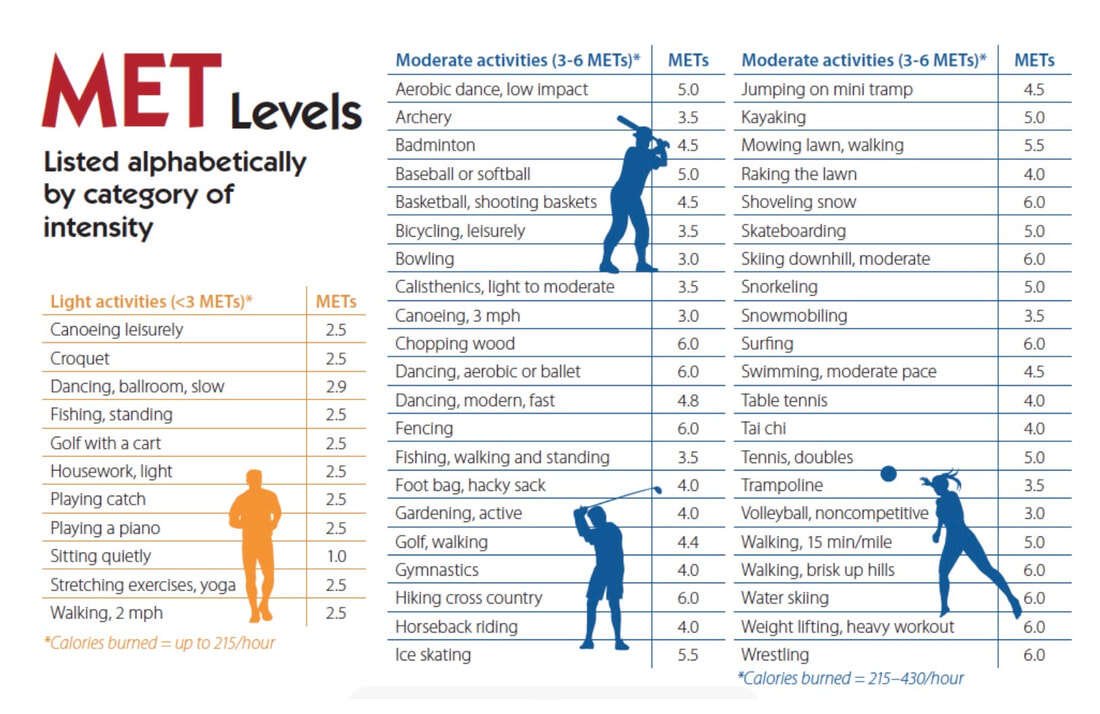
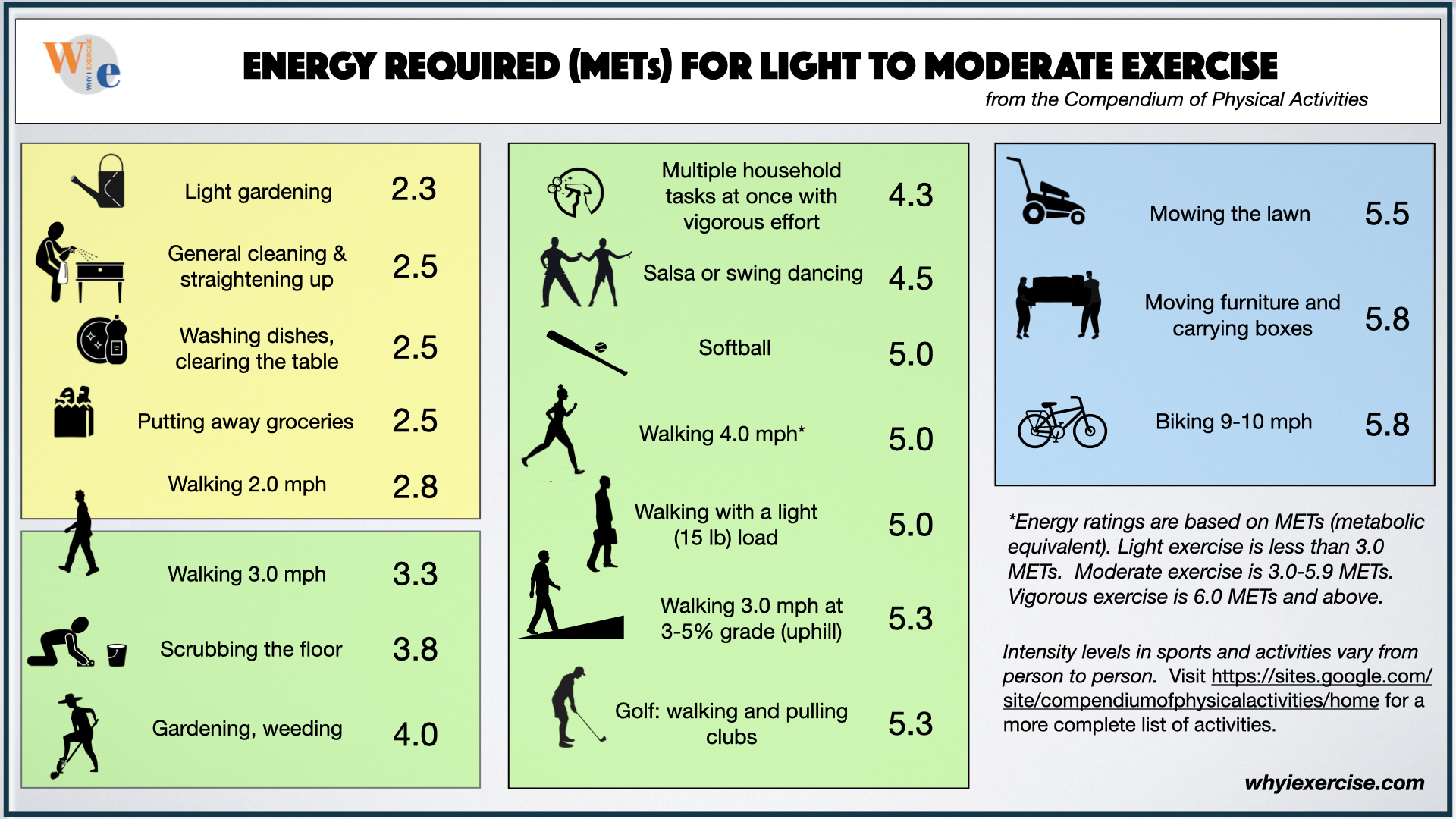
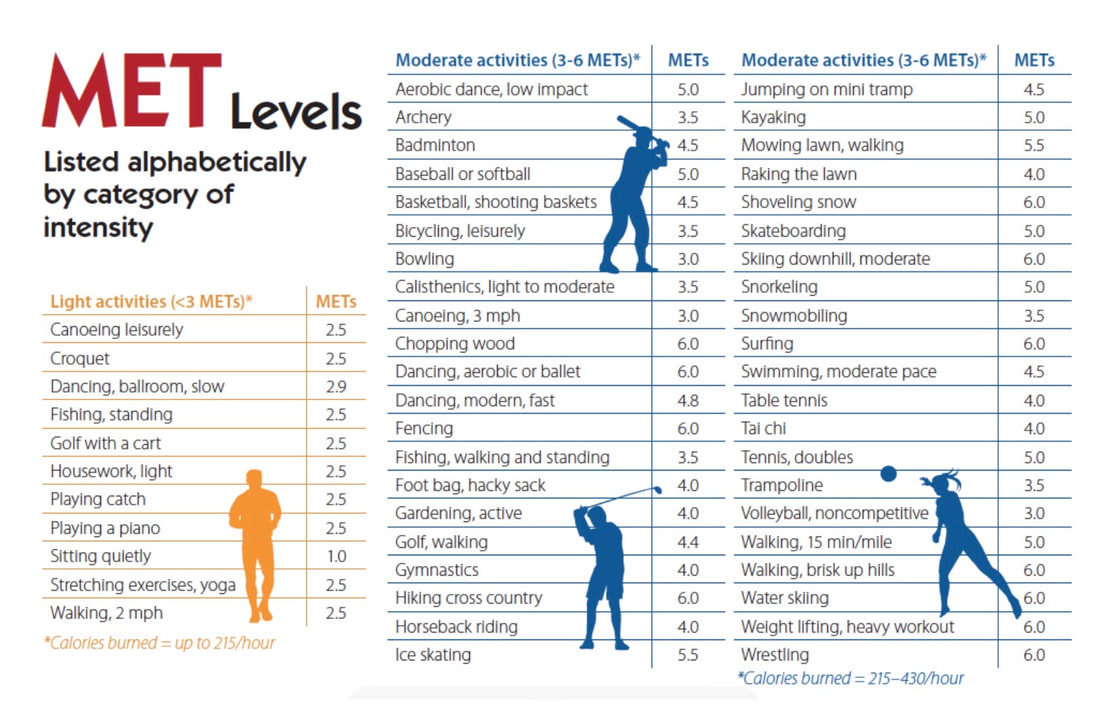
Seeing numbers makes this clear. Walking slowly at 2.0 mph is about 2.5 METs. Brisk walking at 4.0 mph is about 5 METs. Running at 6.0 mph is roughly 10 METs.
Use METs to grade workouts. A 30-minute 5 MET workout is easier than a 30-minute 10 MET run. This helps plan progress and match goals to capacity.

Why METs matter for health and fitness
METs let doctors and trainers talk in one language. They help estimate calories burned and set safe limits for people with heart or lung disease. METs also show fitness gains: higher sustained MET levels usually mean better aerobic fitness.
For rehab, MET targets guide safe exertion. For athletes, METs help set intervals. For everyday users, METs make workouts measurable and comparable.
Using METs for training and testing on a treadmill
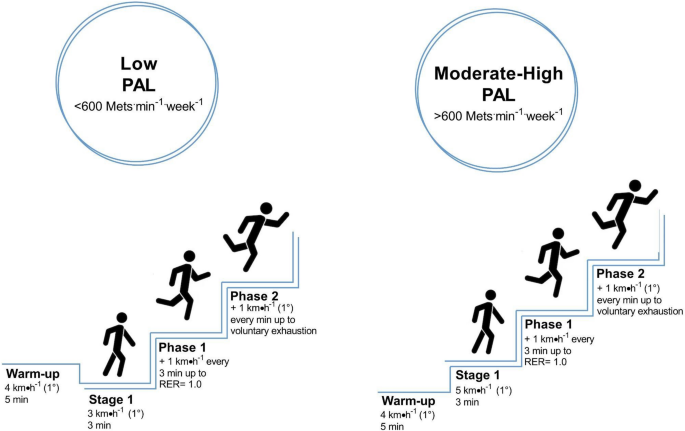
Start with a baseline test. Walk or jog at steady steps and note speed and incline. Use the treadmill’s MET readout or a reliable table to record your starting METs.
Plan workouts by MET zones. For example:
- Low zone: 2 to 4 METs for recovery or warm-up.
- Moderate zone: 4 to 6 METs for general fitness.
- High zone: 6+ METs for intervals and hard efforts.
Test every 4 to 8 weeks to track progress. Raise speed or incline as your METs at a given effort drop, meaning you improved.
Safety, limitations, and common pitfalls
Estimated METs are not perfect. They assume average body size and economy. They can overestimate or underestimate effort for very small, very large, or very fit people.
Heart rate and perceived exertion should guide decisions too. If METs say you are at 8 but you feel dizzy, stop and seek help. For medical testing, always use lab-grade measures when accuracy matters.
My experience and practical tips
I used treadmill METs when training clients and during my own workouts. METs made it easy to set targets and compare sessions. One client moved from 4 to 6 METs for 30 minutes over three months, and this was a clear win for fitness.
Tips I learned:
- Use the same method each time to track progress.
- Combine METs with how you feel and your heart rate.
- Treat device MET readouts as estimates, not laws.
Quick checklist to apply METs on your treadmill
- Note your treadmill’s MET readout or use a chart.
- Start with a baseline 10-minute steady test.
- Set zones based on your fitness and goals.
- Track progress weekly and adjust speed or incline.
- Use caution if you have health issues and consult a clinician.
Frequently Asked Questions of what are mets on a treadmill
What exactly does one MET represent?
One MET is the rate of oxygen use at rest, about 3.5 ml O2/kg/min. It is a baseline to compare activity intensity.
Can treadmill MET estimates tell exact calorie burn?
No. They give a close estimate but vary by body size, fitness, and device. For exact values, a lab VO2 test is needed.
Are METs the same across all treadmill models?
Not always. Different models and apps use slightly different formulas, so readings can differ. Use the same device for consistent tracking.
How can I use METs to set workout intensity?
Pick MET zones for recovery, steady state, and hard efforts. Match workout length and frequency to those zones for steady progress.
Are METs safe to use if I have a heart condition?
METs can guide rehab but should be used with a clinician’s advice. Always follow medical limits and stop if you feel unwell.
Conclusion
METs on a treadmill give a simple way to measure how hard you work. They connect speed and incline to energy use. Use them to track progress, plan workouts, and guide safe exercise. Start with a short baseline test, pick sensible MET zones, and pair the numbers with how you feel and your heart rate. Try one MET-based goal this week: increase your steady-state MET level by a small, safe amount. If this guide helped, leave a comment, subscribe for more practical tips, or test your next treadmill session with METs and share your results.

Brandon Knoxley is a sport & fitness writer and training guide contributor at MySportFitHub. He focuses on practical workouts, performance-based training, and honest fitness gear insights designed for real people and real results. Brandon is passionate about helping beginners and active individuals train smarter, avoid common mistakes, and build sustainable fitness habits.