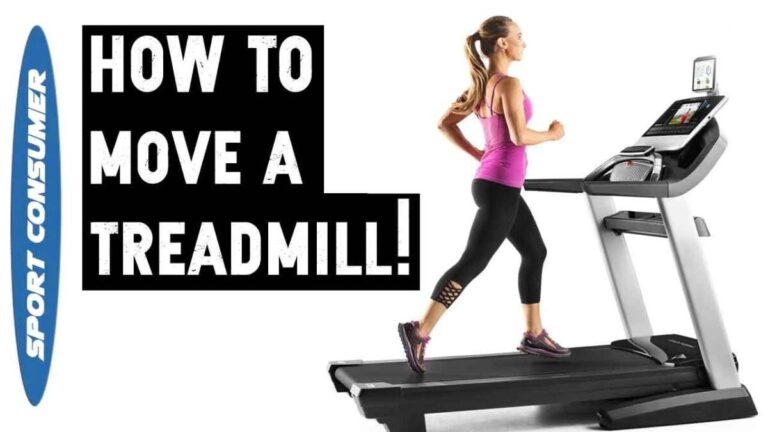
Can You Put A Treadmill Upstairs: Safe Setup Guide
Yes, you can put a treadmill upstairs if the floor, stairs, space, and noise limits are suitable.
Can you put a treadmill upstairs without harming your home or disturbing others? In most homes, yes—but the answer depends on the treadmill’s weight, the floor structure, stair access, ceiling height, and vibration control. This guide explains how to check each point, move the machine safely, and set it up for quiet, stable use.
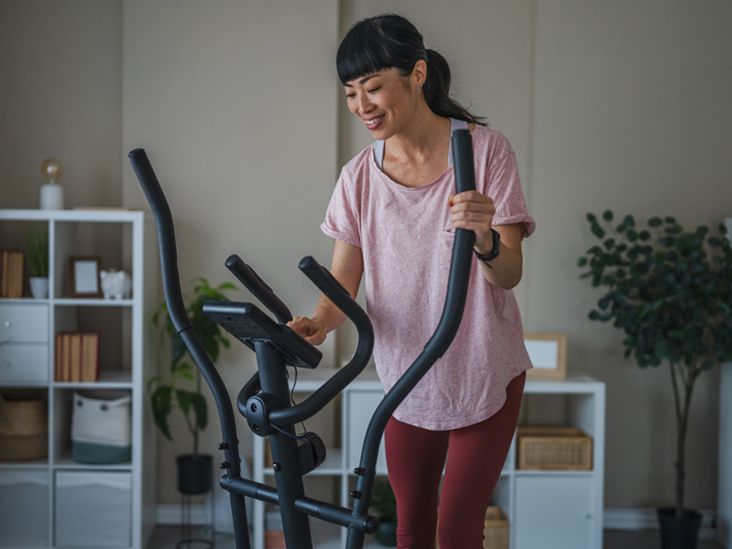
Can You Put a Treadmill Upstairs?
Yes, you can put a treadmill upstairs in many homes. Most residential floors can support the weight of a treadmill and its user. The bigger concerns are safe delivery, floor space, vibration, noise, and the condition of the stairs.
A treadmill may weigh between 200 and 400 pounds. A person using it adds more weight, and the machine creates repeated force as the belt moves and the user walks or runs. This force is not the same as simply placing a heavy sofa in one spot.
Before moving the treadmill, check these key points:
• The treadmill’s assembled weight
• Your body weight and the weight of anyone else using it
• The floor’s condition and age
• The width and shape of the stairs
• The room’s ceiling height
• The amount of space around the machine
• The noise and vibration it may create
• The manufacturer’s placement rules
A modern, well-built floor will often handle a treadmill. Still, an older home, damaged floor, or room above a garage may need closer inspection.
How Much Weight Can an Upstairs Floor Hold?
Building codes commonly design residential floors for both permanent loads and temporary live loads. In many homes, a typical floor is designed for around 30 to 40 pounds per square foot of live load, though exact requirements vary by location, construction type, and building age.
That figure does not mean you can place any object anywhere. A treadmill spreads its weight across a small area, often through four feet or wheels. Running also creates repeated impact, which can make a flexible floor feel shaky.
Use this simple estimate:
-
Add the treadmill’s weight to the user’s weight.
-
Divide the total by the area covered by the treadmill.
-
Consider whether the treadmill sits near a wall, beam, or floor joist.
-
Look for signs of floor damage or movement.
For example, a 280-pound treadmill with a 180-pound user creates a combined load of 460 pounds. The machine may be safe on a sound floor, but the risk rises if the floor has water damage, sagging, cracked supports, or weak framing.
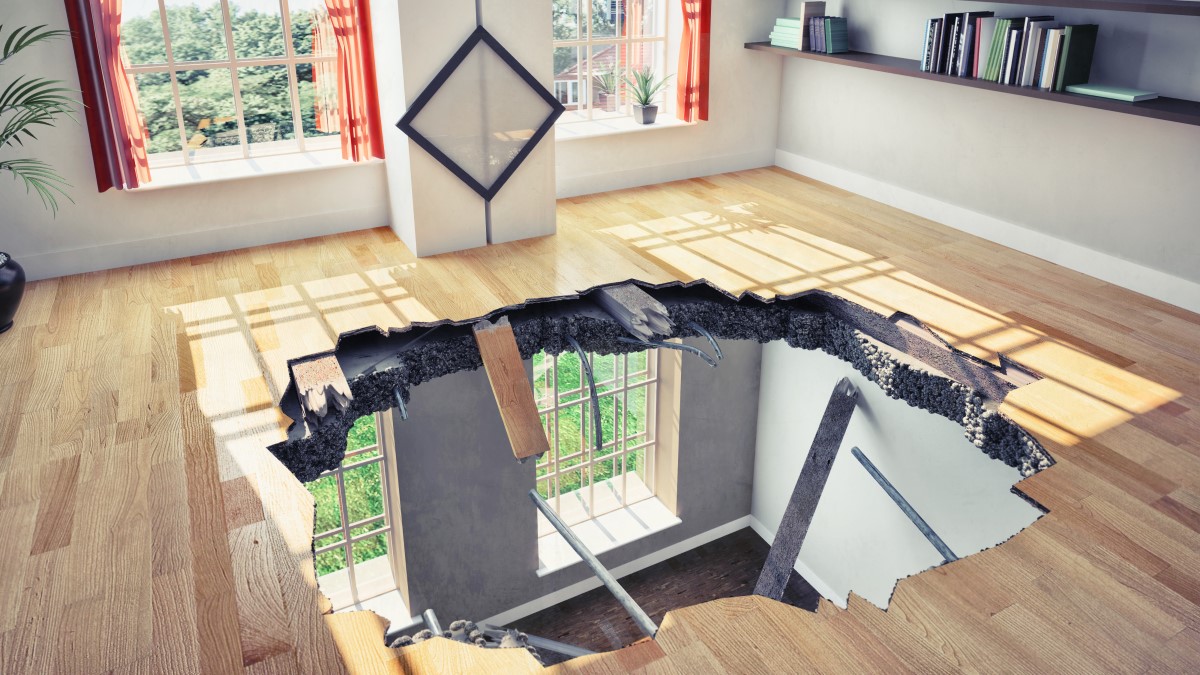
Do not place a heavy treadmill over a visibly damaged floor. If you notice bouncing, sagging, soft spots, or wide cracks, ask a qualified contractor or structural engineer to inspect the area.
What Type of Upstairs Floor Is Best?
A solid floor with strong framing is the best place for a treadmill. Floors supported by beams, joists, or load-bearing walls usually feel more stable than long, unsupported floor spans.
The best locations often include:
• A room near a load-bearing wall
• A space above a beam or supporting post
• A room with a firm wood or concrete subfloor
• An area away from damaged or soft flooring
• A room with enough space for safe movement
Concrete floors are very stable, but they can still transmit vibration through walls and ceilings. Wood floors may support a treadmill well, but they can sound louder, especially in older homes.
Avoid placing the machine on a floating floor that shifts easily. Laminate, vinyl, or engineered wood may work, but use a proper treadmill mat and follow the flooring maker’s instructions. Moisture, trapped dust, and heavy pressure can damage some floor finishes.
How Much Space Do You Need Upstairs?
A treadmill needs more room than its belt size suggests. You need space for the machine, your moving body, maintenance, and a safe exit path.
Most manufacturers recommend leaving:
• At least 2 feet of open space on each side
• At least 6 feet of space behind the treadmill
• Enough room above your head to prevent contact with the ceiling
• A clear path around the machine
The rear clearance matters most. If you lose balance, you need room to step away from the moving belt. Never place the back of the treadmill directly against a wall, bed, desk, or sharp furniture.
Ceiling height also matters. A treadmill raises your walking height by several inches. Add your height, the treadmill deck height, and your running motion. If your head nearly touches the ceiling while standing on the deck, choose another room.
A low-ceiling attic or bonus room may look ideal, but it can become unsafe during running. Test the space by standing on the treadmill deck with your arms raised. Leave extra room for natural movement.
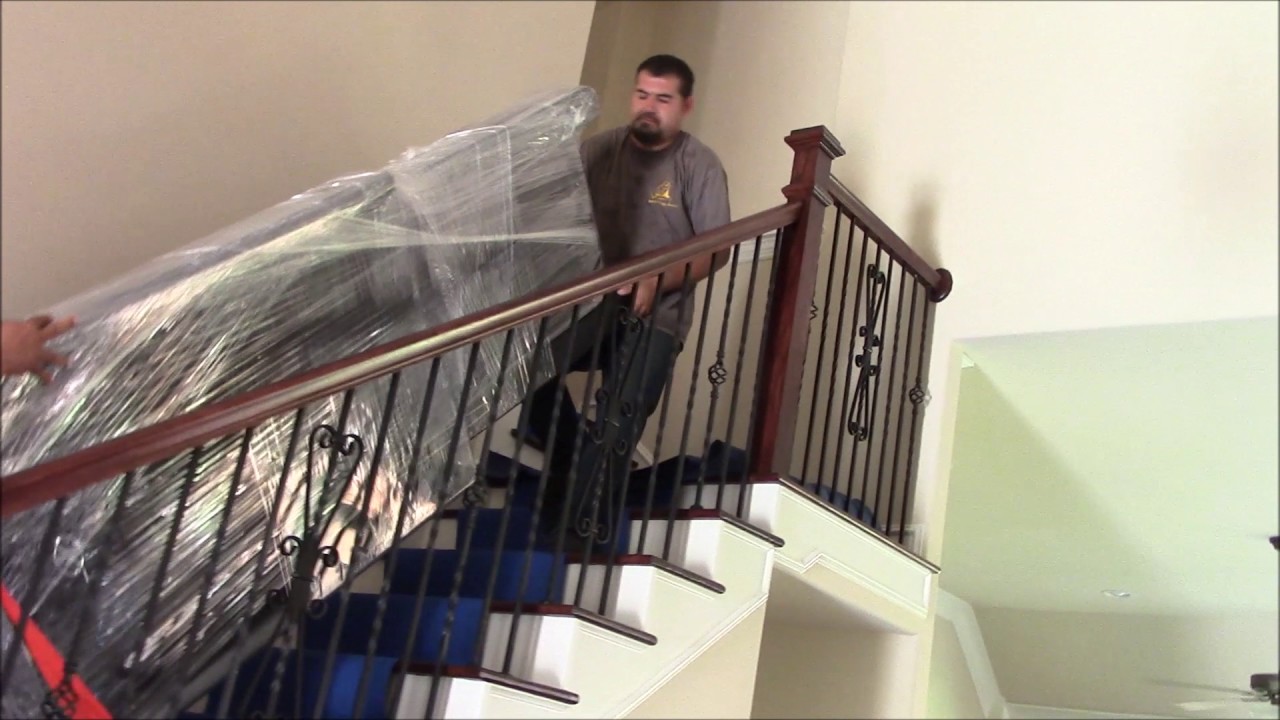
How Do You Move a Treadmill Upstairs?
Moving a treadmill upstairs is often harder than using it upstairs. The machine is heavy, awkward, and difficult to grip. A poor lifting plan can damage the treadmill, walls, stairs, or people.
Check the owner’s manual first. Some treadmills have folding frames, transport wheels, or removable parts. Others should not be tilted far because doing so may damage the motor, belt, frame, or console.
Use this safer process:
-
Measure the treadmill and the stairway.
-
Remove doors, trim, or handrails only if necessary and permitted.
-
Unplug the treadmill and secure the power cord.
-
Remove the safety key and detach small parts.
-
Fold or disassemble the treadmill according to the manual.
-
Cover the frame with moving blankets.
-
Use a stair-climbing dolly or professional moving equipment.
-
Have at least two strong adults guide the load.
-
Keep one person at the lower end and one at the upper end.
-
Move slowly, one step at a time.
-
Keep fingers away from pinch points.
-
Reassemble and inspect the treadmill before plugging it in.
Do not drag a treadmill up the stairs with a rope. Do not carry it alone. Treadmills can shift suddenly, and their weight is often uneven because of the motor and front frame.
For a large commercial treadmill, narrow staircase, spiral stairway, or multi-story move, hire professional movers. The cost is usually far lower than repairing a broken treadmill or a serious injury.
Can You Put a Treadmill Upstairs Without Damage?
You can reduce the risk of damage with the right setup. The most useful item is a treadmill mat designed for the machine’s size and weight.
A proper mat can:
• Reduce vibration
• Protect the floor from scratches
• Catch dust and sweat
• Improve grip
• Reduce small shifts during use
• Make cleaning easier
The mat will not eliminate all noise. It also will not fix a weak or damaged floor. Think of it as a shock buffer, not a structural repair.
Place the treadmill on a level surface. An uneven floor can cause belt tracking problems, frame stress, and extra noise. Use the treadmill’s built-in leveling feet if available. Avoid placing cardboard, loose rugs, or soft foam under the machine unless the manufacturer approves it.
Inspect the floor after the first few uses. Look for new cracks, movement, loose flooring, or unusual sounds. Stop using the machine if the floor feels unstable.

How Do You Reduce Treadmill Noise Upstairs?
Noise is one of the main reasons people ask, “Can you put a treadmill upstairs?” The machine creates several sounds, including motor noise, belt movement, foot impact, and vibration through the floor.
Walking is usually quieter than running. A heavy runner using a high speed can create strong impact, especially on a wood-framed floor. Noise may travel to the room below, nearby bedrooms, or neighboring units.
Try these practical steps:
• Use a thick, firm treadmill mat.
• Keep the belt clean and properly lubricated.
• Tighten loose bolts as directed by the manual.
• Place the treadmill away from shared walls.
• Avoid early morning or late-night workouts.
• Use low-impact walking when noise is a concern.
• Ask household members when sound is least disruptive.
• Keep the treadmill on a level surface.
• Use shock-absorbing footwear.
Do not put soft household rugs under the treadmill as a substitute for a real equipment mat. A rug may bunch up, slide, or trap heat beneath the motor.
If you live in an apartment or condominium, check the lease, building rules, and noise policy. Some buildings restrict treadmills on upper floors, especially during quiet hours.
Can a Treadmill Damage the Ceiling Below?
A properly installed treadmill should not normally damage the ceiling below. However, severe vibration can make ceiling fixtures rattle, create noise, or expose an existing weakness in the floor system.
The risk is higher when:
• The floor joists span a large open area.
• The treadmill sits near the center of a flexible floor.
• The floor has water or termite damage.
• The machine is used for intense running.
• The treadmill rocks or moves during use.
• The building is old or poorly maintained.
If the room below develops new cracks, rattling, or shaking, stop using the treadmill. Ask a building professional to inspect the floor before continuing.
A treadmill should not cause normal ceiling damage in a sound structure. Still, no online guide can confirm the strength of a specific floor. A local inspection is the safest choice when you have doubts.

Where Should You Place a Treadmill Upstairs?
The best location combines strength, space, ventilation, and convenience. A spare bedroom may work well if it has enough clearance and a solid floor. A finished attic may work only if the ceiling is high enough and the floor is strong.
Good placement options include:
• A room above a load-bearing wall
• A corner with clear space around the machine
• A dedicated home gym
• A room away from sleeping areas
• A space with fresh air and good lighting
Avoid these locations:
• Directly beside a stair opening
• Near a balcony or open railing
• In front of an exit
• On a weak, soft, or damaged floor
• Under a very low ceiling
• Near heaters, vents, or water sources
• In a cramped room with no escape space
Place the front of the treadmill where you can reach the power switch safely. Keep the power cord away from walking paths. Plug the treadmill into the outlet type recommended by the manufacturer, and avoid using an overloaded extension cord.
What Should You Check Before Using It?
Before your first workout, complete a full safety check. This step takes only a few minutes and can prevent common problems.
Check the following:
• The treadmill sits level and does not rock.
• The belt moves smoothly.
• The belt stays centered.
• The emergency safety key works.
• The power cord is not damaged.
• The mat lies flat.
• The rear clearance is open.
• The room has enough airflow.
• All bolts and covers are secure.
• The floor shows no signs of movement.
Start with a slow walk. Listen for unusual sounds and watch the treadmill frame. Increase speed only after the machine feels stable.
Clean the belt and deck based on the owner’s manual. Over-lubrication can cause slipping, while too little lubrication can increase friction and motor strain. Service intervals vary by model, so follow the manufacturer’s instructions rather than relying on a fixed schedule.
Common Mistakes to Avoid
Many treadmill problems come from rushing the setup. The most common mistake is focusing only on whether the floor can hold the weight.
Avoid these errors:
• Moving the treadmill without measuring the stairs
• Carrying the machine alone
• Ignoring the manufacturer’s manual
• Placing it on a loose rug
• Blocking a doorway or stair path
• Running without rear clearance
• Using a damaged extension cord
• Ignoring floor bounce or cracking
• Assuming a thick mat solves every vibration issue
• Placing the machine above a bedroom without considering noise
A mistake I often see in home gym planning is choosing a room based on appearance rather than function. A bright upstairs room may look perfect, but a smaller room with stronger support and better clearance may be much safer.
Think of the installation like parking a car in a garage. The space must fit the equipment, allow safe movement, and support regular use—not just hold the object for one day.

When Should You Ask a Professional?
You should ask for professional help when the situation is uncertain. A moving company can handle delivery, while a contractor or structural engineer can assess floor concerns.
Get professional advice if:
• The treadmill weighs more than 300 pounds.
• The staircase is narrow or curved.
• The home has visible floor damage.
• The floor bounces during normal walking.
• The room is above a garage or large open space.
• You live in an apartment or condominium.
• You plan to use a commercial treadmill for running.
• You cannot maintain the required clearance.
• The manufacturer gives special installation instructions.
A structural professional can inspect joists, beams, posts, and signs of moisture or insect damage. Do not guess when the cost of failure could involve injury or major repairs.
Frequently Asked Questions About Can You Put a Treadmill Upstairs
Can you put a treadmill upstairs in an old house?
Yes, but an old house needs a closer check for sagging floors, damaged joists, and uneven surfaces. If the floor bounces, feels soft, or shows cracks, have it inspected before placing the treadmill there.
Can you put a treadmill upstairs in an apartment?
You may be able to, but check your lease and building rules first. Noise and vibration can disturb neighbors, and some buildings restrict exercise machines on upper floors.
Is it safe to run on a treadmill upstairs?
It is usually safe when the floor is sound, the treadmill is level, and the room has proper clearance. Stop using it if the floor shakes, the machine rocks, or you notice new cracks or unusual noises.
Can a treadmill be too heavy for an upstairs floor?
A treadmill can be unsuitable for a damaged or weak floor, especially when combined with a heavy user and high-impact running. Check the machine’s weight, floor condition, and support layout, and seek professional advice when unsure.
How do you move a treadmill upstairs?
Measure the stairs, follow the manual, secure moving parts, and use several capable adults or professional movers. A stair-climbing dolly is safer than trying to pull the treadmill with a rope.
Does a treadmill mat protect an upstairs floor?
A treadmill mat helps reduce vibration, scratches, and small movements. It does not repair a weak floor or remove all impact noise.
How much space should be behind an upstairs treadmill?
Many manufacturers recommend about 6 feet behind the treadmill, but the manual for your model takes priority. Keep the area clear so you can step away safely if you lose balance.
Conclusion
Can you put a treadmill upstairs? In most cases, yes, as long as the floor is sound, the stairs are suitable, the room has enough clearance, and the machine is installed with care.
Measure before moving it, follow the owner’s manual, use a proper treadmill mat, control workout noise, and inspect the floor regularly. When the home is old, the floor feels weak, or the machine is very heavy, get advice from a qualified professional.
A safe upstairs treadmill can make home workouts easy and convenient. Check your space today, plan the move carefully, and enjoy a more confident setup.

Brandon Knoxley is a sport & fitness writer and training guide contributor at MySportFitHub. He focuses on practical workouts, performance-based training, and honest fitness gear insights designed for real people and real results. Brandon is passionate about helping beginners and active individuals train smarter, avoid common mistakes, and build sustainable fitness habits.