Best Shoe For Treadmill Running: Top Comfort Picks
The best shoe for treadmill running blends secure fit, soft cushioning, light weight, and steady grip for indoor miles.
A treadmill run should feel smooth, not like a fight with your shoes. Yet many runners deal with hot feet, sore heels, slipping, or cramped toes before the workout ends. I tested the key traits that matter indoors, including cushioning, fit, breathability, weight, and support. The shoes below suit different runners, from daily walkers to faster runners and people who need a roomy toe box. My goal is simple: help you find the best shoe for treadmill running without wasting money on a poor fit.
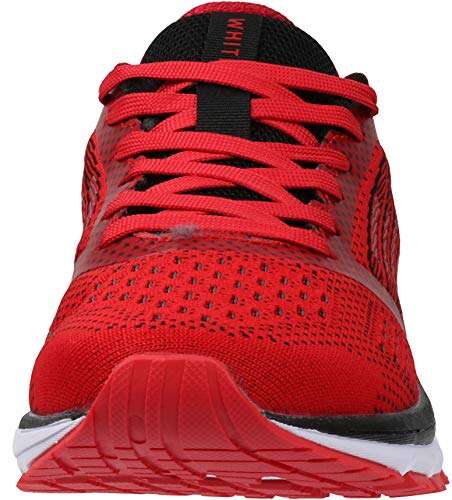
Joomra Whitin Men’s Running Shoes

The Joomra Whitin men’s running shoe is a simple, budget-friendly choice for gym sessions and treadmill miles. Its low-profile shape feels light on the foot. That can help runners who dislike bulky shoes on a moving belt. The red design also adds a bright, sporty look.
I like this style for short runs, warm-ups, and steady walks. It can work well for someone who wants a flexible shoe rather than a stiff, heavily built trainer. The fit matters a great deal, so measure your foot and check the seller’s size chart before ordering. If you need strong motion control or deep cushioning, another shoe on this list may suit you better.
Pros:
- Light feel for daily treadmill workouts
- Flexible design supports a natural stride
- Sporty color makes the shoe easy to notice
- Useful for walking, jogging, and gym training
- Often offers good value for budget-minded buyers
Cons:
- May not provide enough cushioning for long runs
- Fit can feel narrow for some wide feet
- Minimal support may not suit runners with stability needs
My Recommendation
I recommend this shoe to beginners, casual joggers, and gym users who want a light and affordable option. It is a practical pick for shorter treadmill workouts and basic cardio. I would not choose it first for high-mileage training or runners who need firm arch support. As a low-cost entry into treadmill running, it offers useful value when the fit is right.
adidas Response Pace Women’s Running Shoes
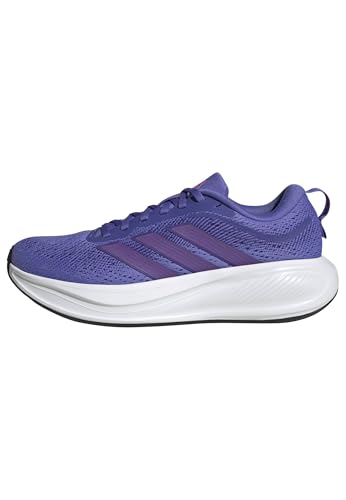
The adidas Response Pace gives treadmill runners a familiar athletic shoe shape with a clean, supportive feel. It is made for women and comes in a bold cobalt blue color with purple and energy ink details. The shoe works well when you want one pair for indoor runs, gym training, and daily movement. Its look feels sporty without being too loud for regular wear.
On a treadmill, a balanced shoe can make each step feel more settled. This adidas model is a good match for easy and moderate runs where comfort matters more than racing speed. I would still leave space near the toes because feet swell during exercise. Check the size options carefully, especially if you wear thick workout socks.
Pros:
- Designed around a women’s running fit
- Versatile for treadmill use and gym workouts
- Bright color improves style and visibility
- Comfortable choice for easy daily miles
- Works for runners who want one multipurpose shoe
Cons:
- Color may not suit people who prefer a plain shoe
- May feel less responsive for fast interval work
- Some feet may need more room in the forefoot
My Recommendation
This is a strong choice for women who want a trusted athletic shoe for walking, jogging, and steady treadmill runs. It fits the needs of users who also spend time in the gym or wear the shoes for errands. I see it as a balanced everyday option rather than a specialist racing shoe. It is worth considering when comfort and broad use matter most.
ALEADER Women’s Energycloud Slip-On Shoes

The ALEADER Energycloud is built for people who value easy entry and everyday comfort. Its slip-on design saves time when you are heading to the gym or walking out the door. The white and gray color looks clean and works with many casual outfits. It is also labeled for walking, gym workouts, errands, and treadmill running.
I find slip-on shoes most useful for walkers and runners who do not want to fuss with laces. They can feel relaxed during warm-ups and low-impact sessions. Still, you should make sure the heel stays secure before running at a fast pace. For longer or harder workouts, a lace-up shoe may give a more locked-in fit.
Pros:
- Slip-on design makes it quick to put on
- Useful for treadmill workouts and daily errands
- Comfortable option for walking and light jogging
- Neutral white and gray color suits casual wear
- Convenient for users who dislike tight laces
Cons:
- Slip-on fit may not feel secure during sprints
- Limited adjustment for unusual foot shapes
- Light color can show dirt more easily
My Recommendation
I recommend the ALEADER Energycloud to walkers, beginners, and people who want a simple shoe for low- to moderate-speed treadmill work. It is especially helpful if you move between workouts, errands, and home tasks. I would pick a more adjustable shoe for incline intervals or fast running. For daily convenience, this can be one of the easiest shoes to live with.
Under Armour Charged Assert 9 Men’s Shoe
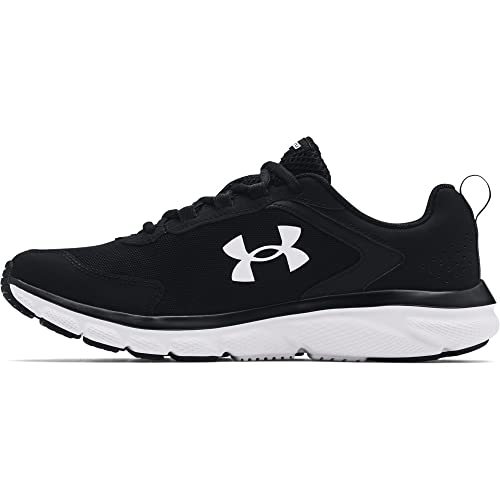
The Under Armour Charged Assert 9 is a dependable everyday trainer for men who want cushioning and a secure lace-up fit. The black and white color is easy to wear at the gym or outside. Its traditional running shoe build gives the foot more structure than a casual sneaker. That makes it a sensible option for regular treadmill sessions.
This shoe suits runners who like a familiar, supportive feel underfoot. The lace system lets you fine-tune the fit, which can reduce heel movement when the belt speeds up. It may feel more substantial than a minimalist shoe, but that extra structure can feel reassuring during long walks. I suggest trying it with your normal running socks before judging the fit.
Pros:
- Traditional lace-up design allows a secure fit
- Good everyday option for treadmill running
- Works for walking, jogging, and gym training
- Black and white color is easy to match
- More structured feel than many casual sneakers
Cons:
- May feel warm during long indoor workouts
- Not a barefoot-style shoe for natural ground feel
- Could feel less nimble for speed-focused runners
My Recommendation
The Charged Assert 9 is best for men who want a reliable daily trainer with a traditional fit. I would choose it for steady runs, incline walking, and mixed gym use. It is a better match than a loose slip-on when you need to keep your foot stable. If you want a sensible balance of comfort, structure, and value, it deserves serious attention.
Nike Winflo 11 Men’s Road Running Shoe

The Nike Winflo 11 is a road-running shoe that also makes a strong indoor training choice. Its Summit White, black, and bright crimson colorway gives it a sharp modern look. Runners who like a recognizable brand and a classic training shape may feel at home in this model. It is suited to users who want one shoe for treadmill runs and outdoor miles.
A treadmill does not require a heavy trail outsole, so a road shoe like this can feel appropriate indoors. The Winflo 11 is worth considering for easy runs, regular fitness work, and moderate pace changes. As with any Nike running shoe, fit should come before the logo or color. Leave a thumb-width of space at the front and check for heel slip on a short walk.
Pros:
- Versatile for indoor and outdoor running
- Recognizable Nike design and athletic styling
- Good fit for runners who prefer road shoes
- Useful for daily training and fitness sessions
- Lace-up construction supports a closer fit
Cons:
- Road-focused design may not suit minimalist fans
- White areas can need more cleaning
- Brand sizing may feel different from other shoes
My Recommendation
I recommend the Winflo 11 to runners who split their time between the treadmill and the sidewalk. It is a smart choice when you want a versatile daily trainer instead of an indoor-only shoe. It can also suit beginners who want a familiar running brand. For the best shoe for treadmill running, this model stands out when indoor and outdoor use must share one pair.
Nike Run Swift 3 Women’s Running Shoe

The Nike Run Swift 3 offers a sporty women’s running option for gym sessions and daily miles. Its vast gray, playful pink, and light smoke gray colors look soft and easy to style. The shoe has a standard lace-up shape, so you can adjust the upper around your foot. That is useful when your feet change slightly during a warm workout.
I would place this model in the everyday trainer category. It is a good fit for walking, light jogging, and steady treadmill runs rather than all-out racing. The neutral color scheme also makes it practical for travel and casual use. Before a long session, wear it for a few short walks and watch for pressure near the toes or heel.
Pros:
- Women’s running design for gym and daily use
- Adjustable laces help create a secure fit
- Neutral colors work well with casual clothing
- Good choice for walking and easy treadmill runs
- Versatile enough for fitness and errands
Cons:
- May not offer enough cushioning for some long-distance runners
- Not designed as a high-level racing shoe
- Light colors may show wear with frequent gym use
My Recommendation
This shoe is best for women who want a simple Nike trainer for walking, jogging, and regular gym work. It fits users who value style and an adjustable lace-up fit. I would choose it for moderate treadmill use, not for runners seeking a highly specialized stability shoe. It offers solid everyday value when the size and width match your foot.
Joomra Women’s Barefoot Zero Drop Shoes
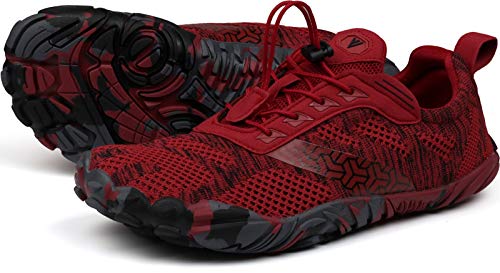
The Joomra barefoot shoe takes a very different path from thick, cushioned running trainers. It uses a zero-drop platform and a wide toe box, which gives the toes more space to spread. The red color adds a lively look, while the low profile keeps the shoe close to the ground. This design may appeal to runners who prefer a more natural foot position.
A barefoot shoe requires patience, especially if you usually wear a high-cushion model. Start with short walks before adding easy treadmill jogging. The belt feels smooth, but your calves and feet still need time to adapt to less underfoot protection. I would avoid sudden long runs in this shoe, even if it feels comfortable at first.
Pros:
- Wide toe box allows more toe movement
- Zero-drop design supports a level heel-to-toe stance
- Light feel can suit natural-movement fans
- Useful for walking and short treadmill sessions
- Distinct red color gives the shoe a bold style
Cons:
- Less cushioning than standard running shoes
- Needs a gradual transition for many runners
- May not suit runners with foot pain or high support needs
My Recommendation
I recommend this model to experienced minimalist-shoe users and people who want a roomy toe box. It may also help those who dislike a raised heel, but a slow transition is essential. I would not call it the best shoe for treadmill running for every person, since many runners need more cushioning. For the right user, though, it offers freedom and a natural feel at a useful price.
How to Choose the Best Shoe for Treadmill Running
Choosing the best shoe for treadmill running is not only about brand name or color. A good shoe should match your foot, pace, workout time, and comfort needs. The treadmill belt gives your legs a steady surface, but each step still sends force through your feet, ankles, knees, and hips. The right shoe acts like a quiet partner. It should help you move without stealing your focus.
Start With the Right Fit
Fit is the first test. A shoe can have excellent foam and still feel bad if it squeezes your toes or lets your heel slide. Measure your feet at the end of the day, when they are a little larger. Wear the socks you use for running, then check the fit while standing.
Your longest toe should sit about half an inch from the front. That space helps prevent black toenails and sore toes. The midfoot should feel held without numbness. The heel should stay in place when you walk, jog, and raise the treadmill speed.
Do not assume both feet are the same size. Many people have one foot that is slightly longer or wider. Fit the larger foot first. If one foot feels cramped, try a wider size or a different shape rather than hoping the shoe will stretch enough.
Understand Treadmill Cushioning
Treadmill belts usually feel more forgiving than concrete or asphalt. That does not mean you need no cushioning. Your body weight, running style, workout length, and personal comfort all matter. A soft shoe may feel pleasant, while a firmer shoe may feel more stable and quick.
For walking and easy jogging, moderate cushioning is often enough. For long runs, heavier runners, or sensitive heels, deeper cushioning may feel better. But too much soft foam can make some runners feel less steady. I prefer a shoe that cushions the landing but still lets me feel balanced.
Look for Grip, Not a Trail Sole
A treadmill does not need aggressive trail lugs. Large lugs can feel strange on a flat belt and add weight. Instead, look for a rubber outsole with a steady contact area. The shoe should not slide when you start, stop, or change speed.
Keep the sole clean. Dust and gym floor debris can reduce grip. Wipe the outsole when needed and avoid using indoor treadmill shoes outdoors on wet, dirty ground. Small care steps can help preserve traction and extend the life of the shoe.
Breathability Matters Indoors
Gyms can feel warm, even when the air system is running. Treadmill workouts also keep you moving in one place, so heat and sweat can build around your feet. A breathable upper can improve comfort during longer sessions.
Mesh panels often allow more air than dense synthetic material. However, very thin fabric may offer less support or protection. The best shoe for treadmill running should balance airflow with enough structure to keep your foot centered.
Choose Support Based on Your Foot
Not every runner needs a stability shoe. Some people run comfortably in neutral shoes, while others feel better with added support. Pain is not a good way to discover the difference. If you have repeated foot, ankle, knee, or hip pain, speak with a qualified health professional.
A neutral shoe may suit a runner with a comfortable, natural stride. A stability model may help someone whose foot rolls inward and feels tired during runs. Still, shoe labels do not replace a proper fit or professional advice. Comfort during movement remains a useful first clue.
Consider Your Workout Style
Your workout decides what features matter most. A walker may want easy entry and soft comfort. A runner doing intervals may need a snug heel and a lighter, more responsive feel. A person who uses a steep incline may prefer a stable base and strong lace adjustment.
For mixed training, avoid extremes. A very minimal shoe may not feel good for lifting or long cardio. A very heavy shoe may feel slow during speed work. A flexible daily trainer often gives the best balance for normal gym use.
Think About Heel-to-Toe Drop
Heel-to-toe drop describes the height difference between the heel and forefoot. A higher drop can feel familiar to runners who like more heel cushioning. A low or zero drop can feel more natural to runners who are already used to it.
Do not switch suddenly from a high-drop shoe to a barefoot model. That change can place new demand on the calf and Achilles tendon. Increase time slowly, and stop if you feel sharp pain. Comfort should guide the transition, not a trend.
Check Weight and Flex
A light shoe can make a treadmill workout feel less tiring. This matters during intervals and long sessions. Yet low weight should not come at the cost of a loose upper or weak sole.
Hold the shoe and gently bend it. It should flex near the forefoot, not fold in the middle. A shoe that bends too easily may lack useful support. A shoe that will not bend at all may feel stiff and awkward.
Break In New Shoes Carefully
Most running shoes do not need a long break-in period, but your body still needs time to learn a new shape. Wear the shoes around the home first. Then try a short treadmill walk, followed by an easy run.
Check for hot spots after each session. A small warm spot can become a blister during a long workout. Change socks, adjust the laces, or stop using the shoe if the issue does not improve.
Know When to Replace Treadmill Shoes
Indoor shoes may look clean long after their useful life ends. Watch for compressed foam, worn rubber, uneven wear, or new aches after normal workouts. If the shoe no longer feels balanced, it may be time for a new pair.
There is no perfect replacement date for every runner. Body weight, training time, stride, and shoe build all affect wear. Keep a simple note of your miles and pay attention to how the shoe feels, not just how it looks.
Best For Comparison
| Best for | Why |
|---|---|
| Budget treadmill beginners | Joomra Whitin offers a light, flexible feel for short runs and walks. |
| Women wanting daily gym versatility | adidas Response Pace and Nike Run Swift 3 work for treadmill use, gym sessions, and casual wear. |
| Roomy, natural foot feel | Joomra Barefoot provides a wide toe box and zero-drop design for experienced minimalist users. |
FAQs Of best shoe for treadmill running
Do I need special shoes for treadmill running?
No. You can use a quality road-running or training shoe. Look for a secure fit, good comfort, steady grip, and enough support for your foot.
Is a soft shoe better for treadmill running?
Not always. Soft cushioning can feel comfortable, but a firmer shoe may feel more stable. Choose the level that supports your pace and feels balanced.
Can I wear walking shoes on a treadmill?
Yes, if you walk at a steady pace. For jogging or running, choose a running shoe with a secure upper and enough cushioning for repeated impact.
How much space should I leave in the toe box?
Leave about half an inch between your longest toe and the front of the shoe. Your toes should move freely without your foot sliding inside.
Are barefoot shoes good for treadmill running?
They can work for experienced minimalist users. Beginners should transition slowly because zero-drop shoes place more demand on the calves and feet.
Final Verdict: Which Should You Buy?
For most users, the Under Armour Charged Assert 9 is the best shoe for treadmill running because it offers a secure fit, useful structure, and daily versatility. Nike Winflo 11 is the better pick for indoor and outdoor use.
Choose by fit first, then cushioning and workout style. The best shoe for treadmill running should make each step feel steady, cool, and pain-free.

Brandon Knoxley is a sport & fitness writer and training guide contributor at MySportFitHub. He focuses on practical workouts, performance-based training, and honest fitness gear insights designed for real people and real results. Brandon is passionate about helping beginners and active individuals train smarter, avoid common mistakes, and build sustainable fitness habits.