

How Wide Is A Treadmill: Standard Dimensions Guide
Most home treadmills are 28 to 36 inches wide, while compact walking pads may be narrower.
Knowing how wide is a treadmill helps you choose the right machine, plan delivery, and create a safe workout area. The listed width usually measures the treadmill’s widest point, including the side rails, not just the running belt. This guide explains treadmill dimensions, room clearance, door fit, and smart measuring tips so you can buy with confidence.
How Wide Is a Treadmill?
Most treadmills for home use are 28 to 36 inches wide. A standard folding treadmill often measures about 30 to 34 inches wide, while larger commercial-style models may reach 35 to 40 inches.
The running belt is much narrower than the full machine. A common belt measures 18 to 22 inches wide. The extra width comes from the motor cover, frame, handrails, side rails, and support posts.
Here is a simple guide:
• Compact walking treadmill: 20 to 28 inches wide
• Small folding treadmill: 27 to 31 inches wide
• Standard home treadmill: 30 to 36 inches wide
• Large commercial treadmill: 35 to 40 inches wide
• Heavy-duty treadmill: 36 to 42 inches wide
The answer to “how wide is a treadmill” depends on the model and how the manufacturer measures it. Some brands list the width with the side rails. Others show only the main frame width. Always check the complete specification sheet before buying.

Treadmill Width by Type
Different treadmill types have different designs. A walking pad saves space, while a commercial treadmill uses a wider frame for stability and comfort.
Walking Pads
Walking pads are usually the narrowest treadmills. Many measure 20 to 28 inches wide and have a slim deck with small side rails. Some models have no upright console, which makes them easier to store under a desk or bed.
The narrow design works well for light walking. However, the belt may feel less comfortable for users with a wide stride or poor balance. A narrow walking belt can also make it easier to step near the edge.
Compact Folding Treadmills
Compact folding treadmills often measure 27 to 32 inches wide. They are made for apartments, bedrooms, and small home gyms.
Their frames are lighter, and their belts may be 16 to 18 inches wide. This can save floor space, but it may feel tight during a fast run. Compact models are often best for walking, jogging, and moderate home workouts.
Standard Home Treadmills
A standard treadmill usually measures 30 to 36 inches wide. It often has an 18 to 20 inch belt and stronger side rails than a compact model.
This size offers a good balance of comfort and space. For many adults, a 20-inch belt feels easier and safer than a narrow 16-inch belt, especially during running.
Commercial Treadmills
Commercial-style treadmills can be 35 to 40 inches wide or more. They often include a 20 to 22 inch belt, a large motor, thick rails, and a strong steel frame.
These machines feel stable and smooth. The tradeoff is clear: they need more room, cost more, and can be difficult to move through a home.
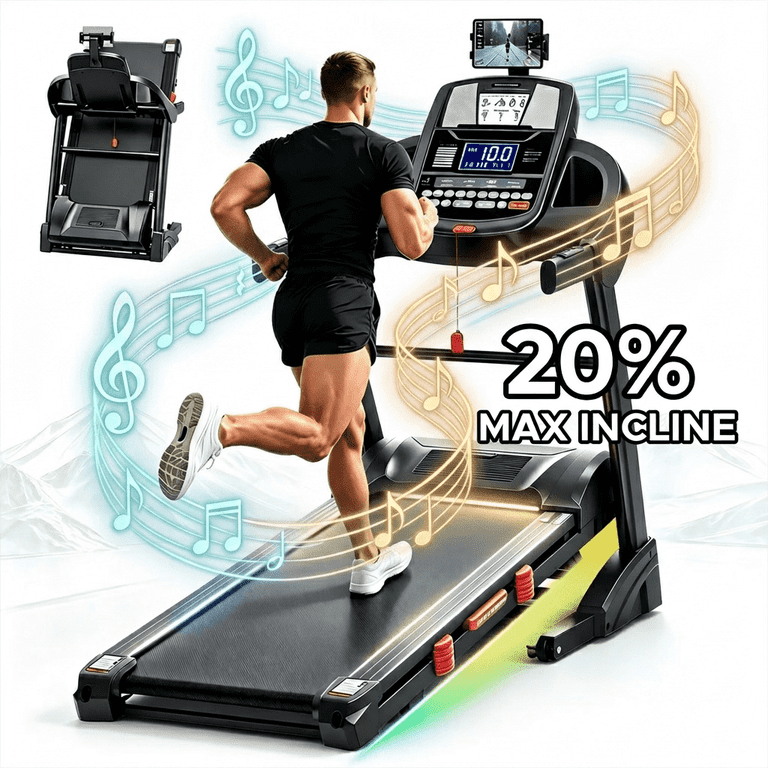
What Is the Width of a Treadmill Belt?
A treadmill belt is usually 16 to 22 inches wide. Most walking treadmills use a belt between 16 and 18 inches wide, while running treadmills often use a belt between 18 and 22 inches wide.
Your ideal belt width depends on how you move:
• 16 inches: Suitable for slow walking, but may feel narrow
• 18 inches: A common size for walking and light jogging
• 20 inches: Comfortable for most runners
• 22 inches: Helpful for larger users, faster running, or extra stability
The belt width is not the same as the total treadmill width. For example, a treadmill may have a 20-inch belt but measure 34 inches across because of the side rails and frame.
When people ask, “how wide is a treadmill,” they often mean the full outside width. When comparing comfort, belt width matters more. When planning a room or doorway, the total machine width matters more.

How Much Space Does a Treadmill Need?
The treadmill itself is only part of the space calculation. You also need room to step on, move around, and safely stop after a workout.
A practical home setup should include:
• At least 2 feet of open space on each side
• About 3 feet of space at the front
• At least 6 feet of clear space behind the treadmill
• Enough ceiling height for your head and the raised deck
Manufacturers may provide different clearance instructions. Follow the manual for your exact model, especially the space behind the machine. A treadmill user can fall backward, so the rear area should not contain a wall, table, glass door, or sharp furniture.
For example, a 34-inch-wide treadmill may need about 82 inches of total side-to-side room when you allow 24 inches on both sides. That is wider than many people expect.
A treadmill should not sit so close to a wall that you must squeeze past it. Think of the machine as the center of a small safety zone, not as a piece of furniture pushed into a corner.
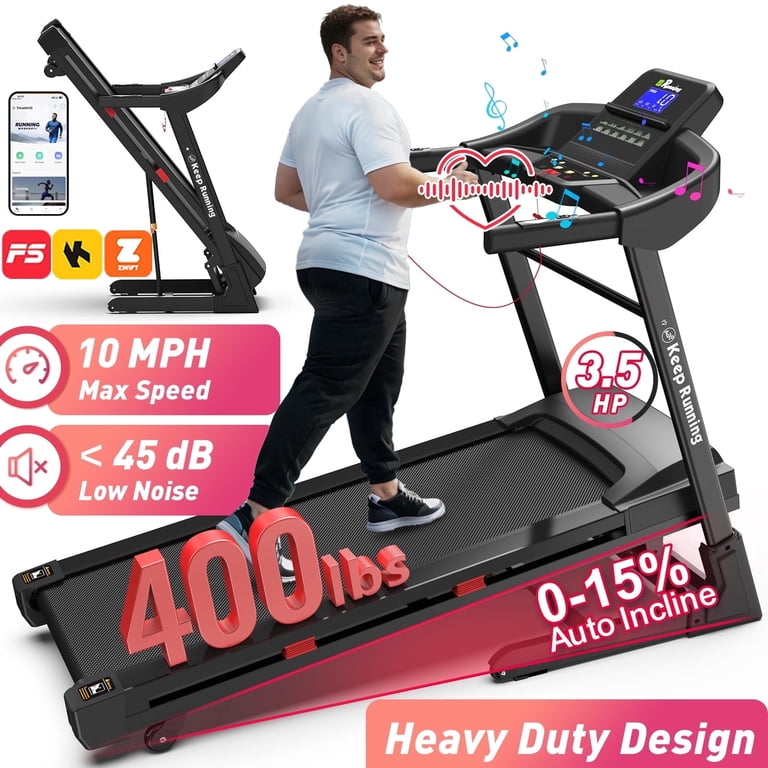
Will a Treadmill Fit Through a Door?
Many treadmills fit through a standard 30 or 32-inch doorway, but the answer depends on the treadmill’s narrowest position and whether you can remove parts.
A treadmill listed as 31 inches wide may not pass through a doorway if the handrails or console are wider. Packaging can also add several inches to the width. Measure both the machine and the shipping box.
Use this process before delivery:
-
Measure the clear width of every doorway.
-
Measure hallways, stair openings, and sharp turns.
-
Check the treadmill’s boxed dimensions.
-
Ask whether the console, rails, or uprights can be removed.
-
Measure the height and width of the elevator if one is needed.
-
Protect walls and floors during the move.
One mistake I often see is measuring the front door but not the hallway turn. A treadmill may enter the home easily and then become stuck at a tight corner. Measure the full route, not just the first doorway.

How to Measure a Treadmill Correctly
Product listings can use different measurement terms. A careful measurement prevents surprises.
Measure the Full Width
Measure from the farthest point on the left side to the farthest point on the right side. Include side rails, handrail ends, adjustment knobs, and any part that sticks out.
Do not measure only the belt. The belt gives you useful comfort information, but it does not tell you how much floor space the treadmill needs.
Measure the Folded Width
Some folding treadmills become shorter when folded, but most do not become much narrower. The side rails and frame usually remain the same width.
Check the folded dimensions if you plan to store the treadmill near a wall or in a closet. Also confirm that the folded unit can stand safely without blocking a walkway.
Measure the Box
The boxed treadmill may be wider, taller, and heavier than the assembled treadmill. Delivery workers need enough space to carry it through doors and around corners.
Keep the packaging measurements until the machine is inside your home. They can help you plan the safest delivery route.
Check the Manufacturer’s Manual
The manual is the most reliable source for exact measurements and safety clearance. Online retailers sometimes round dimensions or copy incomplete data.
For accuracy, compare the product page, owner’s manual, and specification label. If the numbers differ, use the largest measurement.

Why Treadmill Width Matters
Treadmill width affects comfort, safety, stability, delivery, and long-term use. A machine that fits your room may still feel uncomfortable if the belt is too narrow.
A wider treadmill can provide:
• More room to correct your stride
• Better comfort during running
• Easier use for taller or larger people
• Wider side rails for stepping off
• A more stable feel at higher speeds
A narrow treadmill can provide:
• Easier delivery
• Better use of small rooms
• Easier storage
• A lower purchase price in some cases
Width is not the only quality factor. Motor power, belt length, cushioning, user weight rating, incline range, and warranty also matter.
A wide treadmill with a short belt may not work well for a tall runner. Likewise, a narrow treadmill with a long belt may fit the room but feel less stable. Look at the complete design rather than one number.
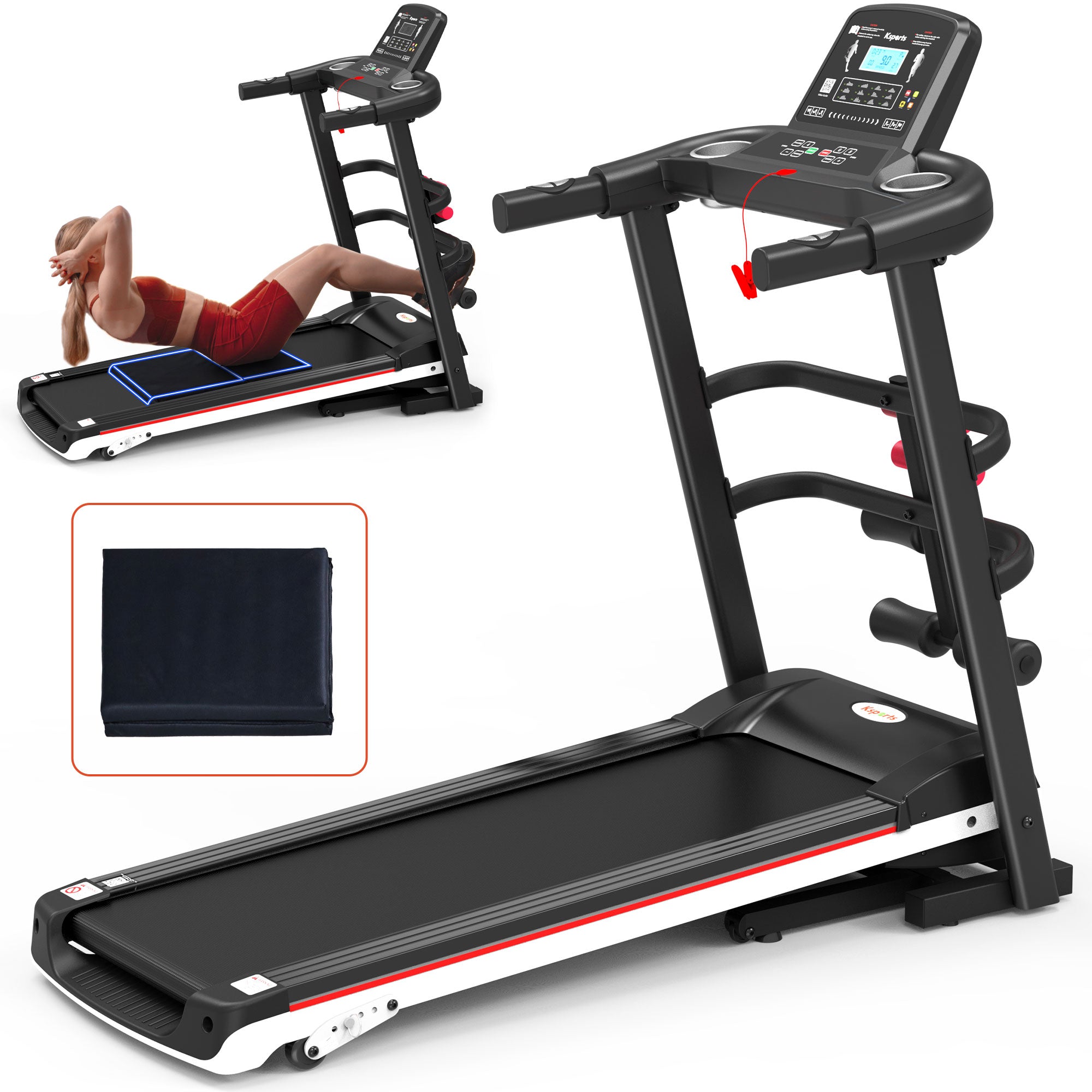
Choosing the Right Treadmill Width
Start with your workout style and available space. Do not choose a treadmill based on width alone.
For Walking
A belt 16 to 18 inches wide may be enough for relaxed walking. If you have balance concerns, prefer a wider belt with strong side rails.
A full treadmill width of 27 to 32 inches often works well in a small room.
For Jogging
Jogging usually feels better on an 18 to 20 inch belt. A total machine width of about 30 to 35 inches gives you more room and often provides better frame stability.
For Running
Most runners should consider a belt at least 20 inches wide. A wider treadmill may feel more natural during speed changes, interval training, and long runs.
Tall runners should also check belt length. A 22-inch-wide treadmill with a short belt may still limit your stride.
For Shared Use
If several people will use the machine, choose the size that suits the largest and most active user. A wider frame and belt can make the treadmill more comfortable for everyone.
For a shared family treadmill, a 20-inch belt and a total width of roughly 32 to 38 inches may offer a useful balance.

Small Room Treadmill Ideas
A small room does not rule out treadmill ownership. It simply requires better planning.
Try these ideas:
• Place the treadmill along the longest wall.
• Leave the recommended rear clearance.
• Use a folding model only if you can fold and move it safely.
• Choose a treadmill with transport wheels.
• Keep power cords away from walking paths.
• Use a floor mat to protect the surface and reduce vibration.
• Avoid placing the treadmill beside a glass table or hard-edged furniture.
A treadmill mat can also reduce noise for people below you in an apartment. It will not make a loud motor silent, but it can reduce vibration and protect carpet or hard floors.
Before buying, mark the planned treadmill width on the floor with painter’s tape. Walk around the outline. This simple test often reveals that a space feels smaller than it looked on paper.

Common Treadmill Width Mistakes
Many buying problems come from small measurement errors.
Measuring Only the Belt
The belt may be 18 inches wide, but the complete treadmill may be 34 inches wide. Always use the full outside measurement for room planning.
Ignoring the Console
Some consoles extend beyond the frame. Check the widest point at the top, middle, and base of the treadmill.
Forgetting Side Clearance
A treadmill may technically fit between two walls, but you still need room to step off and clean around it. Tight placement can make maintenance and emergency movement harder.
Trusting Rounded Measurements
A product listed as 30 inches wide might measure 30.5 or 31 inches in real life. Allow a small margin when measuring doors and hallways.
Choosing a Narrow Belt for Running
A narrow belt may save space, but running requires more control than walking. If your foot lands near the edge, the workout can feel stressful instead of smooth.
Expert and Safety Considerations
Treadmill measurements should be checked against the manufacturer’s safety instructions and recognized fitness equipment standards. Safety guidance commonly emphasizes clear space around the unit, secure handrails, a stable floor, and a working emergency stop feature.
The exact clearance can vary by brand and model. Some manufacturers recommend more space behind the treadmill than the general minimum. The owner’s manual should always take priority.
Also check the user weight limit. A treadmill that is wide and heavy may still be unsuitable if its frame, motor, or deck rating does not match the user. A higher weight rating often signals a stronger build, but it does not replace checking the actual specifications.
If you have balance, joint, or heart concerns, speak with a qualified health professional before starting a new exercise program. Stop exercising if you feel chest pain, severe shortness of breath, dizziness, or unusual weakness.
Frequently Asked Questions About How Wide Is a Treadmill
How wide is a standard home treadmill?
A standard home treadmill is usually 30 to 36 inches wide, including the side rails and frame. The running belt itself often measures 18 to 20 inches wide.
How wide is a treadmill when folded?
Most folding treadmills remain about the same width when folded. Folding usually reduces the length, not the distance from one side rail to the other.
Will a 30-inch treadmill fit through a 30-inch door?
It may not fit because the listed width may be rounded and the doorway’s clear opening may be smaller than 30 inches. Measure the actual door opening and the treadmill’s widest point before delivery.
What treadmill belt width is best for running?
A belt at least 20 inches wide is a comfortable choice for many runners. Users who run fast, have a wide stride, or want extra stability may prefer a 22-inch belt.
How wide is a walking pad?
Most walking pads are about 20 to 28 inches wide. Their belts are often 16 to 18 inches wide, so they save space but may feel less comfortable for jogging.
How much room should be left beside a treadmill?
A practical setup leaves about 2 feet of open space on each side, unless the manufacturer requires more. This space makes it easier to step off, clean, and handle an emergency.
Conclusion
Most home treadmills are 28 to 36 inches wide, but compact walking pads can be narrower and commercial models can be wider. The full treadmill width includes the frame, side rails, and console, while belt width tells you more about workout comfort.
Measure the machine, box, doorways, hallway turns, and safety zone before you buy. If you plan to run, give priority to a belt around 20 inches wide or more. Mark the treadmill’s footprint on your floor, compare it with the manufacturer’s manual, and choose a size that fits both your room and your stride. Explore more home fitness guides, and share your treadmill measurement or setup experience in the comments.

Brandon Knoxley is a sport & fitness writer and training guide contributor at MySportFitHub. He focuses on practical workouts, performance-based training, and honest fitness gear insights designed for real people and real results. Brandon is passionate about helping beginners and active individuals train smarter, avoid common mistakes, and build sustainable fitness habits.
