What Is Inclination In Treadmill: Benefits And Uses
Treadmill inclination is the angle that raises the walking belt to simulate uphill movement.
If you have ever wondered what is inclination in treadmill settings, think of it as an indoor hill. Raising the belt changes how your body moves, increases muscle demand, and can make a short workout feel much harder. This guide explains treadmill incline levels, benefits, safety tips, workout examples, and common mistakes so you can use the feature with confidence.
What Is Inclination in a Treadmill?
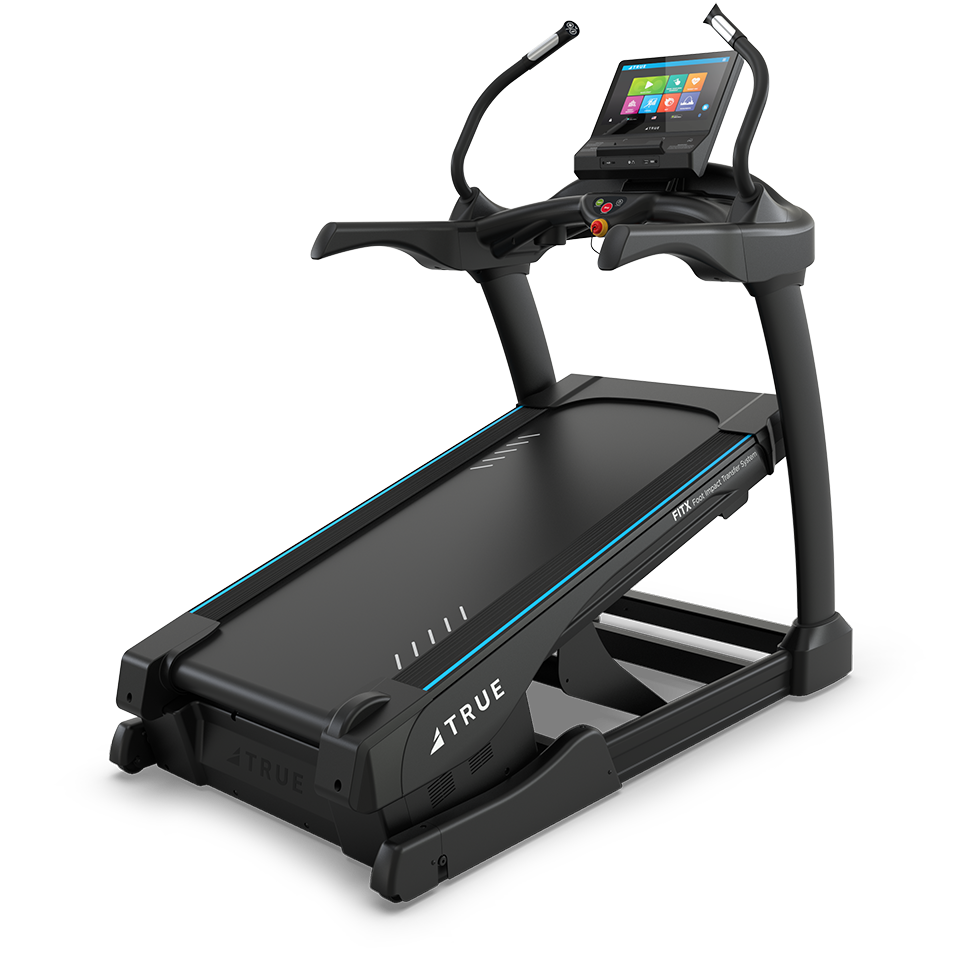
Treadmill inclination is the upward angle of the running belt. It is also called treadmill incline or gradient. When you increase the inclination, the front of the belt rises above the rear.
A flat treadmill usually shows an inclination of 0%. This setting feels similar to walking or running on level ground. An incline of 5% means the treadmill rises 5 feet for every 100 feet of horizontal distance.
Inclination does not mean the same thing as speed. Speed controls how fast the belt moves. Inclination controls how steep the surface feels. You can use one setting alone or combine both.
For example:
• 0% incline at 3 mph feels like level walking.
• 5% incline at 3 mph feels like walking uphill.
• 10% incline at 3 mph creates a much greater challenge for your legs and heart.
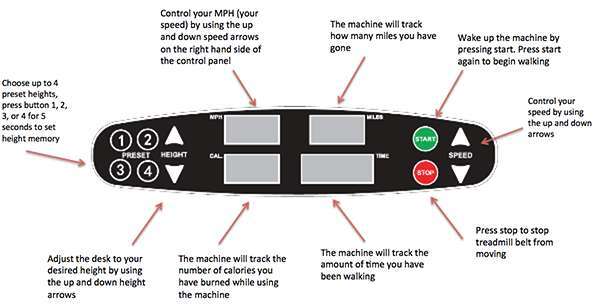
Some treadmills display incline as a percentage, while others may show a level such as 1, 2, or 10. Check your treadmill manual because the meaning of each level can vary by model.
How Does Treadmill Incline Work?
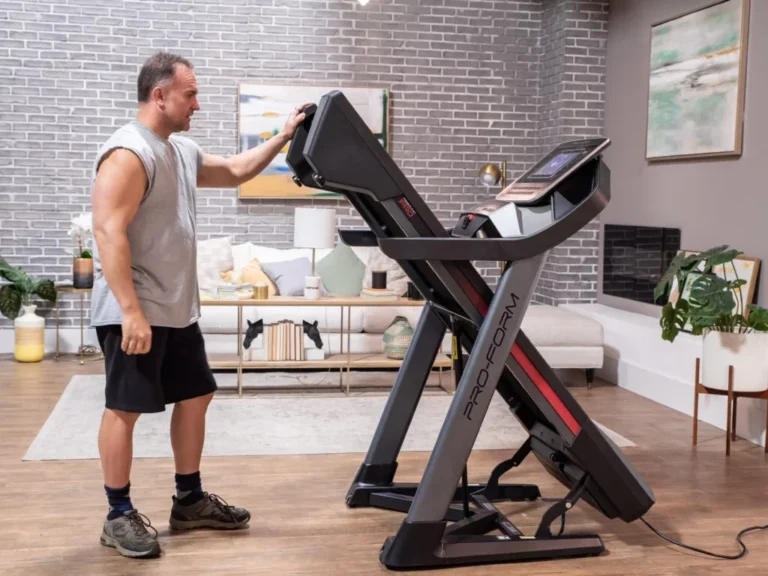
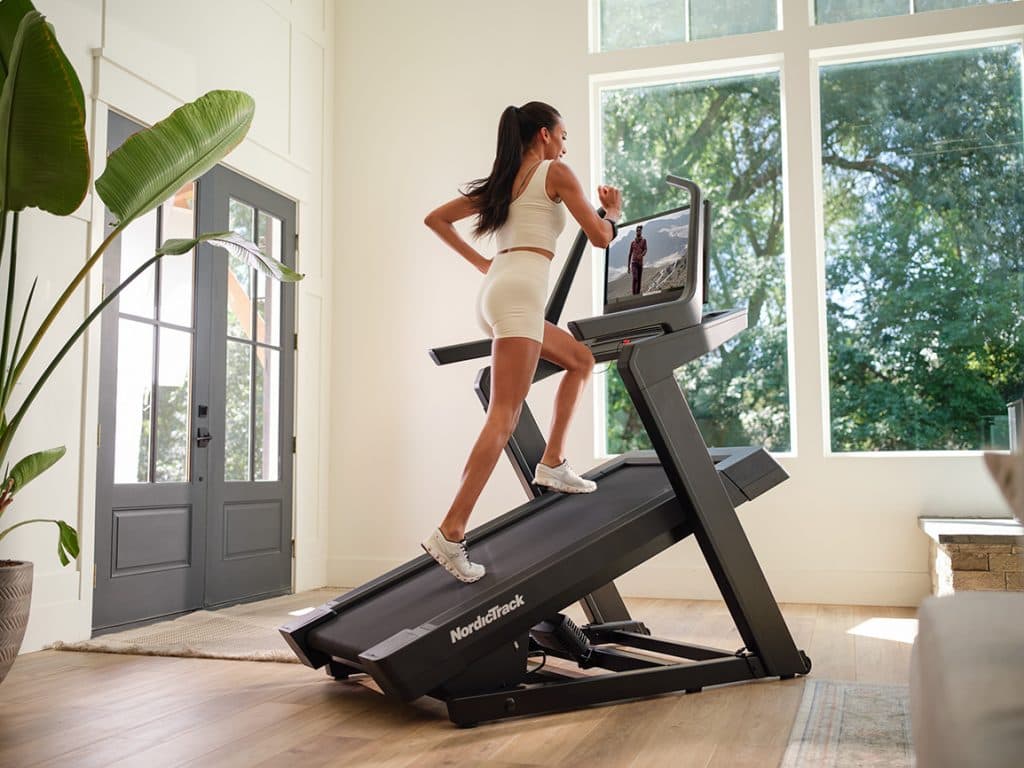
A treadmill uses a motor and lifting system to raise the front end of the deck. As the deck rises, your body must push upward as well as forward. This changes the force placed on your muscles.
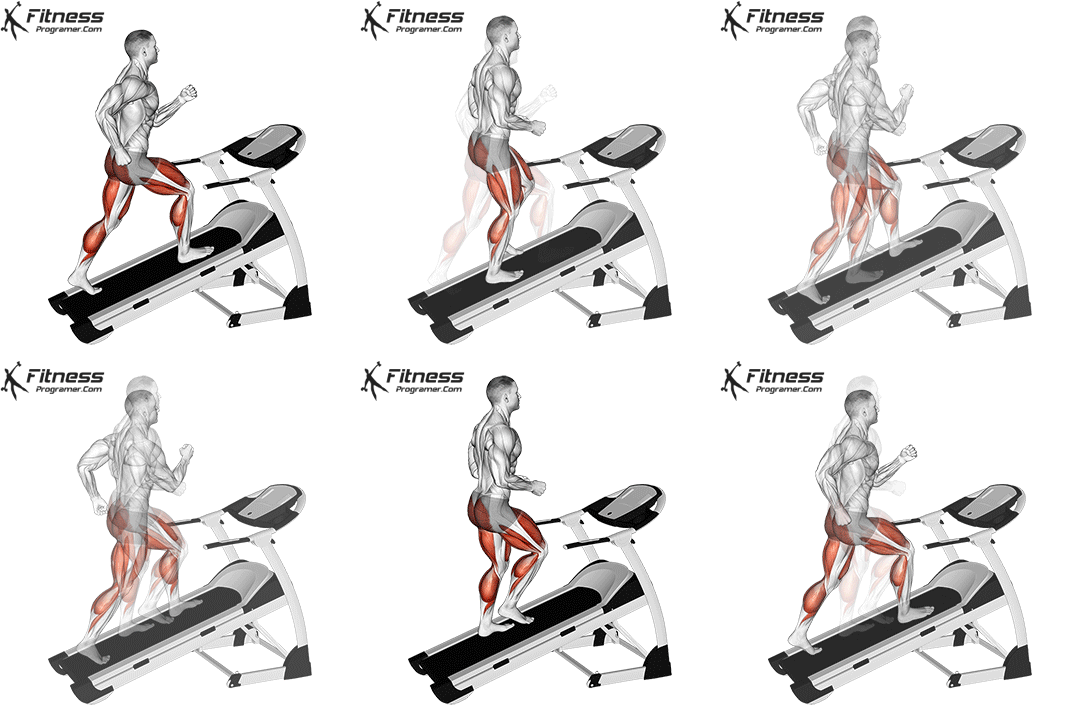
On a flat treadmill, your main task is to move forward. With incline, you also need to overcome gravity. Your calves, hamstrings, glutes, and other leg muscles work harder to lift your body with each step.
Incline walking can also increase your heart rate. The American College of Sports Medicine recognizes uphill walking as a way to raise exercise intensity without always increasing speed. This can help people who want a harder workout but do not feel comfortable running fast.
Your effort depends on several factors:
• Incline percentage
• Walking or running speed
• Workout duration
• Body weight
• Fitness level
• Treadmill design
A 10% incline at a slow pace may be manageable for one person but very hard for another. The number alone does not tell the full story. Your breathing, posture, and ability to speak are useful signs of intensity.
What Do the Incline Numbers Mean?
Treadmill incline numbers show how steep the belt is compared with level ground. They usually appear as a percentage.
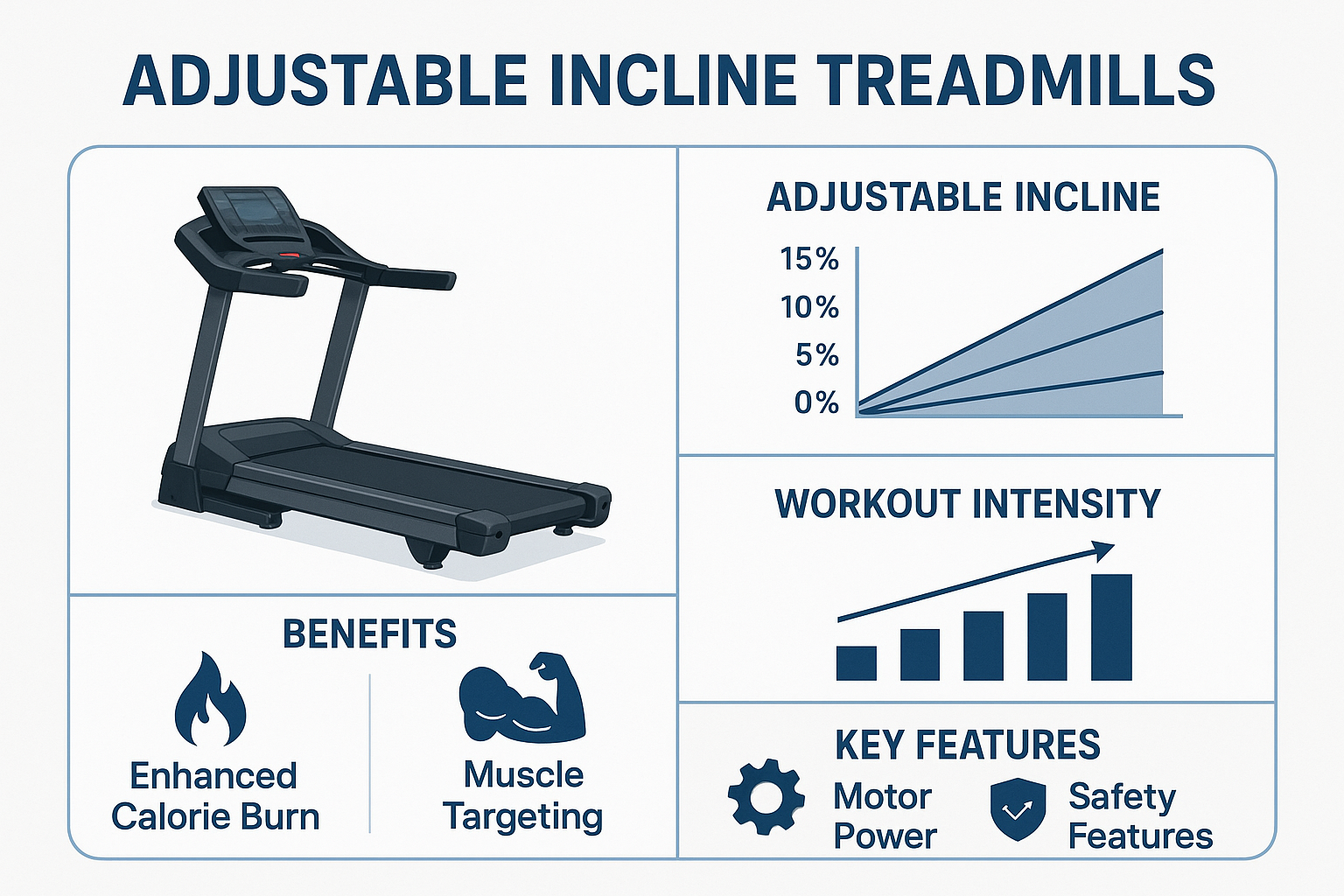
A 1% incline raises the deck slightly. A 10% incline creates a noticeable hill. Some commercial treadmills reach 12%, 15%, or more, while specialized models may go much higher.
Here is a simple guide:
• 0%: Flat surface with no incline
• 1% to 3%: Mild uphill effort
• 4% to 6%: Moderate incline walking or running
• 7% to 10%: Challenging hill work
• 11% to 15%: Very steep effort for many users
These ranges are general. A treadmill’s calibration may not be perfect, and different machines can feel slightly different. A worn belt, poor maintenance, or a short deck may also affect how the workout feels.
It is helpful to think of incline as a difficulty tool, not a score. You do not need to reach the highest number to get a useful workout. A steady 3% incline may be more valuable than a painful 12% incline that causes poor form.

Benefits of Using Inclination on a Treadmill
Incline training can add variety and purpose to a treadmill workout. It is useful for walkers, runners, athletes, and people who want to improve general fitness.
It increases workout intensity
Incline walking makes your muscles work harder while the belt speed stays the same. This can raise your heart rate and breathing rate without forcing you to walk or run faster.
That is helpful if fast speeds feel uncomfortable. For example, a person may prefer walking at 3.2 mph with a 5% incline rather than walking at 4 mph on a flat belt.
It strengthens the lower body
Incline work places more demand on the glutes, hamstrings, and calves. It also requires steady work from the quadriceps and muscles around the hips.
It is not a replacement for strength training. However, regular uphill walking can support lower-body endurance. It may also help prepare hikers, soccer players, and runners for hills outdoors.
It can support calorie use
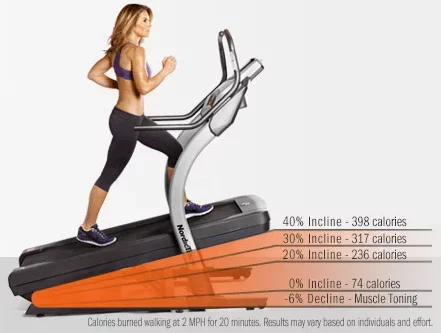
A higher incline often requires more energy than level walking at the same speed. The exact calorie difference depends on body weight, fitness, speed, incline, and workout time.
Treadmill calorie displays are estimates. They may not account for your full body details, and holding the handrails can make the estimate less useful. Use the display as a rough guide rather than a precise measurement.
It improves hill fitness
Incline treadmill workouts allow you to practice hills in a controlled setting. You can select a steady grade or create repeated uphill intervals.
This is useful before a hiking trip or a race with hills. It also lets you train when weather, traffic, or outdoor terrain makes a workout difficult.
It adds variety
Doing the same flat walk each time can become dull. Changing the incline gives your body and mind a new challenge.
Even small changes can help. Try 0% for five minutes, 3% for five minutes, and 5% for two minutes. Then repeat the pattern at a comfortable speed.

Does Incline Walking Burn More Calories?
Incline walking can burn more calories than flat walking at the same speed because your body must work against gravity. The increase may be meaningful, but it is not identical for everyone.
A widely used exercise equation from the American College of Sports Medicine estimates the energy cost of walking and running based on speed and grade. The formula shows that both speed and incline affect oxygen demand.
Still, calorie numbers should not become the only goal. Incline training can improve fitness even when the treadmill display is not exact. Heart rate, breathing, workout duration, and long-term progress are better measures of success.
A practical approach is to use incline to make your workout feel moderately hard. The Centers for Disease Control and Prevention suggests moderate activity should make you breathe faster while still allowing you to talk, though not sing comfortably.
If you cannot speak more than a few words, lower the speed or incline. If the workout feels very easy, add a small amount of incline rather than making a large jump.
Incline Walking Versus Running on a Flat Treadmill
Incline walking and flat running can both provide strong cardiovascular workouts, but they place different demands on the body.
Incline walking usually creates less impact than running. This may suit people who are returning to exercise, managing joint concerns, or building basic fitness. However, steep incline walking can still stress the calves, Achilles tendons, knees, and lower back.
Flat running creates more impact and requires faster leg turnover. It may be better for people training specifically for running speed or race performance.
Neither option is automatically better. The right choice depends on your goal, experience, health, and comfort.
For general fitness, you can use both:
• Walk at a moderate incline for muscular endurance.
• Run at a flat or mild incline for speed practice.
• Use short incline intervals to improve strength and breathing.
• Add rest periods so your form stays controlled.
In my experience with treadmill workout planning, people often make the mistake of comparing incline walking with running only by speed. That misses the point. A slow uphill walk can be a demanding workout when the grade is high enough.
How to Use Treadmill Inclination Safely
Start with a warm-up at 0% to 1% incline. Walk slowly for five to ten minutes. This gives your joints, muscles, and cardiovascular system time to prepare.
Increase the incline in small steps. A change of 1% or 2% is often enough to notice a difference. Give your body time to adjust before adding more.
Use these safety tips:
• Keep your chest tall and your eyes forward.
• Take shorter steps as the incline increases.
• Push through the whole foot instead of walking only on your toes.
• Let your arms swing naturally.
• Avoid leaning far forward from the waist.
• Reduce the incline if your lower back starts to arch or hurt.
• Stop if you feel chest pain, severe dizziness, or unusual shortness of breath.
People with heart disease, uncontrolled high blood pressure, major joint pain, or other health conditions should ask a health professional before starting hard incline workouts. If you are pregnant, recovering from an injury, or taking medicine that affects heart rate, personalized advice is also wise.
One important lesson is to avoid holding the front or side rails. Rail support reduces the load on your legs and may change your posture. If you need the rails for balance, lower the incline and speed until you can walk safely without pulling on them.
Beginner Treadmill Incline Workout
A beginner does not need a steep hill. The goal is to learn how the body responds to incline while keeping good form.
Try this 25-minute workout:
-
Warm up at 0% to 1% incline for 5 minutes.
-
Walk at 2% incline for 4 minutes.
-
Walk at 4% incline for 3 minutes.
-
Return to 1% incline for 3 minutes.
-
Repeat the 2% and 4% blocks two more times.
-
Cool down at 0% to 1% incline for 5 minutes.
Use a pace that allows you to speak in short sentences. If your calves feel tight or your breathing becomes too hard, reduce the grade.
Do this workout once or twice per week at first. Leave at least one day between challenging incline sessions. Your muscles may need more recovery than expected, especially if you are new to uphill movement.
Treadmill Incline Workouts for Different Goals
Your incline plan should match your purpose. A person training for a hiking trip needs a different session from someone preparing for a flat 5K race.
For fat loss and general fitness
Use moderate incline intervals for 20 to 40 minutes. Keep the speed comfortable and focus on consistency.
Example:
• 5 minutes at 0% to 1%
• 5 minutes at 3%
• 3 minutes at 5%
• 5 minutes at 2%
• Repeat the pattern
• Cool down for 5 minutes
For hill strength
Use short, harder intervals. Walk or run uphill for 30 to 90 seconds, then recover at a low incline.
Example:
• Warm up for 10 minutes.
• Use 6% to 10% incline for 60 seconds.
• Recover at 1% incline for 2 minutes.
• Repeat 6 times.
• Cool down for 5 to 10 minutes.
For race preparation
Match the incline to your event. If your race has rolling hills, use small changes in grade. If it is mostly flat, spend most of your time at 0% to 1%.
Do not make every workout hard. Easy flat sessions help you recover and build total training volume.
Common Treadmill Incline Mistakes
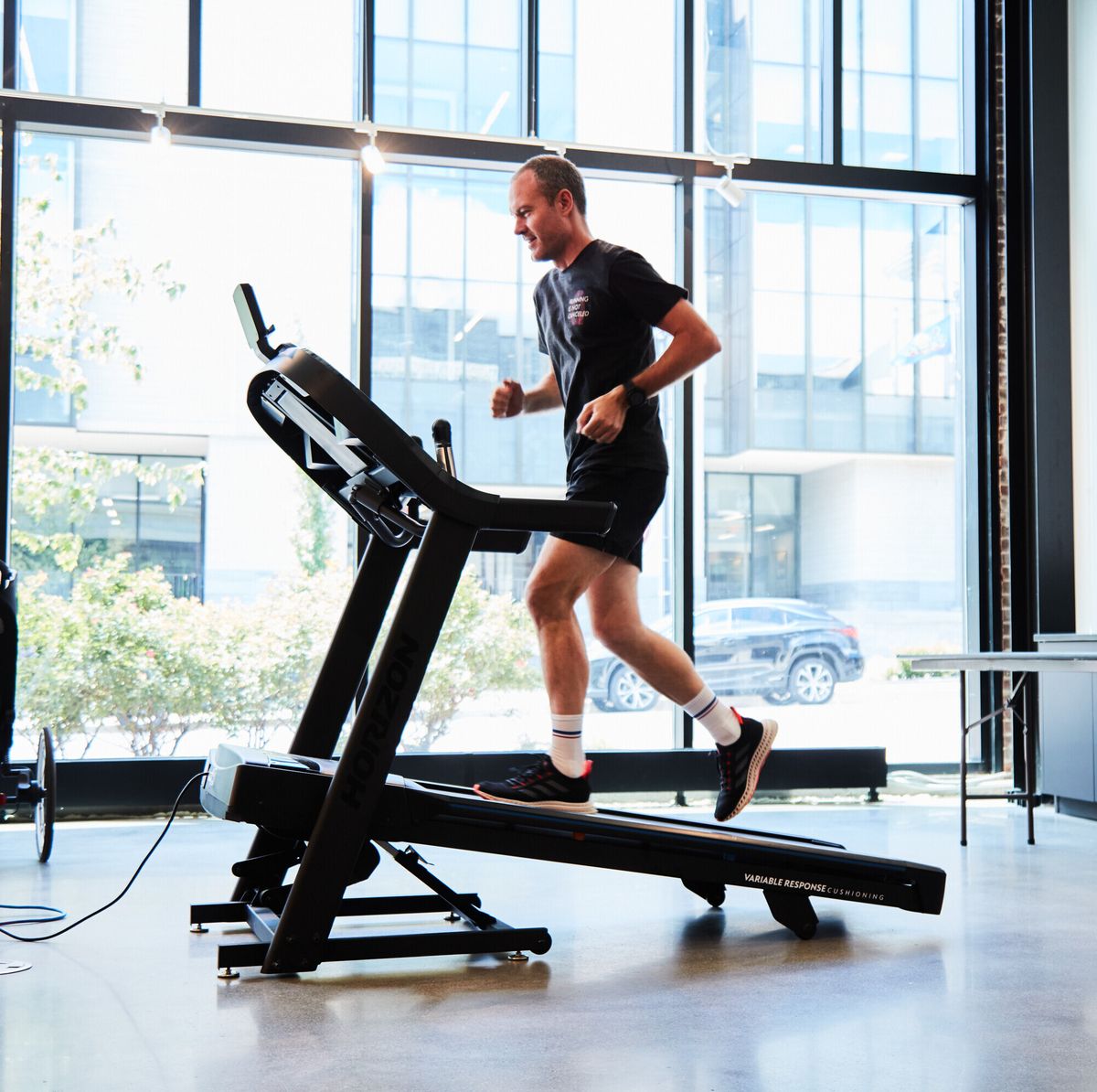
The most common mistake is setting the incline too high too soon. A steep grade can make you lean heavily on the rails, shorten your stride, and strain your calves.
Another mistake is chasing a calorie number. A treadmill may show a high calorie estimate, but poor posture can reduce the quality of the workout and increase injury risk.
Avoid these errors:
• Jumping from 0% to 12% without a gradual warm-up
• Using a steep incline every day
• Leaning back while holding the rails
• Taking very long steps uphill
• Ignoring pain in the Achilles tendon or knees
• Increasing speed and incline at the same time
• Skipping recovery after hard hill sessions
A simple progression works well. First add a few minutes at a mild incline. Later, increase the grade by 1%. Only change one main factor at a time so you know how your body responds.
Treadmill Incline and Outdoor Walking
A treadmill does not perfectly copy outdoor walking. Outdoors, you face wind, uneven ground, turns, and natural changes in pace. A treadmill belt moves beneath you, which can make the effort feel different.
A 1% incline has often been used as a rough way to make treadmill running feel closer to outdoor running at certain speeds. However, the best incline depends on speed, weather, treadmill type, and personal fitness.
For walking, you usually do not need to force a 1% incline to imitate the outdoors. Use 0% when you want a flat indoor walk. Add incline when you want a hill workout.
This distinction matters because treadmill inclination is not simply an outdoor simulation setting. It is a training tool that lets you control the challenge.
How to Choose the Right Incline
The right incline lets you work hard while keeping control. You should be able to maintain a stable step pattern and avoid gripping the rails.
Use these signs:
• Easy effort: You can speak in full sentences with little strain.
• Moderate effort: You can speak in short sentences but feel clearly challenged.
• Hard effort: You can say only a few words and need recovery soon.
For most general workouts, moderate effort is enough. Beginners may start at 1% to 3%. Experienced walkers may use 4% to 8%. Very steep grades should be used with care and usually for short periods.
Keep a simple workout record. Write down your speed, incline, time, and how the session felt. This helps you notice progress without relying only on treadmill calorie data.
Frequently Asked Questions About What Is Inclination in Treadmill
What does inclination mean on a treadmill?
Inclination means the angle or grade of the treadmill belt. A higher inclination raises the front of the belt and simulates walking or running uphill.
What is a good incline for walking on a treadmill?
A good incline depends on your fitness and goal. Beginners can try 1% to 3%, while trained users may use 4% to 8% for a stronger hill workout.
Does treadmill incline burn more calories?
Yes, incline walking usually requires more energy than walking at the same speed on a flat belt. The exact amount varies by body weight, speed, grade, fitness, and workout time.
Is a 10% incline on a treadmill hard?
A 10% incline is challenging for many people, especially when held for several minutes. Start with short intervals and lower the grade if you need to hold the rails or lose good posture.
Is incline walking better than running?
Neither is always better. Incline walking can provide a hard workout with less impact, while running is useful for speed and race training.
Should I hold the treadmill handrails during incline walking?
Try not to hold the rails during normal exercise because they reduce the work done by your legs and can affect posture. If you need support, lower the speed or incline and focus on balance.
Conclusion
Treadmill inclination is the setting that raises the belt and creates an uphill effect. It can increase exercise intensity, challenge the glutes and calves, support hill training, and add variety without requiring a faster pace.
Start at a low grade, increase it slowly, and keep your posture tall. Use moderate effort for most workouts, save steep inclines for planned intervals, and listen to signs of pain or excessive fatigue.
Now that you understand what is inclination in treadmill settings, try a simple 1% to 3% incline workout this week. Track how you feel, adjust the grade with care, and explore more treadmill training resources to keep your routine fresh.

Brandon Knoxley is a sport & fitness writer and training guide contributor at MySportFitHub. He focuses on practical workouts, performance-based training, and honest fitness gear insights designed for real people and real results. Brandon is passionate about helping beginners and active individuals train smarter, avoid common mistakes, and build sustainable fitness habits.