What Is The Best Treadmill For Home Use: Top Home Picks
For most homes, the best treadmill is a quiet, sturdy model with smart cushioning and a strong warranty.
Choosing what is the best treadmill for home use depends on more than motor power or a flashy screen. The right machine must fit your room, workout goals, body, budget, and tolerance for noise. After comparing key treadmill features, common user needs, safety guidance, and long-term ownership concerns, this guide will help you choose with confidence.
What Is the Best Treadmill for Home Use?
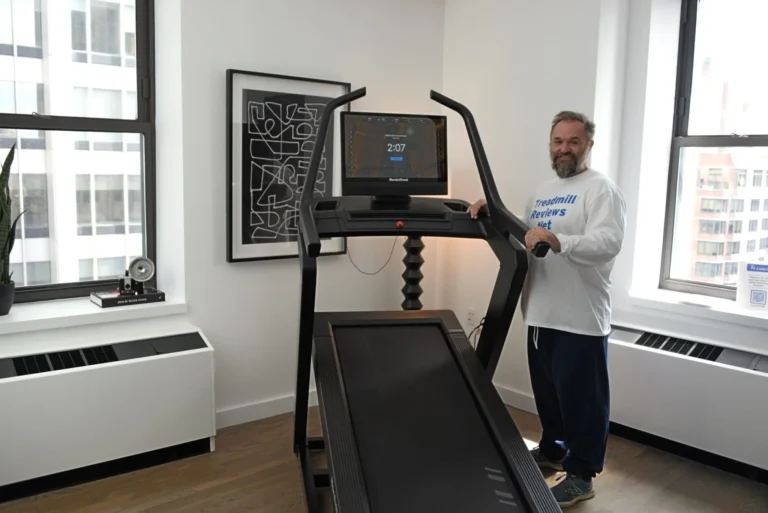
For most people, the NordicTrack Commercial 1750 is one of the best all-around home treadmills. It offers a strong motor, a spacious running deck, incline and decline training, cushioning, workout programs, and a folding design.
However, the best choice changes based on how you exercise.
- The Sole F80 is a strong pick for durability and simple controls.
- The Horizon 7.8 AT suits serious runners who want quick speed changes.
- The WalkingPad models work well for walking and small rooms.
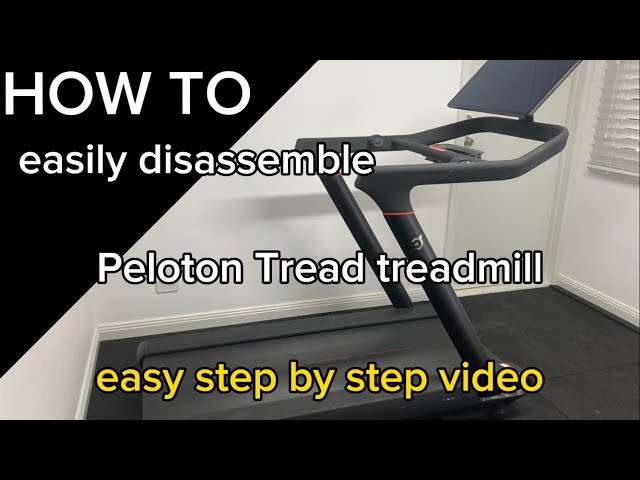
- The Peloton Tread is appealing for people who value live classes and sleek design.
- A basic Horizon or Sunny Health & Fitness model may be enough for light walking.
So, what is the best treadmill for home use? It is the model that matches your actual habits. A powerful treadmill that sits unused is not a good buy. A quieter, simpler machine that you use five days a week is far more valuable.

Best Home Treadmill Picks by User Type
There is no single treadmill that wins for every household. Your ideal machine depends on whether you walk, jog, run, train for races, or need a compact desk treadmill.
Best overall: NordicTrack Commercial 1750
The NordicTrack Commercial 1750 is a well-rounded option for many home users. It commonly includes a large running surface, a powerful motor, incline and decline settings, shock absorption, and a folding frame.
Its strongest feature is workout variety. Guided programs can adjust speed and incline during a session, which helps reduce boredom. The interactive screen and trainer-led classes may also help people stay consistent.
The main drawback is the subscription cost for the full interactive experience. The treadmill can still be used for basic manual workouts, but buyers should understand which features require a membership before purchasing.
Best for durability: Sole F80
The Sole F80 has a reputation for a sturdy frame and simple operation. It is a good option for households that want a dependable treadmill without relying heavily on online classes.
The deck is usually comfortable for walking, jogging, and moderate running. Sole also tends to offer strong warranty coverage on key parts, but exact terms vary by model and seller.
This treadmill can feel large in a small room. Measure your space carefully, including the area behind and beside the machine.
Best for serious runners: Horizon 7.8 AT
The Horizon 7.8 AT is designed for users who care about fast speed changes and responsive controls. Its quick-dial controls make it easier to move from a slow warm-up to sprint intervals without tapping through menus.
This matters during interval training. A delay of several seconds can disrupt a workout, especially when you are switching between hard and easy efforts.
It is not the best fit for someone who wants a small, light treadmill. This is a substantial machine that needs a stable floor and enough room for safe use.
Best for small spaces: WalkingPad
WalkingPad treadmills are made for walking, light jogging, and compact living spaces. Many models fold or slide under furniture, making them useful for apartments, bedrooms, and home offices.
They are usually better for walking than serious running. The shorter deck and lower motor capacity may feel limiting if you have a long stride or want frequent sprint workouts.
A compact treadmill can be the best treadmill for home use when space is your main concern. Just do not expect it to perform like a full-size commercial running machine.
Best for guided classes: Peloton Tread
The Peloton Tread focuses on instructor-led workouts, music, performance data, and a polished user experience. It is a strong choice for people who enjoy structured classes and motivation from a fitness community.
The total cost is higher because the treadmill works best with a paid membership. It also needs a dedicated space and careful attention to safety settings.
If you already enjoy guided fitness classes, the Peloton Tread may keep you more engaged than a basic treadmill. If you prefer to press Start and walk, it may offer more technology than you need.

How to Choose the Best Treadmill for Home Use
Before looking at brands, decide how you will use the treadmill. This single step can prevent most buying mistakes.
Start with your workout goal
Your goal affects the motor, deck size, speed range, and cushioning you need.
- Walking requires less motor power and deck length than running.
- Jogging needs a stable frame and moderate cushioning.
- Distance running requires a spacious deck, strong cooling, and a durable motor.
- Sprint training benefits from fast controls and a high top speed.
- Incline walking requires a motor and frame built to handle extra load.
- Rehabilitation may require low speeds, stable handrails, and gentle cushioning.
For example, a person who walks for 30 minutes each morning does not need the same treadmill as a marathon trainee. Paying for features you never use can make the machine harder to operate and more expensive to maintain.
Check the running surface
Deck size affects comfort and safety. A treadmill with a short belt may force you to shorten your stride or run too close to the front.
For walking, a belt around 20 inches wide and 50 inches long may work for many users. Runners often feel more comfortable with a belt around 20 to 22 inches wide and 55 to 60 inches long.
Tall users and runners with long strides should favor the longer option. If you are unsure, walk and jog on a similar-sized treadmill at a fitness store before ordering.
Evaluate motor power carefully
Manufacturers often list continuous horsepower, peak horsepower, or motor power in different ways. These numbers are not always directly comparable.
Look for continuous-duty motor information when available. A motor designed for steady use is more meaningful than a high peak number that the treadmill cannot maintain.
As a general guide:
- Light walking can work with a modest motor.
- Regular jogging needs a stronger continuous-duty motor.
- Frequent running usually deserves a more powerful motor and better cooling.
- Multiple users require a machine designed for higher daily use.
Your body weight also matters. Heavier users should choose a treadmill with a higher stated weight capacity and a strong frame. Staying well below the maximum rating can improve stability and long-term performance.
Consider speed and incline
Most home treadmills reach speeds between 10 and 12 miles per hour. That is enough for walking, jogging, and many interval workouts.
A top speed of 12 miles per hour is helpful for fast runners, but it is not essential for most households. Incline range is often more useful because incline walking can raise workout intensity without requiring a faster pace.
Some treadmills offer decline training as well. Decline can add variety, but it is not a must-have feature for basic fitness.
Look for useful cushioning
Treadmill cushioning reduces some impact compared with running on concrete. It does not remove impact completely, and it cannot prevent every running injury.
Good cushioning should feel firm and stable, not soft like a mattress. Excessively soft decks may feel comfortable at first but can make your stride feel less natural.
People with joint pain should begin slowly and speak with a qualified health professional if pain continues. A treadmill can support low-impact exercise, but it is not a medical treatment.
Measure the treadmill and the room
A treadmill takes more space than its belt suggests. You need room for the frame, handrails, walking clearance, ventilation, and safe access.
Measure these areas before buying:
- The treadmill’s length and width.
- The ceiling height, especially when using incline.
- The space behind the machine.
- Doorways, stairs, and tight turns.
- Clearance around the sides.
- Storage space if the treadmill folds.
Folding does not mean small. Many folding treadmills still occupy a large footprint when in use.

Important Treadmill Features That Matter
A long feature list can make any treadmill look impressive. The trick is to separate useful features from marketing noise.
Safety features
Safety should come before entertainment. A treadmill should have a magnetic or clip-on safety key that stops the belt if you fall or move too far back.
Look for:
- A visible emergency stop system.
- Stable side rails.
- A wide, non-slip belt.
- A secure folding lock.
- A low starting speed.
- Child safety controls.
- Clear access around the machine.
Keep children and pets away from a running treadmill. The belt can cause serious injuries even at a slow speed.
Noise level
No treadmill is silent. Noise comes from the motor, belt, foot strike, floor vibration, and nearby walls.
A heavy frame often feels more stable and may create less vibration. A rubber equipment mat can reduce floor noise, especially on wood or upper-level floors.
If you live in an apartment, focus on:
- A treadmill with a stable frame.
- A cushioned deck.
- A quiet motor.
- A thick rubber mat.
- Walking or jogging at reasonable hours.
Ask the seller about the machine’s operating noise, but remember that noise ratings may not use a consistent testing method.
Display and controls
A large screen is helpful only if you will use it. Basic controls should be easy to reach while walking or running.
Useful controls include:
- One-touch speed changes.
- One-touch incline changes.
- Pause and stop buttons.
- Workout time and distance.
- Heart rate readings.
- Speed and pace information.
Touchscreens can be enjoyable, but they may become outdated. Physical buttons and dials often remain useful for many years.
Heart rate tracking
Many treadmills include hand sensors. These can provide a rough estimate, but they are not as reliable as a chest strap or quality wearable.
Heart rate data can guide workout intensity, but it should not replace how you feel. If you have a heart condition or take medicine that affects heart rate, ask your health professional how to exercise safely.
Folding design
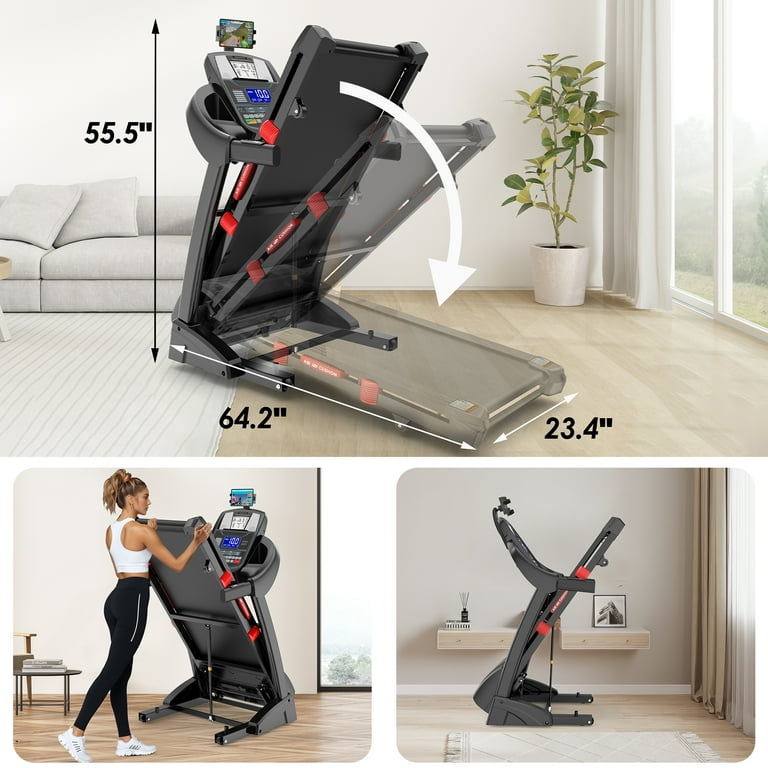
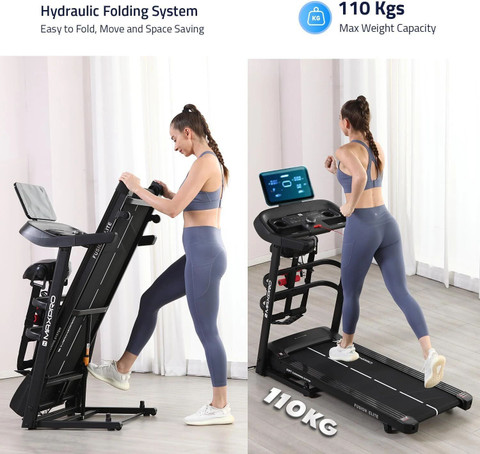
A folding treadmill can save floor space, but it may be heavier and harder to move than expected. Some folding systems use hydraulic assistance, while others require more effort.
Check whether the machine folds vertically or simply lifts the deck. Also verify that the folded height fits your storage area.
A treadmill that is difficult to unfold may become a treadmill you avoid using. Convenience has a direct effect on consistency.
Treadmill Price Guide
The best treadmill for home use does not need to be the most expensive one. It needs to provide enough stability and power for your routine.
Entry-level treadmills
Lower-priced treadmills often suit light walking and occasional jogging. They may have smaller decks, weaker motors, limited cushioning, and shorter warranties.
They can be reasonable for:
- Walking a few times per week.
- Small apartments.
- Short workouts.
- Users with limited budgets.
Avoid entry-level models if several people will run on them every day. The machine may wear out faster under heavy use.
Mid-range treadmills
Mid-range models usually offer better frames, larger decks, improved cushioning, and stronger motors. They often provide the best balance for regular home users.
This price group is suitable for walking, jogging, and moderate running. It is where many buyers find the best mix of comfort, durability, and useful features.
Premium treadmills
Premium treadmills may include stronger construction, better displays, advanced incline systems, guided workouts, and improved warranties.
They make sense for serious runners or households with several users. They are less appealing if you only walk for 20 minutes a few times each week.
Remember to include delivery, assembly, a floor mat, maintenance supplies, and subscription fees in your budget.

Treadmill Maintenance and Ownership Costs
Buying the treadmill is only the first step. Good maintenance protects the belt, deck, motor, and rollers.
Basic maintenance routine
Follow the manual for exact instructions. In general, you should:
- Keep the treadmill clean and free of dust.
- Inspect the belt for fraying or unusual movement.
- Lubricate the belt only when the manufacturer recommends it.
- Keep the machine level.
- Check bolts and frame parts from time to time.
- Place the treadmill on a suitable mat.
- Unplug it during electrical storms or long periods of nonuse.
Do not use random household oil on the belt. The wrong lubricant can damage the belt or deck.
Watch for warning signs
Stop using the treadmill if you notice burning smells, sudden belt slips, loud grinding, electrical sparks, or repeated error messages.
A belt that drifts to one side may need adjustment. A slipping belt may indicate poor tension, wear, or a lubrication issue.
Ignoring small problems can turn a simple repair into an expensive motor or deck replacement.
Warranty and service
A good warranty can reveal how much confidence a company has in its product. Compare coverage for the frame, motor, parts, and labor.
Read the conditions carefully. Some warranties apply only to the original buyer or require home use within a certain daily limit.
Also check whether service is available in your area. A strong warranty is less useful if repairs require shipping a heavy treadmill across the country.
Common Treadmill Buying Mistakes
Many treadmill problems begin before the machine arrives.
Buying by motor number alone
A large motor rating does not guarantee a better treadmill. Frame strength, belt quality, cooling, deck design, and warranty support also matter.
Compare the full machine rather than one number on the product page.
Choosing a belt that is too short
A short belt can feel fine during slow walking but unsafe during jogging. Your stride often becomes longer as speed increases.
If you plan to run, choose a longer deck than you think you need.
Ignoring user weight and daily use
A treadmill used by one light walker has a different workload from a treadmill used by two runners. Select a machine with enough capacity for the heaviest user and expected weekly activity.
Heavy daily use is where cheap construction often shows its limits.
Forgetting delivery and assembly
Treadmills are large, heavy, and awkward. Delivery teams may leave the box at the entrance, and assembly can take longer than expected.
Check delivery terms before purchase. Measure every doorway and turn on the path to the final room.
Paying for features you will not use
Streaming apps, speakers, fans, and virtual trails can be fun. They do not make up for a poor belt, weak frame, or uncomfortable deck.
Spend first on construction and fit. Add entertainment features only after the basics are covered.
How to Use a Treadmill Safely
A treadmill supports fitness, but it demands attention. Start every workout with a slow warm-up and increase speed gradually.
Keep your eyes forward. Do not step on or off while the belt is moving quickly. Use the safety clip, especially during running or interval workouts.
A simple beginner session might look like this:
- Walk slowly for five minutes.
- Increase the pace until you feel warm.
- Walk or jog for 10 to 20 minutes.
- Reduce the speed for a five-minute cool-down.
- Stop the belt before stepping off.
Hold the rails only when needed. Leaning heavily on them can change your posture and reduce the training effect.
If you feel chest pain, severe shortness of breath, faintness, or unusual pain, stop and seek medical advice. Consistency matters, but safety matters more.

Treadmill Workouts for Home Users
A treadmill can support more than steady walking. Changing speed and incline adds variety without needing extra equipment.
Beginner walking workout
- Five minutes at an easy pace.
- Ten minutes at a comfortable pace.
- Five minutes at an easy pace.
- Optional: add a small incline for one or two minutes.
Incline walking workout
- Warm up for five minutes.
- Walk for three minutes at a low incline.
- Increase the incline for two minutes.
- Repeat four times.
- Cool down for five minutes.
Beginner run and walk workout
- Walk for five minutes.
- Jog for one minute.
- Walk for two minutes.
- Repeat six to eight times.
- Cool down for five minutes.
Keep the effort controlled. You should finish feeling challenged but not destroyed. A workout that leaves you too sore to train again is not always a good workout.

Is a Treadmill Worth It for Home Use?
A treadmill can be worth the cost if it removes barriers to exercise. Bad weather, dark mornings, traffic, and crowded gyms become less important when your workout is a few steps away.
The best treadmill for home use can also help people build a steady walking habit. Walking supports cardiovascular health, daily movement, and weight management when combined with suitable nutrition and overall lifestyle habits.
There are limitations. A treadmill takes up space, needs maintenance, and can become expensive if you buy features you never use. It also does not replace strength training, outdoor movement, or a balanced fitness plan.
Before buying, ask yourself:
- Will I use it at least three times per week?
- Do I have enough room?
- Can my floor support the weight?
- Will the noise disturb others?
- Do I need running performance or only walking?
- Can I afford maintenance and possible membership fees?
If the answers are clear, a home treadmill can be a practical long-term investment.
Frequently Asked Questions About What Is the Best Treadmill for Home Use
What is the best treadmill for home use overall?
The NordicTrack Commercial 1750 is a strong overall choice for many users because it combines a spacious deck, incline features, cushioning, folding storage, and guided workouts. The Sole F80 may be better if you prefer simple controls and a traditional treadmill experience.
What is the best treadmill for home use for walking?
A compact WalkingPad or an entry-level Horizon model can work well for regular walking. Choose a larger, sturdier treadmill if you are heavier, want incline training, or expect several household members to use it.
How much should I spend on a home treadmill?
A reasonable budget depends on use, but regular runners should usually look beyond the cheapest models. Include delivery, assembly, a protective mat, maintenance, and any workout subscription in the total cost.
Is a folding treadmill better for a small home?
A folding treadmill can save floor space when stored, but it may still be large and heavy. Measure the machine both open and folded, and make sure you have enough clearance to use it safely.
How long do home treadmills last?
A quality treadmill can last for many years with proper use and maintenance. Lifespan depends on construction, user weight, workout frequency, cleaning, belt care, and whether the machine is used for walking or high-speed running.
Is treadmill running easier than outdoor running?
Treadmill running can feel easier because the surface is predictable and there is no wind. It can also feel harder because the environment is repetitive and cooling is limited, so use a fan and adjust the incline or speed to match your goals.
What treadmill speed should a beginner use?
Start at a pace that lets you speak in short sentences without gasping. Begin with walking, then add short jogging periods only when you feel stable and comfortable.
Conclusion
The best treadmill for home use is not automatically the fastest, largest, or most expensive model. Choose a machine with the right deck size, motor capacity, cushioning, controls, safety features, warranty, and storage design for your routine.
For many households, the NordicTrack Commercial 1750 offers the best blend of features. The Sole F80 favors durability, the Horizon 7.8 AT supports serious training, and WalkingPad models suit compact spaces. Compare the full ownership cost and measure your room before you buy.
Set a clear workout goal, choose a treadmill that makes exercise easy to start, and build a routine you can maintain. Explore current models carefully, read the warranty terms, and share your treadmill experience in the comments.

Brandon Knoxley is a sport & fitness writer and training guide contributor at MySportFitHub. He focuses on practical workouts, performance-based training, and honest fitness gear insights designed for real people and real results. Brandon is passionate about helping beginners and active individuals train smarter, avoid common mistakes, and build sustainable fitness habits.