What Treadmill Does Orangetheory Use: Woodway Model Guide
Orangetheory Fitness mainly uses Freemotion treadmills, with exact models varying by studio, age, and equipment updates.
If you are wondering what treadmill does Orangetheory use, the most accurate answer is Freemotion. Many studios use Freemotion REFLEX treadmills built for repeated sprint work, steep inclines, and quick speed changes. However, Orangetheory locations are not all equipped at the same time, so the exact model can differ.
This guide explains the machines you may see, how they work, what makes them different from home treadmills, and what to check before buying a similar treadmill. It also covers speed, incline, cushioning, maintenance, and practical tips for making the most of an Orangetheory-style workout.
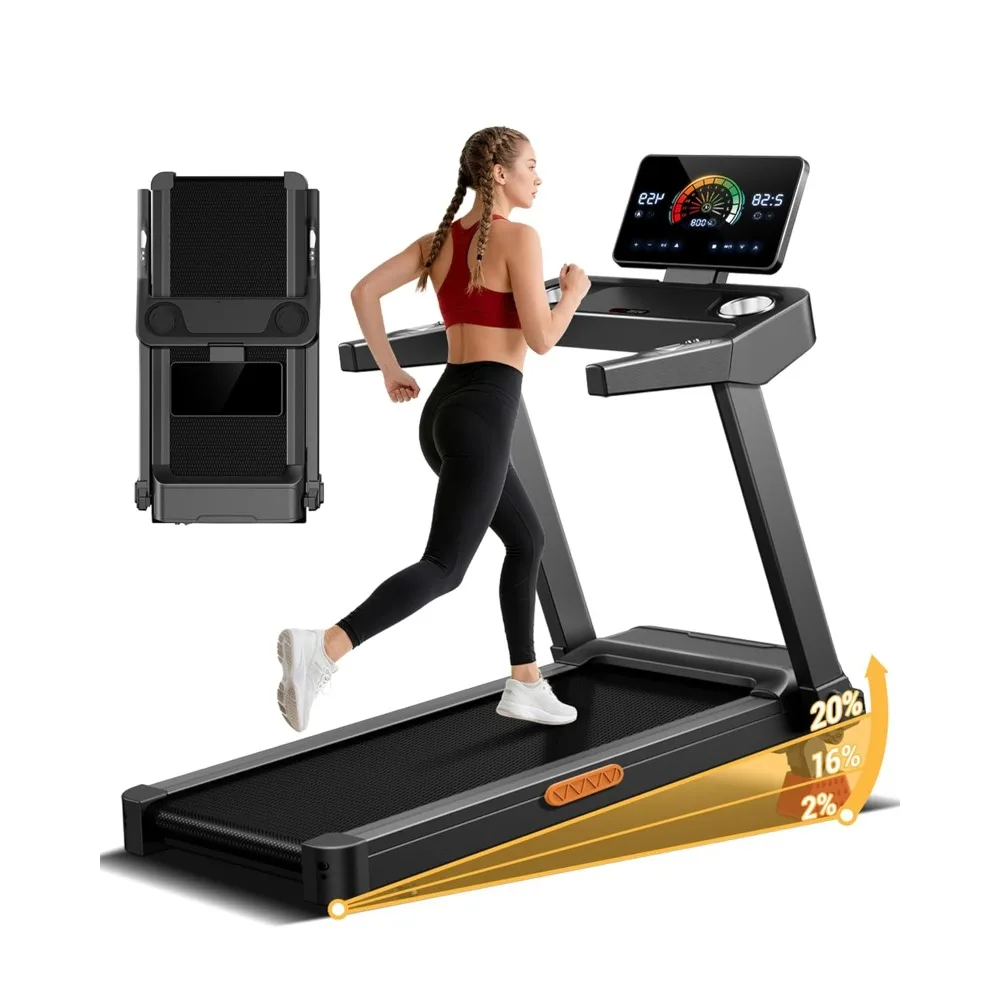
What treadmill does Orangetheory use?
Orangetheory Fitness is best known for using commercial Freemotion treadmills. Freemotion is a fitness equipment brand that makes treadmills for gyms, studios, and high-use training centers.
The most commonly discussed Orangetheory treadmill is the Freemotion REFLEX treadmill. Some studios may use a REFLEX model with a flexible deck, while older or independently updated locations may have another Freemotion model.
The key point is simple:
• Orangetheory does not use one single treadmill model in every studio.
• Freemotion is the main treadmill brand linked with Orangetheory.
• The exact model can depend on the studio’s opening date, renovation history, and equipment replacement cycle.
• Newer machines may look and feel different from older machines.
This is why online photos do not always match what you find at your local studio. A treadmill used in a long-running location may have a different console, belt design, or incline range than one in a newer studio.
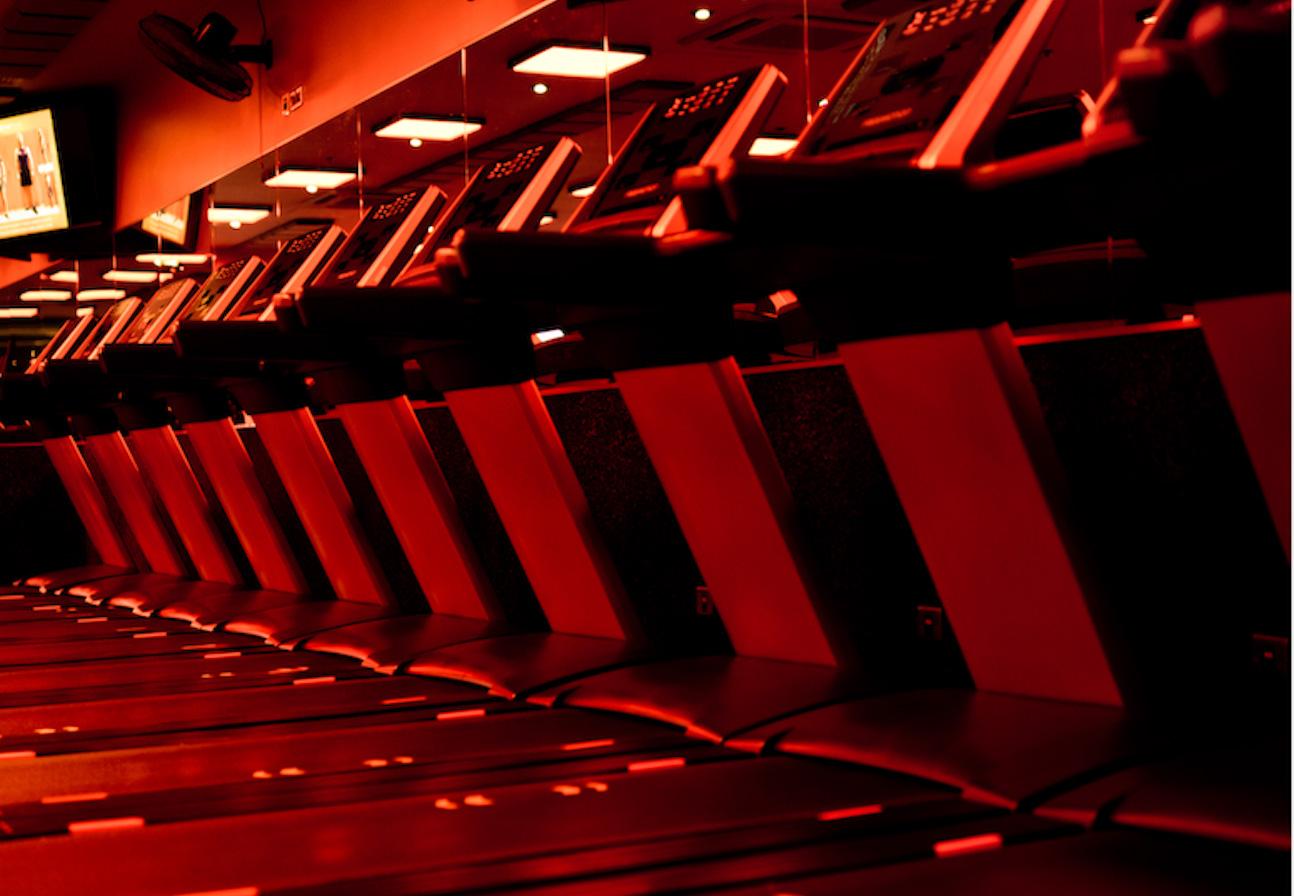
Which Freemotion treadmill does Orangetheory use?
Many Orangetheory members refer to the Freemotion REFLEX treadmill when discussing the equipment used in class. The REFLEX line is designed for group training and repeated use. Its deck is made to feel more forgiving than the rigid deck found on many low-cost home treadmills.
Some machines may be listed as Freemotion REFLEX T11.3 or under a closely related model name. Model numbers can vary by market and production year, so it is wise to confirm the label on the machine rather than rely only on a photo or social media post.
The treadmill usually includes:
• A large running surface suitable for walking, jogging, and running
• Electronic speed controls
• Electronic incline controls
• A commercial-grade motor
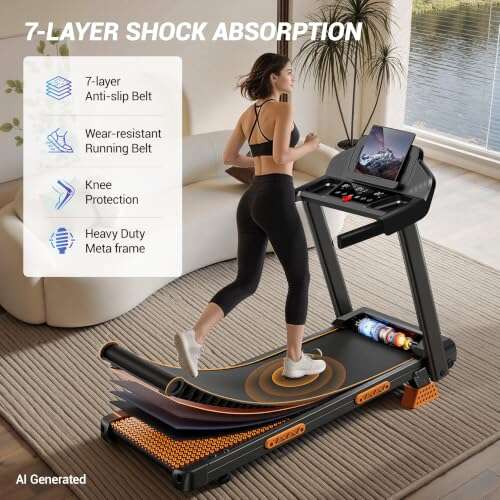
• A shock-reducing or flexible running deck
• Handrails and safety features for studio workouts
• A simple console designed for quick changes during class
The console is not meant to distract you. Orangetheory classes move quickly, so the controls must be easy to reach while you are breathing hard. That simple design is one reason the machines work well in interval training.

Why does Orangetheory use Freemotion treadmills?
Orangetheory needs treadmills that can handle many users every day. A typical class may include repeated changes between walking, jogging, sprinting, and incline work. A home treadmill made for occasional exercise may not cope well with that level of use.
Freemotion treadmills suit Orangetheory for several reasons.
Built for high gym use
Commercial treadmills are made for long operating hours. Their motors, frames, belts, and cooling systems are usually stronger than those found on entry-level home models.
This does not mean the treadmill will never need service. Belts wear, rollers age, and electronics can fail. It does mean the machine is designed for a busier setting.
Quick speed and incline changes
Orangetheory workouts often ask you to move from a base pace to a push pace or all-out effort. The treadmill must respond without a long delay.
Fast controls help members change speed and incline with less effort. That matters when a coach gives a short interval and every second counts.
A more forgiving deck
The Freemotion REFLEX design is known for a deck that feels softer and more responsive than a hard, fixed running platform. This can make repeated running intervals feel less harsh.
Still, cushioning is personal. A soft deck may feel comfortable to one runner and unstable to another. Your shoes, running form, body weight, and past injuries also affect how the treadmill feels.
Easy studio maintenance
A fitness studio needs equipment that staff can inspect and service on a regular schedule. Commercial treadmills often provide access to replacement parts, service support, and diagnostic systems that are harder to find for budget home treadmills.
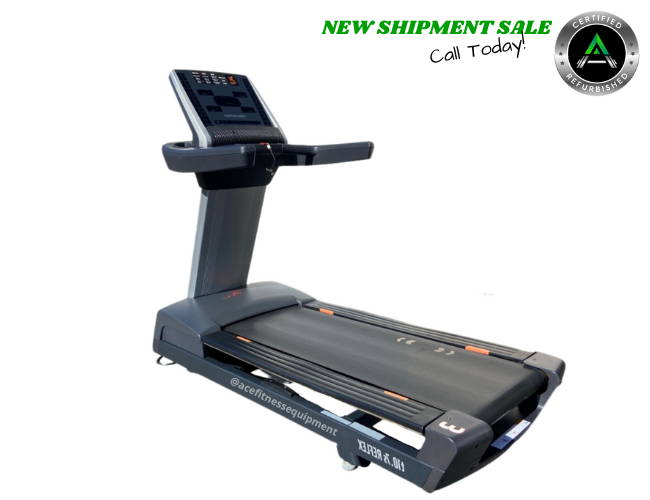
How fast and steep is an Orangetheory treadmill?
The exact maximum speed and incline depend on the Freemotion model in the studio. Many commercial Freemotion treadmills offer a high speed range and a significant incline range, but your local machine may have different limits.
Orangetheory does not require every member to run at the machine’s maximum setting. The workout is based on your personal effort zones.
You may hear these common terms:
• Base pace: A steady effort that you can hold for a longer period.
• Push pace: A challenging effort that raises your breathing rate.
• All-out pace: A short, hard effort close to your personal maximum.
• Walking recovery: A slower pace used to recover between efforts.
These terms are relative. One person’s all-out speed may be another person’s warm-up speed. A safe treadmill workout is based on effort, control, and form rather than copying another member’s numbers.
The incline also changes the workload. Walking at a high incline can feel very demanding, even at a modest speed. If you are new to treadmill training, increase only one factor at a time. Raise speed or incline, but avoid making both changes sharply during the same interval.
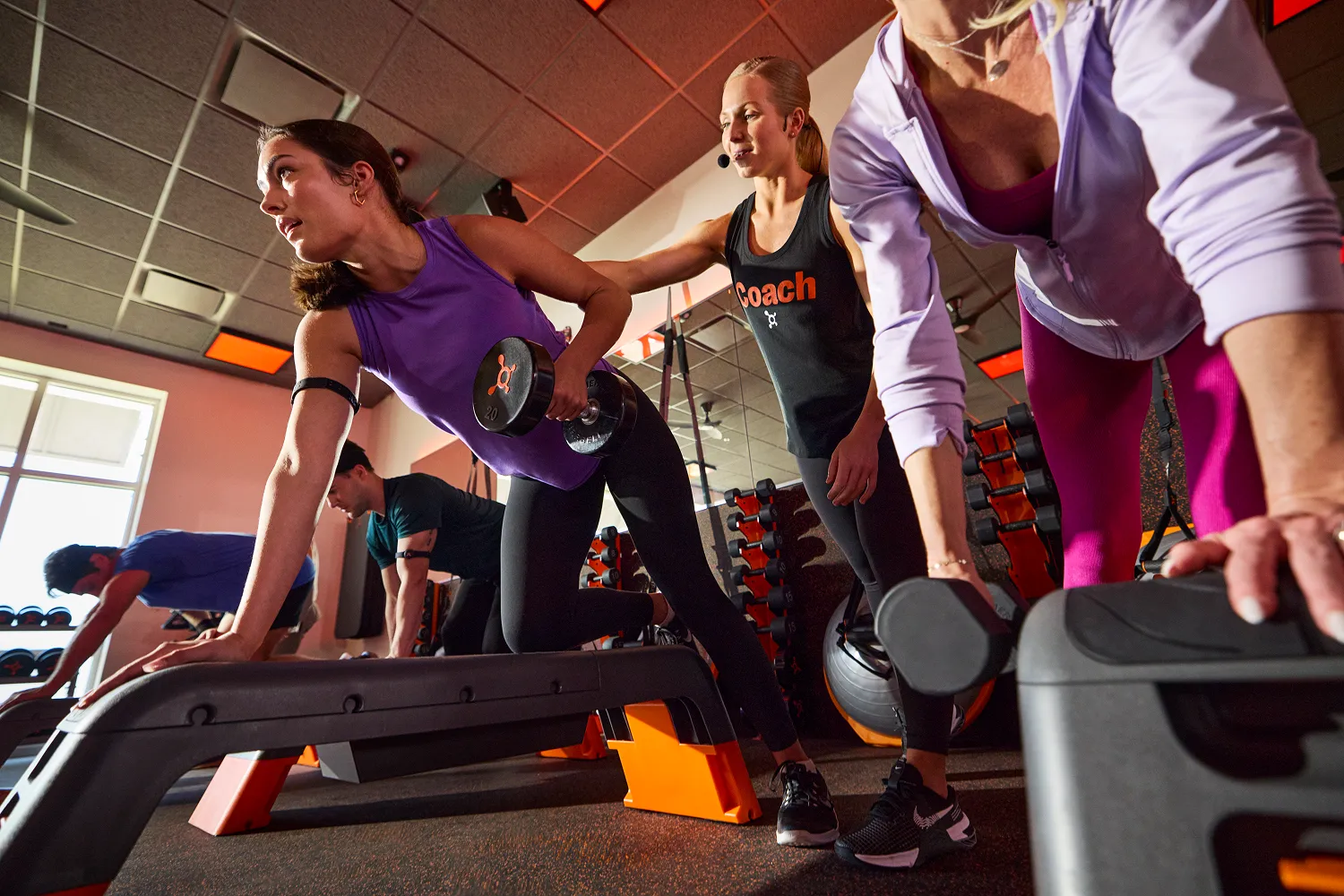
How does an Orangetheory treadmill compare with a home treadmill?
The treadmill at Orangetheory usually feels more solid than a basic home treadmill. It may have a wider running belt, a stronger frame, faster controls, and better stability during sprints.
Here is a simple comparison:
| Feature | Orangetheory-style commercial treadmill | Basic home treadmill |
|---|---|---|
| Main purpose | Frequent group and gym use | Personal home exercise |
| Frame | Heavy and stable | Often lighter |
| Motor | Designed for long use | Varies by price and quality |
| Controls | Fast, simple interval changes | May include many programs |
| Deck | Often more durable and cushioned | Varies widely |
| Maintenance | Managed by studio staff | Owner handles service |
| Cost | High commercial price | Wide range of prices |
A commercial treadmill is not automatically better for every home. It can be large, heavy, noisy, and expensive. Many people do not need a gym-grade machine for three short walks each week.
On the other hand, runners who train often may value the stronger frame and smoother response. The best choice depends on your training volume, available space, budget, and tolerance for maintenance.

What makes the Freemotion REFLEX treadmill different?
The REFLEX treadmill focuses on the running experience as well as the motor and frame. Its deck is designed to flex under the runner and absorb some impact. Think of it as the difference between running on a firm track and running on a surface with a little give.
That design may offer several benefits:
• More comfort during repeated intervals
• Less harsh feedback through the feet and legs
• A stable platform for fast running
• A more natural feel for some runners
However, no treadmill can remove all running impact. Running still places stress on the feet, ankles, knees, hips, and back. Good shoes, gradual training, and proper recovery remain important.
Some runners also prefer a firmer deck because it gives them a stronger push-off. If you are shopping for a treadmill, try the machine in person when possible. Reviews can explain features, but your own stride tells you more.
How to use an Orangetheory treadmill safely
A well-designed treadmill still requires good habits. Many treadmill injuries happen because a person changes speed too quickly, loses focus, or holds the rails during a steep incline.
Use these practical steps:
-
Start with a short warm-up. Walk or jog slowly for several minutes before hard intervals.
-
Keep your eyes forward. Looking down can affect balance and posture.
-
Use the safety clip when available. It can stop the belt if you fall.
-
Make small changes. Increase speed or incline in controlled steps.
-
Avoid jumping onto the side rails while the belt is moving fast.
-
Do not grip the front bar during incline work. Light contact is fine for balance, but holding your weight reduces the workout and can strain your posture.
-
Slow down before stopping. A gradual recovery is safer and more comfortable.
-
Tell the coach if you feel pain, dizziness, chest pressure, or unusual shortness of breath.
A useful lesson from interval training is that control beats bravado. The strongest workout is not always the fastest one. It is the session you can complete safely and repeat next week.
Can you buy the same treadmill Orangetheory uses?
You may be able to buy a Freemotion commercial treadmill, but availability and model names change. Some machines are sold through commercial fitness dealers rather than normal retail stores. Used models may also appear through gym-equipment resellers.
Before buying one, check:
• The exact model number
• Required electrical service
• Overall length, width, and height
• Machine weight
• Delivery access through doors and stairs
• Warranty coverage
• Local repair support
• Replacement belt and parts availability
• Noise and vibration in your home
A commercial treadmill can weigh several hundred pounds. Measure the path from the delivery truck to the final room. Many buyers focus on the running surface and forget that the machine must first fit through the front door.
Also check whether the treadmill needs a dedicated electrical circuit. A qualified electrician should review electrical requirements before installation.
Best alternatives to an Orangetheory treadmill
If the exact Freemotion machine is outside your budget, look for the features that matter most rather than copying the brand alone.
A good Orangetheory-style treadmill should have:
• A stable frame
• A strong motor rated for regular running
• Quick speed adjustment
• Quick incline adjustment
• A comfortable running deck
• A belt large enough for your stride
• Simple controls you can use while moving
• Reliable service and warranty support
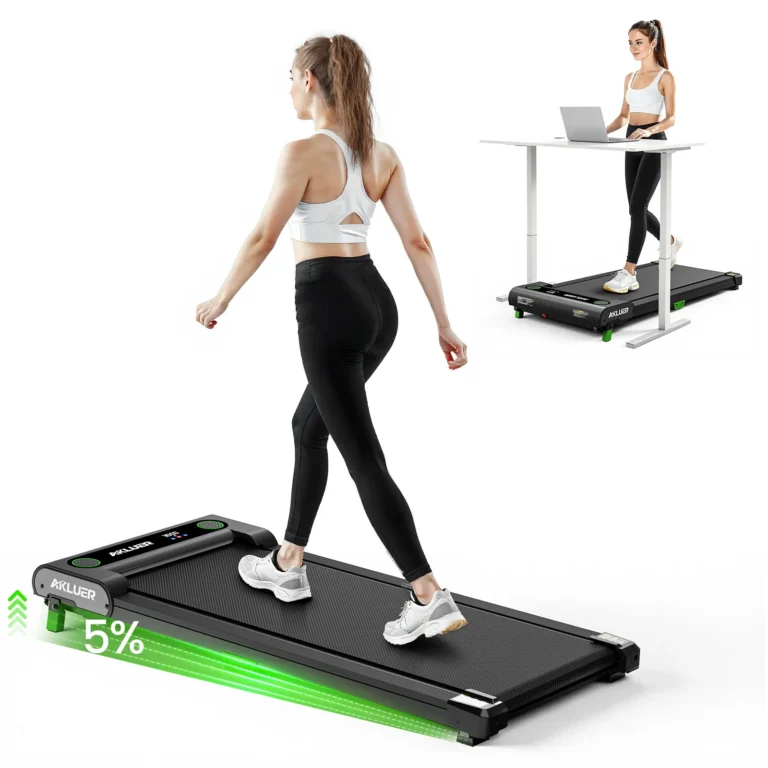
For light walking, a compact home treadmill may be enough. For frequent running, choose a heavier model with a stronger frame and a longer belt.
Avoid judging treadmill quality by motor horsepower alone. Manufacturers may measure motors in different ways, and peak horsepower can sound more impressive than it is. Consider the full design, user reviews, warranty, and service network.
Common mistakes when choosing an Orangetheory-style treadmill
The question “what treadmill does Orangetheory use” often leads buyers to focus only on the brand. That can create a costly mistake. The same brand may offer different models for different settings.
Watch for these errors:
• Buying a commercial treadmill without checking home power needs
• Choosing a belt that is too short for a long stride
• Ignoring the machine’s total weight
• Assuming a soft deck will suit every runner
• Buying used equipment without checking service history
• Forgetting that commercial warranties may exclude home use
• Paying for advanced screens when simple interval controls matter more
Try to match the treadmill to your actual routine. If you mainly walk, you may not need the same machine found in a busy studio. If you plan to run hard five days a week, a stable commercial model may be a better long-term fit.
What should you ask your local Orangetheory studio?
Because Orangetheory equipment can vary, the studio is the best place to confirm the exact treadmill. Ask a staff member before or after class.
Useful questions include:
• What brand and model is this treadmill?
• Is this the original equipment or a newer replacement?
• What are the maximum speed and incline settings?
• Does this model have a flexible or cushioned deck?
• Can I test the controls before class?
• Does the studio recommend a similar home model?
You can also look for a model plate near the front frame or side rail. It may show the manufacturer, serial number, and model name. Do not rely only on the console design, since several treadmill models can use similar screens.
Frequently Asked Questions About What Treadmill Does Orangetheory Use
What treadmill does Orangetheory use most often?
Orangetheory most commonly uses Freemotion commercial treadmills, including machines from the REFLEX line. The exact model differs between studios, so check the label on the treadmill or ask the front desk.
Does every Orangetheory studio use the same treadmill?
No. Studios may have different equipment because of opening dates, renovations, local purchasing, or replacement schedules. Newer and older locations can use different Freemotion models.
Is the Orangetheory treadmill good for home use?
It can be, especially for frequent runners who want a stable commercial machine. However, it may be heavy, expensive, and demanding on home electrical systems, so measure your space and confirm installation needs first.
Is the Freemotion REFLEX treadmill soft?
The REFLEX treadmill is designed to provide a more forgiving deck feel than many rigid treadmill platforms. Comfort still varies by runner, so testing the machine is better than relying on specifications alone.
What speed does Orangetheory use for running?
Orangetheory does not prescribe one running speed for everyone. Coaches use base, push, and all-out efforts, and each member chooses a pace based on fitness, experience, and heart-rate response.
Can I buy an Orangetheory treadmill?
You may find Freemotion commercial treadmills through fitness-equipment dealers or used commercial-equipment sellers. Availability changes, and the exact machine used at a studio may not be sold directly to home buyers.
Is an Orangetheory treadmill better than a regular treadmill?
It is usually stronger and more suitable for frequent, high-use training than a basic treadmill. That does not make it the best choice for every home, because size, cost, noise, and service needs also matter.
Conclusion
Orangetheory primarily uses Freemotion treadmills, with the Freemotion REFLEX line being the model family most often associated with its studios. These machines are built for quick speed changes, incline intervals, repeated use, and a more forgiving running feel.
Still, there is no single treadmill in every Orangetheory location. If you want the exact answer for your studio, check the model plate or ask the staff. If you are buying a home treadmill, focus on stability, belt size, controls, cushioning, warranty, and service rather than the brand name alone.
Use this guide to compare your options, test a treadmill before buying when possible, and choose a machine that supports your real training goals.

Brandon Knoxley is a sport & fitness writer and training guide contributor at MySportFitHub. He focuses on practical workouts, performance-based training, and honest fitness gear insights designed for real people and real results. Brandon is passionate about helping beginners and active individuals train smarter, avoid common mistakes, and build sustainable fitness habits.