What Weight Dumbbells Should I Buy For Men: A Simple Guide
Most men should start with adjustable dumbbells ranging from 5 to 50 pounds per hand.
Choosing the right dumbbell weight depends on your strength, training goal, exercise, and experience level. This guide explains what weight dumbbells should i buy for men, how to test the right load, and when to move heavier without risking poor form or injury.
The best dumbbell weight for most men
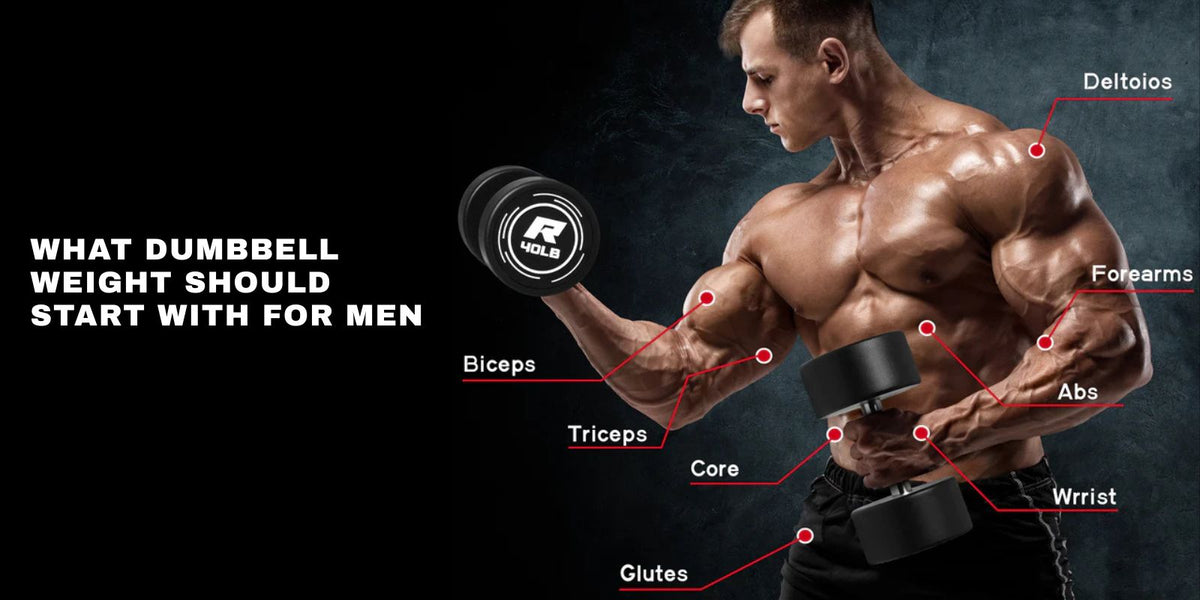
There is no single dumbbell weight that works for every man. A beginner may need 5 or 10 pounds for shoulder exercises, while a stronger lifter may use 40, 60, or even 100 pounds for rows and presses.
For most men starting home workouts, adjustable dumbbells are the best choice. They save space and let you increase the load as your strength improves.
A useful starting range is:
• Beginners: 5 to 25 pounds per hand
• Intermediate lifters: 10 to 50 pounds per hand
• Advanced lifters: 25 to 100 pounds per hand
• General home fitness: Adjustable dumbbells up to 50 pounds per hand
Your ideal weight should feel challenging near the end of a set. However, you should still control every rep without swinging, twisting, or shortening the movement.
When people ask what weight dumbbells should i buy for men, I usually suggest buying for your current level while leaving room to grow. A set that is too light can limit progress, but a set that is too heavy can teach poor movement habits.
How to choose dumbbell weight by fitness level
Your training history gives the best starting point. Body size can offer clues, but it does not decide your strength. A smaller man may have excellent lifting experience, while a larger beginner may need light weights to build control.
Beginner dumbbell weights
If you have little or no resistance training experience, begin with:
• 5 to 10 pounds for lateral raises, front raises, and some arm exercises
• 10 to 20 pounds for curls, triceps work, and light pressing
• 15 to 30 pounds for goblet squats, lunges, and deadlifts
Start at the low end if your technique is new. Your muscles, joints, grip, and connective tissue all need time to adjust.
A beginner should focus on smooth reps. The goal is not to lift the heaviest dumbbell in the room. The goal is to build strength while keeping your joints in a safe position.
Intermediate dumbbell weights
An intermediate lifter may have several months or years of consistent training. Typical working weights may include:
• 15 to 30 pounds for shoulder presses
• 20 to 40 pounds for chest presses
• 25 to 60 pounds for one-arm rows
• 30 to 70 pounds for goblet squats and Romanian deadlifts
These numbers are broad because exercise difficulty varies. A 30-pound dumbbell may feel hard during a strict shoulder raise but moderate during a row.
Advanced dumbbell weights
Experienced lifters often need heavier dumbbells for large muscle groups. They may use:
• 30 to 60 pounds for chest presses
• 40 to 100 pounds for rows
• 50 to 120 pounds for deadlifts
• 20 to 50 pounds for curls and shoulder work
Advanced training still requires control. Heavy weight does not replace good range of motion, steady breathing, or proper alignment.
Knowing what weight dumbbells should i buy for men becomes easier when you match the load to your actual training experience rather than your ego.

Dumbbell weight recommendations by exercise
The right weight changes with each exercise. Large muscle groups can usually handle more load than smaller muscles. A dumbbell that works well for a leg exercise may be far too heavy for a shoulder raise.
Chest exercises
For dumbbell bench presses, many men can begin with 15 to 30 pounds per hand. Stronger beginners may start closer to 35 pounds, but the correct choice depends on control and pressing experience.
For floor presses, use a similar weight. The shorter range of motion may feel easier, but you still need to keep your wrists straight and your elbows controlled.
A good starting test is 8 to 12 slow reps. If you cannot complete 8 clean reps, reduce the weight. If you can perform 15 reps with little effort, increase it slightly.
Back exercises
Rows use the muscles of the back, arms, and core. Beginners often start with 15 to 25 pounds per hand, while intermediate lifters may use 30 to 60 pounds.
Use a bench or chair for support if needed. Keep your spine neutral, pull your elbow toward your hip, and avoid twisting your torso to move the weight.
For a dumbbell pullover, begin much lighter. The movement places the shoulder in a longer position, so control matters more than load.
Shoulder exercises
Shoulder muscles are smaller and often respond well to moderate or light weights.
Common starting points include:
• 5 to 10 pounds for lateral raises
• 5 to 15 pounds for front raises
• 10 to 25 pounds for shoulder presses
• 5 to 15 pounds for rear delt flyes
Many men choose weights that are too heavy for lateral raises. This often leads to bent wrists, shrugged shoulders, and swinging. A lighter dumbbell with strict form will usually produce better results.
Arm exercises
For biceps curls, 10 to 25 pounds per hand is a common range for beginners and intermediate lifters. Hammer curls may allow slightly more weight because the neutral grip can feel stronger.
For triceps extensions, start with one dumbbell held in both hands. Many men begin with 15 to 30 pounds, depending on the exercise and elbow comfort.
Keep your upper arms steady. If your elbows move far forward or outward, the weight may be too heavy.
Leg exercises
The legs can handle more weight than the arms, especially during squats, lunges, and deadlifts.
Useful starting ranges include:
• 15 to 30 pounds for goblet squats
• 15 to 35 pounds per hand for lunges
• 25 to 60 pounds per hand for Romanian deadlifts
• 20 to 50 pounds per hand for step-ups
Balance can limit the load during lunges and step-ups. If your legs feel strong but your balance fails, use less weight and improve control first.
These exercise-based ranges provide a clearer answer to what weight dumbbells should i buy for men than a single number can.

How to test whether a dumbbell is the right weight
A simple repetition test can help you choose the correct dumbbell weight. It works for nearly any strength exercise.
- Choose a weight that feels manageable.
- Perform 8 to 12 controlled repetitions.
- Keep the same pace from the first rep to the last.
- Stop if your form breaks down.
- Rate how difficult the final two reps feel.
The best working weight usually leaves about 2 to 3 good repetitions in reserve. In other words, you should feel that you could perform two more clean reps, but not ten more.
This approach matches common resistance training guidance. Beginners often benefit from moderate loads, controlled repetitions, and gradual progression rather than testing maximum strength often.
A weight is probably too heavy if:
• You swing the dumbbell
• Your back arches or twists
• Your shoulders rise toward your ears
• Your knees collapse inward
• You cannot use the full safe range of motion
• You hold your breath for the entire set
• You need help to finish most repetitions
A weight is probably too light if:
• You finish the set with no effort
• Your breathing stays almost unchanged
• You could perform 8 or more extra reps
• You never feel the target muscles working
• Your technique remains easy from start to finish
The goal is not to chase discomfort. The goal is to create enough resistance to challenge the target muscles while keeping the movement safe.
Should you buy fixed or adjustable dumbbells?
Both types can work well. Your choice depends on your budget, space, training style, and long-term goals.
Fixed dumbbells
Fixed dumbbells are ready to use and often feel solid in the hand. They work well for simple workouts and high-repetition circuits.
Benefits include:
• Fast weight changes
• No adjustment mechanism
• Easy storage on a rack
• Good durability
• Less noise during use
The main drawback is cost and space. If you want six different weights, you need six pairs. That can become expensive and take up much of a room.
Adjustable dumbbells
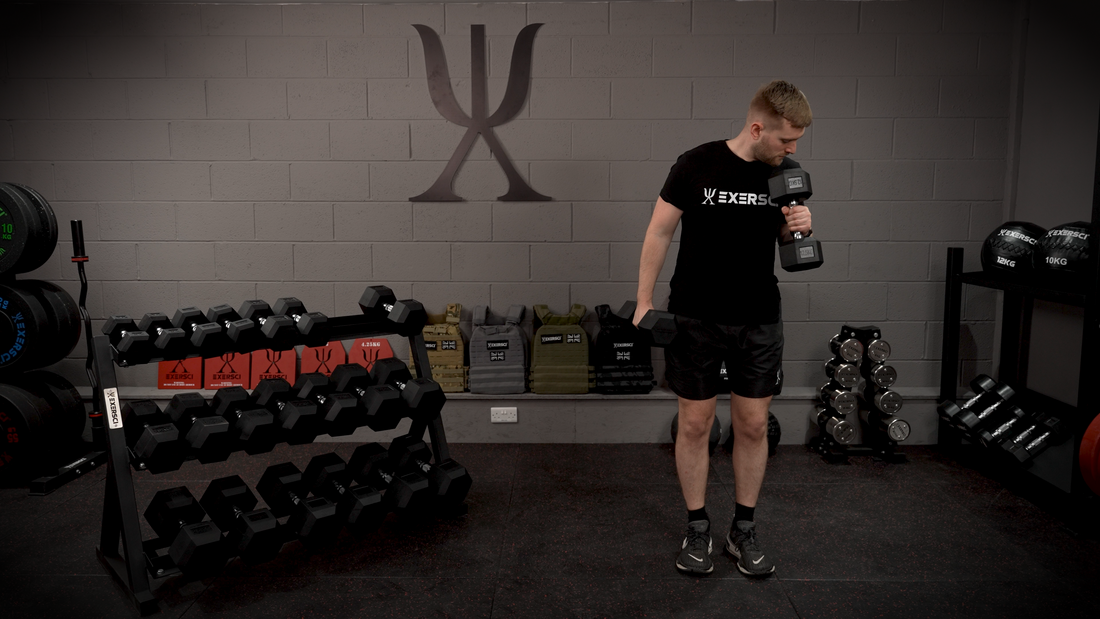
Adjustable dumbbells use plates, pins, or a dial to change resistance. They are useful for home gyms because one pair can replace several pairs of fixed dumbbells.
Benefits include:
• Lower space needs
• More weight options
• Easy progression
• Better value for many home users
• Useful for full-body workouts
Some adjustable models feel bulky. Others can make noise or change shape during certain exercises. Before buying, check the locking system, handle comfort, weight range, and warranty.
For many men wondering what weight dumbbells should i buy for men, adjustable dumbbells that reach at least 50 pounds per hand offer the most useful long-term range.
How many dumbbell weights do you need?
You do not need a large collection on day one. A small range can support a strong full-body program.
A basic beginner set
A beginner may need:
• 5 pounds
• 10 pounds
• 15 pounds
• 20 pounds
• 25 pounds
This range works for many upper-body exercises and lighter lower-body movements. It may not be enough for heavy deadlifts as your strength grows.
A practical intermediate set
An intermediate home gym may benefit from:
• 10 pounds
• 15 pounds
• 20 pounds
• 25 pounds
• 30 pounds
• 40 pounds
• 50 pounds
Adjustable dumbbells can provide these steps without requiring a separate pair for each weight.
When heavier dumbbells make sense
Consider heavier dumbbells if:
• You train your legs often
• You perform heavy rows or deadlifts
• You have trained consistently for at least several months
• Your current weights no longer challenge you
• You want to build maximum strength
You do not need heavy dumbbells simply because they look impressive. Buy them when your current weights no longer support progressive overload.

How your workout goal affects dumbbell weight
Your goal changes how heavy you should lift and how many reps you should perform.
For building muscle
Muscle growth can occur across a broad range of loads. A moderate weight that allows about 6 to 15 controlled reps works well for many exercises.
Choose a load that makes the final reps difficult. Train each major muscle group regularly, and increase the weight when you can complete all planned reps with strong form.
For building strength
Strength training often uses heavier weights and fewer reps. You may work in the 3 to 8 rep range for exercises such as presses, rows, squats, and deadlifts.
Heavy training requires extra care. Warm up, use a stable position, and avoid lifting to failure on every set.
For endurance and fitness
Lighter dumbbells work well for circuits, high-repetition workouts, and conditioning sessions. Many men use 5 to 20 pounds for movements performed for 15 or more reps.
The weight should allow you to keep moving without losing control. If your form becomes rushed, lower the weight or take a short rest.
For fat loss
Dumbbells can help preserve muscle during a calorie deficit. However, no dumbbell weight directly causes fat loss. Nutrition, total activity, sleep, and training consistency matter more.
A full-body routine with moderate weights can build strength and increase daily activity. Choose a weight that lets you train hard without making recovery difficult.
Your answer to what weight dumbbells should i buy for men should always reflect your main goal, not just the number printed on the dumbbell.

A simple progression plan
Progressive overload means gradually asking your muscles to do more work. You can add weight, perform more reps, improve your technique, or increase the number of sets.
Try this approach:
- Pick a weight you can lift for 8 clean reps.
- Work toward 12 clean reps.
- Once you can perform 12 reps for every set, increase the weight.
- Return to 8 or 9 reps with the heavier load.
- Build back toward 12 reps.
For example, you might begin dumbbell presses with 25 pounds. Over several weeks, you may progress from 8, 8, and 7 reps to 12, 12, and 12 reps. At that point, try 30 pounds and rebuild your reps.
Increase weight in small steps when possible. A jump from 20 to 35 pounds may be too large for some exercises, especially lateral raises and curls.
One mistake I often see is changing weights too quickly. Strength can improve fast at first, but tendons and joints may adapt more slowly. Patient progress is usually safer and more sustainable.

Common mistakes when buying dumbbells
A few buying errors can waste money or make training harder.
Buying only heavy dumbbells
Heavy dumbbells are useful for rows, squats, and deadlifts. They are not ideal for every movement. You still need light weights for raises, rehabilitation work, warmups, and high-repetition exercises.
Choosing a weight based on body size
Body weight does not tell you exactly what you can lift. Strength depends on training history, muscle mass, coordination, joint health, and the exercise itself.
Use your performance and technique as the main guide.
Ignoring the handle
A thick, rough, or slippery handle can affect your grip. Look for a handle that feels secure without digging into your palm.
If possible, test the handle before buying. A comfortable dumbbell makes consistent training easier.
Buying a set with large weight jumps
Some adjustable sets move from 10 to 20 to 30 pounds. That may work for big lifts but feel awkward for smaller exercises.
Smaller weight changes are helpful for gradual progression, especially for shoulders and arms.
Forgetting storage and safety
Dumbbells should sit on a stable surface. Do not leave them where someone can trip. Check adjustable models before each set to make sure plates or pins are locked.
If you have joint pain, a past injury, or a medical condition, ask a qualified health professional for personal guidance before starting resistance training.
A sample dumbbell plan for men
This simple routine uses a moderate weight that allows 8 to 12 clean reps. Rest for 60 to 120 seconds between sets.
Full-body workout
• Goblet squat: 3 sets of 8 to 12 reps
• Dumbbell bench press or floor press: 3 sets of 8 to 12 reps
• One-arm dumbbell row: 3 sets of 8 to 12 reps per side
• Romanian deadlift: 3 sets of 8 to 12 reps
• Shoulder press: 2 sets of 8 to 12 reps
• Hammer curl: 2 sets of 10 to 15 reps
• Overhead triceps extension: 2 sets of 10 to 15 reps
Start with a weight you can control. Perform this workout two or three times per week, with at least one rest day between sessions.
If you are new to training, begin with two sets instead of three. Build volume slowly. Your first goal is to finish the session feeling challenged but capable of recovering.
Before each workout, spend five to ten minutes warming up. Use light movements, joint circles, and a few practice reps with no weight or very light weight.
How to buy dumbbells on a budget
You can build an effective home gym without spending a fortune.
Start with the exercises you plan to perform most often. If you want general fitness, a pair of adjustable dumbbells may provide better value than several pairs of fixed weights.
You can also buy weights in stages:
• Start with 10 to 25 pounds per hand
• Add 5-pound increments as needed
• Buy heavier weights for legs and back first
• Add lighter weights later for shoulders and arms
• Consider used equipment after checking its condition
Used dumbbells can be a good deal. Inspect them for cracked handles, loose plates, sharp edges, rust that affects grip, or damaged adjustment parts.
A good purchase should match your training plan. Do not pay for a 100-pound dumbbell set if you only plan to perform light circuits twice a week.
Frequently Asked Questions
What weight dumbbells should i buy for men who are beginners?
Most beginners should consider adjustable dumbbells that cover 5 to 25 pounds per hand. Start light, learn the movements, and increase the load when you can complete 12 controlled reps.
Are 20-pound dumbbells enough for men?
Twenty-pound dumbbells can be enough for beginners, upper-body workouts, and many high-repetition routines. They may become too light for strong leg, back, and chest exercises as your training improves.
Should men buy 25-pound or 50-pound dumbbells?
Choose 25-pound dumbbells if you are new to resistance training or mainly train your shoulders and arms. Choose a set that reaches 50 pounds if you plan to train your legs, back, and chest for the long term.
Can dumbbells build muscle without a gym?
Yes. Dumbbells can train the chest, back, shoulders, arms, legs, and core. Muscle growth still requires enough resistance, regular training, adequate protein, sleep, and gradual progression.
How do I know when to increase dumbbell weight?
Increase the weight when you can complete every planned rep with controlled form and still have about two good reps left. Add weight in small steps, then return to the lower end of your rep range.
Is it better to use heavy or light dumbbells?
Neither is always better. Heavy weights suit lower-repetition strength work, while lighter weights suit shoulder exercises, endurance, and beginners; the best choice matches your goal and technique.
Conclusion
The best answer to what weight dumbbells should i buy for men depends on your experience, exercise, and goal. Most beginners can start with 5 to 25 pounds per hand, while adjustable dumbbells that reach 50 pounds offer more room to grow.
Choose a weight that challenges you without damaging your form. Start with controlled reps, track your progress, and increase the load in small steps. The strongest choice is not the heaviest dumbbell you can lift once; it is the weight you can use safely and consistently.
Pick a practical set today, follow a simple full-body plan, and adjust your weights as your strength improves. Share your training goal or current dumbbell set in the comments to help refine your starting point.

Brandon Knoxley is a sport & fitness writer and training guide contributor at MySportFitHub. He focuses on practical workouts, performance-based training, and honest fitness gear insights designed for real people and real results. Brandon is passionate about helping beginners and active individuals train smarter, avoid common mistakes, and build sustainable fitness habits.