
When Did The Inventor Of The Treadmill Die: Answer
William Cubitt, the inventor of the treadmill, died on October 13, 1861, at age 76.
The question “when did the inventor of the treadmill die” leads to a fascinating story about engineering, prison reform, and the darker history of forced labor. William Cubitt created the prison treadmill in 1818, but the word “treadmill” now covers several different inventions. This guide explains who Cubitt was, when he died, what he invented, and why his machine still matters today.

When did the inventor of the treadmill die?
William Cubitt died on October 13, 1861. He was 76 years old.
Cubitt was born on October 9, 1785, in Dilham, Norfolk, England. He became a respected civil engineer and inventor during the Industrial Revolution. His work included machines, bridges, canals, railways, and other large engineering projects.
When people ask, “when did the inventor of the treadmill die,” they usually mean William Cubitt. He invented the prison treadmill in 1818. Historical records place his death in 1861, more than four decades after he introduced the machine.
The answer is clear:
• Inventor: Sir William Cubitt
• Born: October 9, 1785
• Treadmill invented: 1818
• Died: October 13, 1861
• Age at death: 76
• Country: England
Who was William Cubitt?
William Cubitt was a British civil engineer known for practical inventions. His father, Joseph Cubitt, worked as a millwright, so Cubitt grew up around tools, gears, and mechanical systems.
That early experience shaped his career. Cubitt did not work only on one invention. He helped design and improve equipment used in agriculture, construction, transportation, and public works.
He later received a knighthood for his engineering achievements. This detail matters because Cubitt was not simply an inventor of exercise equipment. He was a major engineer of his era.
Cubitt’s career included work connected with:
• Canal construction
• Railway development
• Harbor and dock projects
• Bridge engineering
• Agricultural machinery
• Industrial equipment
His treadmill was only one part of a much larger career. Still, it became the invention most closely linked to his name.

What did Cubitt invent in 1818?
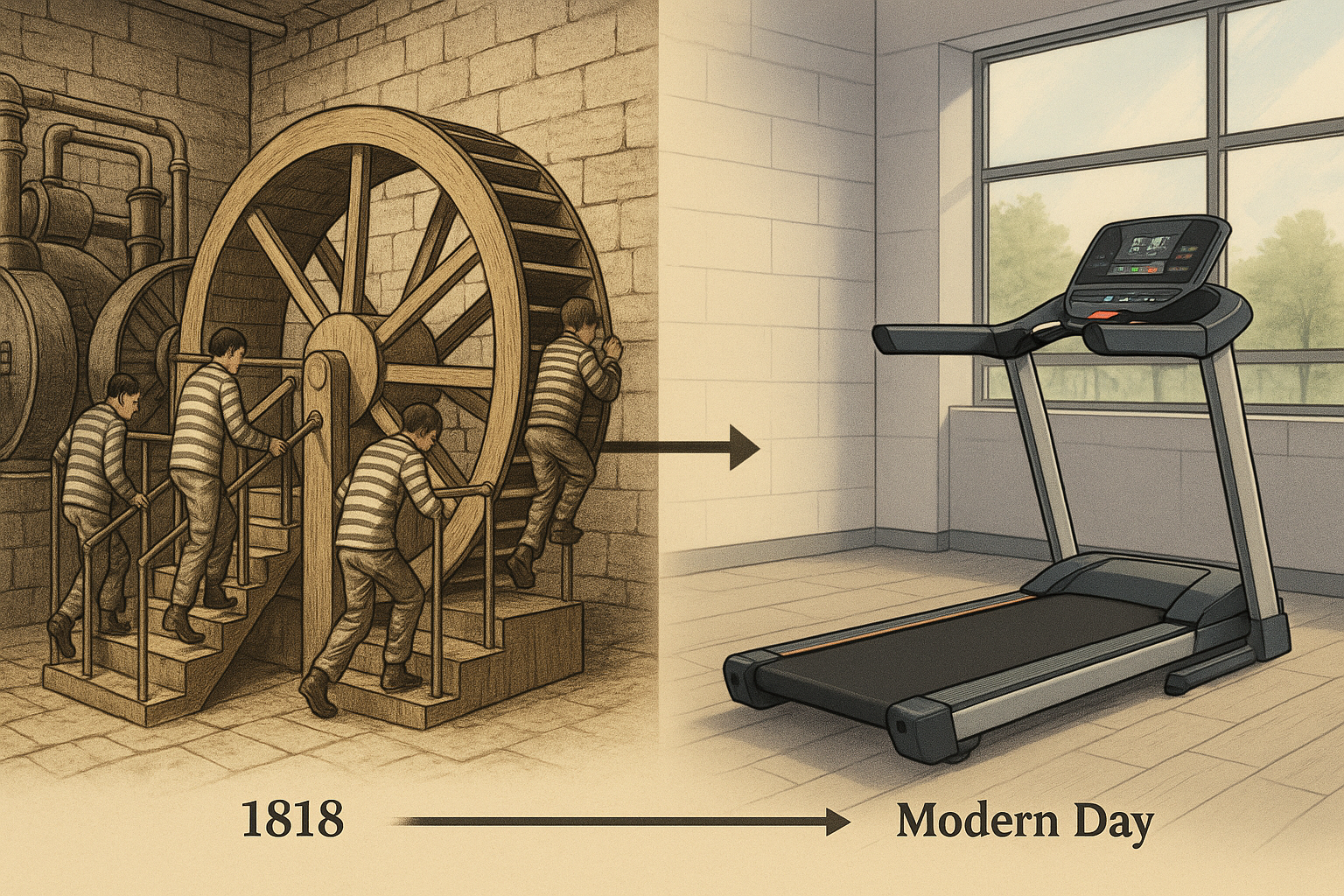
Cubitt invented a large step-powered machine for use in prisons. It became known as the prison treadmill or treadwheel.
The machine had a wide cylinder with wooden steps around its outside. Prisoners stood on the steps and walked upward as the cylinder turned. Since the cylinder kept rotating, they had to continue stepping for long periods.
The design worked much like a giant staircase that never reached the top. The prisoners’ movement powered the machine, although the work often produced little useful output.
Some treadmills powered:
• Grain mills
• Water pumps
• Fans
• Grinding equipment
• Other prison machinery
The device was introduced as a way to impose hard labor. At the time, prison officials often believed that strict work could discipline inmates and reduce idleness.
This context helps explain when the inventor of the treadmill died. Cubitt died in 1861, but the prison treadmill system continued for years after his death. His invention had already become part of the British penal system.

Why was the prison treadmill created?
Cubitt reportedly designed the treadmill after seeing prisoners at work in a prison. The common story is that he wanted to create a structured form of labor for inmates who were considered idle.
The machine offered several benefits from the viewpoint of prison authorities:
• It required little training
• It kept many prisoners busy at once
• It was easy to supervise
• It created a strict daily routine
• It could power basic machinery
However, the system was also harsh. Prisoners could spend several hours each day stepping on the rotating wheel. The work was repetitive, tiring, and sometimes dangerous.
The treadmill was not designed for health or fitness. That is one of the most important differences between Cubitt’s machine and the modern treadmill found in gyms.
When people search “when did the inventor of the treadmill die,” they may picture a modern running machine. That image can create confusion. Cubitt invented a punishment device, not the electric exercise equipment used today.

Was William Cubitt the inventor of the modern treadmill?
Not exactly. William Cubitt invented the prison treadmill, but he did not create the modern electric treadmill used for walking and running.
Modern treadmills developed through several stages:
- The prison treadwheel introduced the basic idea of walking against a moving surface.
- Manual exercise treadmills appeared much later.
- Electric motors eventually powered the belt.
- Digital controls added speed settings, heart rate tools, and workout programs.
- Modern models became common in homes, gyms, clinics, and sports centers.
The connection is mainly mechanical. Both machines use a moving surface that requires a person to walk or run in place. Their purpose, design, and safety standards are very different.
So, when did the inventor of the treadmill die? William Cubitt died in 1861, long before the modern fitness treadmill became popular.

When did the modern treadmill become popular?
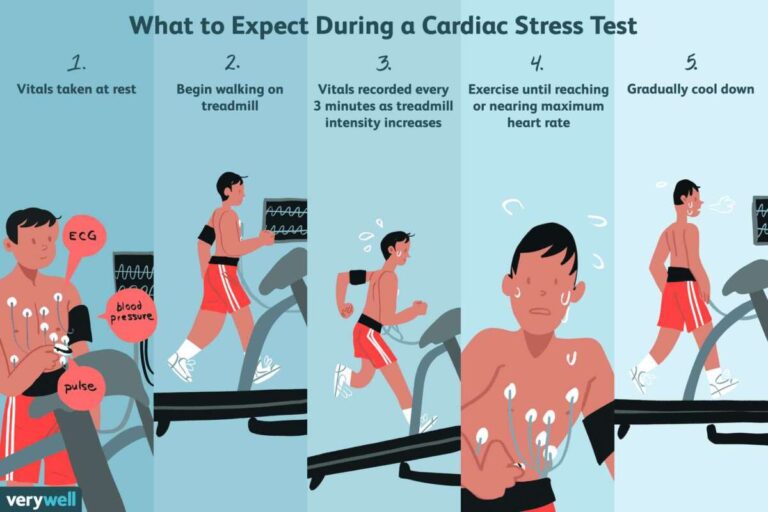
The modern treadmill became popular during the 20th century. Early versions were used for medical testing, rehabilitation, and scientific research.
Doctors and researchers used treadmills to study:
• Heart function
• Lung capacity
• Walking ability
• Athletic performance
• Recovery after injury
Later, manufacturers developed treadmills for gyms and home use. The machines became easier to operate and safer than the old prison treadwheels.
Modern treadmills often include:
• Adjustable speed
• Incline control
• Emergency stop clips
• Shock-absorbing decks
• Heart rate tracking
• Workout displays
• Programmed training modes
This change shows how one basic mechanical idea can take different paths. Cubitt’s machine represented punishment and forced labor. Today’s treadmill usually represents exercise, rehabilitation, or personal health.

What happened to the prison treadmill?
The prison treadmill became common in British prisons during the 19th century. It was used in England and later influenced prison labor practices in other places.
Critics argued that the machine was cruel and pointless. Prisoners often performed exhausting work without learning a useful trade or producing meaningful goods.
The system also created health risks. Long sessions could cause:
• Severe fatigue
• Foot and leg injuries
• Dehydration
• Falls
• Muscle strain
• Long-term physical stress
Over time, public views on prison discipline changed. Reformers pushed for education, useful work, better treatment, and more humane prison conditions.
The prison treadmill eventually declined and disappeared from regular use. Its history remains important because it shows how technology can be used for very different purposes. A machine itself is neutral, but the system around it determines whether it helps or harms people.
How did William Cubitt die?
William Cubitt died in England on October 13, 1861. Reliable historical records identify his death date, but popular accounts do not always provide detailed information about the exact illness or immediate cause.
That limitation is worth stating clearly. The date of death is well established, while claims about a specific medical cause should be treated carefully unless supported by a primary record.
Cubitt lived through a period of rapid industrial growth. Railways expanded, factories changed daily life, and engineers helped reshape cities and transportation.
Knowing when the inventor of the treadmill died also places his life in context. He died during the Victorian era, when the prison treadmill was already an old and controversial part of British punishment.
Why does the treadmill’s history still matter?
The treadmill’s history matters because it reveals how inventions can change meaning over time. The same broad concept moved from prison labor to medical testing and then to everyday fitness.
It also reminds us to look beyond a simple invention date. Asking when the inventor of the treadmill died opens wider questions:
• What problem was the invention meant to solve?
• Who controlled the machine?
• Who benefited from it?
• Who faced the risks?
• How did later designers change it?
This is a useful lesson for understanding many technologies. A device may begin in one setting and later serve a completely different purpose.
When I explain this history, I find that the biggest mistake is treating “the treadmill” as one unchanged object. The prison treadwheel and the modern gym treadmill share a basic idea, but they are not the same machine in design, purpose, or human impact.
Common confusion about the treadmill inventor
Several details about treadmill history are often mixed together online.
Confusion between Cubitt and modern treadmill makers
William Cubitt invented the prison treadmill. He did not manufacture the modern home treadmill or create the first electric fitness model.
Confusion about the invention date
The prison treadmill is generally linked to 1818. Some accounts discuss earlier treadwheel designs, so the exact wording may vary. Cubitt is still widely recognized as the key inventor of the prison treadmill system.
Confusion about the death date
The answer to “when did the inventor of the treadmill die” is October 13, 1861. Some pages may list only the year, which can make the information seem incomplete.
Confusion between treadmill and treadwheel
“Treadwheel” is often the more precise historical term for Cubitt’s machine. “Treadmill” became the familiar modern term.
What can we learn from this invention today?
The history of the treadmill offers a few practical lessons.
First, names can hide important differences. Before trusting a quick answer, identify which treadmill the question refers to.
Second, technology should be judged by its use and impact. A machine that supports physical therapy can be valuable. A similar machine used for forced labor can cause serious harm.
Third, historical context improves accuracy. Knowing when the inventor of the treadmill died is useful, but understanding why he designed the machine gives the answer much more meaning.
For students, writers, and researchers, the best approach is simple:
- Confirm the inventor’s full name.
- Check the invention date.
- Separate the original device from modern versions.
- Verify the death date with reliable historical records.
- Avoid repeating unsupported claims about personal details.
Frequently Asked Questions
When did the inventor of the treadmill die?
William Cubitt, the inventor of the prison treadmill, died on October 13, 1861. He was 76 years old.
Who invented the first treadmill?
Sir William Cubitt is widely credited with inventing the prison treadmill in 1818. The machine was also called a treadwheel and was used for forced prison labor.
Did William Cubitt invent the modern exercise treadmill?
No. William Cubitt invented the prison treadwheel, not the modern electric fitness treadmill. Later engineers and manufacturers developed the exercise machines used today.
What was Cubitt’s treadmill used for?
Cubitt’s treadmill was used mainly as a form of prison labor and punishment. Prisoners walked on rotating steps that could power equipment such as mills and pumps.
Why was the prison treadmill considered cruel?
The machine forced prisoners to perform repetitive, exhausting work for long periods. It could cause pain, injury, and severe fatigue, especially when supervision and conditions were poor.
Is the treadmill still connected to William Cubitt?
Yes. William Cubitt remains closely connected to the early history of the treadmill because he designed the prison treadwheel in 1818. Modern treadmills, however, have different purposes, technology, and safety features.
Conclusion
William Cubitt, the inventor most often linked to the prison treadmill, died on October 13, 1861, at age 76. His 1818 treadwheel was created for prison labor, not exercise, and it was very different from the modern treadmill used in gyms and homes.
The answer to “when did the inventor of the treadmill die” is only the starting point. The fuller story shows how technology can change from a tool of punishment into a device for health, research, and fitness. If you found this history useful, explore more about early engineering, prison reform, and the evolution of exercise equipment.

Brandon Knoxley is a sport & fitness writer and training guide contributor at MySportFitHub. He focuses on practical workouts, performance-based training, and honest fitness gear insights designed for real people and real results. Brandon is passionate about helping beginners and active individuals train smarter, avoid common mistakes, and build sustainable fitness habits.