Why Is It Easier To Run On A Treadmill: Explained
A treadmill feels easier because its moving belt supports steady pace, smooth footing, and fewer outside forces than outdoor running.
If you have ever run the same pace indoors and outdoors, you may have noticed a clear difference. Understanding why it is easier to run on a treadmill can help you train smarter, compare workouts fairly, and avoid feeling discouraged when road running feels harder. The answer involves pace control, wind resistance, surface changes, mental effort, and the way your body responds to a predictable belt.

Why Is It Easier to Run on a Treadmill?
The main reason why is it easier to run on a treadmill is that the machine removes several challenges found outdoors. You do not need to move through air, search for stable footing, or react to hills, cracks, turns, and changing surfaces.
A treadmill also gives you control. You choose the speed, incline, and workout length before you begin. This steady setting can make your effort feel more manageable, especially during longer runs.
Outdoor running is less predictable. Even on a flat route, your pace may change because of wind, heat, traffic lights, slopes, and tired legs. A treadmill acts like a controlled laboratory, while outdoor running is more like solving small problems every few seconds.
Here are the main reasons a treadmill may feel easier:
• The belt moves beneath you, so you do not face the same air resistance.
• The running surface is smooth and consistent.
• You can hold an exact pace without checking your watch.
• The room may have better temperature and humidity control.
• There are fewer distractions and physical obstacles.
• You can stop at once without finding your way home.
• A treadmill may reduce the mental stress linked to outdoor routes.
How Treadmill Mechanics Change Your Run
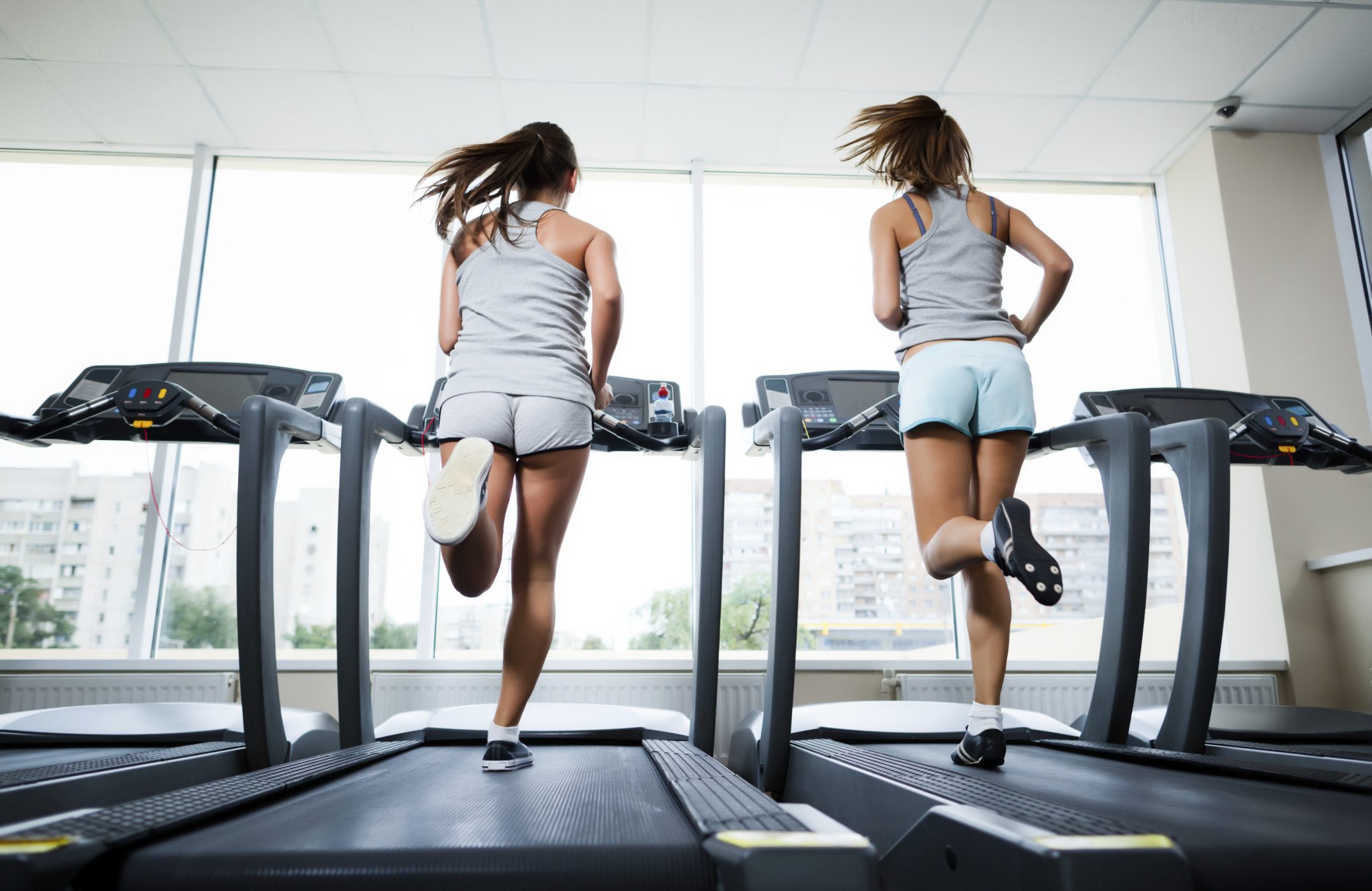
A treadmill does not carry you forward in the same way a moving walkway carries a person. You still create force with your legs and push against the belt. However, the moving belt changes the demands of running compared with a stationary surface.
When you run outdoors, your foot lands on the ground, and you push your body forward. On a treadmill, the belt moves backward under your feet. Your body still needs to maintain balance and produce force, but the belt helps keep you moving at a constant speed.
Research on treadmill and overground running shows that the basic movement pattern is quite similar. Still, small differences may appear in stride length, joint movement, muscle use, and balance. These differences often depend on treadmill speed, incline, running experience, and the machine itself.
A treadmill can also reduce the need to control your pace. Outdoors, your brain must constantly process the environment. You may speed up on a clear stretch, slow down near a corner, or adjust your stride on a rough path. On a treadmill, the belt sets the rhythm for you.
That predictability can lower what exercise scientists call perceived exertion. Perceived exertion is how hard the workout feels, even when your heart rate and pace remain similar.

Wind Resistance Makes Outdoor Running Harder
Wind is one of the clearest reasons why is it easier to run on a treadmill. Even a calm outdoor run creates air resistance because you move your body through the air. On a treadmill, you stay in one place, so you do not create the same forward airflow.
At faster speeds, wind resistance matters more. A runner moving at an easy pace may notice only a small difference. A runner doing intervals or tempo work may feel a much larger effect.
Outdoor wind can also change from one street to the next. A tailwind may make a section feel easy, while a headwind can make the same pace feel heavy. Hills and open spaces can increase this effect.
A fan can make treadmill running feel more like outdoor running. It cools your skin and improves comfort, but it does not fully copy real wind resistance. For this reason, some coaches use a small incline to make treadmill effort closer to outdoor effort.
A common guideline is to use a 1% incline for faster treadmill running. However, this is not a universal rule. Studies show that the best incline depends on speed, runner mechanics, and the goal of the workout. At slow speeds, a flat treadmill may be suitable.

A Treadmill Has a Smooth and Predictable Surface
Outdoor routes are full of small changes. You may run on asphalt, concrete, packed dirt, grass, or a mix of surfaces. Each one changes how your feet land and how your muscles absorb impact.
A treadmill belt is usually flat, even, and free from sudden holes or stones. This consistency makes it easier to repeat the same stride. It can also reduce the small balance corrections that happen during outdoor running.
This does not mean that a treadmill always creates less impact. Impact depends on speed, body weight, footwear, running form, and the treadmill design. Some treadmills have more cushioning than others, while some outdoor surfaces can also feel soft and comfortable.
The key point is consistency. When the surface does not change, your body can settle into a rhythm. That steady rhythm is one reason why is it easier to run on a treadmill for many people.
A smooth surface may help runners who are returning from an injury or learning to control their pace. Still, it should not replace all outdoor running. Your muscles and joints need practice handling real-world surfaces if you plan to race or run outside.
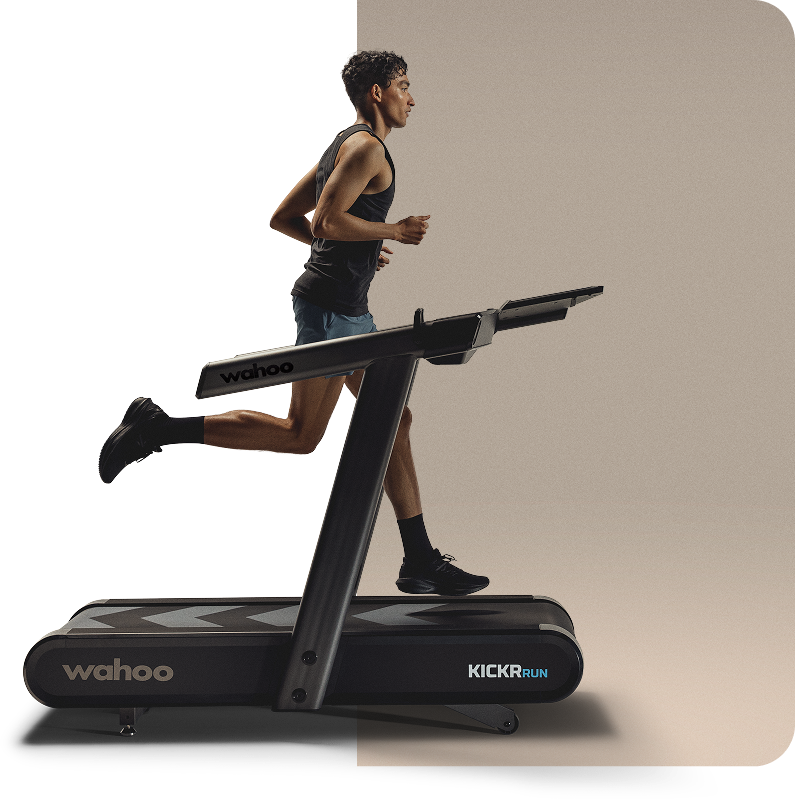
Climate and Temperature Affect Effort
Heat and humidity can make outdoor running feel much harder. Your body must send blood to the skin to release heat while also sending blood to working muscles. This can raise heart rate and make a normal pace feel difficult.
Indoor treadmill running often takes place in a climate-controlled room. You may have air conditioning, a fan, cool water, and shade. These details can make the workout feel easier even if the treadmill speed is challenging.
Cold weather can also affect outdoor performance. Tight muscles, icy surfaces, bulky clothing, and cold air may change your stride. Rain can make shoes heavier and increase the risk of slipping.
This explains why is it easier to run on a treadmill during extreme weather. The treadmill does not remove the need for effort, but it removes some environmental stress.
You should still manage indoor heat. A small room with no fan can become warm quickly. Drink water when needed, wear light clothing, and avoid judging your fitness based on one workout in unusual conditions.

Treadmill Pace Is Easier to Control
Many runners struggle with pacing outdoors. It is easy to start too fast because you feel fresh. You may then slow down later and believe your endurance is poor.
A treadmill limits this problem. Once you set the speed, the belt keeps you honest. You must match the pace or change the setting. This can make easy runs more controlled and interval workouts more precise.
For example, you may set the treadmill to 6.0 miles per hour and maintain a 10-minute mile pace. Outdoors, your watch may show the same average pace, but your actual speed may rise and fall many times.
Pace control is especially useful for beginners. It teaches your body what a steady effort feels like. It can also help experienced runners complete tempo runs without checking their watch every few seconds.
This is another major answer to why is it easier to run on a treadmill: you spend less mental energy managing speed.
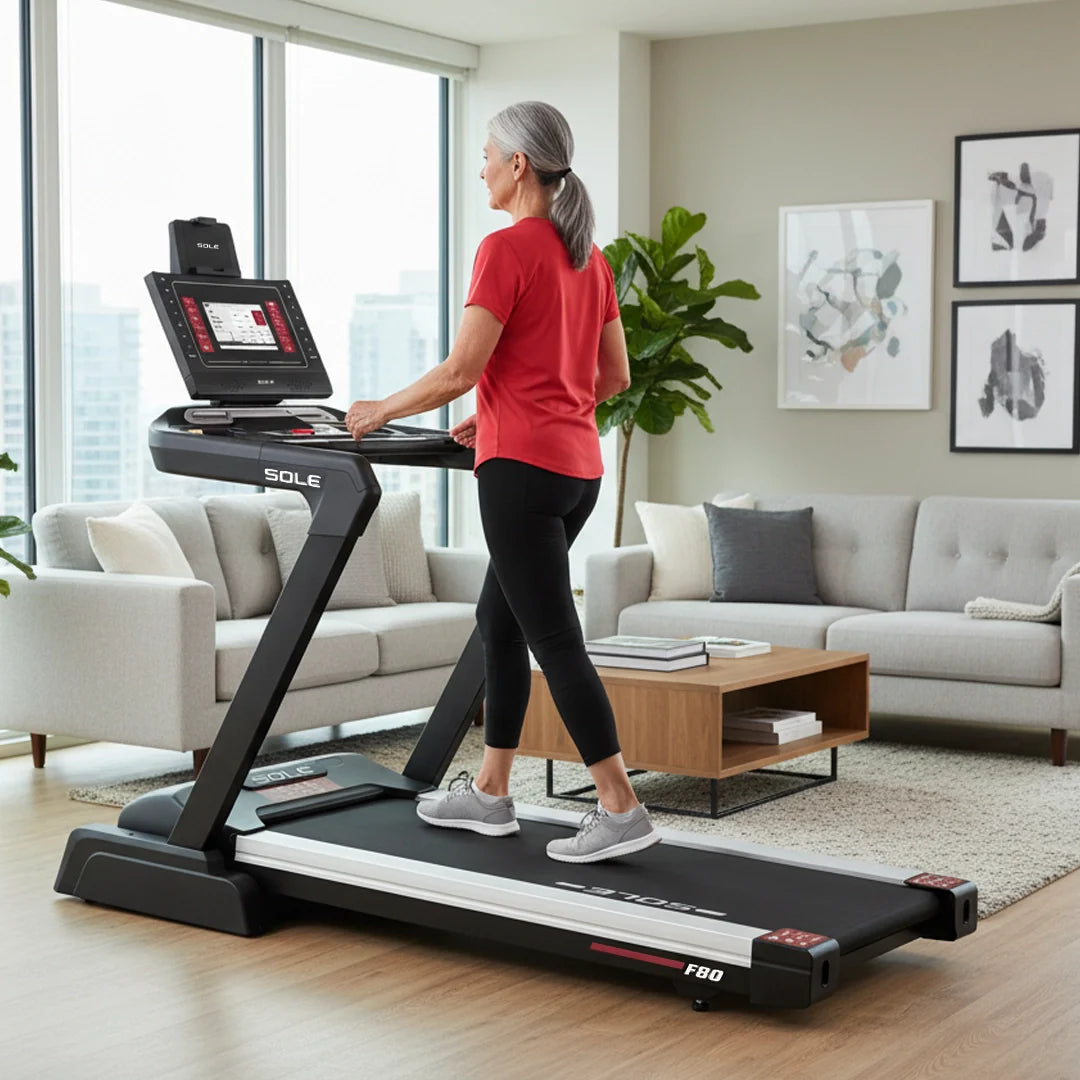
The Mental Benefits of Indoor Running
Running is physical, but it is also mental. Outdoor routes can create stress through traffic, weather, unfamiliar areas, dogs, crowds, or poor lighting. These concerns may make the run feel harder before it even starts.
A treadmill offers a safe and private space. You can watch a show, listen to music, follow a guided workout, or stop whenever you need. This can make the time pass faster.
Some runners find treadmill workouts boring. Others find the simple setting calming. Your experience may depend on personality, training goals, and how you use the machine.
In my own treadmill testing, the biggest surprise is often not the belt. It is the lower mental load. Once the speed and incline are set, I can focus on breathing and form rather than traffic, turns, and route planning.
That difference matters. When your brain feels less threatened or distracted, the same physical effort may feel easier.

Is Treadmill Running as Effective as Outdoor Running?
Treadmill running can be highly effective. It can improve aerobic fitness, support weight management, build endurance, and help you complete quality workouts in poor weather.
A treadmill is especially useful for:
• Easy recovery runs
• Speed intervals
• Hill workouts
• Controlled tempo runs
• Beginner training
• Winter or summer heat
• Injury return plans
• Runners with limited outdoor access
Outdoor running is also valuable. It improves your ability to handle wind, turns, uneven ground, hills, and changing pace. If you are training for a road race, some outdoor practice is important.
The best choice depends on your goal. If your race is outdoors, include outdoor runs. If your goal is general fitness, a treadmill can provide excellent training with fewer barriers.
The answer to why is it easier to run on a treadmill does not mean treadmill running is fake or ineffective. It means the workout has different demands.
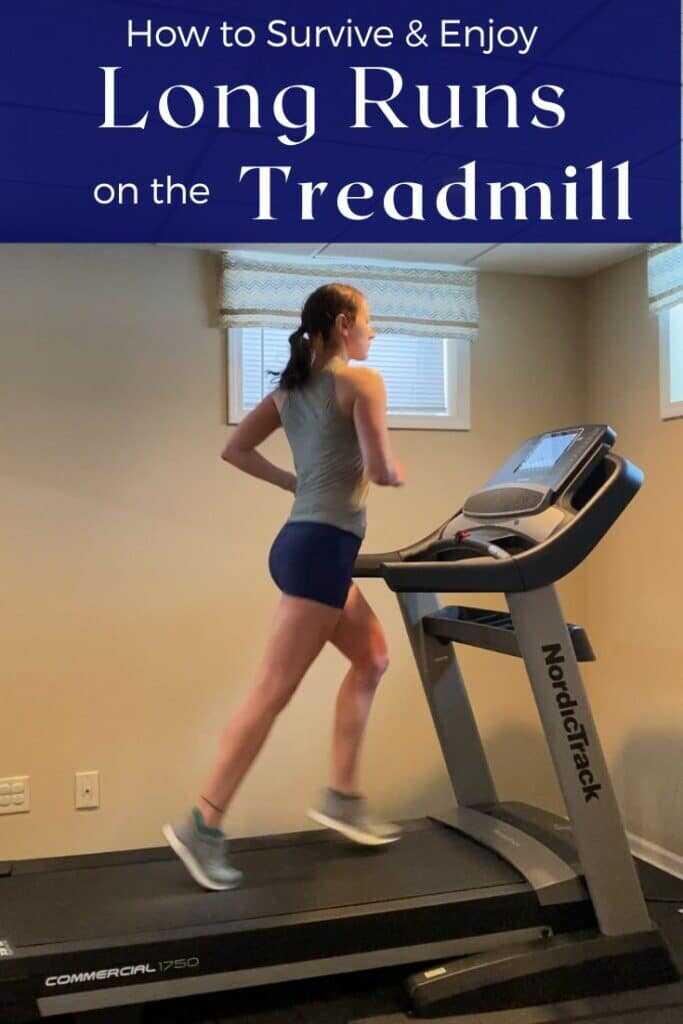
Why Treadmill Running May Feel Too Easy
Sometimes a treadmill workout feels easier because the machine is not showing an accurate speed. Older or poorly maintained treadmills may display a pace that differs from your true speed.
Belt calibration can change over time. Belt tension, motor condition, maintenance, and incline accuracy may also affect the workout. Commercial gym treadmills are often reliable, but no machine is perfect.
Handrail use is another issue. Holding the front or side rails can reduce the work required from your legs and core. It can also change your posture and make the displayed workout less meaningful.
Avoid holding the rails unless you need them for safety. If you must hold on, lower the speed or incline until you can run with a natural arm swing.
A treadmill can also feel easier because you stop before fatigue becomes serious. Outdoors, you must still travel back home. Indoors, you can press stop at any time. That psychological difference is real.
How to Make Treadmill Running More Like Outdoor Running
You can adjust treadmill training to better match outdoor effort. The goal is not to make every run harder. The goal is to make the workout fit your needs.
Try these practical changes:
• Use a small incline, often between 0% and 1%, for steady or fast running.
• Add a fan to improve cooling.
• Avoid holding the handrails.
• Use your normal outdoor shoes if they are safe and comfortable.
• Practice changing speed during the run.
• Add short incline sections to copy hills.
• Look forward instead of watching your feet.
• Keep your arms relaxed and let them swing naturally.
• Use effort and breathing, not speed alone, to judge the workout.
Do not automatically set a 1% incline for every session. Beginners, injured runners, and people doing slow recovery runs may do better at 0%. The right setting is the one that supports safe and useful training.
Common Mistakes to Avoid on a Treadmill
A treadmill is simple to use, but poor habits can reduce its value. Small mistakes may also increase the risk of pain or injury.
Avoid these common problems:
• Starting too fast because the workout feels easy.
• Jumping onto the moving belt while it is already fast.
• Looking down for long periods.
• Holding the rails during hard efforts.
• Ignoring pain because you are indoors.
• Skipping warm-up and cool-down time.
• Running in a hot room without airflow.
• Comparing treadmill speed with outdoor pace without considering conditions.
One mistake I often see is treating the treadmill display as a perfect measure of fitness. It is only one tool. Your breathing, heart rate, effort, and recovery also provide useful information.
If your outdoor pace is slower, do not assume you have lost fitness. Wind, hills, heat, and surface changes can explain much of the difference.
A Simple Treadmill Workout Plan
A balanced treadmill session can help you understand your effort and build confidence. Start with a warm-up, then choose one focused workout.
For an easy run:
-
Walk for 5 minutes.
-
Jog for 20 to 30 minutes at a pace that allows easy conversation.
-
Walk for 5 minutes to cool down.
For a tempo workout:
-
Warm up with 10 minutes of easy jogging.
-
Run 10 to 20 minutes at a strong but controlled pace.
-
Cool down for 5 to 10 minutes.
For intervals:
-
Warm up for 10 minutes.
-
Run hard for 1 minute.
-
Jog or walk easily for 2 minutes.
-
Repeat 6 to 10 times.
-
Cool down for 5 to 10 minutes.
Use the talk test to guide intensity. During an easy run, you should be able to speak in full sentences. During a hard interval, speaking should become difficult but not impossible.
If you are new to running, begin with less time and more walking. Progress slowly, and stop if you feel sharp pain, dizziness, chest pain, or unusual shortness of breath.
Frequently Asked Questions
Why is it easier to run on a treadmill than outside?
A treadmill removes wind resistance, uneven surfaces, hills, and many pacing problems. Indoor temperature control and a predictable belt can also lower physical and mental stress.
Does a treadmill make you run faster?
A treadmill may help you maintain a faster steady pace because it controls your speed and removes outside interruptions. However, the displayed speed may not perfectly match outdoor performance.
Should I use a 1% incline when running on a treadmill?
A 1% incline can make some faster treadmill runs closer to outdoor effort, but it is not required for every workout. Use 0% for many easy runs and adjust the incline based on your fitness and training goal.
Is treadmill running easier on your joints?
It may feel more comfortable because the surface is smooth and predictable, but joint stress depends on speed, form, footwear, body weight, and the machine. A treadmill is not automatically safer for every runner.
Can treadmill running improve outdoor running?
Yes. Treadmill workouts can build aerobic fitness, pacing skill, strength, and endurance. Include outdoor runs if you need to prepare for wind, hills, turns, or uneven surfaces.
Why does my treadmill pace feel different from my outdoor pace?
The treadmill removes wind and route changes, while outdoor pace is affected by weather, terrain, traffic, and surface. Differences in calibration, incline, fatigue, and running mechanics can also play a role.
Conclusion
The reason why is it easier to run on a treadmill comes down to control and reduced outside stress. The belt provides a steady surface and pace, while the indoor setting removes wind, hills, weather changes, and many mental distractions.
Treadmill running is not less valuable than outdoor running. It is simply a different form of training. Use it for controlled workouts, bad-weather days, pacing practice, and steady fitness gains. Add outdoor runs when you need real-world conditions.
Next time you run indoors, focus on effort, posture, breathing, and consistency rather than comparing speed alone. Try one treadmill workout this week, then share your experience or explore more training guidance to build a routine that works for you.

Brandon Knoxley is a sport & fitness writer and training guide contributor at MySportFitHub. He focuses on practical workouts, performance-based training, and honest fitness gear insights designed for real people and real results. Brandon is passionate about helping beginners and active individuals train smarter, avoid common mistakes, and build sustainable fitness habits.