
How To Clean Treadmill Belt: Simple Step-By-Step Guide
Wipe the belt regularly, vacuum the deck, and apply silicone lubricant as your manual directs.
I have cleaned hundreds of machines in home gyms and health clubs. This guide on how to clean treadmill belt explains safe, proven steps you can use today. I blend hands‑on tips, common mistakes, and simple science so you avoid damage and extend belt life. Read on to learn exact tools, quick daily moves, deep clean steps, and maintenance schedules for the best results.

Why cleaning the treadmill belt matters
A clean belt runs smoother. Dirt and sweat build up on the surface and under the belt. That extra grit causes friction. Friction shortens motor life, wears the deck, and makes workouts noisy.
Cleaning the treadmill belt reduces wear and lowers repair costs. It keeps your treadmill running safer and quieter. Regular care also preserves warranty terms for many models. Always check your manual before using cleaners or lubricants.

How often to clean the treadmill belt
Light users should wipe the belt weekly and vacuum the deck monthly. Heavy users should wipe after each sweat session and deep clean every 1–3 months. Lubricate the belt per your machine’s schedule, usually every 3–6 months or 150–300 miles.
If your treadmill sits in a dusty room, increase cleaning. If you see dust tracks, squeaks, or slowed motor starts, clean sooner. A simple routine keeps big problems away and saves you money.

Tools and materials you'll need
Keep these items ready before you clean the belt. Use only mild cleaners and the right lubricant.
- Soft microfiber cloths for wiping the top surface.
- Vacuum with a crevice tool to reach under the belt.
- Mild soap or a pH‑neutral cleaner diluted in water for stubborn dirt.
- Isopropyl alcohol (70%) on a cloth to remove sticky residues.
- Silicone treadmill lubricant (liquid recommended by many manufacturers).
- Allen wrench or tool kit for belt alignment and tension checks.
- Gloves for hygiene and protection.
Always avoid oil‑based lubricants that are not made for treadmills. Harsh solvents, petroleum products, and abrasive pads can harm the belt and deck.

Quick daily and weekly cleaning steps
Follow these fast steps to keep the belt clean day to day. These moves take five minutes.
- Turn off and unplug the treadmill.
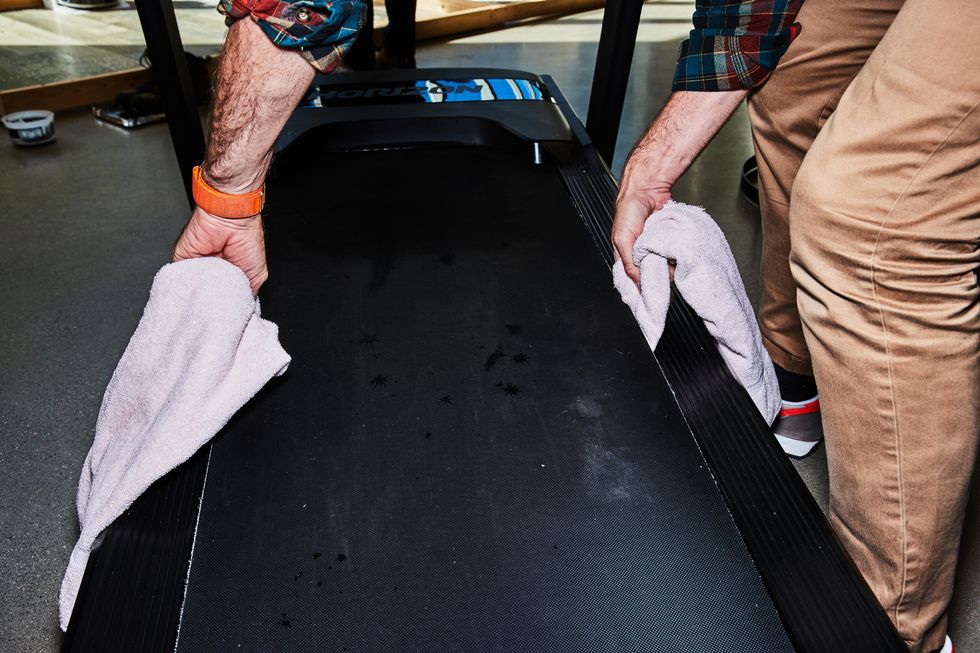
- Wipe the belt surface with a damp microfiber cloth to remove sweat.
- Wipe the side rails and console to control dust.
- Vacuum around and under the machine to stop dirt from getting on the belt.
- Inspect for tears, fraying, or unusual wear.
Repeat these steps regularly to prevent build‑up. Consistency is the best defense against early failure of the belt or motor.
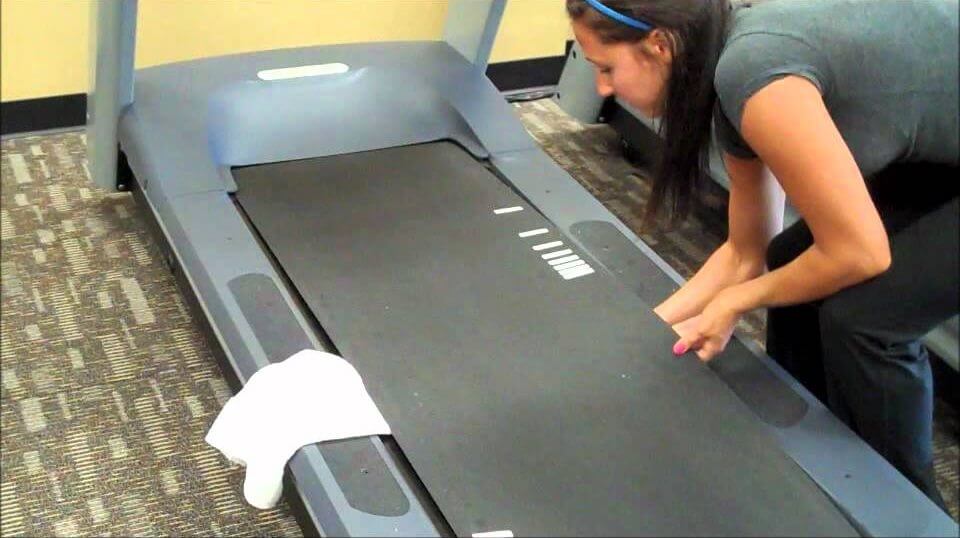
Deep clean and lubrication: step‑by‑step
Use this method for a thorough clean and proper lubrication. Read your treadmill manual first. If your manual says not to lift the belt or suggests a pro for lubrication, follow the manual.
- Power down and unplug the treadmill.
- Remove dust from the motor hood and vacuum under the deck.
- Clean the belt surface:
- Dampen a microfiber cloth with mild soap solution.
- Wipe sections of the belt while slowly rotating it by hand.
- For sticky spots, use isopropyl alcohol on a cloth and rub gently.
- Check belt tension and alignment:
- Place the belt at center and test run at 1–2 mph.
- If the belt drifts, use the rear roller bolts to adjust per manual.
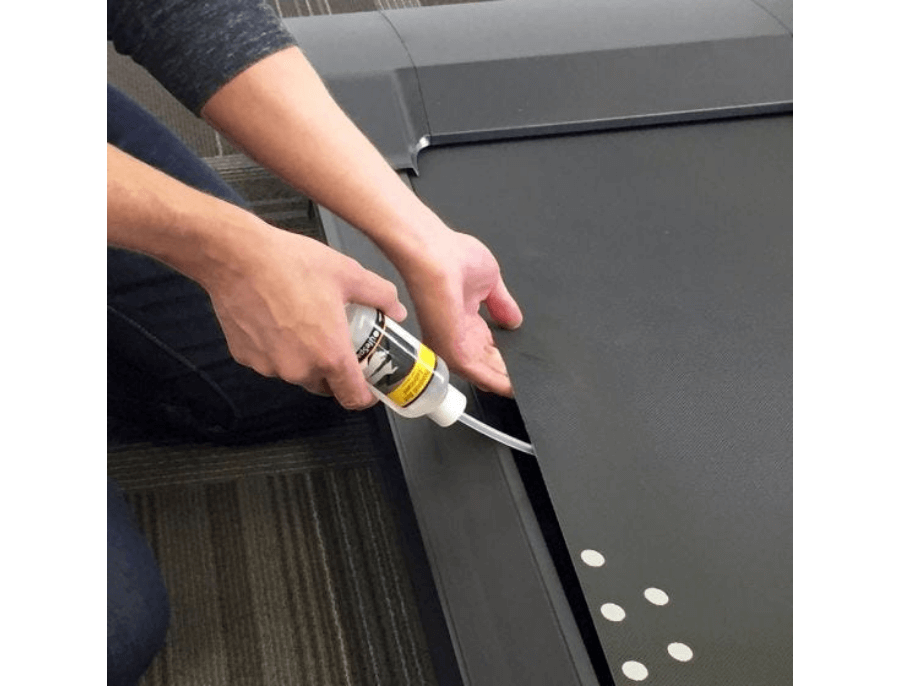
- Lubricate the underside:
- Loosen the belt slightly if your manual instructs.
- Lift the belt carefully and apply the silicone lubricant under the center third of the belt.
- Run the treadmill at low speed for 2–3 minutes to spread the lube.
- Wipe any excess lubricant from the deck and belt edges.
Do not over‑lubricate. Too much lubricant attracts dust and makes slippage. If unsure, apply a small amount, test, and repeat after a few days if needed.

Troubleshooting and common mistakes to avoid
These are problems I’ve seen again and again. Avoid these mistakes to keep the belt healthy.
- Overuse of household oils like WD‑40 damages the belt and motor.
- Skipping vacuuming lets grit grind the deck and belt.
- Tightening the belt too much strains the motor and bearings.
- Using harsh chemicals fades or cracks the belt surface.
- Not checking alignment leads to uneven wear and frayed edges.
If your treadmill squeaks after cleaning, check for excess lubricant on the belt surface or a misaligned belt. If the motor runs hot or the belt slips, stop and inspect tension and lubrication levels.
Maintenance schedule and record keeping
A written schedule helps you stay on track and spot trends. Here’s a simple calendar you can follow.
- Daily: Wipe sweat and dust off the belt and console.
- Weekly: Vacuum under and around the treadmill; wipe rails.
- Monthly: Inspect belt and deck for wear; clean more deeply if needed.
- Every 3–6 months: Lubricate per manufacturer guidance; check belt tension.
- Yearly: Do a full inspection of motor, rollers, and deck or schedule a pro service.
Keep a short log. Note dates for cleaning, lubrication, and any repairs. A log shows when problems repeat and helps technicians diagnose issues faster.

My hands‑on tips and lessons learned
I once cleaned a machine with an unknown oil and had to replace the belt. Lesson learned: always use silicone treadmill lubricant only. I also found that small, regular cleans beat long, infrequent deep cleans.
When adjusting tension, make tiny turns and test between adjustments. Use a thin card to test deck-to-belt clearance if your manual suggests it. Treat the belt like a running shoe: regular care extends its life and performance.
Safety and manufacturer warnings
Safety first. Always unplug the treadmill before cleaning or inspecting. Follow these points:
- Read and follow the owner’s manual for model‑specific rules.
- Avoid spraying cleaners directly on the motor or console.
- Never stand on the belt while adjusting tension or lubricating.
- Use only recommended lubricants and cleaning products.
If your treadmill is under warranty, some manufacturers require service by approved technicians. Check your warranty before doing deep work.
Frequently Asked Questions of how to clean treadmill belt
How often should I clean my treadmill belt?
Wipe the belt after sweaty sessions and do a deeper clean weekly or monthly depending on use. Heavy users should clean and check the belt every week.
What is the best cleaner for a treadmill belt?
Use a mild soap diluted in water or isopropyl alcohol for sticky spots. Avoid harsh solvents and oil‑based cleaners that can damage the belt.
How do I lubricate the treadmill belt safely?
Use a silicone‑based treadmill lubricant and apply under the center third of the belt per your manual. Run the belt at low speed briefly to spread the lube and wipe excess.
Can I lift the belt to clean under it?
Often you can lift the belt slightly for a light clean; consult your manual first. If the manual warns against lifting, schedule a pro service.
Why is my treadmill belt slipping after cleaning?
Slipping can be from too much lubricant on the top surface, low belt tension, or contaminants on the deck. Clean off excess lube, check tension, and reapply correctly.
When should I call a professional?
Call a pro if the motor runs hot, the belt frays, or you see uneven wear you cannot fix. Also call if your manual requires professional lubrication or inspection.
Conclusion
Cleaning and caring for your treadmill belt is simple but vital. Regular wiping, vacuuming, correct lubrication, and gentle adjustments keep the belt smooth and extend machine life. Start a short routine today and track your work. Your treadmill will reward you with better performance, fewer repairs, and longer life. If this guide helped, try the schedule above, subscribe for updates, or leave a comment with your treadmill model and questions.

Brandon Knoxley is a sport & fitness writer and training guide contributor at MySportFitHub. He focuses on practical workouts, performance-based training, and honest fitness gear insights designed for real people and real results. Brandon is passionate about helping beginners and active individuals train smarter, avoid common mistakes, and build sustainable fitness habits.