How to Combine Sports Practice And Workouts: Ultimate Time-Saving Tips
Are you struggling to balance your sports practice with your regular workouts? It can feel overwhelming trying to fit both into your busy schedule without burning out.
But what if you could train smarter, not harder, and get the best results from combining them? You’ll discover simple strategies to blend your sports practice and workouts effectively. By the end, you’ll have a clear plan to boost your performance, avoid injury, and stay motivated.
Keep reading—your body and game will thank you.
Benefits Of Combining Sports And Workouts
Combining sports practice with regular workouts offers many benefits. It creates a balanced routine that improves overall health. This mix boosts both physical and mental strength. Many people find it easier to stay active by doing both.
Enhanced Fitness Levels
Sports practice builds specific skills like speed and agility. Workouts increase strength and endurance. Together, they improve overall fitness much faster. This combination helps the body become more flexible and strong. It also reduces the risk of injuries during sports.
Improved Time Management
Combining sports and workouts saves time. You can plan sessions to cover both activities. This way, you avoid spending separate hours on each. It also makes your schedule more organized. Efficient use of time leads to better consistency.
Increased Motivation
Doing sports and workouts together keeps exercise fun. Sports add excitement and challenge to the routine. Workouts help track progress and build strength. This balance prevents boredom and burnout. It encourages you to keep going and improve.
Planning Your Schedule
Planning your schedule is key to combining sports practice and workouts. It helps you stay consistent and avoid burnout. A well-planned routine creates balance and improves performance. Start by understanding your weekly time and energy limits. Then, organize your activities to fit your goals and lifestyle.
Assessing Your Weekly Availability
Begin by checking your weekly calendar. Mark fixed commitments like work and family time. Note free hours that can go to sports or workouts. Be honest about your energy levels throughout the day. Some people have more energy in the morning, others in the evening. Use this to decide when to train. Avoid overloading days with too many activities.
Prioritizing Activities
Decide which activities matter most to you. Sports practice might be your main focus or just a hobby. Workouts can support your sports goals or general fitness. Rank your activities by importance and benefits. Choose quality over quantity. It is better to do fewer sessions well than many half-heartedly.
Balancing Intensity And Recovery
Mix hard and easy training days. Intense sports practice or workouts need recovery time. Recovery helps muscles heal and energy restore. Plan light activities or rest after tough sessions. Listen to your body’s signals to avoid injury. Proper balance keeps you active and healthy longer.
Effective Training Techniques
Effective training techniques help balance sports practice and workouts. These methods improve skills and build strength. They keep your routine fresh and focused. Using the right techniques saves time and boosts results. It is important to choose exercises that fit your sport and fitness goals.
Incorporating Sport-specific Exercises
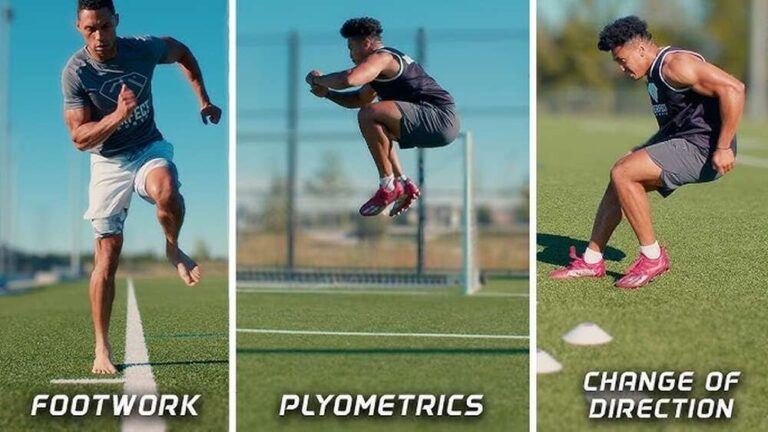
Sport-specific exercises target muscles used in your sport. They improve your performance and reduce injury risks. For example, runners can do leg drills and balance work. Basketball players benefit from jumping and quick direction changes. These exercises make your training more efficient and relevant.
Using High-intensity Interval Training
High-Intensity Interval Training (HIIT) mixes short bursts of effort with rest. It builds speed, endurance, and burns fat fast. HIIT can fit in short workout sessions. It suits athletes who need quick, intense training. This method also keeps workouts exciting and less tiring.
Cross-training Advantages
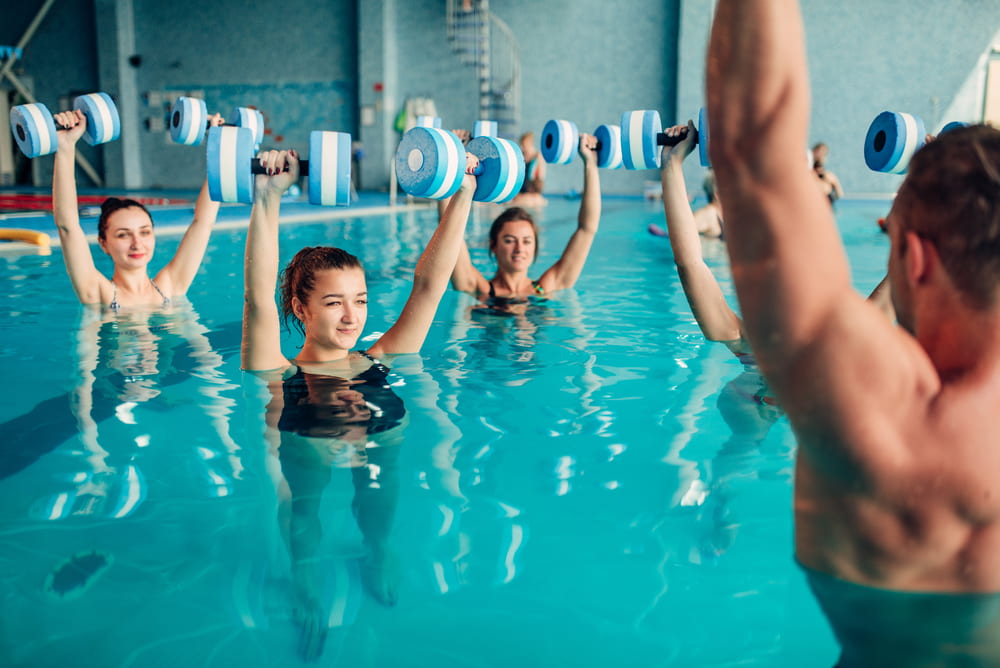
Cross-training uses different activities to improve overall fitness. It helps avoid boredom and overuse injuries. Swimming or cycling offers good cardio without stressing joints. Strength training builds muscles that support your sport. Mixing exercises creates a balanced and strong body.
Credit: plungesandiego.com
Maximizing Workout Efficiency
Maximizing workout efficiency helps you get the best results in less time. It keeps your body strong and ready for sports. Efficient workouts improve endurance, strength, and recovery. This balance supports both your sports practice and fitness goals.
Combining Strength And Cardio
Mix strength training with cardio in one session. This saves time and boosts overall fitness. For example, do weight lifting followed by a short run. It helps build muscle and improve heart health. This combo trains your body for sports better.
Utilizing Compound Movements
Use exercises that work several muscles at once. Squats, deadlifts, and push-ups are good examples. They save time and increase workout intensity. Compound movements also improve coordination and balance. These benefits help your sports performance greatly.
Shortening Rest Periods
Keep rest breaks short between sets. This keeps your heart rate up and burns more calories. Short rests improve stamina and speed recovery. Try resting 30 seconds or less after each set. This method makes workouts more efficient and effective.
Time-saving Tips
Saving time is key when combining sports practice and workouts. Efficient use of time helps maintain energy and focus. Small habits can create big differences in your daily routine. Here are some practical tips to help you manage both activities smoothly.
Preparing Gear In Advance
Get your sportswear and workout clothes ready the night before. Pack your bag with shoes, water bottle, and towel early. This reduces stress and saves time in the morning. You avoid rushing and forgetting important items. Simple preparation sets the tone for a smooth day.
Scheduling Workouts During Breaks
Use short breaks at work for quick exercises. Ten to fifteen minutes of stretching or light cardio works well. This keeps your body active without needing extra time. Plan these sessions during lunch or between meetings. It keeps energy up and helps balance your schedule.
Leveraging Group Sessions
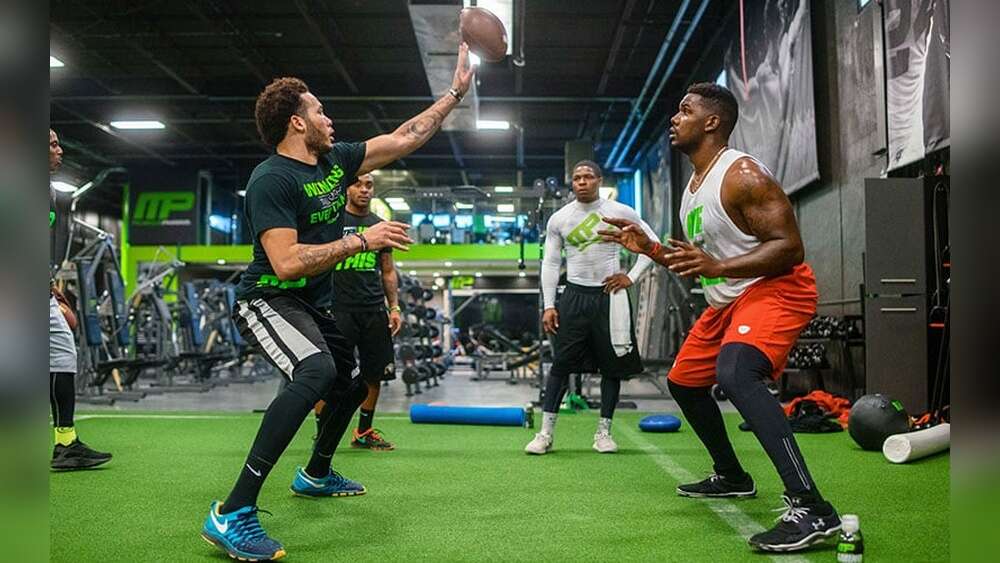
Join group workouts or sports teams. This combines social time with exercise. Group sessions keep you motivated and accountable. You save time by practicing and training together. It also makes workouts more fun and less of a chore.

Credit: paragontrainingmethods.com
Nutrition And Recovery
Nutrition and recovery play a big role in balancing sports practice and workouts. Proper fuel helps your body perform well. Good recovery lets your muscles heal and grow stronger. Both support your energy and reduce injury risks.
Eating the right food and resting well are key. This section covers simple meal ideas, hydration tips, and sleep advice. Follow these steps to stay healthy and active.
Quick Meal Prep Ideas
Prepare meals ahead to save time and eat healthy. Choose easy recipes with proteins, carbs, and veggies. Try grilled chicken with rice and steamed broccoli. Make overnight oats with fruits for a fast breakfast. Keep snacks like nuts and yogurt handy. This keeps your energy steady through practice and workouts.
Importance Of Hydration
Drink water before, during, and after exercise. Water helps your body cool down and work better. Avoid sugary drinks that drain your energy. Carry a water bottle and sip often. Dehydration causes tiredness and cramps. Staying hydrated improves focus and performance.
Optimizing Sleep Quality
Sleep repairs muscles and boosts energy. Aim for 7 to 9 hours each night. Create a quiet, dark, and cool bedroom. Avoid screens at least 30 minutes before bed. Stick to a regular sleep schedule. Good sleep helps you recover faster and stay strong.
Tracking Progress
Tracking progress is key to improving both sports practice and workouts. It helps you see what works and what needs change. By keeping track, you stay motivated and focused.
Using Apps And Wearables
Apps and wearables make tracking easy and accurate. They record steps, heart rate, and calories burned. Some apps track specific sports activities. Wearables give real-time feedback during workouts. This data helps you understand your body better.
Setting Realistic Goals
Set clear and simple goals to measure progress. Goals should be small and achievable. For example, run a little longer each week. Realistic goals keep you motivated and prevent burnout. Celebrate small wins to stay encouraged.
Adjusting Plans Based On Results
Use your tracked data to change your plan. If progress slows, try a new workout or rest more. Adjust sports practice based on your energy levels. Flexibility helps avoid injury and keeps progress steady. Listen to your body and adapt accordingly.

Credit: sportsacademy.us
Frequently Asked Questions
How Can I Balance Sports Practice With Daily Workouts?
Balancing sports and workouts requires planning. Schedule workouts on non-practice days or focus on complementary muscle groups. Prioritize rest and recovery to avoid burnout and optimize performance.
What Are The Best Workouts To Complement Sports Practice?
Strength training, flexibility exercises, and cardio are ideal. These workouts enhance endurance, power, and injury prevention. Tailor routines to your sport’s specific demands for best results.
How Often Should I Train If I Practice Sports Regularly?
Train 3-5 times weekly, balancing intensity and rest. Include recovery days to prevent overtraining. Listen to your body and adjust based on fatigue and progress.
Can Combining Sports And Workouts Improve Overall Fitness?
Yes, combining both improves endurance, strength, and agility. It boosts athletic performance and reduces injury risks. This holistic approach promotes long-term fitness and health.
Conclusion
Balancing sports practice and workouts takes planning and focus. Set clear goals for both activities. Create a schedule that fits your daily routine. Rest well to keep your energy high. Listen to your body to avoid injuries. Small steps lead to big progress over time.
Stay consistent and enjoy the process. This balance helps improve skills and overall fitness. Keep working hard, and results will follow.

Brandon Knoxley is a sport & fitness writer and training guide contributor at MySportFitHub. He focuses on practical workouts, performance-based training, and honest fitness gear insights designed for real people and real results. Brandon is passionate about helping beginners and active individuals train smarter, avoid common mistakes, and build sustainable fitness habits.