
How to Increase Training Intensity Safely Sports: Expert Tips
Are you ready to push your limits and get the most out of your workouts? Increasing your training intensity can take your sports performance to the next level, but doing it the right way is key.
You want to challenge your body without risking injury or burnout. You’ll discover simple, effective ways to safely boost your training intensity. By following these tips, you’ll see faster progress, feel stronger, and stay motivated every step of the way.
Keep reading to unlock the secrets to training harder—and smarter.
Benefits Of High-intensity Training
High-intensity training offers many benefits for athletes and fitness lovers. It pushes your body harder than usual. This helps your muscles and heart grow stronger. The best part? You can get great results in less time. Training with high intensity safely boosts your progress and keeps you motivated.
Boosting Performance
High-intensity training raises your strength and speed. It trains your muscles to work harder and faster. This leads to better sports skills and quicker reactions. Your body adapts to the challenge and improves overall performance. Regular sessions help you reach new personal bests.
Enhancing Endurance
Intense workouts increase your stamina over time. Your heart and lungs become more efficient. This means you can exercise longer without getting tired. High-intensity training conditions your body to use oxygen better. As a result, endurance in sports and daily activities improves.
Accelerating Fat Loss
High-intensity training burns many calories in a short time. It speeds up your metabolism even after the workout ends. This helps your body keep burning fat throughout the day. You lose fat faster while preserving muscle strength. This makes your body leaner and healthier.

Credit: asbbs.org
Assessing Current Fitness Levels
Assessing your current fitness levels is the first step to safely increase training intensity. It helps you understand your strengths and areas for improvement. This knowledge prevents injury and guides your progress. Knowing where you stand ensures you set the right pace for training.
Conducting Self-evaluations
Start by measuring your endurance, strength, and flexibility. Use simple tests like timed runs or push-up counts. Track your heart rate during exercise to gauge effort. Keep a workout journal to record your results. Self-evaluations help you notice changes over time.
Consulting Professionals
Seek advice from trainers or coaches for expert insights. They can perform fitness assessments and identify risks. Professionals create personalized plans based on your abilities. They teach proper form and safety techniques. Their guidance improves training effectiveness and reduces injury chance.
Setting Realistic Goals
Set clear, achievable targets based on your fitness data. Break big goals into smaller steps for steady progress. Avoid pushing too hard too soon. Celebrate small wins to stay motivated. Realistic goals keep training safe and enjoyable.
Techniques To Safely Increase Intensity
Increasing training intensity helps improve strength, speed, and endurance. Doing it safely prevents injuries and burnout. Follow proven techniques to raise intensity without harm. Keep your body ready and avoid sudden jumps in effort.
These methods allow steady progress and better results. Each approach supports your fitness journey in a healthy way.
Gradual Progression
Increase your training load slowly over time. Add small amounts of weight, speed, or duration each week. This helps your muscles and joints adapt. Avoid pushing too hard too fast. Gradual steps reduce the risk of strains and soreness.
Incorporating Interval Training
Use short bursts of high effort with rest periods. For example, sprint for 30 seconds, then walk for one minute. Repeat several times. This method boosts intensity without long stress. Interval training improves cardiovascular fitness and burns calories efficiently.
Using Proper Form
Maintain good technique in every exercise. Proper form protects your body from injury. It also makes your training more effective. Focus on posture, alignment, and controlled movements. If unsure, ask a coach or watch tutorials to learn correct form.
Monitoring Recovery And Avoiding Injury
Increasing training intensity boosts performance but raises injury risks. Monitoring recovery and avoiding injury are key to safe progress. Athletes must listen to their bodies and adjust effort accordingly. Smart recovery habits support growth and reduce setbacks.
Recognizing Signs Of Overtraining
Overtraining causes fatigue, poor sleep, and low motivation. Muscle soreness lasting days signals excess strain. Notice irritability or slower reflexes. These symptoms warn of too much stress on the body. Address them early to prevent injury and burnout.
Importance Of Rest Days
Rest days let muscles heal and rebuild. Skipping rest slows progress and raises injury risk. Plan regular breaks in your training schedule. Quality rest improves strength and endurance. Use rest days for light activities or complete relaxation.
Utilizing Recovery Methods
Recovery methods speed healing and reduce soreness. Stretching improves flexibility and blood flow. Foam rolling breaks up muscle tightness. Cold baths lower inflammation after tough workouts. Proper nutrition and hydration also aid recovery. Combine these methods for best results.
Nutrition Strategies For Intense Training
Nutrition plays a key role in boosting training intensity safely. Proper food and drink choices help your body perform better. They support energy, recovery, and muscle strength. Without good nutrition, intense workouts can cause fatigue or injury.
Focus on smart eating and drinking habits. These help you train harder and recover faster. Let’s explore some simple nutrition strategies for intense training.
Fueling Workouts
Eat carbohydrates before exercise to give your muscles energy. Choose whole grains, fruits, or vegetables. Protein after training helps repair muscles. Include lean meats, eggs, or beans in your meal. Avoid heavy or greasy foods that slow you down. Small, balanced meals keep energy levels steady.
Hydration Tips
Drink water before, during, and after workouts. Staying hydrated improves focus and strength. For long sessions, include drinks with electrolytes. These replace minerals lost in sweat. Avoid sugary or caffeinated drinks that cause dehydration. Listen to your body’s thirst signals.
Supplements To Consider
Some supplements can aid intense training safely. Protein powders help meet daily protein needs. Creatine supports muscle strength and endurance. Omega-3s reduce inflammation and improve recovery. Always choose high-quality supplements. Consult a healthcare provider before starting any supplement.
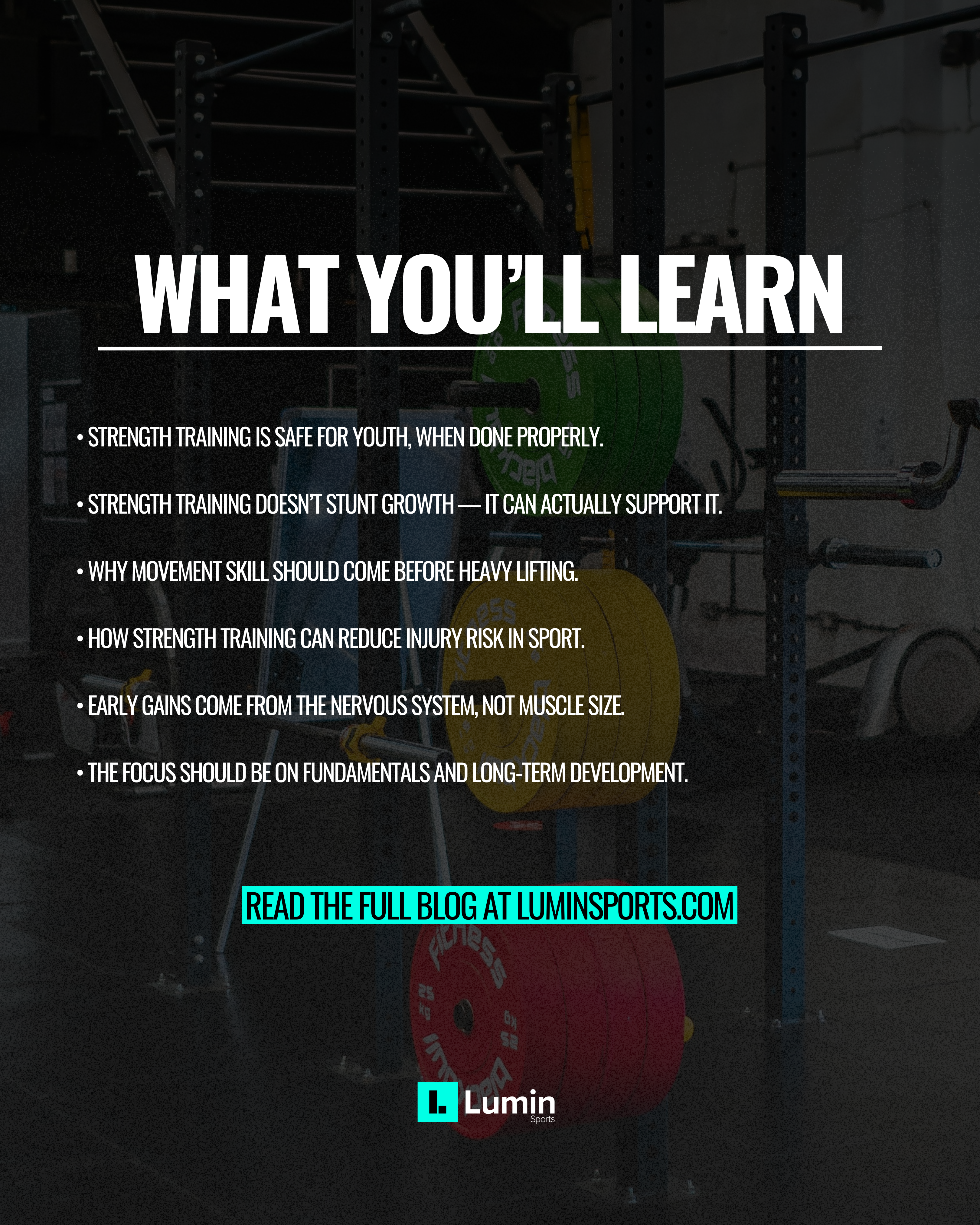
Credit: luminsports.com
Mental Strategies To Maintain Motivation
Increasing training intensity requires strong mental focus. Staying motivated helps you push through tough workouts. Mental strategies keep your mind sharp and ready. These methods help maintain your drive and consistency.
Setting Short-term Milestones
Break big goals into small, clear steps. Short milestones make progress visible and real. Celebrate each small win to boost confidence. This keeps motivation high and prevents burnout. It also helps track improvements every week.
Visualizing Success
Picture yourself completing workouts with ease. Imagine the feeling of achieving your goals. Visualization builds a positive mindset for training. It trains your brain to expect success. This mental practice increases focus and effort.
Building A Support System
Surround yourself with people who encourage you. Share your goals with friends or teammates. Their support helps during hard training days. They keep you accountable and motivated. A strong support system makes training less lonely and more fun.

Credit: tenniselbowclassroom.com
Frequently Asked Questions
How Can I Safely Increase Training Intensity In Sports?
Gradually raise your workout intensity by adding more reps or weight. Always warm up and listen to your body to avoid injury.
What Are Signs Of Overtraining During Intense Sports Training?
Look for persistent fatigue, decreased performance, irritability, and prolonged muscle soreness. Rest and proper nutrition help prevent overtraining.
How Important Is Rest When Increasing Training Intensity?
Rest is crucial for muscle recovery and injury prevention. Incorporate rest days and adequate sleep to safely boost training intensity.
Which Exercises Help Boost Sports Training Intensity Effectively?
High-intensity interval training (HIIT), plyometrics, and resistance training increase intensity safely. Focus on proper form to avoid injuries.
Conclusion
Increasing training intensity requires care and smart choices. Start slow and listen to your body. Use proper warm-ups and rest to avoid injuries. Track your progress and adjust workouts safely. Focus on good form and steady improvements. Stay consistent and patient for the best results.
This approach helps you train harder without harm. Keep training smart and enjoy steady gains over time. Safety and effort together build stronger athletes.

Brandon Knoxley is a sport & fitness writer and training guide contributor at MySportFitHub. He focuses on practical workouts, performance-based training, and honest fitness gear insights designed for real people and real results. Brandon is passionate about helping beginners and active individuals train smarter, avoid common mistakes, and build sustainable fitness habits.