How to Fix Poor Sports Movement Patterns: Proven Tips for Success
Are you struggling with poor sports movement patterns that hold you back from reaching your full potential? You’re not alone.
When your body doesn’t move the right way, it can lead to frustration, slower progress, and even injuries. But here’s the good news: fixing these patterns is possible, and it starts with understanding what’s going wrong. You’ll discover simple, practical steps to improve your movement, boost your performance, and protect your body.
Keep reading, because the changes you make today could transform the way you play tomorrow.

Credit: evolveny.com
Common Causes Of Poor Movement
Poor sports movement patterns can cause injuries and limit performance. Understanding why these patterns happen is the first step to fixing them. Several common causes affect how the body moves during sports activities.
Muscle Imbalances
Muscle imbalances occur when some muscles are stronger or tighter than others. This difference pulls the body out of alignment. It changes how joints move and increases injury risk. Balancing muscle strength helps improve movement quality.
Limited Mobility
Limited mobility means joints do not move through their full range. Stiff joints reduce flexibility and cause poor movement patterns. Stretching and mobility exercises can restore joint function. Better mobility allows smoother and safer movements.
Improper Technique
Improper technique happens when movements are done incorrectly. Bad habits form over time, leading to inefficient and risky motions. Learning correct form from a coach or trainer prevents this problem. Proper technique protects the body and boosts performance.
Credit: www.btgpeds.com
Assessing Your Movement Patterns
Assessing your movement patterns is the first step to improve your sports skills. It helps identify weak spots and wrong habits. Understanding how you move allows you to fix mistakes early. This saves time and reduces injury risk.
Self-evaluation Techniques
Start by paying close attention to your body during exercises. Notice how your feet, knees, and hips move. Use simple tests like squats or lunges to check balance and control. Feel for pain or stiffness. Write down what feels off. Small changes can make a big difference.
Using Video Analysis
Record yourself performing key movements. Watch the video slowly and pause to study your form. Compare it to professional athletes or coaches’ examples. Look for misalignments or uneven movements. Video helps spot errors your body cannot feel. It gives clear proof of what needs fixing.
Seeking Professional Assessment
Consult a coach or physical therapist for expert advice. They use tools and tests to analyze your movements deeply. Professionals spot hidden problems and offer tailored exercises. Their feedback guides you safely towards better performance. Getting expert help speeds up progress and prevents injury.
Corrective Exercises To Improve Movement
Corrective exercises play a vital role in fixing poor sports movement patterns. These exercises help the body move more efficiently and reduce injury risk. By focusing on mobility, strength, and coordination, athletes can improve their overall performance. Below are key areas to target with corrective exercises.
Mobility Drills
Mobility drills increase the range of motion in joints. Better mobility allows smoother and safer movements. Simple stretches and controlled movements can relieve tight muscles. Examples include hip circles, ankle rolls, and shoulder stretches. Perform these drills regularly to keep joints flexible.
Strengthening Weak Muscles
Weak muscles cause imbalances that disrupt proper movement patterns. Strengthening these muscles restores balance and support. Focus on areas like the core, hips, and glutes. Use bodyweight exercises such as bridges, planks, and squats. Consistent strength training enhances stability and power.
Neuromuscular Re-education
Neuromuscular re-education trains the brain and muscles to work together. This improves movement control and timing. Exercises include balance drills, coordination tasks, and slow, controlled motions. Using tools like balance boards or cones helps retrain movement patterns. This process enhances body awareness and precision.
Incorporating Movement Training Into Workouts
Incorporating movement training into workouts helps improve sports skills and prevents injuries. It focuses on correct body positions and smooth motions. This training makes athletes more efficient and stronger in their movements. It fits well with any workout plan to boost overall performance.
Warm-up Strategies
Start with light exercises to prepare your muscles and joints. Dynamic stretches like leg swings or arm circles increase blood flow. Warm-ups should mimic the movements used in your sport. This prepares the body and mind for harder work ahead. Avoid static stretching before activity; it can reduce power.
Functional Movement Integration
Include exercises that reflect real sports actions. Movements like squats, lunges, and pushes build strength and coordination. Use multi-directional drills to improve balance and agility. Training should target muscle groups working together. This creates smooth, natural movement patterns during play.
Progressive Overload Principles
Increase workout difficulty gradually to build strength and skill. Add more reps, sets, or weight over time. Challenge your body without causing injury or strain. Track progress to know when to step up intensity. This approach helps maintain steady improvement in movement quality.
Tips For Maintaining Proper Movement
Maintaining proper movement is key to fixing poor sports movement patterns. It helps prevent injuries and improves performance. Consistent effort and smart habits keep your body moving right. Here are some simple tips to maintain good movement.
Consistent Practice
Practice regularly to build strong movement habits. Short, daily sessions work better than long, rare workouts. Repetition helps your brain and muscles remember the correct way to move. Focus on quality, not just quantity.
Monitoring Fatigue And Form
Watch your body for signs of tiredness. Fatigue can cause poor form and increase injury risk. Stop or slow down if your movements become sloppy. Keep your posture and technique clean at all times.
Using Feedback Tools
Use mirrors, videos, or apps to check your movement. Feedback helps you spot mistakes you cannot feel. Coaches or trainers can also give useful advice. Correcting errors early keeps your progress steady and safe.
Common Mistakes To Avoid
Poor sports movement patterns can hurt your performance and cause injury. Many athletes make simple mistakes that stop progress. Avoiding these errors helps you move better and stay safe.
Neglecting Mobility Work
Skipping mobility exercises limits your movement range. Tight muscles and joints cause poor form. Spend time on stretching and joint drills. This builds flexibility and improves your body control.
Overtraining Specific Patterns
Repeating the same moves too much leads to muscle imbalance. Your body grows tired and weak in some areas. Mix training with different exercises. Rest and recovery matter as much as practice.
Ignoring Pain Signals
Pain is your body’s warning sign. Pushing through pain can cause serious injury. Stop if something hurts and check your technique. See a professional if pain lasts. Protect your body to perform well.

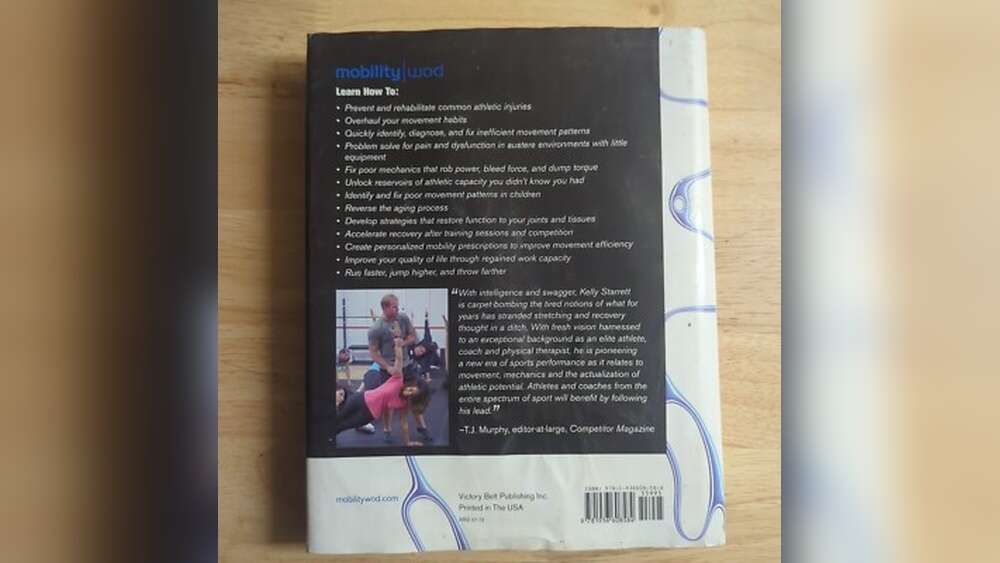
Credit: www.ebay.com
Frequently Asked Questions
What Causes Poor Sports Movement Patterns?
Poor sports movement patterns often stem from muscle imbalances, lack of flexibility, or improper technique. Weak core muscles and limited joint mobility also contribute. Identifying these issues helps target the right corrective exercises. Proper coaching and regular practice can improve movement efficiency and reduce injury risk.
How Can I Improve My Sports Movement Patterns?
Focus on strength training, flexibility, and mobility exercises to correct poor patterns. Incorporate drills that emphasize proper form and technique. Regularly assess your movements with a coach or video analysis. Consistency in training and mindful practice are key to long-term improvement.
Can Poor Movement Patterns Lead To Injuries?
Yes, poor movement patterns increase the risk of injuries like strains, sprains, and joint damage. Incorrect technique places excessive stress on muscles and ligaments. Fixing these patterns through corrective exercises helps prevent injuries and enhances athletic performance.
How Long Does It Take To Fix Movement Patterns?
Fixing movement patterns varies but usually takes several weeks to months. Consistent practice, proper guidance, and strength training speed up progress. Patience and persistence are essential for lasting changes and injury prevention.
Conclusion
Fixing poor sports movement patterns takes time and effort. Start with simple exercises to build good habits. Focus on proper form and control. Practice regularly to see steady improvement. Listen to your body and avoid pain. Small changes can lead to big results.
Stay patient and keep pushing forward. Better movement means better performance and less injury. Everyone can improve with the right steps. Keep working, and success will follow.

Brandon Knoxley is a sport & fitness writer and training guide contributor at MySportFitHub. He focuses on practical workouts, performance-based training, and honest fitness gear insights designed for real people and real results. Brandon is passionate about helping beginners and active individuals train smarter, avoid common mistakes, and build sustainable fitness habits.