What’s The Difference: Walking Pad Vs. Treadmill
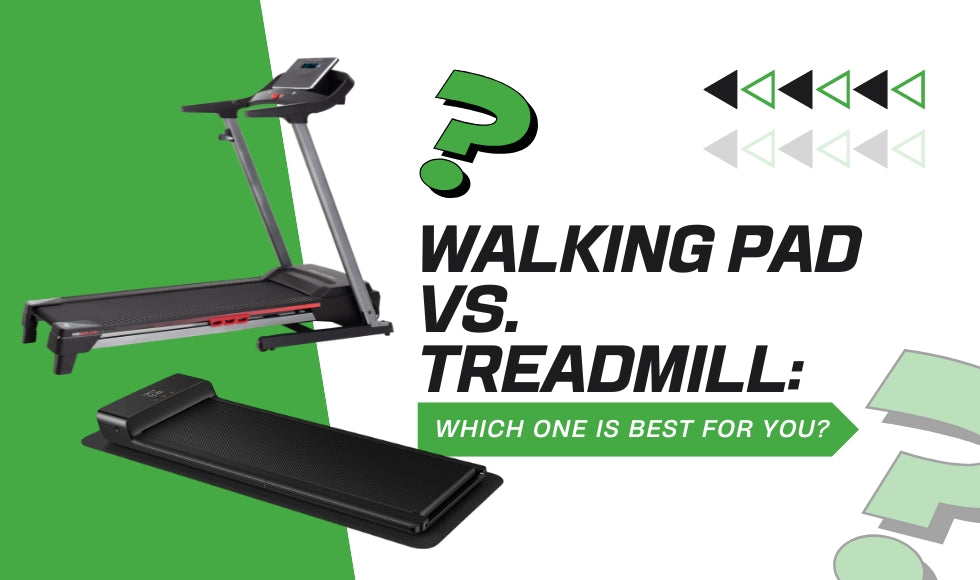
A walking pad is compact and quiet for walking, while a treadmill is larger, faster, and built for varied workouts.
Understanding what's the difference between a walking pad and a treadmill helps you choose equipment that fits your space, fitness goals, and daily routine. Both use a moving belt to help you walk indoors, but their design, speed, safety features, workout range, and price can be very different. This guide breaks down the practical details so you can buy with confidence.
What Is a Walking Pad?
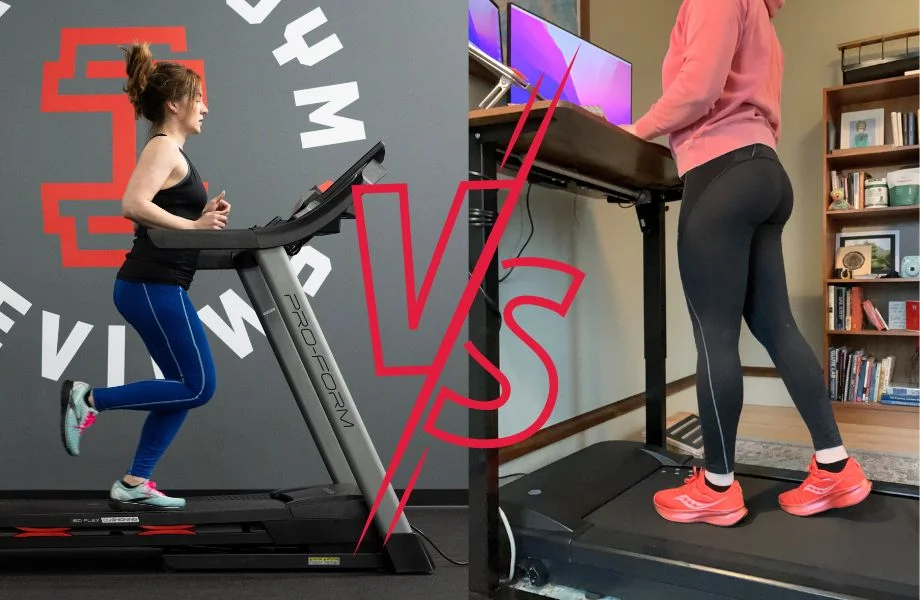
A walking pad is a compact treadmill made mainly for walking. Most models have a slim deck, a small motor, and few or no handrails. Some are designed to slide under a desk, sofa, or bed when not in use.
Walking pads usually reach speeds between 3 and 4 miles per hour. A few stronger models may reach 6 miles per hour, but they are still not ideal for serious running. Their main purpose is to help you move more during the day.
Common walking pad users include:
• Office workers who want to walk while using a standing desk
• Apartment residents with limited floor space
• Beginners who prefer low-impact exercise
• People who want a simple way to increase daily steps
• Older adults who need gentle indoor movement, with proper safety support
A walking pad often has a remote control, a basic display, and a folding or flat design. Some include app support, step tracking, Bluetooth, and small incline features. However, advanced training features are less common than they are on full-size treadmills.
What Is a Treadmill?
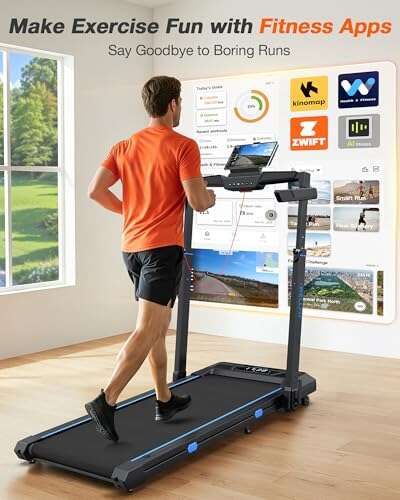
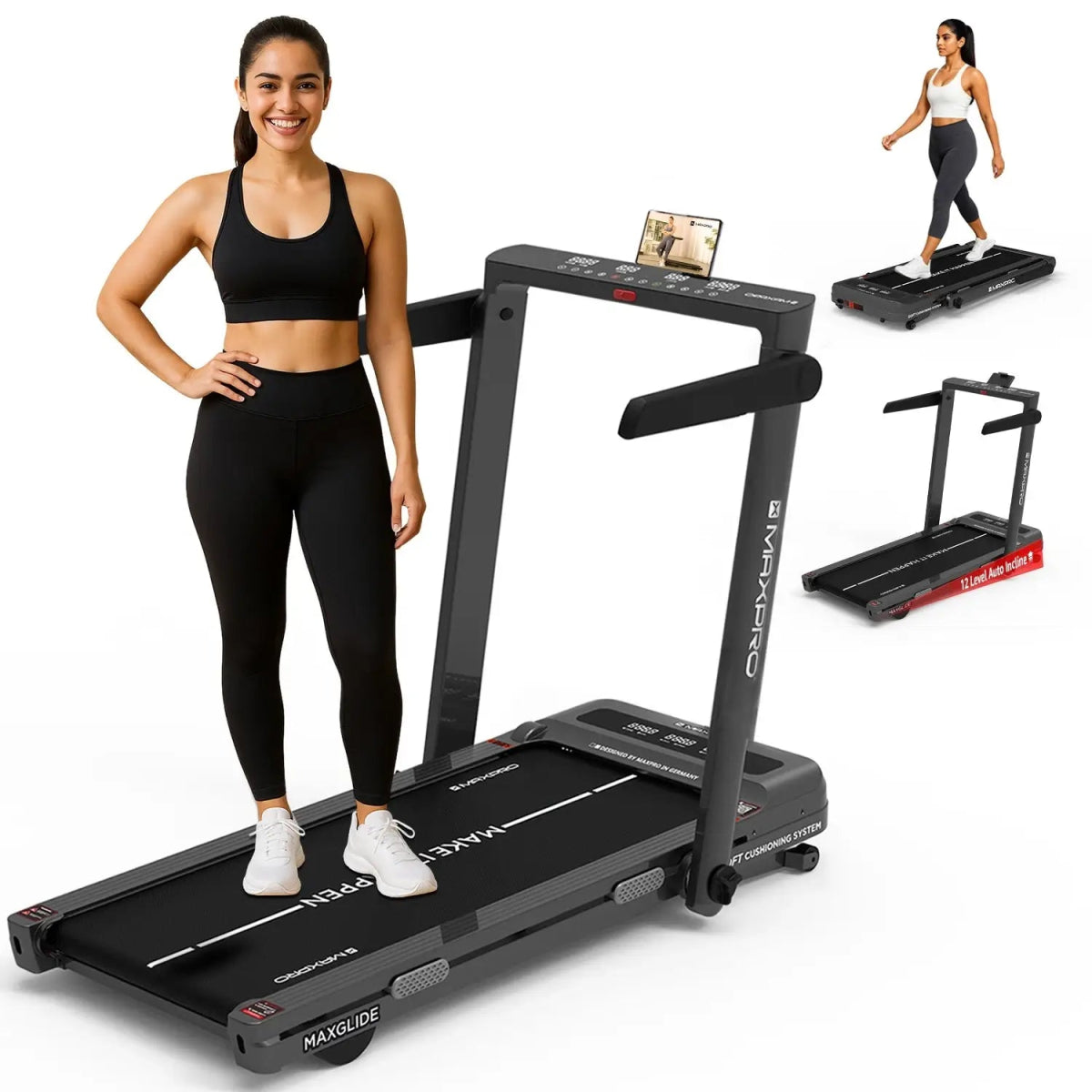
A treadmill is a larger exercise machine built for walking, jogging, and running. It usually includes a longer and wider belt, a stronger motor, fixed handrails, and a console with workout controls.
Most home treadmills can reach speeds from 8 to 12 miles per hour. Commercial models may go faster. Many also offer automatic incline, heart rate programs, interval workouts, shock absorption, and built-in training screens.
A treadmill is suited to more demanding exercise. You can use it for:
• Easy walking
• Brisk walking
• Jogging
• Running
• Hill training
• Interval workouts
• Physical rehabilitation, when approved by a health professional
The larger frame gives you more room to move. This matters when you run, change pace, or have a longer stride. A treadmill also tends to feel more stable because it has a stronger base and higher side rails.
Walking Pad vs. Treadmill: The Main Differences
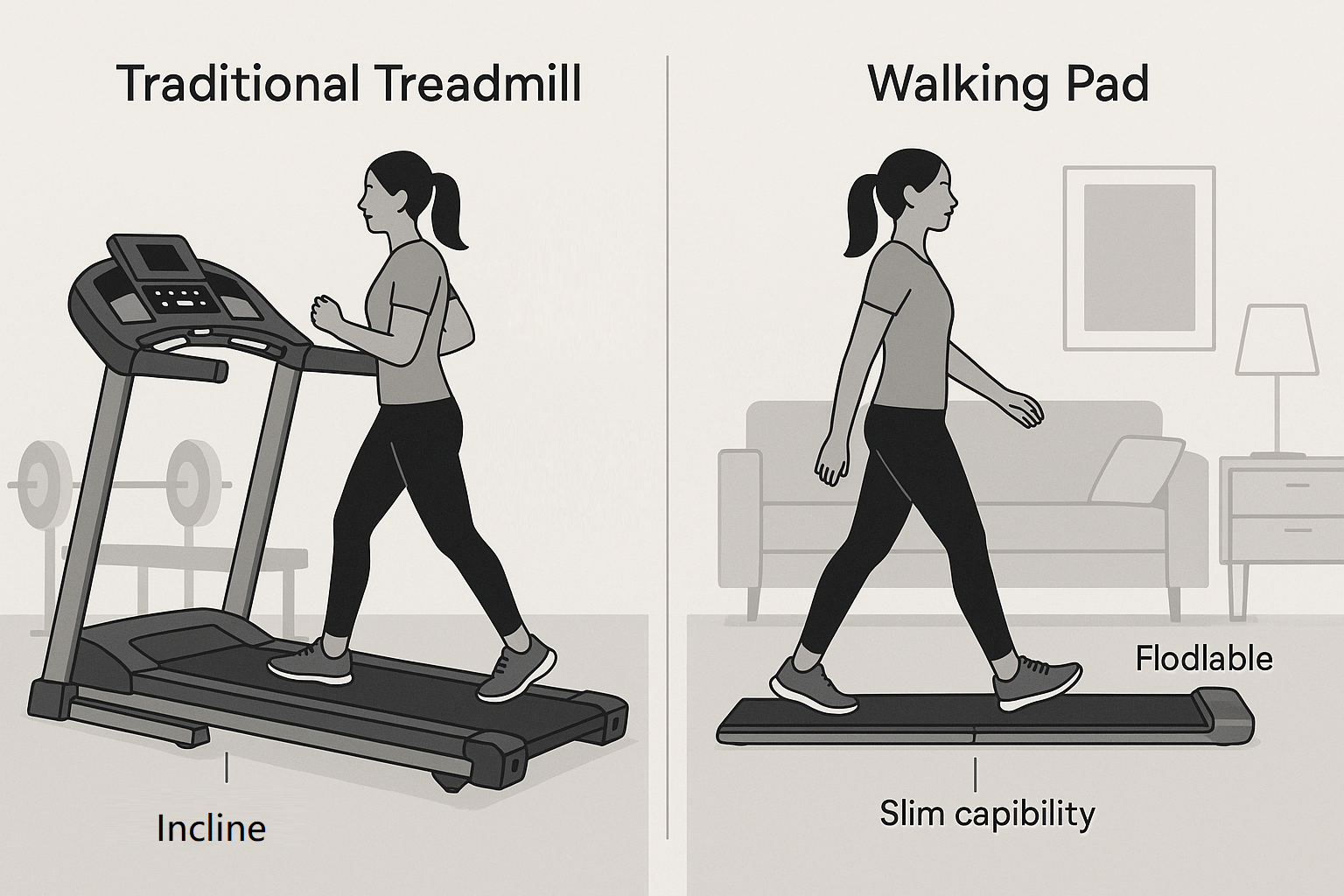
The clearest way to understand what's the difference between a walking pad and a treadmill is to compare their intended use. A walking pad is a simple movement tool. A treadmill is a more complete training machine.
| Feature | Walking pad | Treadmill |
|---|---|---|
| Main use | Walking and light activity | Walking, jogging, and running |
| Typical speed | About 0.5 to 4 mph | About 0.5 to 12 mph |
| Size | Slim and compact | Larger and heavier |
| Handrails | Often absent or removable | Usually included |
| Incline | Rare or limited | Common on many models |
| Running deck | Shorter and narrower | Longer and wider |
| Storage | Easy to move or store | Needs a larger, fixed space |
| Price | Often lower | Usually higher |
| Workout options | Basic | More advanced |
| Best for | Daily steps and light walking | Structured cardio and running |
Speed and workout intensity
Walking pads work well for slow or moderate walking. They are useful when you want to walk during a work call or add movement to a mostly seated day.
Treadmills support a much wider range of speeds. You can warm up at 3 mph, jog at 5 mph, and run at 7 mph or more. This makes a treadmill better for progressive training.
Size and storage
A walking pad can often fit beneath a desk or bed. Some models weigh less than 60 pounds, although motor strength and frame design affect the actual weight.
A treadmill takes up more room. Even folding treadmills need enough space for safe use and storage. You should also leave open space around the machine so you can step off safely.
Incline options
Many walking pads have no incline function. Some premium models offer a small manual or automatic incline, but this is not standard.
Treadmills often include incline settings from 5% to 15%. Walking uphill raises workout intensity without requiring a faster belt speed. It can also help target the calves and glutes more, though it may place more stress on the knees or Achilles tendon.
Stability and support
A treadmill normally has a firm frame and side rails. These features can help new users feel secure, especially when changing speed.
A walking pad without rails demands better balance. It may not be the best choice for someone who feels unsteady. Holding a desk while walking can also change posture and create a fall risk if the desk is not stable.
Noise
Both machines make noise, but the sound depends on the motor, belt, floor, and walking style. Walking pads are often quieter at slow speeds. This makes them attractive for apartments and shared work areas.
A treadmill becomes louder as speed rises. Running creates more foot impact, motor noise, and vibration. A rubber exercise mat can reduce vibration, but it cannot remove all sound.
Benefits of a Walking Pad
A walking pad offers a simple answer for people who want more movement without building a home gym. It is less intimidating than a large treadmill and often fits into daily life with little effort.
It saves space
A slim walking pad can fit in a small apartment, bedroom, or office. This is one of its strongest benefits. You do not need a dedicated workout room.
It supports daily step goals
A walking pad makes short walks easier to complete. You might walk for 10 minutes after breakfast, 15 minutes during lunch, and another 20 minutes while watching television.
Those short sessions can add up. Federal physical activity guidance recommends at least 150 minutes of moderate activity each week for most adults, along with muscle-strengthening activity. A walking pad can help you reach the walking part of that goal.
It may cost less
Basic walking pads often cost less than full-size treadmills. However, a low price should not be the only factor. A weak motor, poor belt alignment, or limited warranty can make a cheap machine expensive over time.
It encourages low-impact movement
Walking is generally gentler than running. It can support heart health, mood, and general fitness while placing less impact on the joints than many high-impact activities.
Still, walking is not risk-free. Poor posture, long sessions, or an unsuitable speed can cause foot, calf, hip, or back discomfort.
It works well with a standing desk
An under-desk walking pad can reduce long periods of sitting. Some people use it for slow walking while reading emails or attending audio-only meetings.
Do not use a fast speed while typing, reading complex material, or making important decisions. Divided attention can reduce work quality and increase the risk of tripping.

Benefits of a Treadmill
A treadmill costs more and needs more room, but it offers greater training flexibility. It can serve a beginner today and still support harder workouts later.
It supports running
The longer belt gives you more room for a natural stride. This matters because runners move faster and may land in different places on the belt.
A general rule is to choose a running surface at least 55 inches long for walking and jogging, and closer to 60 inches for running. Taller users may need an even longer deck.
It offers incline training
Incline walking can increase effort without requiring a high speed. This is useful for people who want a stronger workout but do not enjoy running.
Incline training also helps simulate hills. However, the display’s calorie estimate may not be exact. Calorie burn depends on body weight, pace, incline, fitness level, and movement efficiency.
It provides better support
Handrails can help users step onto the belt and adjust their pace. They are especially useful for beginners and people returning to exercise.
You should not lean heavily on the rails during normal exercise. Doing so can reduce the workload and change your walking pattern.
It supports planned workouts
A treadmill can offer programmed intervals, heart rate targets, pace changes, and incline changes. These features make it easier to follow a structured plan.
For example, you could walk for five minutes, jog for two minutes, and repeat the pattern five times. A walking pad can support simple intervals, but it usually offers fewer automatic controls.
Walking Pad vs. Treadmill for Different Goals
The best choice depends on what you want to do most often. There is no universal winner in the walking pad vs. treadmill debate.
Choose a walking pad if you want to:
• Walk more during the workday
• Reach a daily step goal
• Exercise in a small room
• Store the machine after each use
• Keep workouts simple
• Spend less on basic equipment
• Walk at a slow or moderate pace
Choose a treadmill if you want to:
• Jog or run
• Train for a race
• Use incline workouts
• Follow interval programs
• Exercise with more stability
• Build a long-term home cardio setup
• Use a wider and longer deck
If you are unsure, think about your most likely workout six months from now. Buying a walking pad for light walking makes sense if that is your true goal. But if you already want to run, a full treadmill may prevent an expensive upgrade later.
Safety Considerations
Safety is an important part of what's the difference between a walking pad and a treadmill. A compact design does not automatically mean a safer design.
Follow these steps before and during use:
-
Place the machine on a flat, firm surface.
-
Keep children and pets away while the belt is moving.
-
Leave clear space around the machine.
-
Wear supportive shoes with good traction.
-
Start at the slowest speed.
-
Stand on the side rails before starting the belt.
-
Avoid looking down at your phone while walking.
-
Use the emergency safety key on a treadmill.
-
Stop if you feel chest pain, severe shortness of breath, dizziness, or unusual pain.
-
Ask a health professional for guidance if you have a heart condition, balance problem, serious joint issue, or recent injury.
A walking pad without rails deserves extra care. Do not assume that holding a nearby table is equal to using a proper safety rail. Furniture can move, and reaching sideways can affect your balance.
What to Check Before Buying
The right machine is not always the one with the most features. Focus on build quality and fit.
Motor power
Motor ratings can be confusing because brands may list peak horsepower instead of continuous horsepower. Continuous power gives a better idea of how the motor performs during regular use.
For light walking, a modest motor may be enough. For frequent jogging or running, choose a stronger motor designed for sustained use.
Belt size
A short belt may feel fine during slow walking but uncomfortable at a faster pace. Taller people and runners usually need more length.
Check the usable belt area, not only the machine’s outside dimensions.
Weight capacity
Stay below the stated maximum user weight. A machine works better and lasts longer when it is not constantly operating at its limit.
A higher weight rating can also suggest a stronger frame, but it does not guarantee excellent quality.
Deck cushioning
Cushioning may reduce some impact, but it does not make running completely impact-free. Try to view cushioning as one comfort feature, not a medical solution.
Your shoes, running form, training load, and surface also affect joint stress.
Controls and display
A clear display should show speed, time, distance, and perhaps incline. Remote controls are common on walking pads, but they can be easy to misplace.
Look for buttons that are simple to use while walking. Complicated menus may discourage regular use.
Warranty and service
Check the warranty for the motor, frame, parts, and labor. Also check whether the company provides replacement belts and customer support.
A machine is easier to own when you can obtain parts and service without long delays.
Maintenance needs
Keep the belt clean and inspect it for slipping or fraying. Lubricate it according to the manufacturer’s instructions. A belt that drifts to one side may need alignment.
Avoid placing the machine on thick carpet unless the manufacturer permits it. Carpet can affect ventilation and collect dust around the motor.
Common Mistakes to Avoid
Many people buy based only on size or price. That can lead to frustration.
Buying a walking pad for running
A walking pad may not have the deck length, motor strength, or stability needed for running. Running on an unsuitable machine can feel cramped and may increase the chance of losing your balance.
Ignoring noise and vibration
A machine may sound quiet in a showroom video but louder in an apartment with hard floors. Read user reviews that discuss noise at the speed you plan to use.
Using a walking pad while distracted
Slow walking while listening to a meeting may work well. Fast walking while typing, reading, or watching a screen is less safe.
Keep your eyes forward and use a stable desk if you walk while working.
Skipping warm-ups
Start with three to five minutes of easy walking. Increase speed gradually. This simple habit helps your muscles and joints adjust.
Holding the rails constantly
Holding the rails can reduce balance demands and change your posture. Use them for support when needed, but try to walk naturally when you feel stable.
My Practical Take on Walking Pads and Treadmills
A useful lesson from comparing these machines is that convenience often beats ambition. A large treadmill may offer impressive programs, but it will not help if it becomes a clothes rack in a crowded room.
A walking pad can be the better choice when it removes barriers. If you can store it near your desk and use it for 20 minutes each morning, it may produce more real activity than an advanced treadmill that you rarely use.
The opposite is also true. If you enjoy running or want to train for a 5K, buying a small walking pad may create a limit you will soon outgrow. In that case, choose a stable treadmill with a long deck, strong motor, and useful incline range.
My practical buying rule is simple: match the machine to your regular activity, not your ideal future routine. Choose quality, safety, and ease of use before flashy screens or extra apps.
How to Choose Between Them
Use this simple decision process:
-
Decide whether you will walk, jog, or run.
-
Measure the space where you will use and store the machine.
-
Set a realistic budget that includes a mat and possible maintenance.
-
Check the belt length, belt width, motor rating, and weight limit.
-
Look for safety features that match your balance and experience.
-
Read reviews about noise, belt alignment, customer service, and durability.
-
Confirm the return policy and warranty.
-
Choose the model you are most likely to use several times each week.
For many people, the answer to what's the difference between a walking pad and a treadmill becomes clear after this process. A walking pad supports convenient walking. A treadmill supports broader and harder training.
Frequently Asked Questions
Is a walking pad the same as a treadmill?
A walking pad is a type of compact treadmill, but it is designed mainly for walking. It usually has a lower top speed, a smaller deck, and fewer features than a full-size treadmill.
Can you run on a walking pad?
Some walking pads allow light jogging, but many are not designed for regular running. Check the belt size, motor rating, maximum speed, and manufacturer’s running guidance before jogging.
Which is better for weight loss, a walking pad or a treadmill?
Both can support weight loss when used consistently and paired with suitable nutrition. A treadmill may burn more calories during faster or incline workouts, while a walking pad may be easier to use every day.
Are walking pads safe?
Walking pads can be safe when used on a level surface at a suitable speed. Models without handrails require extra balance, so beginners should start slowly and keep the area clear.
Do walking pads help with steps?
Yes, walking pads can make it easier to add steps indoors. Short walks during work breaks, television time, or household tasks can help increase total daily movement.
Are walking pads quieter than treadmills?
Walking pads are often quieter during slow walking because they use smaller motors and operate at lower speeds. Noise still depends on the model, floor, belt, user weight, and walking style.
Do walking pads have incline settings?
Some walking pads have incline features, but many do not. Full-size treadmills are more likely to offer automatic incline and a wider range of hill workouts.
Conclusion
The main difference between a walking pad and a treadmill is purpose. A walking pad is compact, simple, and convenient for walking and daily steps. A treadmill is larger, stronger, and better for jogging, running, incline work, and structured training.
Choose a walking pad if space and convenience matter most. Choose a treadmill if you need speed, stability, incline, or room to grow. Measure your space, define your real workout goals, and select the machine you will use consistently. Then make your next step by comparing trusted models, checking safety features, and building a walking routine that fits your life.

Brandon Knoxley is a sport & fitness writer and training guide contributor at MySportFitHub. He focuses on practical workouts, performance-based training, and honest fitness gear insights designed for real people and real results. Brandon is passionate about helping beginners and active individuals train smarter, avoid common mistakes, and build sustainable fitness habits.