How To Tighten Treadmill Belt: Quick DIY Fixes
Tighten a treadmill belt by adjusting the rear roller bolts, centering the belt, and testing tension carefully.
I’ve tightened dozens of treadmill belts for home gyms and clients. This guide walks you through step-by-step how to tighten treadmill belt safely, reliably, and without guesswork. I’ll share the exact tools to use, the signs that your belt needs attention, clear tightening steps, alignment checks, lubrication tips, and when to call a pro. Read on for practical advice you can act on right now.

Why treadmill belts loosen: causes and definitions
A treadmill belt is the moving surface you run on. Over time the belt can stretch, slip, or move off center. Knowing why the belt loosens helps you fix it right the first time.
Common causes of a loose belt:
- Wear and stretch: Belts naturally stretch with use and heat.
- Low tension: Bolts at the rear rollers can back out slowly.
- Improper alignment: Off-center rollers cause edge wear and slippage.
- Lack of lubrication: A dry deck increases friction and stress on the belt.
- Heavy use and sudden stops: Frequent, intense workouts speed wear.
When you learn why belts fail, you will diagnose problems faster and keep your treadmill running longer. That means fewer surprises and safer workouts.
Tools and prep before you tighten treadmill belt
Having the right tools makes how to tighten treadmill belt fast and safe. Prepare a small toolkit and a clean workspace.
Essential tools:
- Allen wrench or hex key: Often 6 mm or 5/16 inch for rear roller bolts.
- Socket wrench or adjustable wrench: For some models.
- Tape measure or ruler: To measure belt centering and tension.
- Flashlight: To inspect beneath the belt and rollers.
- Work gloves: To protect your hands.
- Manufacturer manual: For torque specs and model-specific notes.
Prep steps:
- Unplug the treadmill to prevent accidental starts.
- Clean around the belt edges and deck to remove dust and debris.
- Warm the belt by walking on it for 5 minutes at slow speed; warm belts adjust more predictably.
With tools ready and the unit safe, you’re set to learn how to tighten treadmill belt like a pro.

Step-by-step: how to tighten treadmill belt safely
Follow these steps to tighten your treadmill belt. Work slowly and test frequently to avoid over-tightening.
- Turn off and unplug the treadmill.
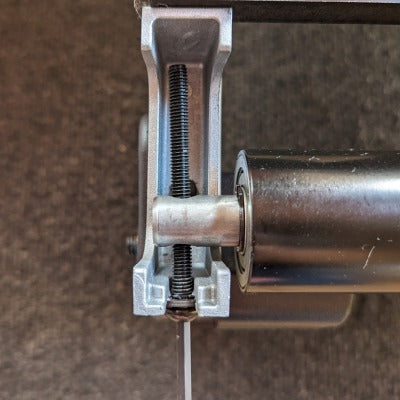
- Find the rear roller bolts at the back of the deck. These are usually two bolts, one on each side.
- Measure baseline: Center the belt visually or measure 1 inch of clearance on each side between the belt and frame.
- Loosen both bolts slightly if needed to let the belt move freely.
- Tighten in small increments: Turn each rear bolt 1/4 turn clockwise to increase tension. Use equal turns on both sides.
- Test tension: Plug in, walk slowly at 1–2 mph. If the belt slips, tighten another 1/4 turn per side and retest.
- Check centering: If the belt moves left or right, adjust the opposite side roller by 1/4 turn until centered.
- Final check: Run at a moderate pace and walk on the belt for two to three minutes. Make fine adjustments until the belt tracks straight and does not slip.
Key rules while you tighten a treadmill belt:
- Tighten in small, equal steps on both sides.
- Never force the bolt more than a few turns without checking alignment.
- If the belt feels too tight, back off one-quarter turn and retest.
This precise method keeps the belt healthy and extends the life of the motor and deck.

Checking alignment and tension after tightening
Correct tension and alignment protect the belt and motor. Here’s how to check both quickly.
How to test tension:
- Push test: With the treadmill off, lift the belt at the center. A healthy belt lifts 2 to 3 inches. If it lifts more, tighten slightly.
- Walk test: Run at low speed. If you feel slipping underfoot, the belt needs more tension.
How to check alignment:
- Visual: Watch the belt run at low speed and see if it drifts.
- Measure: Look for equal gaps on both sides between the belt and frame.
- Adjust: If it drifts right, tighten the left rear roller slightly. If it drifts left, tighten the right rear roller slightly.
Repeat tests after each small adjustment. Over-tightening stresses bearings and the motor, while under-tightening causes slips and uneven wear.

Lubrication, belt condition, and when to replace the belt
Treadmill care goes beyond how to tighten treadmill belt. Lubrication and belt condition matter too.
Lubrication tips:
- Use silicone treadmill lubricant only, as recommended by most manufacturers.
- Apply every 3–6 months or sooner with heavy use.
- Follow the manual for amount and method; over-lubing attracts dirt.
When to replace the belt:
- Visible fraying or deep grooves.
- Persistent slipping after correct tensioning.
- Uneven wear causing noise or a rough ride.
Replacing a belt can cost more than a tune-up. Tightening and proper lubrication often delay replacement by months or years.

Common mistakes and troubleshooting
Avoid these common errors when you tighten treadmill belt. They save time and prevent damage.
Common mistakes:
- Over-tightening the belt, which makes the motor work harder.
- Tightening one side only, causing the belt to track off center.
- Skipping lubrication and blaming tension for slipping.
- Not unplugging the treadmill, creating safety hazards.
Troubleshooting quick fixes:
- Belt still slips after tightening: Clean under the belt and lubricate the deck.
- Belt keeps moving to one side: Make micro-adjustments to the opposite roller.
- Belt too tight: Back off both rear bolts slightly and retest.
I once tightened a belt too much and noticed high motor heat. I loosened it slightly and added lubrication, which fixed the problem and reduced noise. Learn from small mistakes like that.

How to know when to call a pro
Some issues require a technician. Call a pro if you see any of the following.
When to seek professional help:
- Motor humming, burning smell, or failure to start after tightening.
- Broken or damaged rollers, bearings, or frame parts.
- Belt replacement beyond your comfort level or if the model has complex rear roller systems.
A trained technician can diagnose motor strain, replace worn parts, and ensure the treadmill is safe for regular use. If you’re unsure, it’s better to get expert help than risk damage.
Maintenance schedule and practical tips
A simple routine extends belt life and reduces the need to tighten treadmill belt often.
Monthly:
- Check belt centering and tension.
- Clean dust and vacuum around the motor area.
Every 3–6 months:
- Lubricate the deck per your manual.
- Inspect rollers and deck for wear.
Yearly:
- Deep inspection by a technician if you use the treadmill heavily.
- Replace the belt or deck if you notice persistent problems.
Practical tips from experience:
- Keep the treadmill in a low-dust area.
- Use a mat to reduce grit under the deck.
- Note the date of each adjustment in a log so you see trends over time.
A little care goes a long way. Regular checks mean fewer surprises and longer equipment life.
Frequently Asked Questions of how to tighten treadmill belt
How often should I tighten a treadmill belt?
Tighten the belt only when you notice slipping, drifting, or excessive lift. Check tension monthly and adjust in small increments as needed.
Can I tighten the belt myself without tools?
You need basic tools like an Allen wrench. Attempting to tighten by hand is not safe and can damage parts, so use the correct tools.
What happens if the treadmill belt is too tight?
A too-tight belt strains the motor and bearings and can cause overheating or premature failure. Loosen it slightly if you see motor heat or increased noise.
How do I know if the belt needs lubrication or tightening?
If the belt slips underfoot, first check lubrication. If lubrication does not solve slipping, then adjust tension and alignment.
Will tightening the belt fix a belt that is worn or frayed?
Tightening can help slipping but will not fix worn or frayed belts. Replace the belt if you see visible damage or deep grooves.
Can I use any lubricant to reduce slipping?
No. Use only treadmill-approved silicone lubricants. Other oils can damage the belt or deck and void warranties.
How many turns should I adjust the roller bolts?
Make micro-adjustments of about 1/4 turn per side, then test. Small changes prevent over-tightening and misalignment.
Conclusion
Tightening a treadmill belt is a simple skill that keeps your machine safe and responsive. Follow the step-by-step tightening method, check alignment and tension often, use proper lubrication, and avoid over-tightening. Keep a small tool kit and a short maintenance log. Take action: inspect your treadmill this week, try a small adjustment if needed, and schedule a yearly check if you train hard. If you found this guide useful, leave a comment, share your experience, or subscribe for more practical gym gear tips.

Brandon Knoxley is a sport & fitness writer and training guide contributor at MySportFitHub. He focuses on practical workouts, performance-based training, and honest fitness gear insights designed for real people and real results. Brandon is passionate about helping beginners and active individuals train smarter, avoid common mistakes, and build sustainable fitness habits.