Are Heart Rate Monitors On Treadmills Accurate: The Truth
Usually, treadmill heart rate monitors are useful for trends, but they are not perfectly accurate.
If you have ever watched your pulse jump on a treadmill screen, you may wonder, “Are heart rate monitors on treadmills accurate?” The honest answer depends on the sensor, your grip, your movement, and your workout intensity. After comparing treadmill hand sensors with chest straps and wrist watches, I have found that treadmill monitors can guide effort well, but they should not be treated like medical devices.
Are heart rate monitors on treadmills accurate?
Treadmill heart rate monitors are often accurate enough for basic exercise guidance. They can show whether your heart rate is rising, falling, or staying within a general training zone. However, the number may differ from your true heart rate by several beats per minute, or more during hard exercise.
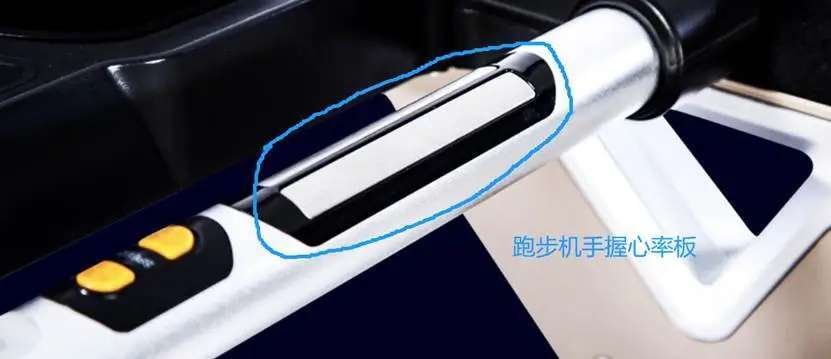
The main issue is how treadmills measure your pulse. Most models use metal contact sensors on the front handles. You place both hands on the sensors, and the machine detects small electrical signals or changes in blood flow. This method can work at a steady pace, but it becomes less reliable when you move your hands, grip too tightly, or sweat heavily.
So, are heart rate monitors on treadmills accurate for every runner? No. They are best viewed as a rough dashboard, not a precise speedometer for your heart.
A treadmill monitor may be reasonably close when:
• You hold both sensors with clean, dry hands.
• You keep a steady walking pace.
• You avoid talking or moving your arms.
• The sensors are clean and working well.
• You wait several seconds for the reading to settle.
The reading may be less reliable during sprinting, intervals, hill work, or any workout where your hands are not on the rails.

How treadmill heart rate monitors work
Most treadmill heart rate monitors use contact sensors. These sensors need a connection with your skin to detect your pulse. The treadmill then estimates your heart rate and displays it on the console.
Some newer treadmills can connect with wireless chest straps or Bluetooth fitness devices. These systems are usually more reliable because they measure heart activity without requiring you to hold the front bar.
Contact sensors do not always measure your pulse in the same way as a clinical electrocardiogram, or ECG. An ECG records the heart’s electrical activity through several electrodes. A treadmill hand sensor uses a much simpler method, so it has more room for error.
There are three common types of treadmill heart rate systems:
Handgrip sensors
Handgrip sensors are built into the treadmill handles. They are easy to use, but they work only when both hands stay in contact with the sensors.
Wireless chest straps
Chest straps sit around your rib cage and detect electrical signals from the heart. They usually provide a faster and steadier reading during exercise.
Wrist-based devices
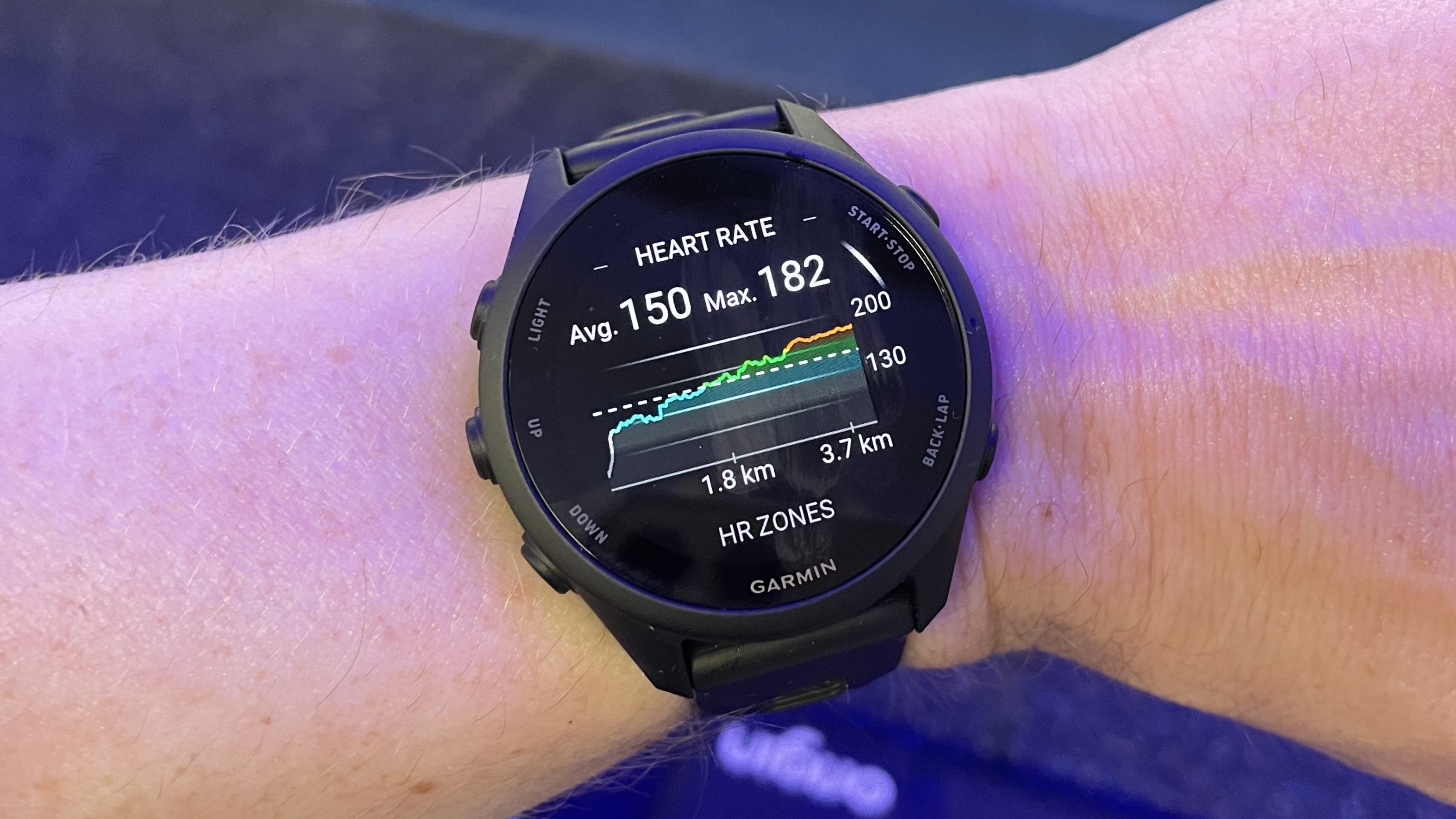
Smartwatches and fitness trackers use optical sensors. These sensors shine light into the skin and estimate blood flow. They can work well, but loose fit, sweat, skin tone, tattoos, and arm movement may affect results.
Knowing how the system works helps answer the question, “Are heart rate monitors on treadmills accurate?” The sensor type matters as much as the treadmill itself.

What affects treadmill heart rate accuracy?
Several factors can change the reading. Some are linked to the machine, while others come from your body and workout habits.
Hand position and grip
The sensors need steady skin contact. If you touch them with only your fingertips, the signal may weaken. If you grip the handles too tightly, your muscles may create extra movement that confuses the sensor.
A light, steady grip is usually best. Keep your hands still for at least 10 to 20 seconds before judging the number.
Exercise intensity
Treadmill heart rate monitors tend to perform better during easy or moderate walking. During running, your body moves more. Your hands may bounce, and you may naturally let go of the rails. These changes can cause delayed or unstable readings.
This is one reason are heart rate monitors on treadmills accurate is not a simple yes-or-no question. Accuracy can change from minute to minute.
Sweat and skin contact
A small amount of moisture may improve contact. Too much sweat can make the signal unstable. Dry skin, lotion, gloves, and dirt on the handles can also reduce contact quality.
Wipe the sensors before use. Clean handles are not only more hygienic but may also provide a better reading.
Treadmill condition
Older treadmills may have worn sensors, loose wiring, or software problems. Commercial gym treadmills may also receive heavy daily use. Two machines in the same gym can display different readings for the same person.
Body position
Holding the rails, leaning forward, or changing posture can affect the signal. It can also make the exercise easier by supporting part of your body weight. That means your heart rate may fall even though the treadmill speed stays the same.
Medication and health conditions
Some medicines, such as beta blockers, can lower your heart rate response. Dehydration, illness, stress, caffeine, heat, and poor sleep can also change your pulse. If your reading seems unusual, consider the full picture rather than blaming the treadmill alone.

How accurate are treadmill hand sensors compared with chest straps?
Chest straps are usually the better choice when you need reliable exercise data. They sit close to the heart and measure electrical signals. In many cases, their readings are close to those from clinical ECG equipment during steady exercise.
Treadmill hand sensors can be useful for casual workouts. They may show a reasonable estimate when you walk at a constant pace and hold the sensors correctly. Still, they often lag behind real changes in heart rate.
For example, imagine you increase your pace from 3.0 to 4.0 miles per hour. A chest strap may show your heart rate rising within a few seconds. A hand sensor may not update until you touch the handles, and the number may take time to stabilize.
Research comparing consumer heart rate devices has found that performance varies by device and exercise intensity. Chest straps tend to perform more consistently than wrist optical sensors during rapid changes. Treadmill contact sensors can be useful, but they are not normally the first choice for precise training.
In practical terms:
• Use treadmill handles for a general estimate.
• Use a chest strap for interval training.
• Use a medical monitor when a health professional asks you to track your heart rate.
• Do not compare readings from different devices as if they were identical.
This comparison gives a clearer answer to “Are heart rate monitors on treadmills accurate?” They can be accurate enough for simple guidance, but chest straps are usually more dependable.

Are heart rate monitors on treadmills accurate for calorie tracking?
Not always. Heart rate is only one part of calorie estimates. Treadmills also use your age, weight, speed, incline, and time. If the heart rate reading is wrong, the calorie estimate may also be wrong.
Even with a correct heart rate, calorie numbers are still estimates. Two people can walk at the same pace and burn different amounts of energy because of body size, fitness, stride, muscle mass, and efficiency.
A treadmill may display 400 calories, while your actual energy use is lower or higher. That number can still help you compare workouts over time, but it should not be treated as a precise measurement.
For weight management, focus on long-term trends. Track your workout time, effort, distance, and progress. Do not “eat back” every calorie shown by a treadmill, especially when the machine does not know your correct body weight or heart rate.
This is another reason are heart rate monitors on treadmills accurate has a limited answer. A decent pulse reading does not guarantee a precise calorie count.

How to use a treadmill heart rate monitor correctly
You can improve the quality of a treadmill heart rate reading with a few simple steps.
-
Start walking or running for several minutes.
Allow your body and the sensor to settle. A reading taken immediately after pressing start may not reflect your working heart rate.
-
Clean the handles.
Use a soft cloth to remove sweat, lotion, and dirt. Follow the cleaning instructions for the machine.
-
Place both hands on the sensors.
Keep your palms in full contact. Do not touch with just your fingers.
-
Use a light grip.
Avoid squeezing the handles. A relaxed grip usually gives a cleaner signal.
-
Stay still briefly.
Keep your hands steady for 10 to 20 seconds. Wait for the number to stop jumping.
-
Compare the result with how you feel.
A reading of 150 beats per minute may be reasonable during a hard run. It may be suspicious if you are walking easily and can speak in full sentences.
-
Check your pulse manually when needed.
You can count your pulse at your wrist for 15 seconds and multiply by four. This method is not perfect, but it can reveal a major sensor error.
-
Stop using the handles during normal running.
Holding the rails can change your posture, reduce the challenge, and increase fall risk. Use the sensors briefly rather than holding them for an entire workout.
In my experience, the biggest mistake is grabbing the handles only after a hard interval and assuming the first number is exact. The display may need time to catch up. A chest strap or watch that records continuously gives a better picture.
How to tell if a treadmill reading looks wrong
A treadmill reading may be inaccurate when it changes in a way that does not match your effort. Look for patterns, not one odd number.
Warning signs include:
• The number jumps from 80 to 180 beats per minute within seconds.
• The screen shows a very high rate during easy walking.
• The reading stays the same while your pace changes sharply.
• The number drops to zero when your hands remain on the sensors.
• One treadmill shows a very different result from another machine.
• The reading does not match a chest strap or manual pulse check.
A strange reading does not always mean something is wrong with your heart. It may mean the sensor lost contact. However, symptoms matter more than the treadmill display.
Stop exercising and seek medical help if you have chest pain, fainting, severe shortness of breath, unusual weakness, or a fast and irregular heartbeat. If you have a known heart condition, ask your clinician which monitoring method is suitable.
Are heart rate monitors on treadmills accurate enough for medical decisions? Generally, no. Do not use a gym treadmill reading to diagnose a heart problem or change prescribed treatment.

Treadmill heart rate zones: useful guide or false precision?
Heart rate zones can help you control workout intensity. A common estimate for maximum heart rate is 220 minus your age. For example, a 40-year-old person would have an estimated maximum of 180 beats per minute.
That formula is only a starting point. Maximum heart rate can vary widely between people of the same age. A measured maximum from a supervised test is more useful, but it is not needed for every recreational workout.
Many people use these broad zones:
• Easy effort: about 50% to sixty percent of estimated maximum heart rate.
• Moderate effort: about 60% to 70%.
• Hard effort: about 70% to 85%.
The exact ranges vary by training method. Talk-test effort can be just as useful. If you can speak in full sentences, the effort is likely easy to moderate. If you can say only a few words, the effort is hard.
Heart rate zones should guide you, not control you. Stress, heat, caffeine, illness, and medication can change your pulse. This is why are heart rate monitors on treadmills accurate is less important than using several clues together.
Treadmill monitor versus smartwatch: which is better?
Neither device is perfect for every workout. The better choice depends on what you need.
A treadmill monitor is convenient and easy to read. It does not require a battery on your body, and it can provide a quick estimate during a walk. Its main weakness is that you must hold the sensors.
A smartwatch records continuously and allows you to keep your arms moving. However, optical sensors can struggle during fast intervals, strength work, cold weather, or loose movement. Some watches also smooth the data, which can make changes appear later than they happen.
A chest strap is usually the best consumer option for serious heart rate training. It is especially helpful for runners who use intervals, train by zones, or want to compare workouts accurately.
For many people, the best setup is simple:
• Use the treadmill display for speed, time, and incline.
• Use a chest strap for detailed heart rate data.
• Use perceived effort to confirm whether the number makes sense.
The most accurate approach is not to trust one screen blindly. It is to compare technology with your breathing, pace, and physical response.
Common mistakes that reduce accuracy
People often ask, “Are heart rate monitors on treadmills accurate?” after making one of several common setup mistakes.
Holding the front rails
This can reduce the workout load and create an unnatural posture. It may also give the sensor a weak or unstable signal.
Checking too soon
A reading taken right after touching the handles may be delayed. Wait for the number to settle.
Using only one hand
Many contact systems are designed for both hands. One hand may not provide enough information for a stable reading.
Wearing gloves
Gloves create a barrier between your skin and the sensors. Remove them when it is safe and practical.
Comparing different devices
A treadmill, watch, and chest strap may update at different times. Small differences do not always mean one device is broken.
Focusing on one number
Heart rate naturally changes from minute to minute. Look at the trend across the workout rather than reacting to every small jump.
The lesson I have learned from testing and troubleshooting these systems is simple: good technique helps, but it cannot turn a basic contact sensor into an ECG.
When should you use a chest strap or medical monitor?
A chest strap is worth considering if you:
• Train for a race.
• Follow strict heart rate zones.
• Perform frequent intervals.
• Need continuous data.
• Notice large differences between devices.
• Want better results from training software.
A medical-grade monitor may be needed if your doctor has asked you to track your heart rate. People with heart rhythm problems, chest symptoms, or certain heart conditions should follow professional advice rather than relying on a treadmill console.
Consumer devices are useful tools, but they have limits. Even a high-quality chest strap is not a substitute for medical testing. If your heart rate repeatedly seems unusual, discuss it with a qualified health professional.
Frequently asked questions about are heart rate monitors on treadmills accurate
Are treadmill heart rate monitors accurate enough for walking?
They are often accurate enough to show a general heart rate range during steady walking. Still, the reading can change if your hands move, the sensors are dirty, or your grip is weak.
Why does my treadmill show a higher heart rate than my watch?
The two devices may measure at different times or use different sensor methods. Compare them only after both readings have remained steady for several seconds.
Can I trust treadmill heart rate monitors during running?
Treadmill hand sensors are less dependable during running because your arms move and you may not hold the rails. A chest strap usually gives more consistent data during fast or changing workouts.
Why does my treadmill heart rate stay the same?
The sensor may not have steady contact, or the treadmill may update slowly. Try cleaning the handles, holding them lightly with both hands, and waiting 10 to 20 seconds.
Are treadmill heart rate monitors safe for people with heart conditions?
They can provide a rough exercise reading, but they should not replace medical monitoring. If you have a heart condition, follow the exercise and monitoring plan given by your health professional.
How can I check a treadmill heart rate reading?
Pause briefly and count your wrist pulse for 15 seconds, then multiply by four. A chest strap is a better option for repeated checks during training.
Conclusion
Are heart rate monitors on treadmills accurate? They are usually useful for broad workout guidance, but handgrip sensors are not perfectly precise. Their readings can be affected by grip, movement, sweat, sensor quality, workout intensity, and health factors.
Use the treadmill monitor to notice general trends. Keep your hands relaxed, clean the sensors, and wait for the number to stabilize. For more accurate training data, choose a chest strap and compare the reading with your breathing and perceived effort.
Your heart rate is valuable information, but it is only one part of the picture. Use it wisely, listen to your body, and explore more evidence-based fitness guides to make every treadmill session safer and more effective.

Brandon Knoxley is a sport & fitness writer and training guide contributor at MySportFitHub. He focuses on practical workouts, performance-based training, and honest fitness gear insights designed for real people and real results. Brandon is passionate about helping beginners and active individuals train smarter, avoid common mistakes, and build sustainable fitness habits.