How to Train Legs for Sports Performance: Boost Strength & Speed
Your legs are the foundation of your athletic power. Whether you’re sprinting, jumping, or changing direction on the field, strong and well-trained legs give you the edge over your competition.
But how do you train your legs to boost your sports performance without wasting time on ineffective workouts? This guide will show you simple, proven techniques to build strength, speed, and endurance in your legs. Ready to take your game to the next level?
Keep reading and discover the secrets to training your legs like a pro athlete.
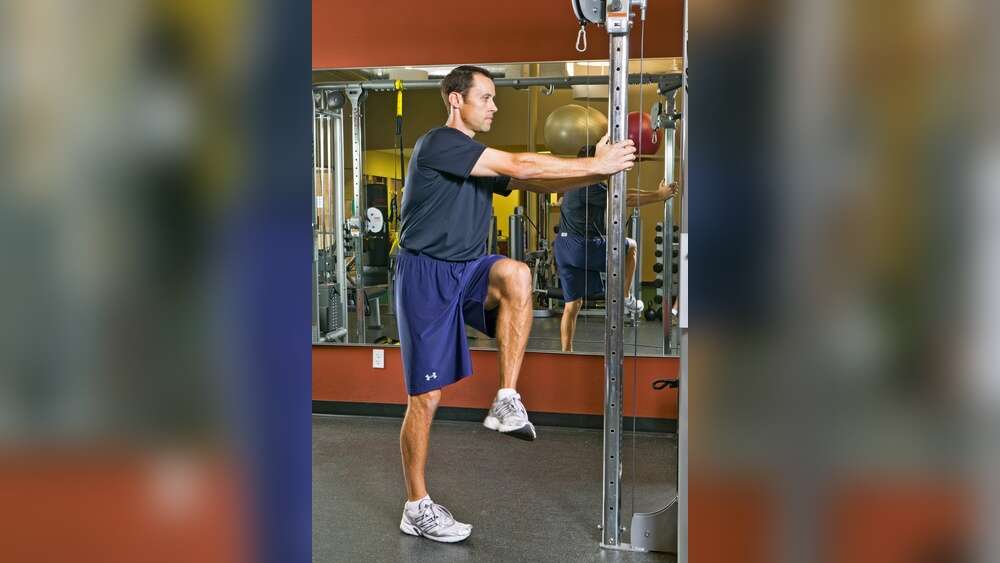
Credit: blog.nasm.org
Benefits Of Strong Legs In Sports
Strong legs play a key role in sports performance. They help athletes move faster and with more control. Powerful legs support the whole body and improve overall strength. Training legs builds endurance for longer playtime and quicker recovery. Many sports demand strong legs for best results.
Strong legs also protect the body. They reduce the risk of injury by stabilizing joints and absorbing impact. Athletes with well-trained legs often perform better and stay healthier.
Improved Speed And Agility
Leg strength boosts speed on the field or court. Powerful muscles help push off the ground faster. This means quicker sprints and faster direction changes. Agility improves because strong legs control balance and movement better. Athletes become more responsive and sharp in their actions.
Enhanced Power And Explosiveness
Strong legs generate more power for jumps and kicks. Explosive strength helps in actions like sprint starts and tackles. It also improves lifting and pushing movements in some sports. This power gives athletes an edge during intense moments in the game.
Injury Prevention
Well-trained legs protect knees, ankles, and hips. Strong muscles support joints and reduce strain. This lowers the chance of common sports injuries. Balanced leg strength helps maintain proper posture and form. Athletes stay safer during sudden moves or impacts.

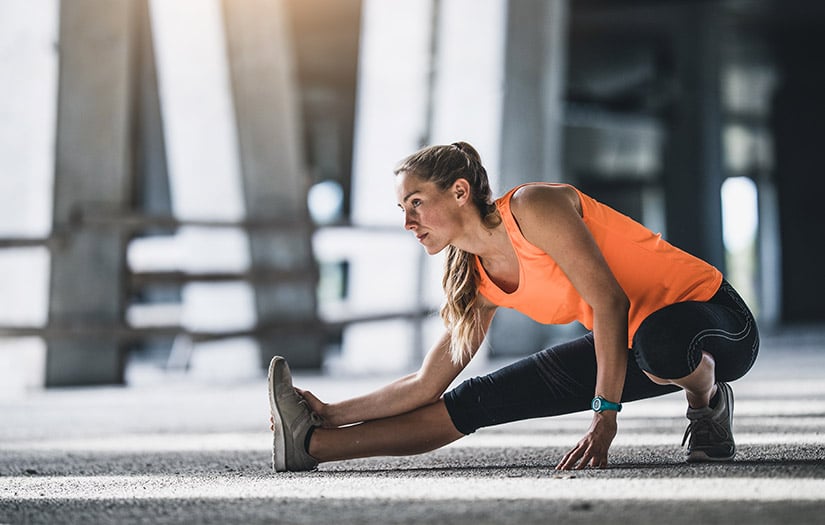
Credit: www.mikesirani.com
Key Muscle Groups For Leg Training
Training legs for sports performance requires targeting several key muscle groups. Each group plays a unique role in movement, power, and stability. Strengthening these muscles improves speed, balance, and injury prevention. Focus on the quadriceps, hamstrings, glutes, hip flexors, calves, and lower leg muscles.
Quadriceps And Hamstrings
The quadriceps are the large muscles at the front of the thigh. They help with knee extension and jumping. Strong quads improve running speed and kicking power.
The hamstrings are at the back of the thigh. They bend the knee and extend the hip. Well-trained hamstrings prevent injuries and improve sprinting ability.
Glutes And Hip Flexors
The glute muscles are in the buttocks. They control hip movement and stabilize the pelvis. Strong glutes boost jumping and sprinting power.
Hip flexors lift the knee and help with quick leg movements. Flexible and strong hip flexors enhance agility and speed on the field.
Calves And Lower Leg Muscles
Calves are at the back of the lower leg. They support running, jumping, and quick direction changes. Strong calves increase foot push-off power.
Other lower leg muscles help stabilize the ankle. They reduce the risk of sprains and improve balance during sports.
Effective Leg Exercises For Athletes
Strong legs are key for better sports performance. They help with speed, power, and balance. Choosing the right exercises builds strength and reduces injury risk.
Focus on moves that work many muscles at once. Train explosiveness and control. Here are effective leg exercises for athletes.
Squats And Variations
Squats build strength in the quads, hamstrings, and glutes. They improve core stability and balance. Try bodyweight squats, goblet squats, and barbell squats. Each type targets muscles slightly differently.
Keep your chest up and knees tracking over toes. Squat deep but stay comfortable. Add weight slowly to increase strength.
Lunges And Step-ups
Lunges and step-ups improve single-leg strength and stability. They mimic many sports movements. Forward, backward, and side lunges hit different muscles. Step-ups work glutes and quads with less knee strain.
Use a bench or box for step-ups. Keep your body upright and engage your core. These exercises also help balance and coordination.
Deadlifts And Hip Thrusts
Deadlifts strengthen the hamstrings, glutes, and lower back. They improve hip hinge power. Hip thrusts focus on the glutes and build explosive hip strength.
Keep your back straight in deadlifts. Push through your heels in hip thrusts. Both exercises enhance sprint speed and jumping ability.
Plyometric Drills
Plyometric exercises boost power and quickness. Jump squats, box jumps, and bounding drills increase explosive strength. They train fast muscle fibers and improve reaction time.
Land softly to protect joints. Start with low heights and increase gradually. Add plyometrics to dynamic warm-ups or workouts.
Training For Strength Vs. Speed
Training legs for sports means focusing on two key goals: strength and speed. Strength helps your muscles work harder and resist injury. Speed makes your legs move fast and react quickly. Both are important but need different training methods. Understanding these methods helps improve your sports performance effectively.
Heavy Lifting For Strength
Heavy lifting builds strong muscles and bones. Exercises like squats, deadlifts, and lunges add weight to challenge your legs. Use weights you can lift 4 to 6 times in one set. This type of training makes your muscles thicker and more powerful. Strong legs support jumping, running, and sudden stops in sports.
Explosive Movements For Speed
Explosive exercises train your legs to move fast. Jumping, sprinting, and plyometrics help develop quick muscle reactions. Use light or no weight and focus on fast, powerful movements. These drills improve your ability to start fast and change direction quickly. Speed training helps you stay ahead in fast-paced sports.
Combining Both Approaches
Both strength and speed training improve sports performance. Start with heavy lifting to build a strong base. Add explosive exercises to increase leg speed and power. Plan workouts with rest days to avoid injury. Balancing these methods creates legs that are both strong and fast. This balance leads to better results on the field or court.
Designing A Leg Workout Plan
Designing a leg workout plan is key to improving sports performance. Strong legs boost speed, power, and balance. A good plan targets all major leg muscles. It also fits your sport’s demands and your fitness level.
Set clear goals for your leg training. Decide how often and how hard to train. Plan exercises that build strength, endurance, and agility.
Frequency And Volume
Frequency means how many days you train legs each week. Aim for two to three sessions for best results. Volume is the total amount of work done. It includes sets, reps, and exercises.
Start with moderate volume to avoid injury. Gradually increase reps or sets as you get stronger. Balance work with rest to keep muscles fresh.
Progressive Overload Techniques
Progressive overload means increasing workout demands over time. It helps muscles grow and get stronger. Add weight, increase reps, or do more sets slowly. Change exercises to challenge muscles in new ways.
Track your progress to know when to increase load. Small, steady improvements bring the best results. Push hard but avoid overtraining or injury.
Balancing Recovery And Training
Rest is as important as training. Muscles need time to repair and grow. Schedule rest days or light activity between hard workouts. Proper sleep and nutrition support recovery.
Listen to your body for signs of fatigue. Adjust training if you feel too tired or sore. Balance keeps your legs strong and ready for sport.
Credit: www.skiutah.com
Common Mistakes To Avoid
Training legs for sports performance needs focus and care. Many athletes make mistakes that slow progress or cause injury. Avoiding these common errors helps you train smarter and safer. Pay attention to what follows to improve your leg training routine.
Neglecting Proper Form
Proper form is key for effective leg training. Poor technique can lead to injuries and weak results. Always control your movements and keep your body aligned. Focus on your posture and joint angles. Quality beats quantity every time.
Ignoring Mobility And Flexibility
Leg strength alone is not enough for sports. Mobility and flexibility support better movement and prevent injuries. Stretch regularly and include mobility drills in your routine. This helps your muscles work smoothly and efficiently.
Overtraining Risks
Too much training can harm your legs and overall health. Overtraining causes fatigue, pain, and slower recovery. Listen to your body and allow rest days. Balance hard workouts with proper recovery to stay strong and ready.
Supplementary Training Tips
Supplementary training plays a key role in improving leg strength and sports performance. It supports your main workouts and helps prevent injuries. Focus on proper nutrition, effective warm-ups, and tracking progress to get the best results.
Nutrition For Muscle Growth
Muscles need fuel to grow and repair. Eat enough protein from sources like chicken, fish, beans, and eggs. Carbohydrates provide energy for intense training sessions. Include fruits, vegetables, and whole grains for vitamins and minerals. Stay hydrated by drinking plenty of water throughout the day.
Stretching And Warm-up Routines
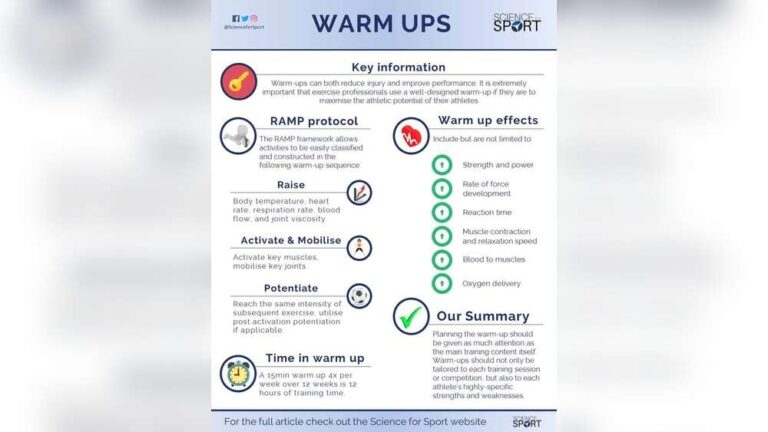
Start every session with a warm-up to prepare your muscles. Dynamic stretches like leg swings and lunges increase blood flow. Hold each stretch for 15 to 30 seconds to improve flexibility. Warming up reduces the risk of injury and improves performance during training.
Tracking Progress And Adjustments
Keep a training log to record exercises, weights, and reps. Check your progress every week or two. Adjust your workouts if you stop improving. Gradually increase intensity or change exercises to keep challenging your muscles. Tracking helps stay focused and reach your goals faster.
Frequently Asked Questions
What Are The Best Leg Exercises For Sports Performance?
Squats, lunges, deadlifts, and plyometric jumps are top leg exercises. They improve strength, power, and endurance essential for sports.
How Often Should I Train Legs For Optimal Results?
Train legs 2-3 times weekly with rest days between sessions. This frequency promotes muscle growth and prevents overtraining.
Why Is Leg Strength Important For Athletes?
Strong legs enhance speed, agility, and stability. They reduce injury risk and improve overall sports performance.
Can Plyometric Training Improve Leg Power For Sports?
Yes, plyometric exercises boost explosive power and quick muscle response. They are vital for sports requiring fast movements.
Conclusion
Training your legs improves speed, power, and balance in sports. Strong legs help you jump higher and run faster. Focus on regular exercises that target all leg muscles. Rest and recovery are important to avoid injuries. Keep your workouts simple and consistent for best results.
Stay patient; progress takes time but pays off. Train smart, stay active, and enjoy better sports performance.

Brandon Knoxley is a sport & fitness writer and training guide contributor at MySportFitHub. He focuses on practical workouts, performance-based training, and honest fitness gear insights designed for real people and real results. Brandon is passionate about helping beginners and active individuals train smarter, avoid common mistakes, and build sustainable fitness habits.