How to Improve Mobility for Sports Athletes: Proven Techniques
Are you looking to move faster, jump higher, and reduce your risk of injury? Improving your mobility is the key to unlocking your full athletic potential.
Whether you’re training for your next game or just want to feel more agile, boosting your mobility can make a huge difference. You’ll discover simple, effective ways to enhance your range of motion and keep your body performing at its best.
Ready to take your athletic skills to the next level? Let’s dive in and help you move like never before.

Credit: sportsptcenters.com
Benefits Of Enhanced Mobility
Enhanced mobility offers many benefits for sports athletes. It helps the body move freely and easily. Improved movement lowers the risk of injuries. It also makes athletes perform better and recover faster. These benefits work together to support overall athletic success.
Injury Prevention
Better mobility reduces stress on muscles and joints. It helps the body absorb shocks during physical activity. Flexible joints move without strain or pain. This lowers the chance of sprains, tears, and other injuries. Athletes with good mobility stay healthier longer.
Performance Boost
Improved mobility allows athletes to move faster and with more control. It increases the range of motion in key joints. This lets athletes reach and stretch further during play. Greater mobility improves balance and coordination. These factors help athletes perform at their best.
Recovery Acceleration
Good mobility speeds up muscle healing after exercise. It helps blood flow better to tired muscles. This reduces soreness and stiffness. Athletes with enhanced mobility feel ready sooner for the next workout. Faster recovery supports consistent training and progress.
Assessing Current Mobility Levels
Assessing current mobility levels is the first step for athletes aiming to improve movement. Knowing your body’s strengths and weaknesses helps create an effective plan. This process reveals areas that need work and tracks progress over time. It also reduces injury risks by addressing tightness or imbalances early.
Mobility Screening Tests
Mobility screening tests measure how well joints move through their range. Simple tests include the shoulder reach, hip hinge, and ankle dorsiflexion checks. These help spot tight muscles or stiff joints. Testing regularly shows if mobility improves or worsens. Athletes can use these tests to build a clear mobility profile.
Identifying Limitations
Finding mobility limits is key to better movement. Tight hips, stiff shoulders, or weak ankles can block performance. Noticing pain or discomfort during tests points to areas needing care. Identifying these limits allows focused stretching and strengthening. Fixing these problems boosts overall athletic ability.
Setting Mobility Goals
Clear goals guide the mobility training process. Goals might include increasing hip rotation or improving ankle flexibility. Setting small, realistic targets keeps motivation high. Tracking progress helps adjust exercises as needed. Focused goals lead to steady improvements in movement and sports skills.
Dynamic Stretching Techniques
Dynamic stretching warms your muscles and joints before sports. It helps improve movement and reduces injury risks. These active stretches boost blood flow and prepare the body for intense activity. They focus on controlled, smooth movements that mimic sport actions.
Leg Swings And Arm Circles
Leg swings loosen hip and leg muscles. Stand near a wall for balance. Swing one leg forward and backward, then side to side. Keep your movements steady and controlled. Arm circles warm shoulder joints and increase arm mobility. Extend your arms out to the sides. Make small circles, gradually increasing size. Reverse the direction after several swings.
Lunge Variations
Lunges stretch the hips, thighs, and glutes. Step forward into a deep lunge, keeping your back straight. Hold briefly, then switch legs. Add a twist by rotating your torso toward the front leg. This variation improves spinal mobility and balance. Walking lunges also increase hip flexibility and leg strength.
Spinal Rotations
Spinal rotations increase flexibility in your back. Stand with feet shoulder-width apart. Place your hands on your hips or extend them out. Slowly twist your upper body to one side. Hold for a moment, then twist to the other side. This movement improves core strength and helps with quick turns during sports.
Static Stretching For Flexibility
Static stretching helps athletes improve flexibility and prevent injuries. It involves holding a stretch for a set time without moving. This type of stretching relaxes muscles and increases their length over time.
Perform static stretches after a workout or as part of a cool-down routine. Hold each stretch for 20 to 30 seconds. Breathe deeply and avoid bouncing during the stretch.
Hamstring And Quadriceps Stretches
Hamstring stretches lengthen the muscles at the back of your thigh. Sit on the floor with one leg straight. Reach toward your toes slowly. Stop when you feel tension but no pain.
Quadriceps stretches target the front thigh muscles. Stand on one leg and pull your other foot toward your buttocks. Keep your knees close together. Hold the stretch and keep your posture upright.
Hip Flexor Holds
Hip flexors help lift your knees and bend at the waist. Kneel on one knee and place the other foot in front. Lean forward gently to stretch the hip on the kneeling side. Keep your back straight and avoid arching.
This stretch improves hip mobility and reduces tightness. Hold steady and breathe deeply for the best effect.
Shoulder And Chest Openers
These stretches improve upper body flexibility. Clasp your hands behind your back and straighten your arms. Lift your hands gently while opening your chest forward.
Another option is to hold your arms out to the sides and gently pull them back. This stretch loosens tight chest muscles and improves shoulder movement.
Strengthening For Stability
Strengthening for stability is crucial for athletes to move with control and power. Strong muscles around key joints help prevent injuries and improve balance. Stability allows athletes to perform quick, precise movements without losing form or speed.
Focus on exercises that build strength in the core, hips, and ankles. These areas support the body during dynamic sports actions. A stable foundation enhances overall mobility and athletic performance.
Core Activation Exercises
The core stabilizes the spine and pelvis during movement. Simple exercises like planks and dead bugs activate deep core muscles. A strong core reduces the risk of injury and improves posture. Try holding a plank for 20 seconds, gradually increasing time.
Glute And Hip Strength
Glutes and hips power running, jumping, and changing direction. Squats, lunges, and hip bridges build strength in these muscles. Strong hips improve balance and reduce knee strain. Use body weight or light weights for controlled exercises.
Ankle And Foot Stability
Stable ankles and feet help absorb impact and maintain balance. Heel raises and single-leg stands improve ankle strength. Balance boards or foam pads challenge foot stability. Strong ankles reduce the chance of sprains and improve agility.
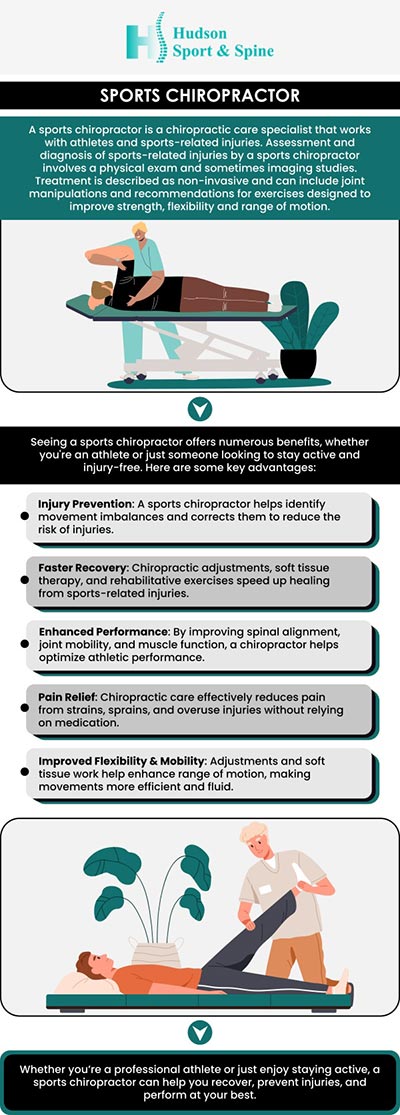
Credit: www.hudsonsportandspine.com
Incorporating Foam Rolling
Incorporating foam rolling into your routine helps improve mobility for sports athletes. Foam rolling loosens tight muscles and reduces soreness. It prepares the body for intense physical activity and speeds up recovery.
This method uses a foam roller to apply pressure on muscles. It helps release knots and improve blood flow. Foam rolling fits easily into warm-ups or cool-downs.
Self-myofascial Release Benefits
Foam rolling works as self-myofascial release (SMR). SMR breaks up muscle tightness and scar tissue. It increases muscle flexibility and joint range of motion.
Regular foam rolling reduces muscle stiffness. It lowers the risk of injury during sports. Athletes feel less pain and recover faster after training.
Target Areas For Athletes
Focus on tight and overused muscles. Common target areas include calves, quads, hamstrings, and IT bands. The back, glutes, and shoulders also benefit.
Rolling these muscles helps release tension. It improves movement and performance in sports activities. Avoid rolling bones or joints directly.
Proper Rolling Techniques
Use slow, controlled movements over each muscle. Roll for 30 to 60 seconds per area. Pause on tender spots for 20 to 30 seconds.
Keep your body relaxed while rolling. Do not apply too much pressure to avoid injury. Breathe deeply to increase muscle relaxation.
Incorporate foam rolling regularly for best results. It supports better mobility and athletic performance.
Yoga And Mobility
Yoga is a powerful tool to improve mobility for sports athletes. It helps the body move better and reduces the risk of injury. Yoga stretches muscles and joints, making movement easier. It also strengthens the muscles that support your joints. This balance between strength and flexibility is key for athletes.
Yoga teaches control over the body and mind. This control helps athletes stay calm and focused during competition. Breathing techniques in yoga improve oxygen flow. Better oxygen flow means better endurance and recovery. Athletes who practice yoga often feel lighter and more agile.
Poses For Flexibility
Certain yoga poses target flexibility in key areas for athletes. The Downward Dog stretch opens the shoulders, hamstrings, and calves. The Warrior II pose strengthens legs and improves hip mobility. Cat-Cow pose helps increase spine flexibility and relieves tension. These poses prepare the body for dynamic sports movements. Regular practice of these poses improves overall range of motion.
Breath Control And Relaxation
Breath control in yoga calms the nervous system. Deep, slow breaths reduce stress and lower heart rate. This relaxation helps muscles recover faster after training. Breath control also increases focus and mental clarity. Athletes who practice breathing techniques perform better under pressure. Simple exercises like belly breathing can be done anywhere.
Consistency Tips
Consistency is key to improving mobility with yoga. Short sessions daily work better than long, rare ones. Set a routine with specific times for practice. Use online videos or classes to stay motivated. Focus on progress, not perfection. Even five minutes daily can lead to big improvements. Keep a journal to track changes in flexibility and comfort.
Daily Mobility Routines
Daily mobility routines help athletes move better and avoid injuries. Consistent practice improves joint flexibility and muscle control. Small exercises every day build long-term strength and agility. These routines prepare the body for sports and help it recover faster after training.
Morning Mobility Drills
Start your day with simple movements to wake up your body. Neck rolls and shoulder circles loosen tight muscles. Hip openers and ankle rotations improve lower body flexibility. Spend five to ten minutes on these drills. They increase blood flow and reduce stiffness.
Pre-workout Activation
Activate key muscles before exercise to boost performance. Use dynamic stretches like leg swings and arm swings. Include bodyweight exercises such as lunges and squats. These movements prepare muscles and joints for action. They also reduce the risk of injury during sports.
Post-workout Cooldown
Cool down after training to help muscles relax and recover. Perform gentle stretches targeting the worked areas. Hold each stretch for 20 to 30 seconds. Focus on slow breathing to calm the nervous system. This routine reduces soreness and improves flexibility over time.
Tracking Progress And Adjustments
Tracking progress and making adjustments is key to improving mobility for sports athletes. It helps athletes see what works and what needs change. Regular checks keep the training focused and effective. Without tracking, athletes may waste time on less helpful exercises.
Mobility Journals
Keeping a mobility journal helps record daily exercises and feelings. Athletes note what moves feel easier or harder. Journals track pain levels and range of motion changes. This simple method provides clear feedback on progress. It also motivates by showing small improvements over time.
Video Analysis
Recording mobility exercises helps spot mistakes and weak spots. Videos show body positions and movement patterns clearly. Coaches and athletes can review videos to correct form. This visual feedback ensures exercises are done safely and well. It also helps compare progress week by week.
Adapting Techniques Over Time
Adjusting mobility techniques based on progress avoids plateaus. If a stretch feels easy, increase difficulty or duration. If pain appears, modify or pause that exercise. Changes keep the body challenged and prevent injury. Regular adaptation leads to steady improvement in mobility.
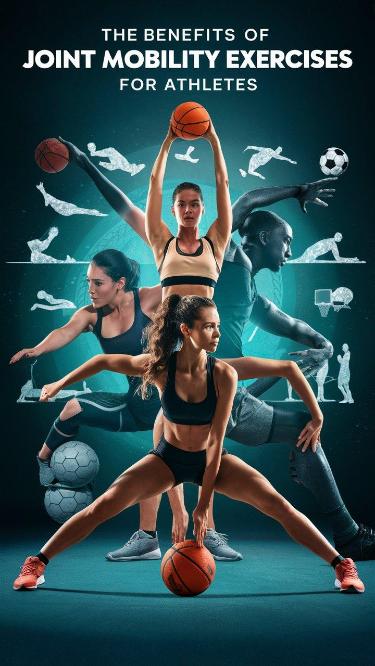
Credit: www.premierhealthqc.com
Frequently Asked Questions
What Are The Best Exercises To Improve Athlete Mobility?
Dynamic stretches and functional movements like lunges, hip openers, and shoulder circles enhance mobility effectively. Consistency is key.
How Does Improving Mobility Benefit Sports Performance?
Better mobility increases range of motion, reduces injury risk, and boosts overall athletic efficiency and power during sports activities.
Can Stretching Routines Enhance Mobility For Athletes?
Yes, regular static and dynamic stretching improves flexibility and joint function, essential for maintaining and improving mobility in athletes.
How Often Should Athletes Train Mobility Exercises?
Athletes should perform mobility drills daily or at least 3-4 times weekly to maintain and improve joint health and flexibility.
Conclusion
Improving mobility helps athletes move better and stay injury-free. Simple exercises done regularly make a big difference. Stretching, strength training, and proper warm-ups support flexible joints and muscles. Consistency is key to seeing steady progress. Keep your body active and listen to its needs.
Better mobility leads to improved performance and faster recovery. Small steps add up to big changes over time. Stay patient and focused on your goals. Your body will thank you with greater ease in every sport.

Brandon Knoxley is a sport & fitness writer and training guide contributor at MySportFitHub. He focuses on practical workouts, performance-based training, and honest fitness gear insights designed for real people and real results. Brandon is passionate about helping beginners and active individuals train smarter, avoid common mistakes, and build sustainable fitness habits.