How to Create Realistic Fitness Goals Beginners: Achieve Success Fast
Setting fitness goals can feel overwhelming, especially when you’re just starting out. You might wonder where to begin or worry about aiming too high and losing motivation.
What if you could create goals that actually fit your lifestyle and keep you excited to move forward? This guide will help you discover how to build realistic fitness goals that match your pace and keep you on track. By the end, you’ll have a clear, simple plan tailored just for you—making progress feel natural and rewarding every step of the way.
Keep reading to unlock the secret to setting goals you can truly achieve.

Credit: sunnyhealthfitness.com
Set Clear Objectives
Setting clear objectives is the first step in creating realistic fitness goals. Clear goals give you direction and help you stay focused. They make your fitness plan easier to follow and measure. Without clear objectives, you may feel lost or unmotivated.
Identify Your Motivation
Understand why you want to get fit. Your motivation could be health, confidence, or energy. Knowing your reason helps you stay committed. Write down what drives you to work out. This will remind you of your purpose on tough days.
Focus On Specific Results
Set goals that are clear and measurable. Instead of saying “get stronger,” say “do 10 push-ups.” Specific targets make progress easy to track. This keeps you encouraged and aware of your improvements. Avoid vague goals that can confuse or slow you down.
Assess Your Starting Point
Assessing your starting point is the first step in setting fitness goals. It helps you understand where you stand. Knowing your current fitness level guides you to realistic and safe targets. This process also helps avoid injury and frustration. Take time to evaluate yourself honestly. This section explains how to assess your fitness status effectively.
Evaluate Current Fitness Level
Start by checking your endurance. Try a simple activity like walking or jogging. Note how long you can keep going without stopping. Measure your strength with basic exercises like push-ups or squats. Count how many you can do in one set. Test your flexibility by reaching or stretching exercises. Write down your results to track progress later. This gives a clear picture of your fitness now.
Consider Health Limitations
Think about any medical issues you have. Conditions like asthma, joint pain, or heart problems matter. These affect which exercises are safe for you. Talk to a doctor if unsure about your limits. Avoid pushing too hard at the start. Listen to your body and rest when needed. Adjust your goals to fit your health needs.
Choose Achievable Targets
Choosing achievable targets is key for fitness beginners. It helps keep motivation high and avoids burnout. Realistic goals give clear direction and make progress visible. Setting targets that are too hard can cause frustration. Targets that are too easy may lead to boredom. Balance is important for steady improvement.
Break Goals Into Steps
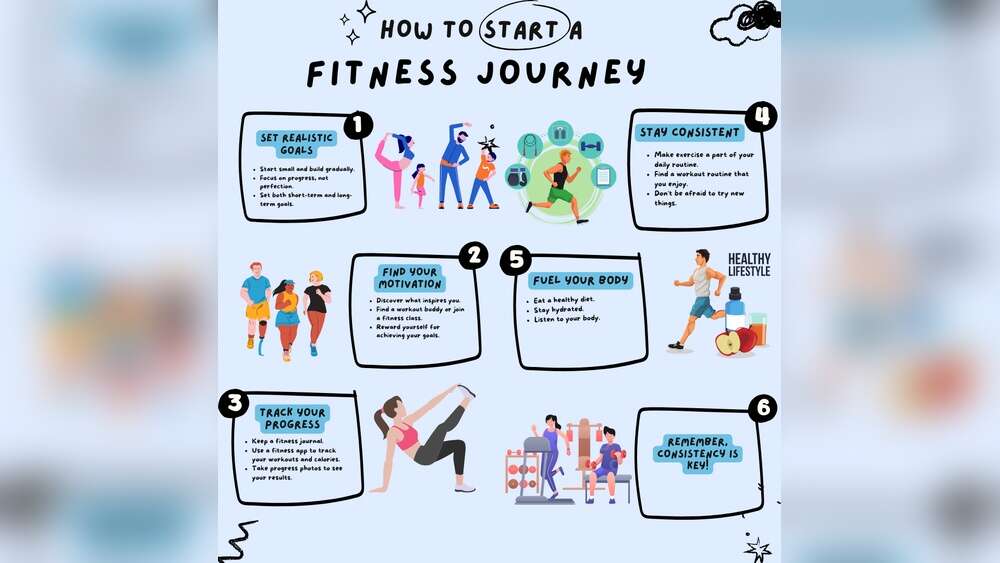
Big goals can feel overwhelming. Breaking them into smaller steps makes them easier. Each step should be clear and doable. For example, start with walking 10 minutes daily. Then increase to 20 minutes after a week. Small wins build confidence and keep you moving forward.
Balance Challenge And Realism
Goals should stretch your limits but still feel possible. Choose targets that require effort but match your current fitness. Avoid aiming for too much too soon. This balance helps you stay motivated without feeling discouraged. Adjust goals as you improve to keep the challenge alive.
Create A Structured Plan
Creating a structured plan is key for beginners to reach fitness goals. It helps build good habits and keeps progress steady. A clear plan breaks big goals into small, easy steps. This makes fitness less scary and more doable.
Planning also saves time. Knowing what to do each day avoids confusion and keeps motivation high. A simple, clear schedule fits better into daily life. This makes sticking to workouts easier and more natural.
Schedule Workouts Consistently
Pick specific days and times for workouts. Consistency helps your body adjust and grow stronger. Treat these times like important appointments. Avoid skipping unless necessary. Consistent workouts build routine and improve results.
Include Rest And Recovery
Rest days are as important as workout days. Your muscles need time to heal and grow. Without rest, you risk injury and burnout. Plan at least one or two rest days each week. Use this time to relax and recharge.
Track Progress Regularly
Tracking progress regularly helps beginners stay on course with fitness goals. It shows what works and what needs change. Small wins become clear. This boosts motivation and confidence. Progress tracking also keeps the plan realistic and achievable.
Use Journals Or Apps
Writing down workouts and meals in a journal is simple and effective. It helps remember details and spot patterns. Fitness apps offer easy tracking with charts and reminders. They can log steps, calories, and exercise time. Choose the method that fits daily life best.
Adjust Goals As Needed
Goals should grow with your progress. Check your journal or app weekly. Notice any challenges or quick successes. Change targets to stay realistic and challenging. Adjustments keep you motivated and prevent frustration. Flexibility helps maintain steady improvement.
Credit: fitness.edu.au
Stay Motivated
Staying motivated is key to reaching your fitness goals. Motivation helps you keep going, even on tough days. It makes the journey easier and more enjoyable. Without motivation, it’s easy to give up early. Find ways to keep your energy high and your focus sharp.
Celebrate Small Wins
Every small success counts. Did you walk a little longer today? Great! Completed one more push-up? Awesome! These small wins build your confidence. They show that progress is happening. Celebrate them to stay positive. Use these moments as fuel to push ahead. A little celebration can keep your spirit strong.
Find Support Systems
Support makes a big difference. Friends, family, or workout groups can cheer you on. They share your journey and encourage you. Talking about your goals helps you stay committed. Support systems offer advice and motivation. They remind you why you started. Never hesitate to ask for help or join a group. It makes fitness less lonely and more fun.
Avoid Common Pitfalls
Setting realistic fitness goals is key for beginners. Avoiding common mistakes helps keep progress steady and motivation high. Many new exercisers face challenges that slow their journey. Knowing these pitfalls can save time and energy.
Prevent Burnout
Starting too hard leads to quick fatigue. Overdoing workouts causes tiredness and loss of interest. Rest days are important for muscle recovery and mental health. Balance workouts with proper rest to stay consistent. Choose exercises you enjoy to keep motivation alive.
Manage Expectations
Fitness changes take time and patience. Expecting fast results can cause frustration. Track small improvements like strength or endurance gains. Celebrate progress to build confidence. Set goals that match your current fitness level and lifestyle.

Credit: www.icecreamfactoryny.com
Frequently Asked Questions
What Are Realistic Fitness Goals For Beginners?
Realistic fitness goals focus on gradual progress, like improving endurance or strength. They are specific, measurable, and achievable within a set time frame. Beginners should avoid extreme targets to prevent burnout and injuries. Setting small milestones helps maintain motivation and track improvement effectively.
How Do Beginners Set Achievable Fitness Goals?
Start by assessing your current fitness level honestly. Choose goals that match your lifestyle and schedule. Break big goals into smaller, manageable steps. Focus on consistency rather than intensity. Regularly review and adjust goals to stay motivated and realistic as you progress.
Why Is Goal Setting Important In Fitness For Beginners?
Goal setting provides direction and motivation for workouts. It helps measure progress and keeps beginners focused. Clear goals improve commitment and reduce the chance of quitting. Without goals, beginners may feel lost or unmotivated, leading to inconsistent efforts and slower results.
How Long Should Beginners Take To Achieve Fitness Goals?
Beginners should allow 4 to 12 weeks for noticeable progress. This depends on the goal’s complexity and individual factors like age and health. Patience is key; gradual improvement reduces injury risk and builds sustainable habits. Regular evaluation helps adjust timelines realistically.
Conclusion
Setting realistic fitness goals helps you stay motivated and focused. Start small and track your progress every week. Celebrate each achievement, no matter how tiny. Adjust your goals as you learn what works best. Stay patient and consistent; results take time.
Remember, fitness is a journey, not a race. Keep moving forward, and enjoy the process.

Brandon Knoxley is a sport & fitness writer and training guide contributor at MySportFitHub. He focuses on practical workouts, performance-based training, and honest fitness gear insights designed for real people and real results. Brandon is passionate about helping beginners and active individuals train smarter, avoid common mistakes, and build sustainable fitness habits.